
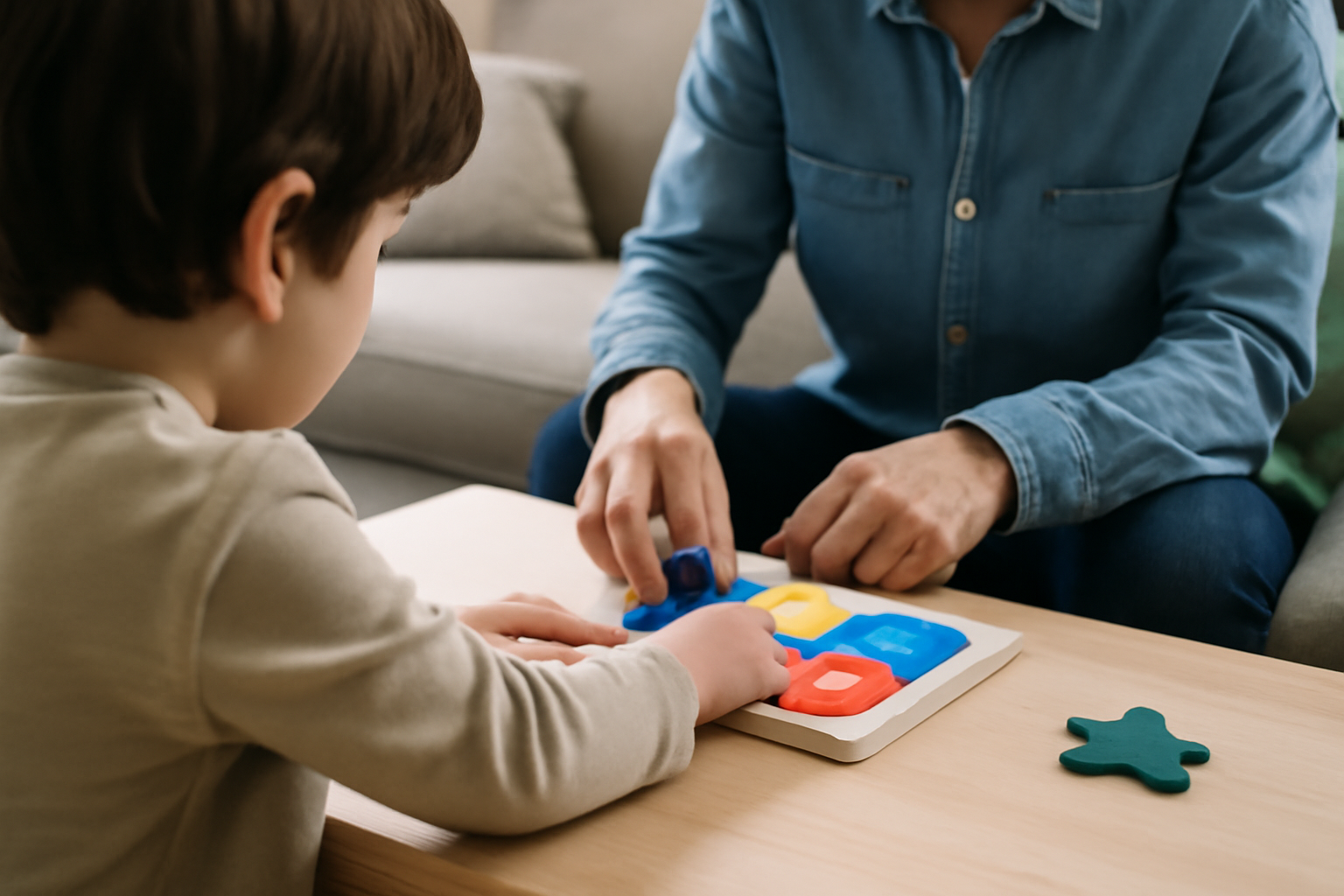

Understanding other specified neurodevelopmental disorder begins with a clear look at how neurodevelopmental conditions affect children and adolescents. Families, educators, and clinicians often encounter children who have developmental differences that do not meet full criteria for well known diagnoses. Recognizing this category helps people get appropriate evaluations and support sooner rather than later.
Overview Of Neurodevelopmental Disorders
Neurodevelopmental disorders are conditions that affect the brain and nervous system as they develop. Symptoms appear early in life and can affect thinking, communication, movement, learning, and social interaction. These challenges vary widely in severity and combination.
- Autism Spectrum Disorder (ASD)
- Attention Deficit Hyperactivity Disorder (ADHD)
- Intellectual Disabilities (ID)
Because these disorders can overlap, some children show signs across several areas without fitting neatly into one label. That is where the category other specified neurodevelopmental disorder may be used.
Introduction To Other Specified Neurodevelopmental Disorder
Other specified neurodevelopmental disorder is a DSM-5 diagnostic category clinicians use when a child has clear developmental impairment but does not meet full criteria for a specific disorder. The label captures mixed or subthreshold presentations that cause real difficulty at home, school, or in social settings.
Using the term other specified neurodevelopmental disorder can be important for several reasons:
- It validates that the child has measurable needs even without a classic diagnosis.
- It opens the door to tailored evaluations and individualized education plans.
- It helps guide referrals to therapists, specialists, and support services.
Because the category is broad, its purpose is clinical clarity rather than a single treatment path. A child diagnosed with other specified neurodevelopmental disorder will typically be assessed by a team that may include pediatricians, psychologists, speech and language therapists, and educators. The goal is to identify strengths and challenges and to begin supports early.
Still unsure what to take?
Answer a few questions and get a personalized supplement recommendation instantly.
Take Cenario quiz now!

In the next section we will examine common signs that often lead clinicians to consider this diagnosis and the steps families can take to seek assessment and early intervention. For now, knowing that other specified neurodevelopmental disorder exists helps remove uncertainty when a child’s developmental profile does not match a single, specific diagnosis.
Common signs and symptom patterns
Children given a diagnosis of other specified neurodevelopmental disorder often show a mix of features that overlap with autism, ADHD, speech and language disorders, or learning disabilities. These features may be milder, atypical, or combined in ways that do not meet full criteria for any single diagnosis.
- Communication differences: delayed speech, unclear pronunciation, or trouble using language for social purposes.
- Social and interaction challenges: limited eye contact, difficulty reading social cues, or uneven peer skills.
- Learning and attention issues: trouble with focus, organization, or specific academic skills that fall below age expectations.
- Motor and sensory differences: poor coordination, sensory sensitivities, or motor planning difficulties.
Because the presentation varies widely, clinicians look for patterns over time and across settings. Noting when symptoms began and how they affect school, home, and social life helps clarify whether other specified neurodevelopmental disorder is the most appropriate label.
Prevalence and who is affected
Population studies rarely list other specified neurodevelopmental disorder by name. Instead, researchers use categories such as other developmental delay to capture similar cases. Estimates for other developmental delay range from about 5.66 percent to 6.06 percent in several large samples. Overall rates of any developmental disability have risen in recent years, reflecting better identification and broader screening.
Patterns seen in data include:
- Boys are more frequently identified than girls for many developmental concerns.
- Disparities exist by race, socioeconomic status, and access to health care and early education.
- Cooccurring conditions are common, so many children classified with other developmental delay also meet criteria for attention, language, or learning challenges at some point.
Diagnostic challenges and what families should expect
Diagnosing other specified neurodevelopmental disorder can be complex. The category exists to capture clinically significant impairment that does not match a single defined disorder. That broad scope creates several challenges.
Common barriers
- Variability of symptoms across settings makes single observations less reliable.
- Standardized tests may not reflect everyday functional difficulties.
- Access to multidisciplinary assessment teams is uneven, which can delay diagnosis.
- Biases in referral and evaluation can lead to underdiagnosis in some groups.
Families can help by keeping clear records of concerns, collecting examples of behaviors across settings, and asking for comprehensive developmental testing when problems affect school or daily life.
Effective interventions and practical supports
Treatment does not depend on a single diagnostic label. Interventions are individualized to address the child’s specific strengths and needs. Early, targeted supports tend to produce better outcomes.
- Therapies: speech and language therapy, occupational therapy for motor and sensory needs, and behavioral strategies for emotional and social skills.
- Educational plans: individualized education programs and 504 accommodations to modify instruction and classroom demands.
- Skill-based approaches: executive function coaching, social skills groups, and structured routines to improve daily functioning.
- Family-focused strategies: parent coaching, consistent home routines, and coordination with school teams.
If you are serious about feeling calmer, more stable, and in control, take the 3 minute Cenario assessment and build your personalized stress formula.
Your stress is personal. Your solution should be too.
Read more about stress here.
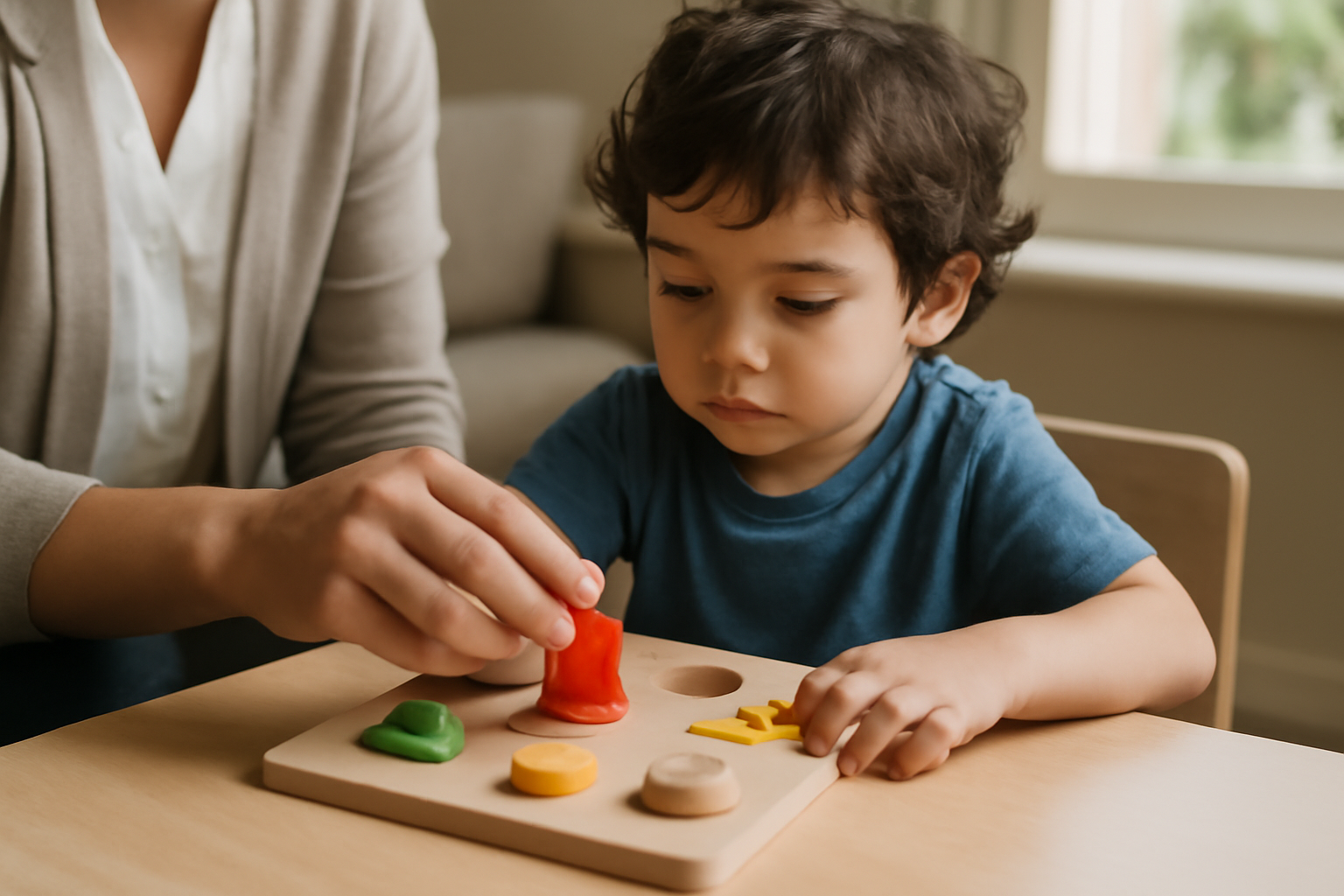
Progress is usually measured by functional gains rather than a change in diagnostic label. Regular reviews help adjust goals as the child grows.
Research trends and priorities
Current research highlights the steady presence of an other or unspecified group within neurodevelopmental surveillance. Key priorities include improving early detection, reducing disparities in diagnosis, and refining assessment tools that capture mixed or subthreshold presentations.
For clinicians and families, the practical takeaway is to focus on needs and outcomes. Whether the record lists other specified neurodevelopmental disorder, other developmental delay, or a more specific diagnosis, timely assessment and tailored intervention remain the most effective path forward.
Interventions And Support Strategies
When a child is identified with other specified neurodevelopmental disorder, the focus shifts from labels to practical supports. Interventions are most effective when they match the child’s profile of strengths and needs and begin early. Teams should build measurable goals and review progress regularly.
Evidence-Based Therapies
- Speech And Language Therapy: Targets communication differences common in other specified neurodevelopmental disorder, including pragmatic language and clarity.
- Occupational Therapy: Addresses motor coordination and sensory processing to improve everyday functioning and school participation.
- Behavioral And Social Skills Interventions: Use structured teaching, positive reinforcement, and small-group practice to build social understanding and self-regulation.
- Executive Function Coaching: Practical strategies for planning, organization, and time management that often support academic success.
Educational And School-Based Supports
School plans are central to long-term outcomes. An individualized education program or 504 accommodation plan should reflect specific challenges tied to other specified neurodevelopmental disorder rather than a single diagnostic label.
- Instructional Adjustments: Break tasks into smaller steps, use multimodal instruction, and provide clear visual supports.
- Testing Accommodations: Extra time, reduced-distraction settings, and assistive technology when appropriate.
- Collaborative Teams: Teachers, therapists, and families should meet frequently to align goals and share progress.
Family And Community Strategies
Family-centered approaches make interventions more sustainable. Caregivers can learn strategies to extend therapy gains into home routines and play. Community supports such as peer groups and parent training also reduce isolation.
- Consistent Routines: Predictable schedules reduce anxiety and help skill generalization.
- Parent coaching: Practical coaching focuses on reinforcing communication, behavior, and social skills at home.
- Transition Planning: Start early for moves between grades or into adult services to maintain continuity of supports.
Research And Epidemiological Insights
Recent surveillance shows a persistent group of children classified under broader categories like other developmental delay. Estimates for this group fall in the mid single digits of the population, highlighting that many children with mixed or subthreshold profiles receive ongoing services. Studies also show consistent patterns:
- Identification Rates Vary: Boys are more often identified, and detection can be influenced by access to care and screening practices.
- Cooccurrence Is Common: Many children with other specified neurodevelopmental disorder also meet criteria for attention, language, or learning challenges at some point.
- Gaps In Tools: Measurement instruments need refinement to capture mixed presentations that do not match classic diagnostic checklists.
Priorities for research include improving early detection, reducing disparities in diagnosis and care, and testing interventions that target complex, cross-domain needs rather than single-symptom approaches.
Conclusion: Next Steps For Families And Educators
Other specified neurodevelopmental disorder is a clinical label that opens doors to supports tailored to a child’s real-world needs. If you suspect your child has developmental challenges, ask for a multidisciplinary assessment and advocate for school-based planning. Track progress, adjust goals, and keep communication open with professionals.
Take action today: request a comprehensive evaluation, share observations from different settings, and work with your child’s school to set clear, measurable supports. Early, coordinated action improves outcomes and helps children build the skills they need to thrive.
Memory is not just about age. It is about how well your brain is supported every day.
Without the right nutrients, cognitive performance gradually declines.
Discover what your brain actually needs to support memory and recall.
Try Cenario quiz now.
Better inputs lead to better output.
Frequently asked questions
How long does it take to see progress after starting interventions for other specified neurodevelopmental disorder?
Progress timelines vary by child and intervention type, but many families notice functional improvements within a few months when therapies are consistent and goals are practical. Other specified neurodevelopmental disorder responses depend on early engagement and regular review of strategies.
Can other specified neurodevelopmental disorder affect learning into adulthood?
Yes. Some children with other specified neurodevelopmental disorder continue to need support in adolescence and adulthood, especially for executive function, vocational planning, and social skills. Early planning and transition services reduce long-term barriers.
Will a diagnosis of other specified neurodevelopmental disorder change school services?
A diagnosis often helps clarify eligibility for individualized education plans and accommodations. Schools focus on the specific functional impacts of other specified neurodevelopmental disorder to design supports that address classroom performance and participation.