
Unlocking your brain’s potential means protecting neurons today while building resilience for tomorrow. The best neuroprotective supplements can be part of that plan, helping preserve memory, focus, and mental speed as we age. This introduction outlines what neuroprotection is and why targeted supplements are drawing growing interest from scientists and consumers alike.
Understanding Neuroprotection And The Best Neuroprotective Supplements
Neuroprotection refers to strategies that slow or prevent damage to brain cells. It matters most for older adults and anyone at increased risk for cognitive decline or Alzheimer’s disease. Age, chronic inflammation, and excess oxidative stress are common drivers of neuronal damage. The right interventions aim to reduce those threats and support brain repair.
Interest in the best neuroprotective supplements has risen because they may act on multiple pathways at once. Rather than promising miracles, these products aim to lower inflammation, protect cell membranes, and support neurotransmitter balance. Early clinical studies and preclinical research have identified several ingredients worth watching, from nutrient-based compounds to herbal extracts.
What Supplements Target In The Brain
Supplements under study do not all work the same way. Common targets include:
- Reducing oxidative stress and scavenging free radicals
- Lowering chronic neuroinflammation that harms neurons
- Supporting membrane health and synaptic function
- Enhancing neurotransmitter synthesis and signaling
- Promoting neuronal repair and plasticity
When people search for the best neuroprotective supplements they often find a mix of classic nutrients and newer nootropics. Examples frequently mentioned are citicoline, phosphatidylserine, omega-3 fatty acids, lion’s mane mushroom, Bacopa monnieri, adaptogens like rhodiola and ashwagandha, and magnesium-L-threonate. Each has a different evidence profile and proposed mechanism.
Why Supplements Are Gaining Attention Now
There are three practical reasons interest is growing. First, aging populations mean more focus on preserving cognition. Second, modern research methods let scientists test specific mechanisms, which helps identify promising compounds. Third, many supplements are readily available and relatively low risk for short-term use, though long-term benefits need further proof.
It is important to view supplements as complements to a healthy diet, sleep, exercise, and regular medical care. Choosing the best neuroprotective supplements requires weighing clinical evidence, product quality, and individual health needs. The next section will examine the most studied options and what the science currently says about their potential benefits.
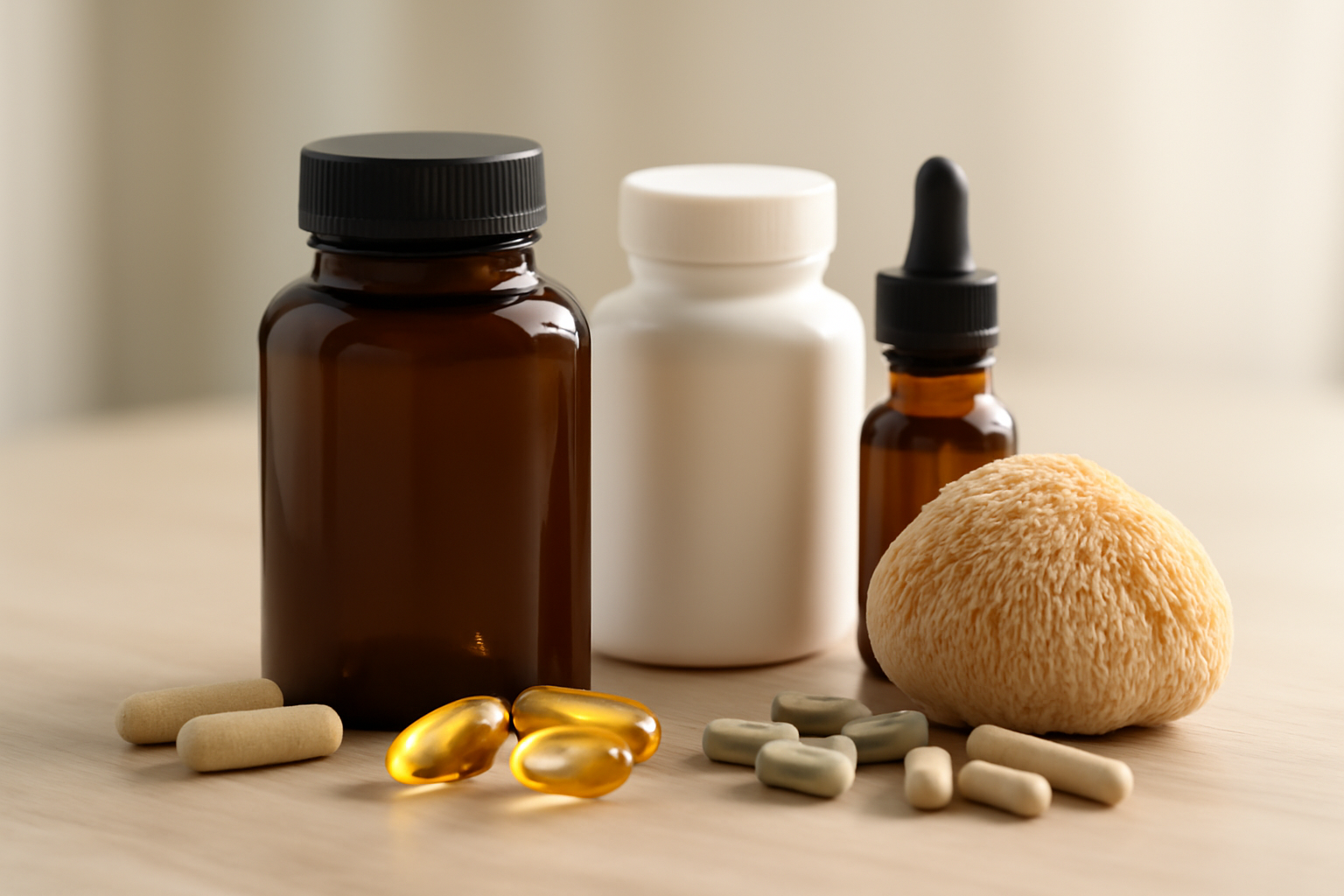
Scientific foundation
Now that you know which compounds are commonly cited, let us dig into the evidence that supports their use. Some supplements have direct clinical trial data, while others rely on animal or small human studies. A few clear patterns emerge across mechanisms and outcomes.
Key mechanisms that show clinical promise
- Membrane and neurotransmitter support. Citicoline supplies building blocks for phospholipids and supports acetylcholine production, which helps memory and attention in several human trials.
- Anti-inflammatory and antioxidant effects. Omega-3 fatty acids, curcumin formulations, and certain polyphenols reduce neuroinflammation and oxidative stress that contribute to cognitive decline.
- Synaptic plasticity and growth signals. Compounds such as Bacopa monnieri and lion’s mane mushroom are associated with improved synaptic function and increased nerve growth factor activity in preclinical and limited human studies.
What clinical studies say about dose and timing
- Phosphatidylserine. Multiple studies report cognitive benefits at about 300 mg per day for memory and attention in older adults.
- Omega-3 fatty acids. Trials use a wide range, commonly between 230 and 1800 mg of combined EPA and DHA per day. Benefits tend to be clearer with higher EPA/DHA and longer use.
- Citicoline. Research often uses 250 to 500 mg daily of citicoline (Cognizin is a frequently studied form) with improvements in attention, memory, and brain metabolic markers.
- Bacopa and magnesium-L-threonate. Effects on memory and working memory generally require consistent use for 6 to 12 weeks before benefits emerge.
Emerging supplements to watch
Certain ingredients are growing in popularity because of plausible mechanisms and early data. Expect continued research but also greater consumer interest.
Lion’s mane and other botanicals
Lion’s mane shows potential for promoting nerve growth factor and supporting cognitive function. Bacopa monnieri supports synaptic plasticity. Both often require daily use for several weeks to show measurable gains. Rhodiola and ashwagandha can improve stress resilience and mental clarity, which indirectly benefits cognition when chronic stress is a factor.
Magnesium and novel formulations
Magnesium-L-threonate is notable for its ability to cross the blood-brain barrier more effectively than some other magnesium salts. Clinical reports indicate improved working memory after weeks of supplementation. Form selection matters because not all magnesium forms affect cognition the same way.
Bioavailability, formulation, and dosing considerations
How a supplement is formulated often determines whether an ingredient will reach the brain in meaningful amounts. Key points to consider:
- Use clinically studied forms when possible. For example, certain branded forms of citicoline and curcumin have been used in trials and show better absorption.
- Take fat-soluble nutrients with meals. Omega-3s and curcumin absorb better with dietary fat.
- Start with evidence-based doses. Where trials exist, match those ranges rather than guessing lower or higher amounts.
Safety, interactions, and what to avoid
Most neuroprotective compounds have low acute risk, but safety and interactions matter, especially for older adults or people on medication.
- Bleeding risk. High-dose omega-3 may increase bleeding risk, so consult a clinician if you take blood thinners.
- Medication interactions. Some botanicals can interact with antidepressants or thyroid medications. Check with a healthcare provider before adding new supplements.
- Quality matters. Choose reputable manufacturers with third-party testing to reduce the chance of contaminants or mislabeling.
Practical stacking and trial strategy
If you want a pragmatic approach to try supplements for neuroprotection, consider a phased plan:
- Prioritize foundational nutrients first: a quality omega-3, citicoline, and phosphatidylserine at trial doses used in studies.
- Add one herbal or novel agent at a time, such as Bacopa or magnesium-L-threonate, and allow 6 to 12 weeks to assess effects.
- Monitor outcomes. Track memory, focus, sleep, and mood. Adjust the regimen under medical guidance if side effects or interactions appear.
In short, the best neuroprotective supplements are those backed by clear mechanisms, human data, and appropriate formulations. Use evidence-based doses, pay attention to bioavailability, and work with a clinician to build a safe, personalized program that complements diet, sleep, and exercise.
Comparison: Commercial Stacks Versus Individual Supplements
Choosing between pre-formulated nootropic stacks and single-ingredient supplements matters when targeting long-term brain health. Commercial stacks like Mind Lab Pro and Revive Brain+ package multiple actives for convenience. Individual supplements let you control dose, timing, and how you combine ingredients.
Pros And Cons
- Stacks: Convenient, often balanced for general cognitive needs, and marketed with user-friendly dosing. Downsides include proprietary blends that hide exact amounts and potential overlap between ingredients.
- Individual Supplements: Offer precision. You can match clinical doses for citicoline, phosphatidylserine, or magnesium-L-threonate. This approach requires more planning and tracking.
For many people, a hybrid approach works best. Start with foundational singles for proven benefits, then add a well-formulated stack or one herbal extract to target specific concerns.
Safety, Efficacy, And Practical Recommendations
Evidence varies across products. The best neuroprotective supplements generally carry low acute risk, but safety depends on dose, formulation, and interactions with medications. Older adults and people with chronic conditions should be extra cautious.
How To Choose A Product
- Prefer brands that disclose exact doses and use clinically studied forms like Cognizin citicoline or Meriva curcumin.
- Avoid proprietary blends that do not list ingredient amounts. Transparency matters for safety and for matching research-backed doses.
- Look for third-party testing from groups that verify purity and label accuracy.
- Check for allergens and fillers if you have sensitivities.
Recommended Practical Stack
If you want a structured starting point for neuroprotection, consider a baseline combination that mirrors research-backed components:
- Omega-3 (combined EPA+DHA) at a clinically relevant dose, typically 500 to 1000 mg daily depending on needs.
- Citicoline 250 to 500 mg daily to support membrane health and attention.
- Phosphatidylserine 300 mg daily for memory and attention support.
Add one targeted agent at a time, such as magnesium-L-threonate for working memory or Bacopa for learning, and give each 6 to 12 weeks to reveal effects.
Trialing, Monitoring, And When To Stop
Run a controlled personal trial. Use simple, repeatable measures like timed memory tasks, mood logs, sleep quality, and daily focus ratings. Consider cognitive testing apps or clinician-administered assessments for objective data.
- Document baseline status for two weeks before starting.
- Introduce one change at a time and keep a symptom diary.
- If no benefit appears after 12 weeks at an evidence-based dose, reassess and consult a clinician.
Stop or re-evaluate supplements if you experience adverse effects, new symptoms, or interactions with prescribed medications.
Final Thoughts And Call To Action
The best neuroprotective supplements can be a useful part of a wider brain health strategy when chosen carefully. Prioritize transparency, clinically studied forms, and realistic expectations. Combine supplements with sleep, exercise, and a nutrient-rich diet for the greatest impact.
If you are curious about building a personalized plan, discuss options with your healthcare provider. Consider a guided 12-week trial of a focused stack to see measurable results and refine your approach based on real-world feedback.
Frequently asked questions
Which are the best neuroprotective supplements to start with?
Begin with foundational options: a quality omega-3 (EPA+DHA), citicoline 250 to 500 mg, and phosphatidylserine 300 mg. These best neuroprotective supplements have the strongest clinical support for memory and cognitive maintenance.
How long does it take to notice benefits from the best neuroprotective supplements?
Expect different timelines by ingredient. Many of the best neuroprotective supplements, like Bacopa or magnesium-L-threonate, need 6 to 12 weeks for measurable benefits. Omega-3 and citicoline may show effects sooner depending on dose and baseline status.
Can I safely combine multiple best neuroprotective supplements?
Combining supplements is common but should be done carefully. Use evidence-based doses, avoid duplicate active compounds, and check for interactions with medications. Speak with a clinician before combining the best neuroprotective supplements if you have medical conditions or take prescription drugs.