

Why Most Stress Supplements Don’t Work for Women
Most stress supplements fail because they treat stress as a single, uniform problem. It isn’t. In women, stress is driven by multiple interacting systems, primarily the hypothalamic–pituitary–adrenal (HPA) axis, neurotransmitter activity, hormonal fluctuations, and sleep regulation. When a supplement does not target the dominant driver, results are inconsistent or negligible.
From a biological standpoint, stress is regulated through the HPA axis, which controls cortisol release. Cortisol is essential for energy and focus during acute stress, but chronic dysregulation creates problems. Some women experience persistently elevated cortisol, leading to anxiety, irritability, and poor sleep. Others develop a flattened cortisol rhythm, which is associated with fatigue, low resilience, and brain fog. Most supplements do not distinguish between these states, which makes their effect unreliable.
Sleep is not just a symptom of stress but a regulator of it. Disrupted sleep affects cortisol rhythms, increases emotional reactivity, and reduces the brain’s ability to handle stress effectively. Without addressing sleep, most interventions remain incomplete.
The core issue is that most supplements are designed as broad, one-size-fits-all solutions. They combine multiple ingredients without targeting a specific mechanism or accounting for individual variability. This leads to diluted effects and unpredictable outcomes.
The purpose of this blog
This guide is designed to move away from generic advice and focus on what actually works. Specifically, it will:
- explain the biological drivers of stress in women
- break down which supplements target each pathway
- help you identify your dominant stress pattern
- show how to choose supplements based on function, not trends
The goal is not to overwhelm you with options, but to make supplement choices more precise and effective.
Find what actually works for you
If you want to skip the guesswork and identify exactly which supplements match your stress profile, take the personalized assessment:
Take the Cenario Mental Health Quiz
Best Natural Supplements for Stress Relief in Women
Once the underlying mechanisms are understood, supplement selection becomes more targeted. The goal is not to take more ingredients, but to choose compounds that directly influence the systems driving your stress.
Adaptogenic herbs are among the most studied compounds for regulating the stress response. Ingredients like ashwagandha and rhodiola rosea act on the HPA axis, helping to normalize cortisol levels rather than simply suppress them. Ashwagandha has been shown to reduce cortisol and improve perceived stress, while rhodiola is particularly effective for reducing fatigue and improving mental performance under prolonged stress. These are most relevant when stress presents as chronic pressure, burnout, or the feeling of being both tired and overstimulated.
Emotional stress
For anxiety, tension, or difficulty relaxing, targeting the nervous system directly is often more effective. Magnesium supports GABA activity and reduces neuromuscular excitability, while L-theanine promotes calm focus by increasing alpha brain wave activity. These compounds are useful when stress manifests as racing thoughts, physical tension, or an inability to switch off.
Emotional stress and mood instability often require support at the level of neurotransmitters and inflammation. Omega-3 fatty acids influence brain function and mood regulation, while B vitamins are essential for neurotransmitter synthesis. Saffron extract has also shown promising effects in improving mood and reducing stress-related symptoms. These are particularly relevant when stress is tied to emotional fluctuations or hormonal changes.
Sleep remains a foundational factor across all types of stress. Low-dose melatonin can help regulate circadian rhythm and improve sleep onset, while magnesium also contributes to deeper sleep. Compounds like glycine and apigenin support relaxation and sleep quality, which in turn stabilizes the entire stress response system.
How to think about supplement choice
Instead of combining everything into one stack, a more effective approach is to align supplements with the primary driver of stress:
- cortisol-related stress tends to respond better to adaptogens
- anxiety and overstimulation respond better to nervous system support
- emotional and hormonal stress benefit from mood-focused nutrients
- poor sleep requires direct sleep support before anything else
There is no single “best” supplement. The effectiveness comes from choosing the right category and applying it correctly.
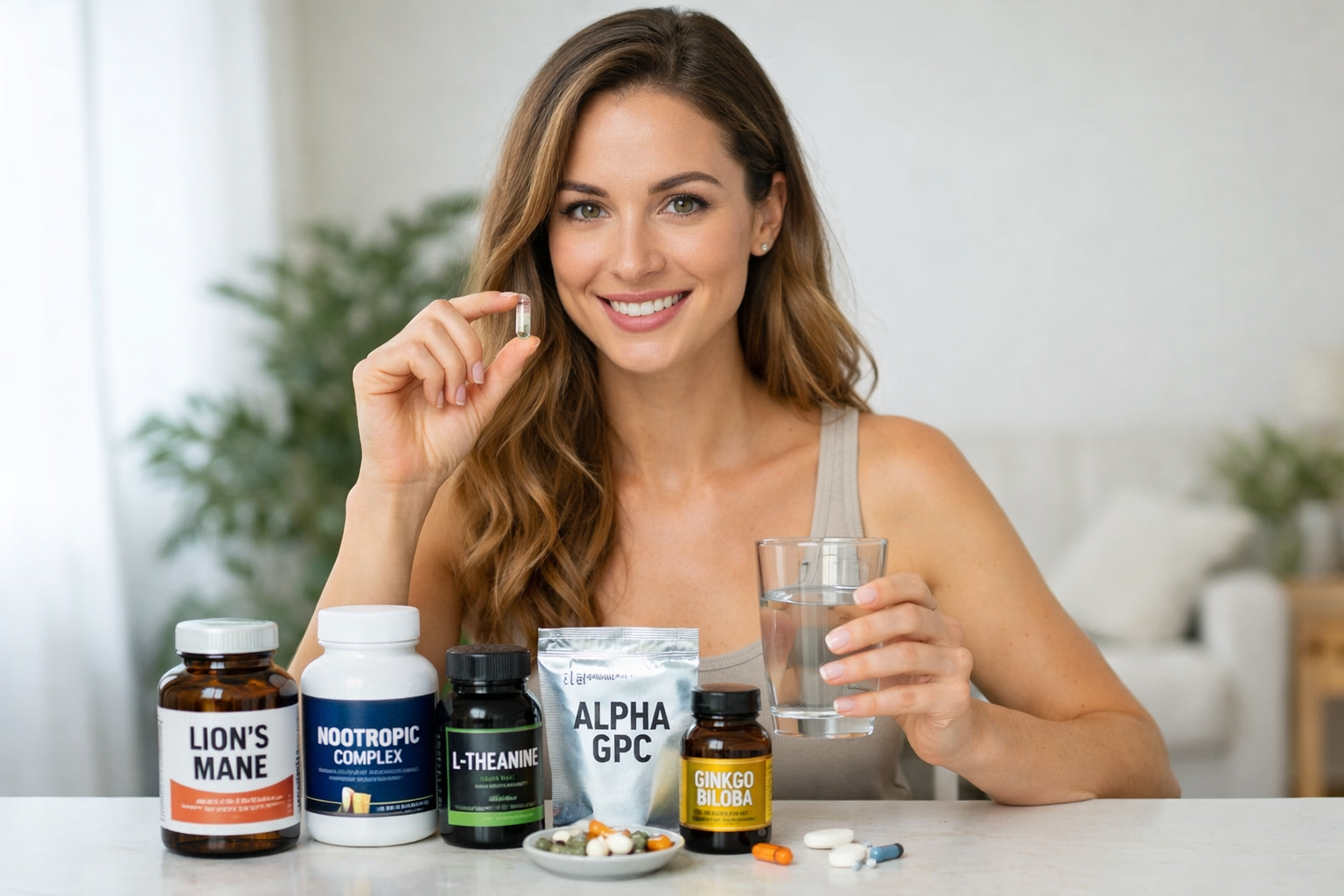
How to Build an Effective Stress Supplement Routine
Knowing which supplements work is not enough. Most people still fail because they take the right ingredients in the wrong way, combine too much, or expect immediate results from systems that require consistency.
The goal is not complexity. It is structure.
Consistency is another major factor. Many stress-related pathways, especially those involving cortisol and neurotransmitters, take time to adjust. Expecting immediate results leads people to switch products too quickly, which prevents any real adaptation. Most compounds require at least a few weeks of consistent use before meaningful changes are noticeable.
Another common mistake is overstacking. Adding too many supplements at once makes it impossible to identify what is working and increases the likelihood of side effects or diminishing returns. A more effective approach is to start with a minimal stack, evaluate the response, and only then adjust if needed.
Finally, sleep should always be prioritized. If sleep is compromised, even the best supplement routine will underperform. Improving sleep quality often amplifies the effect of every other intervention.
Simple framework to follow
- identify the main stress pattern
- choose one primary supplement that targets it
- add a secondary supplement only if needed
- align timing with your daily rhythm
- stay consistent before making changes
This approach removes guesswork and increases the likelihood of a measurable result.
Stop guessing, start targeting
If you want a routine built around your specific stress pattern, lifestyle, and symptoms, use a personalized approach instead of trial and error:
It is faster, more precise, and avoids the common mistakes that make most supplement routines ineffective.
Which Supplement Is Right for You
At this point, the only thing that matters is matching your symptoms to the correct mechanism. Most people already know how their stress feels, they just haven’t translated that into the right intervention.
Below is a simple way to map your symptoms to the most effective supplement category.
| Stress Type | How It Feels | Likely Driver | Best Supplements |
|---|---|---|---|
| Chronic stress / burnout | Constant pressure, low energy, “wired but tired” | Cortisol dysregulation (HPA axis) | Ashwagandha, Rhodiola |
| Anxiety / overstimulation | Racing thoughts, tension, can’t relax | Low GABA activity, nervous system overload | Magnesium, L-theanine |
| Emotional / hormonal stress | Mood swings, irritability, sensitivity | Neurotransmitters + hormone fluctuations | Omega-3, B vitamins, saffron |
| Sleep-related stress | Trouble falling asleep, poor recovery | Disrupted circadian rhythm, high evening cortisol | Melatonin, magnesium |
This is the level most people skip. They jump straight to products without identifying the category they fall into.
How to use this
Start by identifying which row describes you most accurately. That becomes your entry point. From there, choose one primary supplement and evaluate the effect before adding anything else.
If you relate to multiple categories, prioritize the one that impacts your daily function the most. In many cases, improving sleep alone will reduce other symptoms indirectly.
Where most people go wrong
- choosing supplements based on trends instead of symptoms
- combining multiple categories at once
- switching too quickly before results appear
This leads to confusion and inconsistent outcomes.
Final Thoughts
Stress is not a single problem, and there is no single supplement that fixes it. What actually determines results is whether you match the intervention to the underlying mechanism.
Most people fail because they:
- pick supplements based on popularity instead of symptoms
- combine too many ingredients without structure
- ignore sleep and hormonal factors
- switch too quickly before anything has time to work
A simple, targeted approach outperforms everything else. Identify the dominant driver, choose one or two relevant supplements, and stay consistent. That is where measurable improvement happens.
The difference is not in the supplement itself. It is in the precision of how you use it.
Take a more precise approach
If you want to remove guesswork and build a supplement routine tailored to your stress pattern, lifestyle, and symptoms:
It is faster, more effective, and aligned with how your body actually responds to stress.
Frequently Asked Questions
What is the best supplement for stress relief in women?
There is no single best option. It depends on the cause of your stress. Adaptogens like ashwagandha work well for cortisol-related stress, while magnesium and L-theanine are more effective for anxiety and overstimulation. Mood-related stress may respond better to omega-3 and B vitamins.
How long do stress supplements take to work?
Some compounds, like L-theanine, can have noticeable effects within hours. Others, such as ashwagandha or omega-3, typically require consistent use over several weeks to produce measurable changes. Expect most supplements to take at least 2 to 4 weeks for full effect.
Can I take multiple stress supplements together?
Yes, but only if they target the same goal or complementary pathways. Combining too many unrelated supplements reduces clarity and increases the risk of diminishing returns. Start simple and build only if needed.
Are natural supplements safe for long-term use?
Most commonly used supplements, such as magnesium, omega-3, and certain adaptogens, are considered safe when taken within recommended dosages. However, individual responses vary, and long-term use should always be aligned with your specific needs.
Do stress supplements help with anxiety?
Some do. Magnesium and L-theanine are commonly used for reducing anxiety symptoms by supporting the nervous system. However, effectiveness depends on whether anxiety is the primary driver of your stress.
What if I don’t know what type of stress I have?
This is the main reason most people get poor results. If you are unsure, using a structured or personalized approach is more effective than guessing:
Take our Quiz Now!
It helps identify your dominant stress pattern and aligns your supplement choices accordingly.