
In today’s busy world, stress and anxiety are common struggles. Whether it’s pressure from work, personal challenges, or everyday tasks, finding ways to relax is important. Breathing in a slow, controlled way can help you relax, stay focused, lower your blood pressure, and feel better overall.
If you often feel overwhelmed, practicing these breathing techniques can help you regain balance. Here are five simple but effective methods to try.
Tips for Beginners
If you’re new to breathing exercises, these tips can help you get started:
- Find a Quiet Place: Choose a peaceful spot without distractions.
- Get Comfortable: Sit in a chair in a relaxed position.
- Start Slow: If deep breathing feels strange, begin with a few minutes and increase gradually.
- Breathe Naturally: Don’t force deep breaths—let them come smoothly.
- Practice Daily: Even just a few minutes a day can have a powerful impact.
- Use a Timer or Guide: Set a timer or follow a guided breathing session if needed.
- Listen to Your Body: If you feel dizzy or uncomfortable, return to normal breathing and try again later.
1. Diaphragmatic Breathing (Belly Breathing)
Best for: Deep relaxation, reducing stress, improving lung health
This method, also called belly breathing, helps you take in more oxygen and feel calm.
How to Do It:
- Sit in a chair or lie down in a comfortable position.
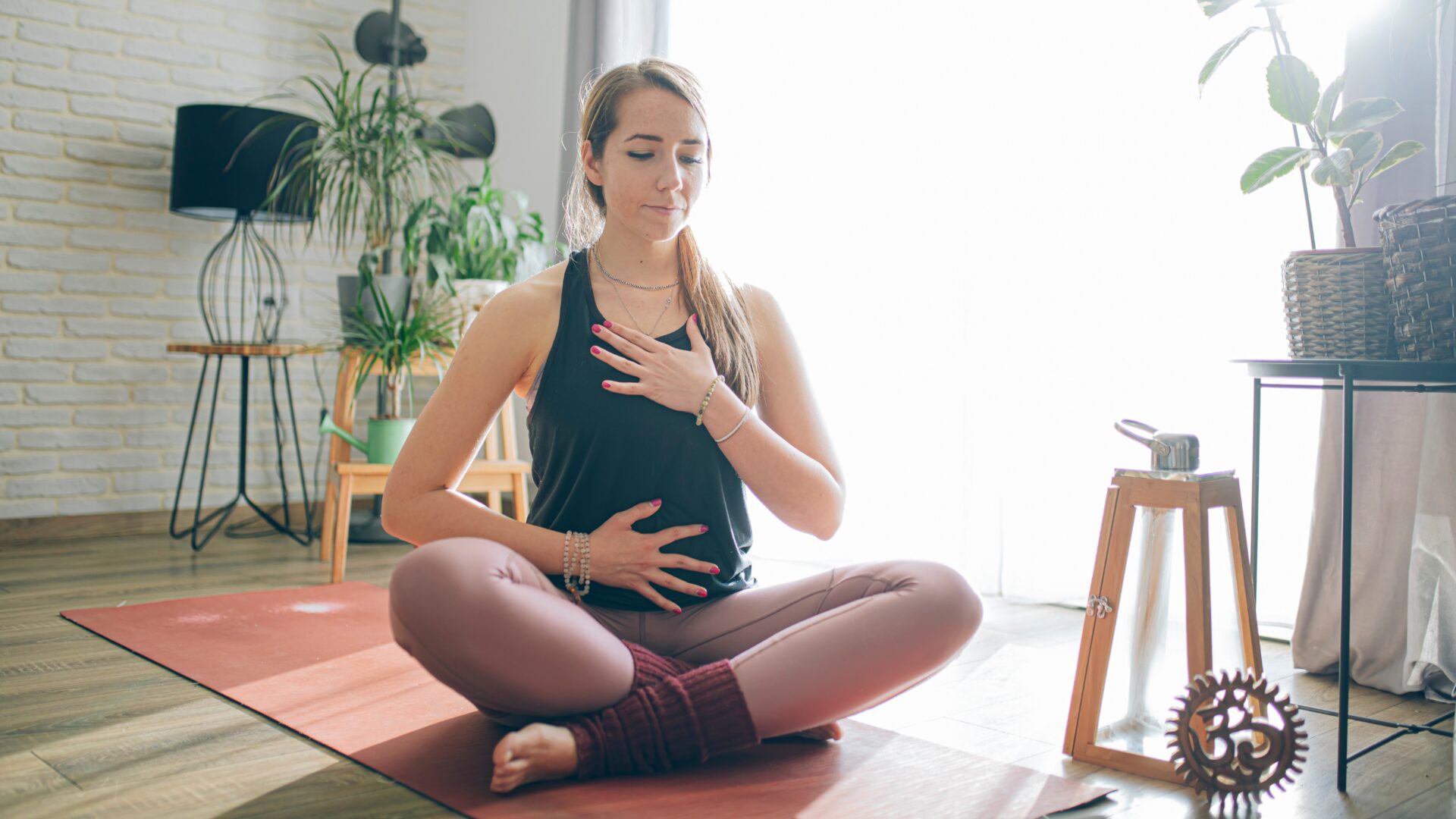
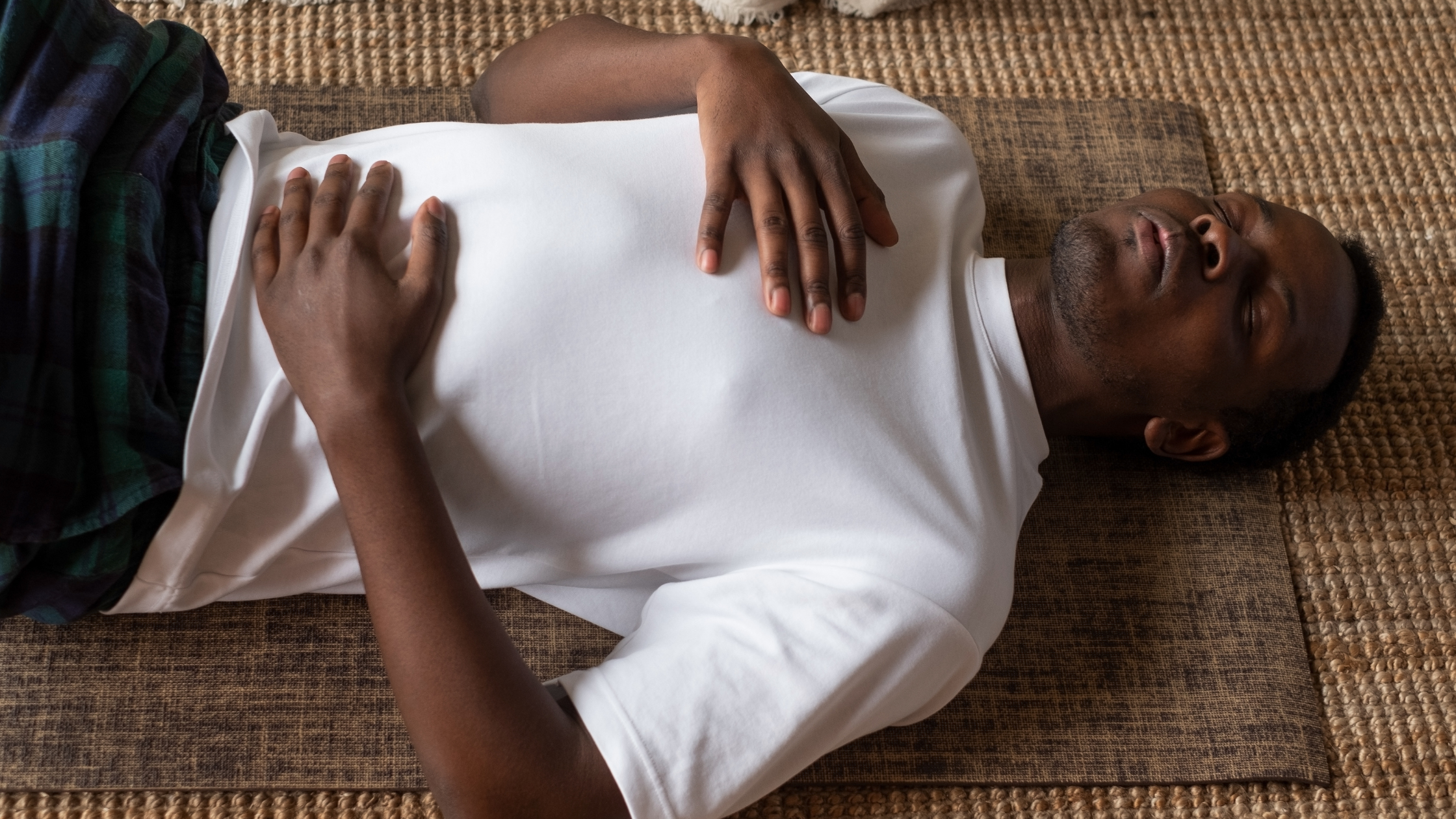
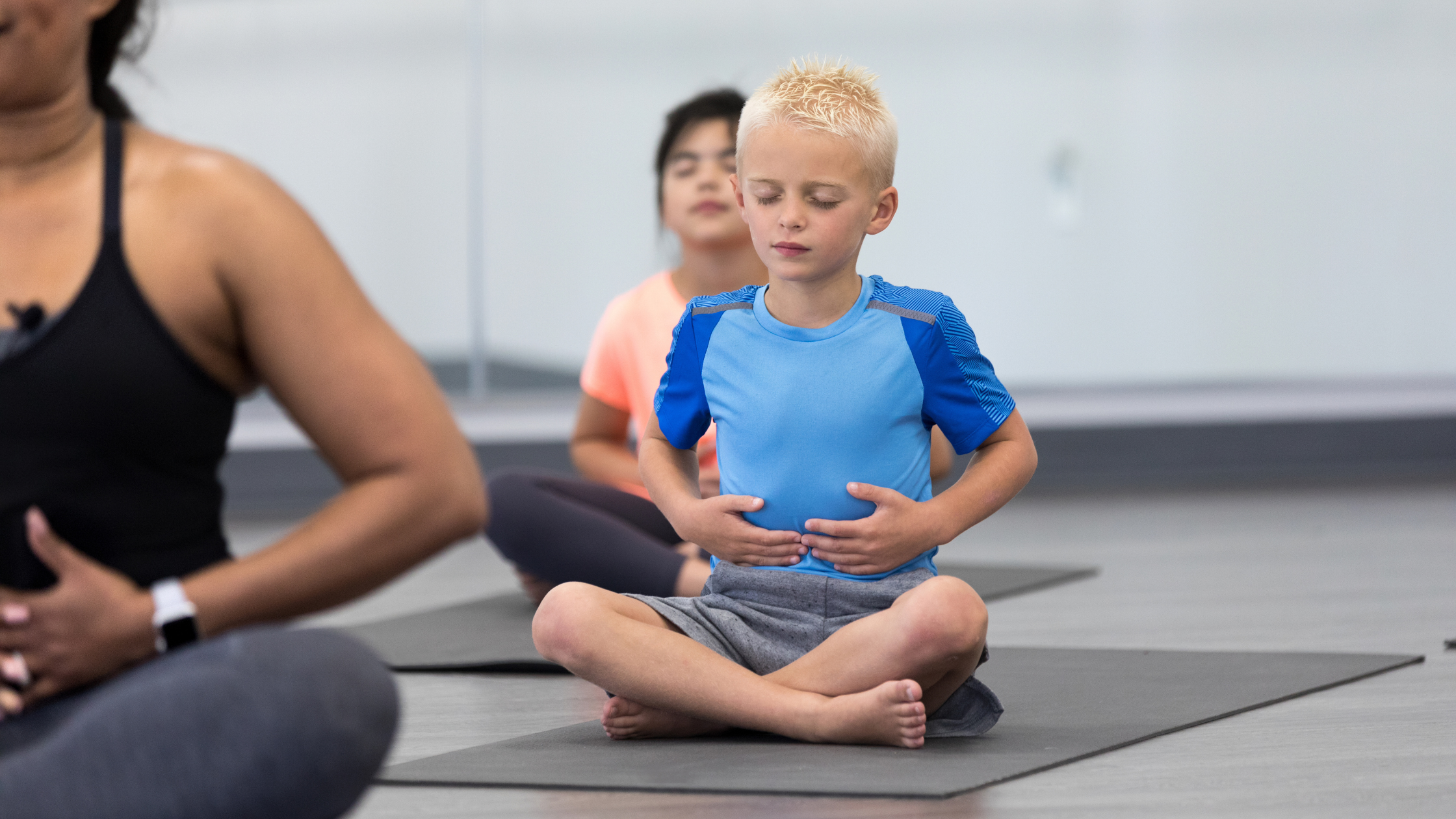
- Place one hand on your chest and the other on your belly.
- Inhale deeply through your nose, making your belly rise while keeping your chest still.
- Exhale slowly through your mouth, feeling your belly fall.
- Repeat for 5–10 minutes, focusing on slow, steady breaths.
Benefits:
- Helps lungs work better
- Lowers heart rate and blood pressure
- Reduces muscle tension
- Increases oxygen flow for relaxation
Common Mistakes to Avoid:
- Breathing too shallowly (your chest should stay still)
- Rushing your breath (slow and steady is best)
- Holding tension in your body (stay relaxed)
2. 4-7-8 Breathing Technique
Best for: Falling asleep, reducing anxiety, calming the mind
This simple but powerful technique, created by Dr. Andrew Weil, helps relax your nervous system.
How to Do It:
- Sit comfortably with your back straight.
- Inhale through your nose for 4 seconds.
- Hold your breath for 7 seconds.
- Exhale slowly through your mouth for 8 seconds.
- Repeat for 4–5 cycles.
Benefits:
- Helps with stress and anxiety
- Slows heart rate and improves oxygen flow
- Promotes deep relaxation before sleep
- Lowers stress hormones
Common Mistakes to Avoid:
- Holding your breath too tightly
- Exhaling too quickly (take the full 8 seconds)
- Expecting instant results (it takes practice)
3. Box Breathing (Square Breathing)
Best for: Improving focus, reducing stress, calming the mind
This technique, used by Navy SEALs and athletes, helps you stay calm and focused.
How to Do It:
- Inhale through your nose for 4 seconds.
- Hold your breath for 4 seconds.
- Exhale slowly through your mouth for 4 seconds.
- Hold your breath again for 4 seconds.
- Repeat for several minutes.
Benefits:
- Improves focus and mental clarity
- Reduces stress and anxiety
- Strengthens lung function
- Lowers stress hormones
Common Mistakes to Avoid:
- Breathing too fast (keep it steady)
- Tensing up (stay relaxed)
- Skipping breath holds (each step matters)
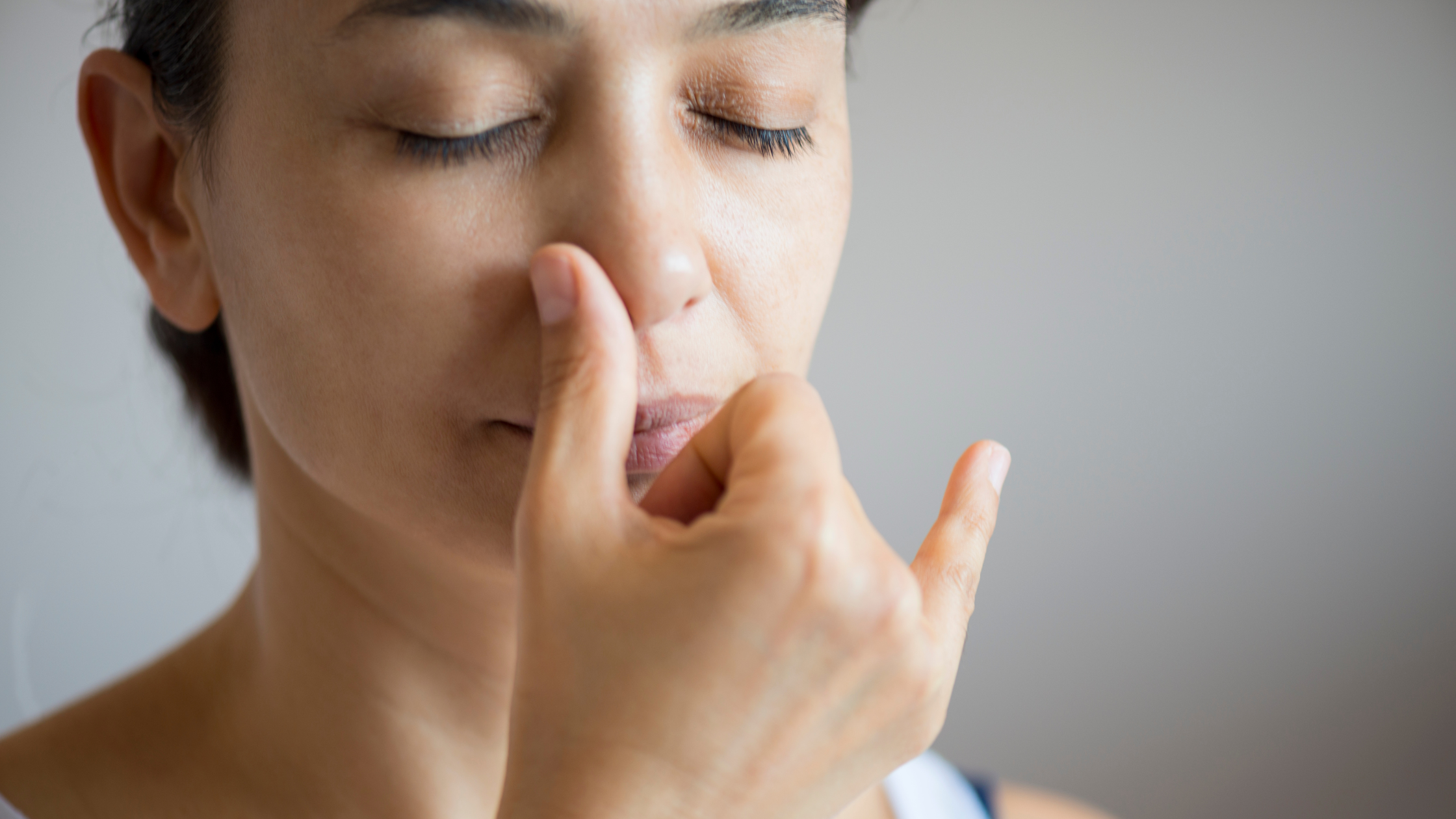
4. Alternate Nostril Breathing (Nadi Shodhana)
Best for: Balancing energy, reducing anxiety, improving mindfulness
This yogic breathing exercise helps balance energy and calm the mind.
How to Do It:
- Sit comfortably and close your right nostril with your thumb.
- Inhale through your left nostril.
- Close your left nostril with your ring finger and release the right.
- Exhale through your right nostril.
- Inhale through your right nostril, then close it and exhale through your left.
- Continue for 5–10 minutes.
Benefits:
- Improves focus and mental clarity
- Reduces stress and anxiety
- Supports lung health
- Promotes emotional balance
Common Mistakes to Avoid:
- Inhaling too forcefully (breathe smoothly)
- Holding tension in your face
- Skipping exhale control (make exhaling longer than inhaling)
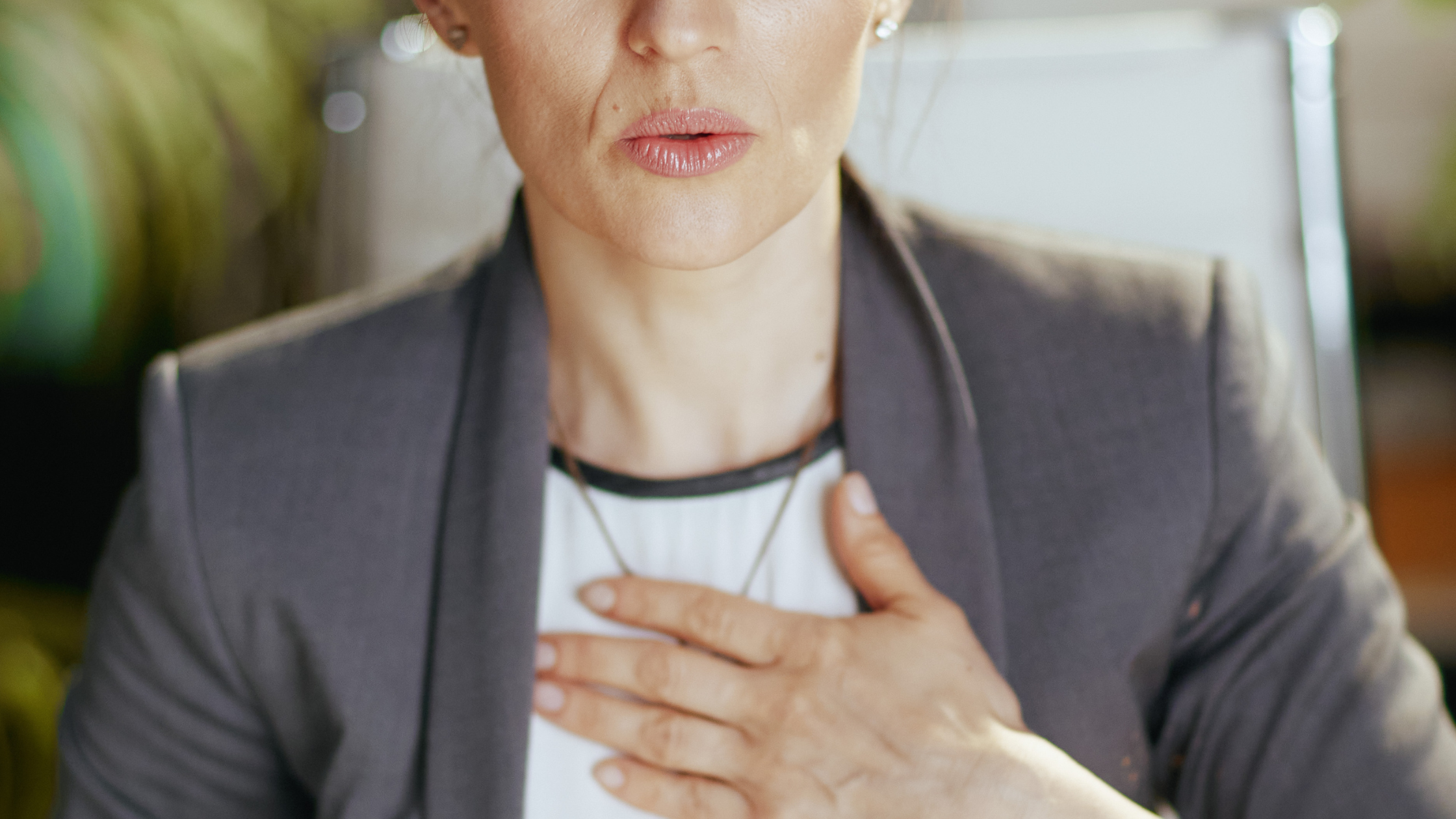
5. Pursed-Lip Breathing
Best for: Controlling breathlessness, calming nerves, improving lung function
This technique helps you control your breathing and can be especially helpful for people with asthma or COPD.
How to Do It:
- Inhale through your nose for 2 seconds.
- Tighten your lips together, similar to how you would when preparing to whistle.
- Exhale slowly through pursed lips for 4 seconds.
- Repeat for several cycles.
Benefits:
- Helps oxygen move through the body
- Reduces shortness of breath
- Improves breathing for people with lung conditions
- Slows breathing for relaxation
Common Mistakes to Avoid:
- Exhaling too forcefully (keep it slow)
- Breathing too quickly (take your time)
- Not fully exhaling (empty your lungs before inhaling again)
The Science Behind Breathing for Relaxation
Breathing exercises for relaxation work by activating the parasympathetic nervous system, which calms the body. When you take slow, deep breaths, your brain tells your body to relax. This helps slow down your heart rate, lower stress hormones, and make you feel calmer. It also sends more oxygen to your brain, which can help you think more clearly and feel less anxious.
Final Thoughts
Doing breathing exercises every day can help you feel less stressed, improve your mood, and keep you healthy. Whether you need help calming down, or just relaxing after a long day, these five simple techniques can really help.
Want more ways to support your mental health? Check out the Mental Health Supplement Quiz for a natural way to manage stress and anxiety.
Start practicing today and feel the calming effects for yourself!
Frequently Asked Questions
How often should I practice breathing exercises?
Even just 5–10 minutes a day can make a difference. Practicing regularly helps you feel calmer, sleep better, and manage stress more easily.
Can breathing exercises help with anxiety or panic attacks?
Yes. Slow, controlled breathing signals your brain to relax, which lowers heart rate and reduces anxious feelings. Techniques like 4-7-8 or box breathing are especially helpful.
Do I need any equipment for these exercises?
No equipment is needed—just a quiet space and a few minutes of your time. You can practice at home, at work, or even while commuting.