
Discover self soothing techniques to ease stress

Self soothing techniques are practical ways to calm your nervous system and return your body to baseline after a stressful event. These methods help you regulate emotions in the moment instead of reacting impulsively. They range from quick breathing exercises to sensory practices and body-based skills. Learning a few reliable self soothing techniques gives you tools to lower anxiety, manage overwhelm, and improve distress tolerance.
Understanding self-soothing
At its core, self-soothing is an emotion regulation strategy. It signals safety to the parasympathetic nervous system and reduces physical signs of stress such as rapid heart rate and shallow breathing. In therapy contexts, especially Dialectical Behavior Therapy, self soothing techniques are taught as crisis skills that help people tolerate uncomfortable feelings without resorting to harmful coping. Outside of therapy, these methods are useful for anyone who wants faster recovery from tension and stronger emotional resilience.
Why self-soothing matters
Effective self soothing techniques can lower anxiety and interrupt the body’s fight-or-flight response. When practiced regularly, they improve the ability to stay present and make clearer decisions under pressure. Self-soothing contrasts with self-care in that it is moment-to-moment regulation rather than a long-term routine. It is also healthier than common maladaptive habits like excessive screen time, emotional eating, or substance use, which can temporarily numb feelings but usually worsen stress over time.
The five-senses approach and body-based skills
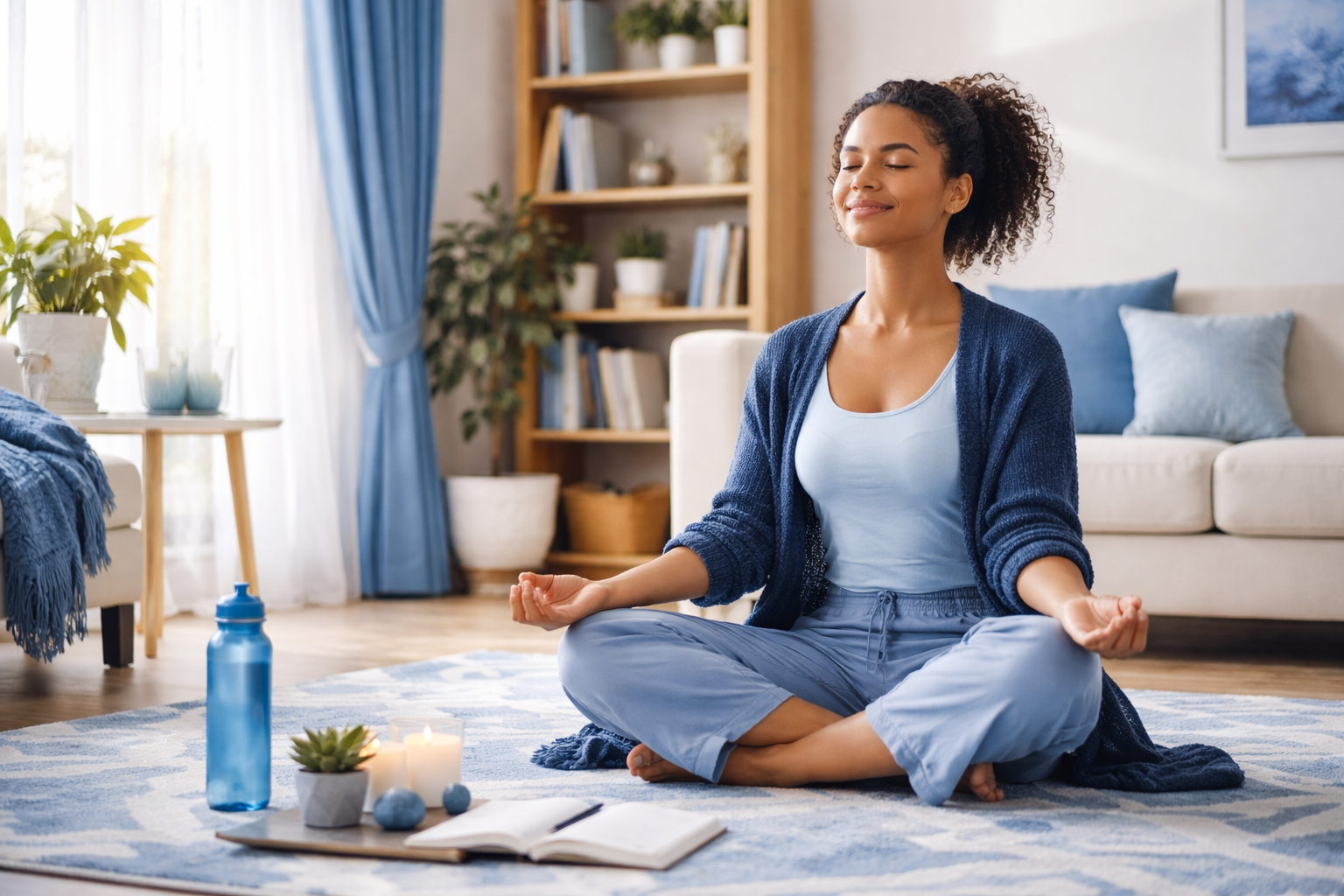
Many techniques are built around the five senses: sight, sound, touch, taste, and smell. For example, looking at a calming image, listening to soothing music, or holding a warm mug can shift attention away from distress. Body-based skills like slow diaphragmatic breathing, progressive muscle relaxation, and grounding exercises also reduce physiological arousal. Simple grounding scripts or a brief body scan can be done in public or at work to regain control quickly.
Practice helps. Try a short self soothing techniques plan: one 30-second breath, one 3-minute grounding exercise, and one 10-minute relaxation routine. Track which methods work best for you. If you want a quick primer or printable checklist, explore our dictionary entries or take the short quiz to find techniques suited to your needs.
Exploring self soothing techniques: step-by-step practices
This section gives practical, repeatable scripts and short routines you can use right away. Each technique targets both attention and the body so you can lower arousal and regain control fast. Try them in order and notice which methods feel most effective for you.
Progressive muscle relaxation (pmr)
Progressive muscle relaxation is a simple, evidence-informed routine that shifts the body out of a stress response. Use this five-minute script when you can sit or lie down.
- Begin with slow, even breathing for 30 seconds.
- Tense one muscle group (hands, arms, shoulders) for 5 to 7 seconds.
- Release the tension and sense the drop in tightness for 10 seconds.
- Move to the next group: face, neck, chest, stomach, legs, feet.
- Finish with three slow diaphragmatic breaths and a moment of noticing.
This method reduces muscle tension and slows heart rate, making it a reliable option in acute stress.
Grounding and brief meditations
Grounding pulls attention to the present and away from spiraling thoughts. Use a 5-4-3-2-1 sensory grounding to reorient quickly:
- Name five things you can see.
- Name four things you can touch or feel.
- Name three sounds you can hear.
- Name two things you can smell or imagine smelling.
- Name one calming statement you can repeat.
For breathing meditations, try box breathing: inhale 4 seconds, hold 4 seconds, exhale 4 seconds, hold 4 seconds. Repeat for two to five minutes. These micro-practices can be done in public or at work to reduce immediate tension.
The science that explains quick calming
Self soothing techniques work by engaging physiological systems that restore balance after stress. Slower breathing and relaxed muscles activate the parasympathetic nervous system, which helps slow heart rate and improve heart rate variability. These shifts reduce the intensity of the fight-or-flight response and allow clearer thinking.
Certain touch-based actions, like self-massage of the neck, shoulders, or hands, can increase affiliative hormones and feelings of safety. Small, repeated practices that focus on acceptance and compassion strengthen emotion regulation over time and make quick calming easier to access under pressure.
Trauma-informed nervous system regulation
When someone lives with chronic hyperarousal, short self soothing techniques act like a manual override. Use strategies that feel tolerable and predictable: firm pressure, slow movement, and low-stimulation breathing. Avoid surprising or intense sensations that can be retraumatizing.
Examples of trauma-informed options:
- Hand on chest with slow breathing for one minute.
- Weighted blanket or lap pad for 3 to 10 minutes.
- Guided body scan focusing on neutral observations rather than analysis.
Self soothing techniques for workplace wellness
At work you need fast, discreet options. Build a short toolkit you can access between meetings.
- 30–60 seconds: three slow belly breaths, gentle neck rolls, or a sip of cool water.
- 3–5 minutes: 5-4-3-2-1 grounding, box breathing, or a short progressive muscle cycle.
- 10+ minutes: a quick walk outside, a guided meditation, or a seated body scan.
If you manage teams, normalize brief resets during long meetings and share one or two tiny habits your group can adopt. For tools and printable checklists, check our dictionary entries and the short quiz to match techniques to your needs.
How to build a short practice plan
Create a basic routine to test what works: pick one technique for quick resets, one for five-minute breaks, and one longer ritual for evenings. Log results for a week. Swap or adjust techniques based on what reduces tension most reliably. Over time, these small practices increase tolerance for stress and improve decision-making in high-pressure moments.
For more tailored plans and workplace-focused kits, explore related categories on our site at Cenario categories.
Self soothing techniques for various needs
Once you know a few strategies, adapt them to specific situations. In Dialectical Behavior Therapy, self soothing techniques are used as distress tolerance skills to survive intense emotional moments without making matters worse. In practice this means choosing sensory or body-based actions that redirect attention and lower arousal quickly. Use items you already trust: a soft scarf, a playlist of calm tracks, or a warm mug. Keep these in a small, portable kit for crisis moments.
Dbt distress tolerance: scripts and quick plans
DBT frames self soothing techniques as part of a crisis toolbox. Below are short scripts you can memorize and use when feelings spike.
- Grounding script (30 seconds): “Feet on floor. Name three things you feel. Breathe slowly for four counts.”
- Sensory redirect (60 seconds): “Hold something textured. Focus on shape, weight, and temperature for one minute.”
- Compassion cue (90 seconds): “Place a hand on your heart. Say: ‘This is hard. I can get through this.’”
These scripts work because they pair sensory input with a simple cognitive anchor. Practice them when calm so they become automatic in crisis.
Emotional resilience during illness and caregiving
Self soothing techniques can support people facing medical stress and those who care for them. Choose low-energy options that boost safety and comfort. Examples include gentle hand massage, listening to a familiar voice recording, or using a scent with positive memories. For caregivers, short micro-breaks matter: five minutes of focused breathing or a quick walk can reset tension without adding to the schedule.
When illness limits mobility, adapt techniques to the senses you can use: taste a soothing tea, watch a calming scene, or do a seated body scan. Tracking which tactics reduce distress during treatment or appointments helps build a personalized toolkit over time.
Healthy versus unhealthy self soothing and how to shift
Not all coping feels helpful long term. Healthy self soothing techniques reduce arousal and leave you better able to act. Unhealthy options provide short relief but often increase stress later. Common unhealthy methods include excessive alcohol use, binge-watching to avoid feelings, or compulsive shopping.
Use this three-step plan to shift toward healthier self soothing techniques:
- Identify the trigger and the current habit (what you do now).
- Pick a quick substitute that targets the same sense or need (for example, swap 15 minutes of doom-scrolling with 15 minutes of a guided breathing track).
- Log the result for a week and adjust based on what actually lowers tension.
Small substitutions are more sustainable than sudden elimination. Reward progress with nonjudgmental tracking and repeat practices that work.
Tracking, practice, and when to seek more support
Keep a simple log: date, trigger, technique used, how distress changed on a 0 to 10 scale. After two weeks you will see patterns and clear favorites. If techniques consistently do not reduce severe distress, or if coping relies on substances or self-harm, reach out to a mental health professional. Self soothing techniques complement therapy but are not a replacement for clinical treatment when symptoms are persistent or disabling.
Ready to build your personal toolkit? Try a one-week experiment: choose one 30-second, one five-minute, and one 15-minute technique to practice daily. For printable guides and workplace kits, visit our Cenario categories and our dictionary entries. Small, consistent steps make self soothing techniques easier to access when you need them most.
Still unsure what to take?
Answer a few questions and get a personalized supplement recommendation instantly. Take Cenario quiz now!
Quiz
Frequently Asked Questions
How do self soothing techniques differ from self-care?
Self soothing techniques provide moment-to-moment relief during emotional distress, while self-care refers to ongoing practices that maintain well-being. Use self soothing techniques for immediate regulation and self-care to build long-term resilience through habits like sleep, exercise, and routine medical care.
Can self soothing techniques help someone with chronic illness?
Yes. Self soothing techniques can improve emotional resilience during medical treatment by lowering immediate stress and creating predictable comfort cues. Choose low-energy sensory options that are safe and tolerable for the person’s condition.
How can I replace unhealthy habits with healthy self soothing techniques?
Start by identifying the need your unhealthy habit meets, then pick a healthier substitute that addresses the same need, practice it consistently for at least two weeks, and track results. This gradual replacement approach makes healthy self soothing techniques more sustainable.