
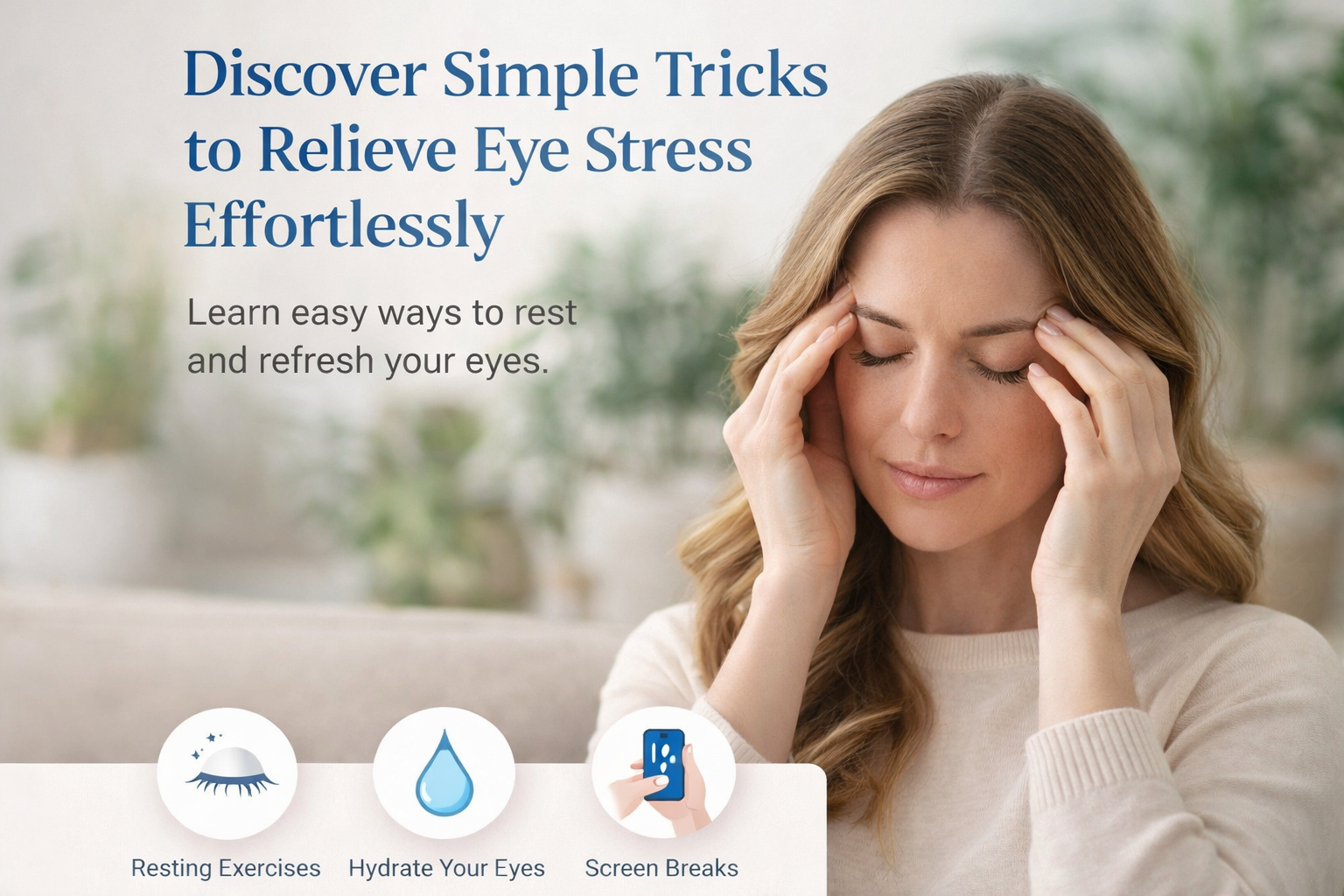

In today’s digital age, eye stress has become a prevalent issue, affecting millions worldwide. With the increasing reliance on screens for work, entertainment, and communication, many individuals experience discomfort that can lead to headaches and reduced productivity. Addressing eye stress is essential to maintaining both eye health and overall well-being.
Understanding Eye Stress and Its Symptoms
Eye stress, often referred to as digital eye strain or computer vision syndrome, occurs when the eyes become fatigued from intense use, particularly during prolonged screen time. Common symptoms include dryness, irritation, blurred vision, and headaches. These symptoms can significantly impact daily life, making it crucial to implement strategies that alleviate the strain.
Fortunately, there are several effective methods to relieve eye stress. These include simple exercises, regular breaks, and adjustments to your environment. By incorporating these practices into your routine, you can reduce the discomfort associated with eye stress and enhance your overall quality of life.
The Importance of Addressing Eye Stress
Managing eye stress is not just about immediate relief; it also offers long-term benefits. Addressing eye stress can lead to improved eye health, reduced fatigue, and enhanced productivity. By taking proactive steps to care for your eyes, you can prevent the escalation of symptoms and maintain a higher level of comfort and efficiency in your daily activities.
Incorporating eye-friendly habits into your lifestyle can make a significant difference. Whether it’s through specific exercises, adjusting your screen settings, or taking regular breaks, these small changes can have a big impact. As you explore these strategies, you’ll find that managing eye stress is both achievable and beneficial for your overall well-being.
Effective Eye Exercises to Alleviate Stress
Engaging in specific eye exercises can significantly alleviate eye stress by promoting relaxation and flexibility. One of the simplest yet effective exercises is palming. To perform this, sit comfortably and cover your eyes with your palms without applying pressure. This technique helps relax the eye muscles and provides a soothing effect, reducing strain.
Another beneficial exercise involves eye rolling and focus changing. Start by rolling your eyes in a circular motion, which enhances muscle flexibility. Follow this by focusing on an object close to you, then shifting your gaze to something farther away. This exercise helps improve eye flexibility and reduces fatigue.
For a more engaging activity, try figure eights and clock tracing. Imagine a large figure eight or a clock in front of you. Slowly trace these shapes with your eyes. This exercise not only enhances coordination but also promotes relaxation and reduces tension.
The Science Behind the 20-20-20 Rule
The 20-20-20 rule is a simple yet powerful method to combat digital eye strain. The idea is to take a break every 20 minutes by looking at something 20 feet away for at least 20 seconds. This practice allows your eyes to rest and refocus, reducing the continuous stress caused by prolonged screen time.
Scientific studies support this rule, highlighting its effectiveness in reducing eye fatigue and preventing potential vision problems associated with constant screen exposure. By incorporating the 20-20-20 rule into your daily routine, you can maintain better eye health and comfort.
Importance of Blinking and Moisturizing
Frequent blinking is essential for maintaining eye moisture and preventing dryness. However, when focusing on digital screens, the blink rate often decreases, leading to irritation. Make a conscious effort to blink more often, or even try yawning, which naturally increases the blink rate and helps refresh the eye surface.
Additionally, using lubricating eye drops can combat dryness and irritation. These drops provide much-needed moisture, especially in environments with low humidity or during extended screen use. Consider keeping a bottle at your workspace for easy access.
Warm Compresses and Palming Techniques
Applying warm compresses can significantly enhance blood circulation and relax tense eye muscles. To do this, soak a clean cloth in warm water, wring out the excess, and place it over your closed eyes for a few minutes. This simple technique can provide immediate relief from eye stress.
Combining warm compresses with palming can further enhance relaxation. After using a warm compress, perform the palming exercise to maximize the soothing effects. These techniques are easy to do at home and can become part of your daily routine for maintaining eye comfort.
Environmental and Ergonomic Adjustments
Making adjustments to your environment and ergonomics can significantly reduce eye stress. One of the first steps is to optimize your screen settings. Ensure that the brightness and contrast are set to comfortable levels, typically matching the ambient lighting around you. Position your screen so that it is about 20 to 28 inches away from your eyes, with the top of the screen slightly below eye level. This setup minimizes strain and encourages a natural posture.
In addition to screen settings, consider your workspace setup. A well-arranged workspace can make a substantial difference in comfort. Ensure that your chair and desk height allow you to sit with your feet flat on the floor, and your knees at a right angle. This posture supports your back and neck, reducing the likelihood of tension that can contribute to eye stress.
Lighting plays a crucial role in managing eye stress. Avoid harsh overhead lighting and instead opt for ambient lighting that reduces glare on your screen. Position your computer monitor to avoid reflections from windows or other light sources, which can cause unnecessary strain.
General Stress Relief for Eye Health
Incorporating general stress relief techniques into your routine can complement eye-specific strategies. Practices such as deep breathing and meditation not only reduce overall stress but also contribute to eye comfort. These techniques promote relaxation and can be particularly beneficial when practiced during breaks from screen time.
Another important factor is ensuring you get quality sleep. Adequate rest is essential for maintaining optimal eye health and reducing fatigue. Aim for 7-9 hours of sleep per night to allow your eyes and body to recover fully. Additionally, maintaining a balanced diet rich in nutrients like omega-3 fatty acids, vitamins A, C, and E, and zinc can support eye health and reduce stress.
Turn information into action
Take the Cenario quiz and translate evidence into a plan.
Frequently Asked Questions
What causes eye stress?
Eye stress is commonly caused by prolonged screen time, inadequate lighting, and insufficient breaks. These factors can lead to symptoms such as dryness, irritation, and blurred vision, collectively known as digital eye strain.
How often should I perform eye exercises?
For best results, perform eye exercises daily or several times a week. Regular practice helps maintain eye flexibility and reduces fatigue, contributing to overall eye health.
Are there specific products that can help relieve eye stress?
Yes, several products can help relieve eye stress, including lubricating eye drops, blue light filters for screens, and ergonomic accessories like adjustable monitor stands and chairs designed for optimal posture.
When should I seek professional help for eye stress?
If symptoms of eye stress persist despite implementing self-care measures, it is advisable to consult an eye care professional. Persistent discomfort may indicate underlying issues that require professional evaluation and treatment.