
Stress is one of the most common health challenges people face today. Busy schedules, constant connectivity, and high expectations can leave the body and mind on edge. Many people look for simple, natural ways to manage daily tension. One accessible option is stress relief tea. A cup of the right tea can be part of a practical routine to calm the mind and support recovery after a stressful day.
Understanding stress and the role of tea
Stress triggers a mix of physical and emotional responses. Short-term stress helps us respond to danger, but when stress is frequent it can affect sleep, focus, and overall well-being. Tea offers a low-risk, ritual-friendly approach that combines mild bioactive compounds with calming sensory cues. Rather than promising instant cures, stress relief tea can reduce feelings of tension, support recovery after stressful events, and complement other self-care practices like sleep hygiene, movement, and mindful breathing.
How tea may help both body and mind
Different teas contain different compounds that influence alertness and relaxation. Amino acids, polyphenols, and low doses of caffeine interact with brain chemistry and with stress hormones. The aroma, warmth, and ritual of brewing also trigger psychological benefits. Together these effects create a multi-layered response: immediate comfort from the ritual and longer-term resilience from repeated, consistent use of stress-relieving teas.
What this guide covers
This post series will walk you through the best teas for stress relief and relaxation, why they work, and how to choose and prepare them. You will learn which tea types tend to help with recovery after stress, which are better for calm alertness, and which work mainly through aroma and ritual. Later sections will examine matcha, black tea, shaded green teas, and herbal options in more detail and offer practical brewing tips to get the most benefit.
Who this is for
Whether you want a tea for daily stress management, a beverage to improve focus under pressure, or a caffeine-free option for evening relaxation, this guide will help. Expect clear advice on selecting stress-relieving teas, plain-language explanations of relevant compounds, and simple next steps you can try today.
Ready to explore specific recommendations and brewing methods? In the next section we dive into the science behind popular stress-relieving teas. If you want to browse products or see curated selections, check product categories or take our short tea quiz to find a match for your needs.
The science behind stress relief tea
Research shows different teas work in different ways. Some support faster physiological recovery after stress. Others change brain chemistry to create calm alertness. Knowing these differences helps you choose a stress relief tea for the effect you want.
Black tea and stress recovery
Clinical trials found that regular black tea drinking can lower post-stress cortisol and improve subjective recovery after a stressful event. In plain terms, black tea may not make you feel instantly relaxed during a crisis, but it helps your body return to baseline faster afterward. That recovery effect is linked to polyphenols and other compounds that influence stress markers and platelet activation.
Matcha: calm alertness and cognitive support
Matcha is a concentrated form of shaded green tea with higher levels of L-theanine and EGCG. Studies suggest matcha can reduce anxiety scores and some physiological stress markers while supporting attention and memory under pressure. L-theanine promotes a state often described as calm alertness by influencing GABA, serotonin, and dopamine pathways. For people who need focus without jittery stimulation, matcha is a strong candidate among stress relief tea options.
Green tea composition and the CE/TA ratio
Not all green teas are equal for stress relief. The CE/TA ratio compares caffeine plus EGCG to L-theanine plus arginine. For stress-relieving effects, aim for a CE/TA ratio of 2 or less and an L-theanine concentration above about 40 mg per liter. Shaded teas such as matcha and gyokuro naturally meet these criteria. Many non-shaded green teas do not, unless brewed in ways that favor L-theanine extraction.
Choosing and brewing stress relief tea for best results
Small adjustments in selection and preparation change how a tea behaves in your body. Below are practical pointers to maximize benefit.
Choosing the right tea
- Look for shaded green teas (matcha, gyokuro) when you want L-theanine benefits.
- Pick black tea for stress recovery after demanding days.
- Choose decaf or low-caffeine blends for evening use or caffeine sensitivity.
- Check product descriptions for terms like shaded, ceremonial, or low-caffeine to identify suitable stress relief tea options.
Try browsing our product categories or take the tea quiz to find tailored suggestions.
Brewing techniques for maximum benefits
Temperature, time, and method influence the balance of caffeine and calming compounds.
- Matcha (powdered): sift 2–3 g into a bowl, add 60–80 ml water at about 70°C, whisk until frothy for 15–30 seconds. Consistent daily matcha (around 3 g) was used in trials showing anxiety reduction.
- Green tea (leaf): use lower temperatures (60–70°C) and shorter steeps for a delicate brew. If your green tea has a high CE/TA ratio, try cold brewing to favor L-theanine.
- Black tea: steep with near-boiling water (95–100°C) for 3–5 minutes. Trials demonstrating stress recovery used regular daily servings over several weeks, roughly four cups per day in study settings.
- Cold brew method: place leaf or bags in cold water in the fridge for 8–12 hours. Cold brewing reduces bitter extraction and can lower perceived caffeine while preserving L-theanine, making it a useful technique for stress relief tea preparations.
Practical timing and amounts
Consistency matters. For short-term changes in focus or calm, one cup before a stressful task can help through aroma and ritual. For measurable physiological effects, studies used daily matcha for weeks or regular black tea consumption over several weeks. If you need a gentle evening routine, choose decaffeinated blends or herbal options and use cold brew or lower temperature infusions.
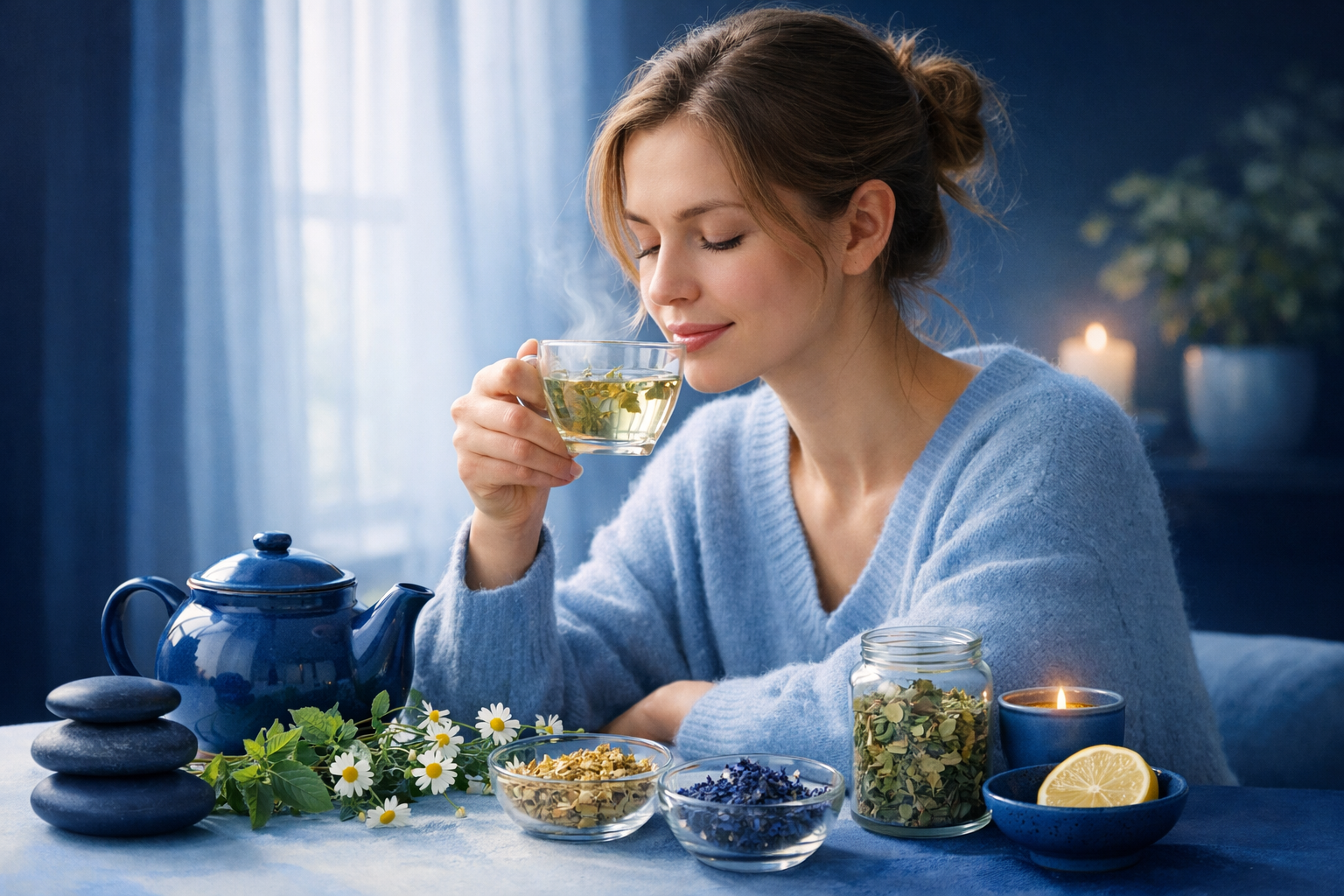
The role of ritual and aroma in stress relief
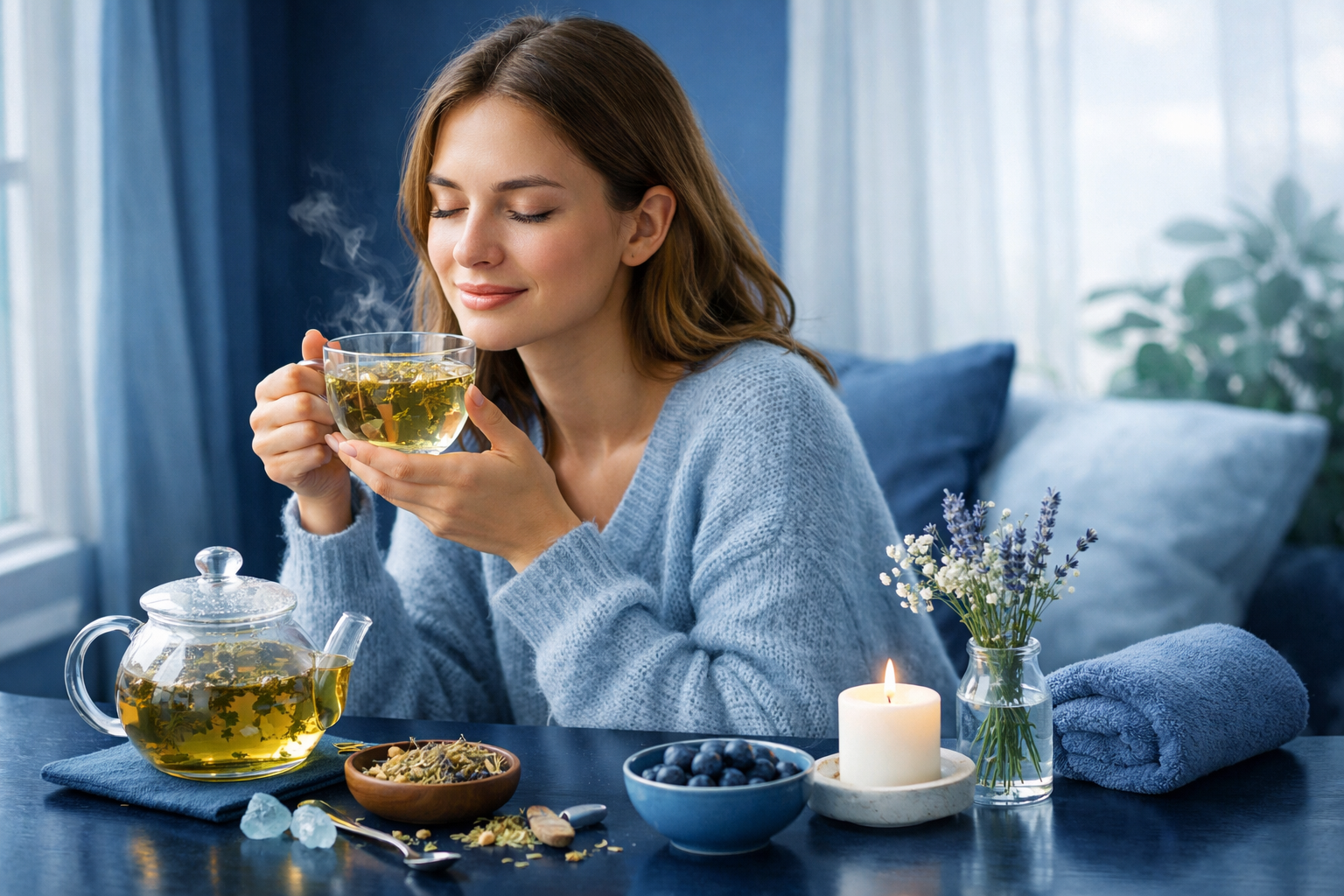
Beyond compounds and chemistry, the sensory side of tea matters a lot. The warmth, scent, and predictable steps of making tea trigger immediate feelings of calm. Aroma can change mood, increase alertness after a break, and make tasks feel more manageable. Those quick benefits are part of why many people turn to stress relief tea when they need a fast mental reset.
How ritual amplifies effect
Ritual slows the pace. Taking three to five minutes to heat water, measure leaves, and breathe while the tea steeps gives your nervous system time to downshift. That pause alone reduces tension and readies you for the next task. Pairing a simple breathing pattern with your tea ritual enhances the effect: inhale for four counts, hold one count, exhale for six counts while sipping mindfully.
Using aroma intentionally
- Choose fragrant varieties like jasmine, roasted green tea, or bergamot-infused blends for a stronger scent experience.
- Smell the dry leaves before brewing and the cup before you sip. That short sensory cue helps the brain link the tea with calm.
- Combine tea aroma with other calming cues, such as a favorite chair, soft lighting, or a short walking break.
Long-term Versus Acute Effects of Tea
Tea works on two timelines. Acute effects are immediate and come from ritual, aroma, and short-term shifts in brain chemistry. Long-term effects build over days to weeks through repeated intake of key compounds.
Acute, immediate benefits
When you want quick relief, reach for a cup and a short ritual. The calming feeling often comes from L-theanine paired with a small amount of caffeine, or simply the predictability of a break. Cold-brewed green teas and lightly scented herbal blends are good choices when you want an evening reset without heavy stimulation.
Long-term resilience
Regular consumption of certain teas can change stress biology over time. For example, trials using matcha often applied about 3 g daily for a couple of weeks to show measurable reductions in anxiety markers. Black tea studies used multiple cups per day across several weeks to show improved recovery after stressful events. Consistency, not a single cup, is what tends to produce these measurable changes.
Choosing for your goals
- Need focus with calm? Try shaded green teas like matcha for L-theanine driven calm alertness.
- Want better recovery after busy days? Regular black tea may aid post-stress recovery when consumed consistently.
- Need evening relaxation? Select caffeine-free herbal blends or decaffeinated options and use cold brew to minimize caffeine extraction.
Final thoughts and next steps
Tea is both a practical tool and a gentle habit. Use aroma and a simple ritual to get quick relief. Drink the types that match your goals if you want longer-term benefits. Start small: choose one tea and try a 2-week routine to notice changes in how you handle daily demands. Explore curated selections in our product categories or find a fit with our short tea quiz. If you enjoyed this series, consider subscribing for more practical guides on tea and wellbeing.
Still unsure what to take?
Answer a few questions and get a personalized supplement recommendation instantly. Take Cenario quiz now!
Frequently asked questions
What is the best tea for stress relief?
Matcha and black tea are among the best stress relief tea options because matcha offers L-theanine driven calm alertness and black tea has evidence for improving post-stress recovery when consumed regularly. Choose based on whether you want immediate focus or longer-term recovery.
How much stress relief tea should I drink daily?
Amounts vary by type. Studies showing effects used about 3 g of matcha daily for a few weeks and multiple cups of black tea per day over several weeks for recovery effects. Adjust for caffeine tolerance and aim for consistency rather than an occasional cup.
Can I drink stress relief tea in the evening without affecting sleep?
Yes. For evening use, pick caffeine-free herbal blends, decaffeinated green or black tea, or cold-brew preparations that extract less caffeine. These options let you enjoy stress relief tea without compromising sleep.
Frequently Asked Questions
What is the best tea for stress relief?
Matcha and black tea are among the best stress relief tea options because matcha offers L-theanine driven calm alertness and black tea has evidence for improving post-stress recovery when consumed regularly. Choose based on whether you want immediate focus or longer-term recovery.
How much stress relief tea should I drink daily?
Amounts vary by type. Studies showing effects used about 3 g of matcha daily for a few weeks and multiple cups of black tea per day over several weeks for recovery effects. Adjust for caffeine tolerance and aim for consistency rather than an occasional cup.
Can I drink stress relief tea in the evening without affecting sleep?
Yes. For evening use, pick caffeine-free herbal blends, decaffeinated green or black tea, or cold-brew preparations that extract less caffeine. These options let you enjoy stress relief tea without compromising sleep.