
Experiencing chest pain can be alarming, especially when it’s linked to stress and anxiety. It’s a common issue that many people face, yet it can cause significant distress. Understanding how to relieve chest pain from stress and anxiety is crucial for finding comfort and peace of mind. However, it’s essential to differentiate between anxiety-induced chest pain and more serious cardiac issues, as the latter requires immediate medical attention. This blog post will guide you through effective stress-relief techniques that truly work, offering both immediate and long-term solutions to ease discomfort.
Understanding the Connection Between Stress, Anxiety, and Chest Pain
Stress and anxiety can trigger the body’s fight-or-flight response, a natural mechanism that prepares us to face perceived threats. This response can lead to various physical symptoms, including chest pain. The sensation might mimic that of a heart attack, but it’s typically caused by muscle tension, rapid breathing, or an increased heart rate due to anxiety. Recognizing this connection is the first step in managing the symptoms effectively.
To alleviate chest pain caused by stress and anxiety, a multi-pronged approach is often necessary. Immediate strategies can provide quick relief, while long-term lifestyle changes help prevent recurrence. This comprehensive approach ensures that both the physical and emotional aspects of stress and anxiety are addressed, promoting overall well-being.
Immediate Symptom Management
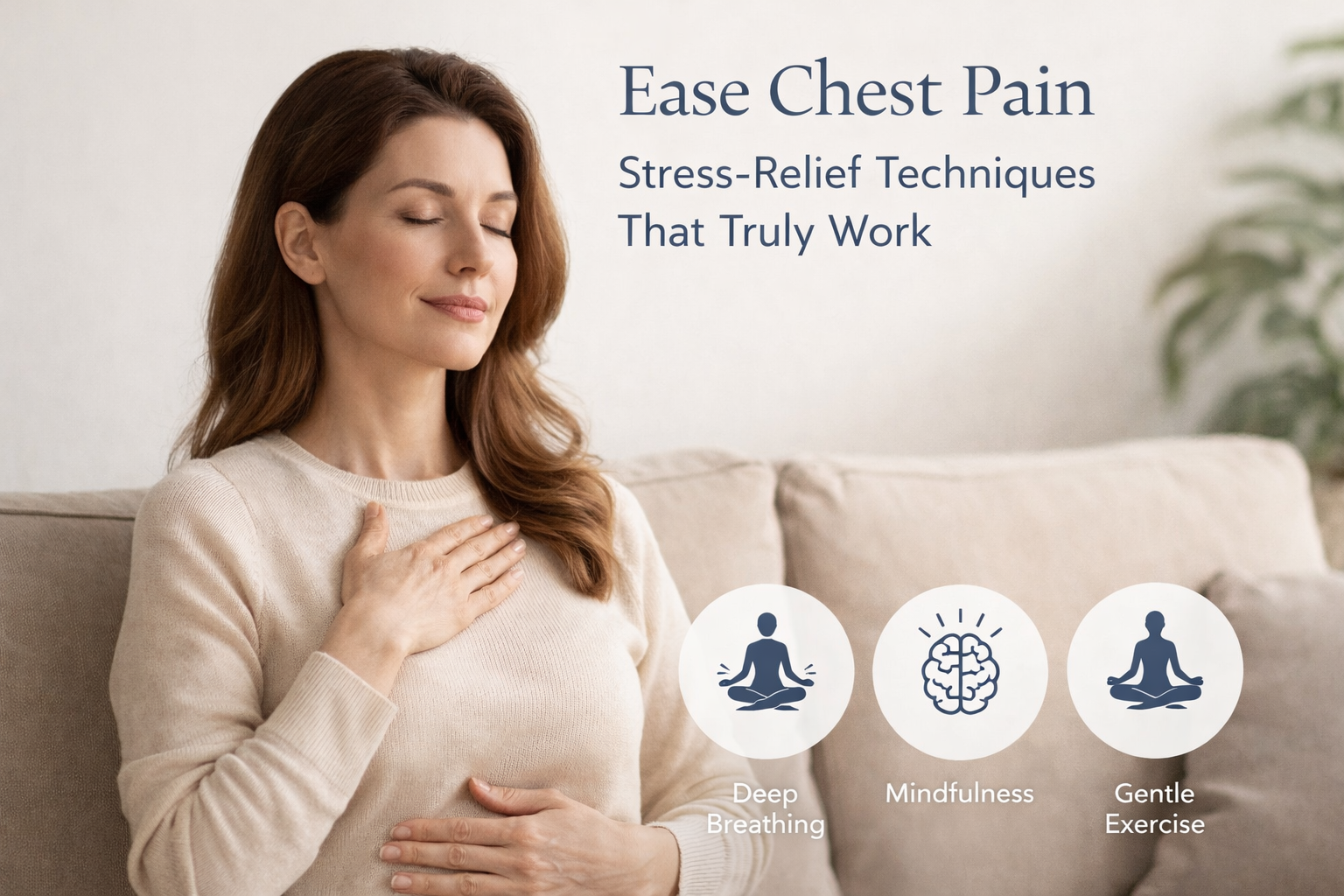
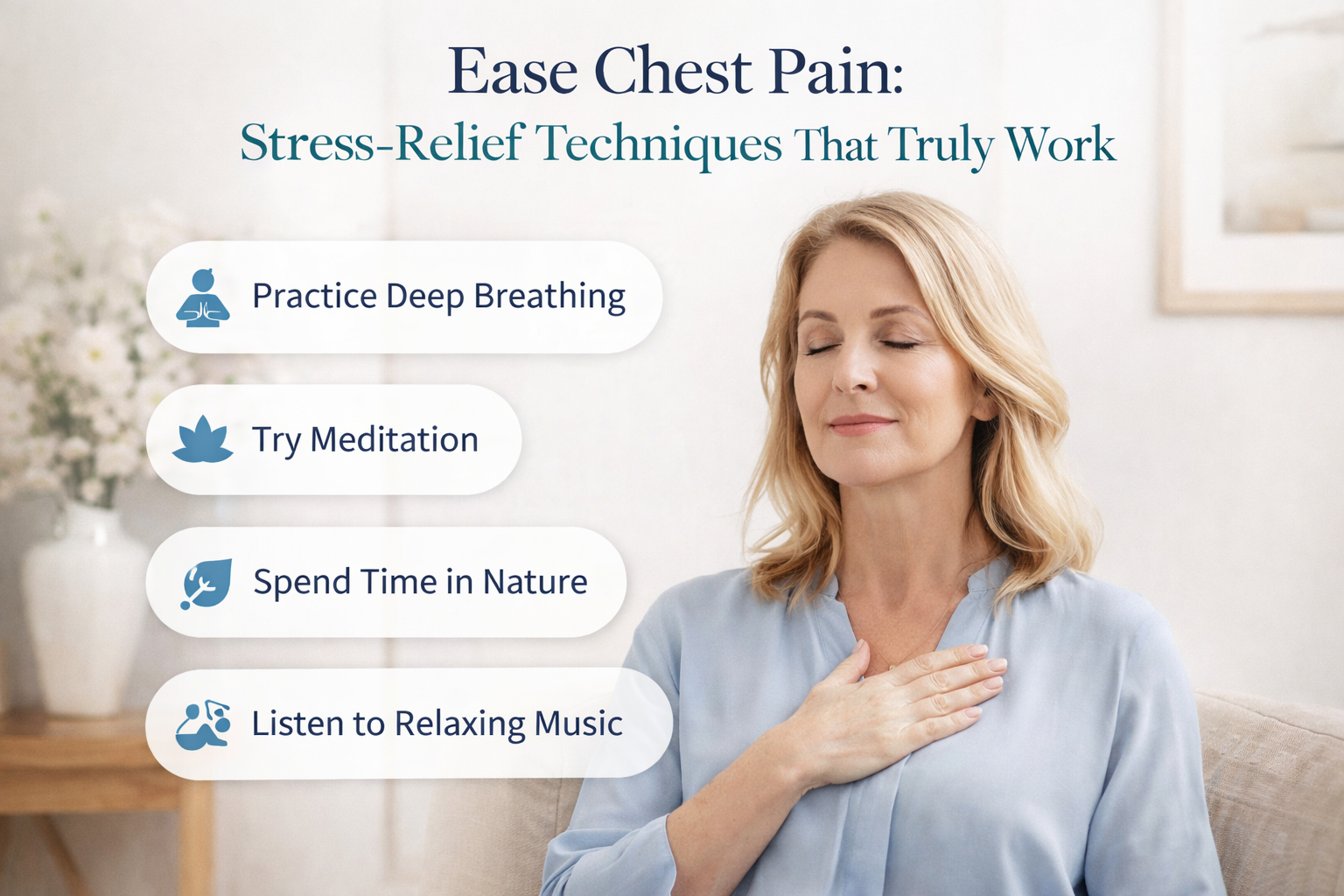
When chest pain strikes, employing quick relief techniques can be highly beneficial. Deep breathing exercises, for instance, are a simple yet effective way to calm the body’s stress response. By slowing down your breathing and focusing on each breath, you can help normalize your heart rate and reduce tension. Similarly, mindfulness and meditation practices can help center your thoughts and diminish anxiety, leading to reduced physical symptoms.
Guided relaxation techniques, such as guided imagery or progressive muscle relaxation, can also offer immediate relief. These methods encourage mental focus and physical relaxation, helping to ease the discomfort associated with anxiety-induced chest pain.
In the upcoming sections, we will delve deeper into these techniques and explore lifestyle modifications that support long-term relief. By understanding and implementing these strategies, you can take proactive steps towards managing stress and anxiety, ultimately reducing their impact on your chest health.
Get clarity on what your body actually needs
Take the Cenario quiz for evidence-based supplements guidance
Effective Techniques for Immediate Symptom Management
When you’re faced with chest pain from stress and anxiety, immediate relief can be a lifesaver. One of the most accessible techniques is deep breathing exercises. By focusing on slow, intentional breaths, you can help your body transition from the fight-or-flight response to a more relaxed state. This not only normalizes your heart rate but also reduces muscle tension, providing quick relief from discomfort.
Deep Breathing Exercises
To practice deep breathing, find a quiet place to sit or lie down. Close your eyes and take a slow, deep breath in through your nose, allowing your chest and lower belly to rise. Hold the breath for a moment, then exhale slowly through your mouth. Repeat this cycle several times, focusing solely on the rhythm of your breathing. This simple exercise can quickly alleviate anxiety-induced chest pain by calming your nervous system.
Mindfulness and Meditation
Mindfulness and meditation are powerful tools for reducing anxiety and its physical manifestations, including chest pain. By bringing your attention to the present moment, these practices help divert anxious thoughts and diminish physical tension. Start with a short, five-minute session where you focus on your breathing or listen to a guided meditation. Consistent practice can lead to a significant reduction in stress levels over time.
Guided Relaxation Techniques
Guided relaxation techniques, such as guided imagery and progressive muscle relaxation, offer another avenue for immediate symptom relief. Guided imagery involves visualizing a peaceful scene, such as a beach or forest, while focusing on the sensory details of the environment. Progressive muscle relaxation involves tensing and then slowly releasing each muscle group in your body, promoting overall relaxation. These techniques can quickly reduce anxiety-induced symptoms by shifting your focus and encouraging physical relaxation.
Lifestyle Modifications for Long-Term Relief
While immediate techniques are essential, long-term lifestyle modifications play a crucial role in preventing the recurrence of chest pain due to stress and anxiety. Incorporating regular physical movement into your routine, such as walking or yoga, can help relieve muscle tension and reduce stress hormones. Aim for at least 30 minutes of light exercise most days of the week to maintain both physical and mental health.
Healthy Habits
Developing healthy habits is key to managing anxiety and its physical symptoms. Prioritize sleep hygiene by establishing a regular sleep schedule and creating a restful environment. Balanced nutrition is also vital; focus on a diet rich in whole foods, and limit stimulants like caffeine and sugar, which can exacerbate anxiety. By making these lifestyle changes, you can build resilience against stress and reduce the frequency and intensity of anxiety-induced chest pain.
When to Seek Professional Intervention
Despite using these techniques, there may be times when professional intervention is necessary. If you experience persistent symptoms that do not improve with home remedies, consider reaching out to a healthcare professional. Therapy such as Cognitive Behavioral Therapy (CBT) can be highly effective in managing anxiety and its physical symptoms. In some cases, medication may also be recommended to help control severe anxiety.
It’s crucial to remember that chest pain should never be automatically attributed to anxiety, as it can also be a sign of serious conditions like a heart attack. If you experience new or severe chest pain, seek medical evaluation to rule out any cardiac issues. By erring on the side of caution, you ensure your health and safety while effectively managing stress and anxiety-induced symptoms.
Professional Intervention for Persistent Symptoms
While many find relief through self-care techniques, there are instances where professional intervention becomes necessary. If your chest pain persists despite implementing home remedies, it may be time to consult a healthcare professional. Cognitive Behavioral Therapy (CBT) is an effective treatment for anxiety, helping individuals reframe negative thought patterns and manage their physical symptoms. In more severe cases, medication might be considered to help control anxiety levels.
It’s important to remember that chest pain should not be automatically attributed to stress and anxiety. Such symptoms can also indicate serious conditions like a heart attack. If you experience new or severe chest pain, it’s crucial to seek medical evaluation to rule out any cardiac issues. By prioritizing a professional assessment, you ensure your health and safety while managing stress and anxiety-induced symptoms effectively.
Medical Caution and Considerations
Chest pain, regardless of its cause, warrants careful attention. While anxiety-induced chest pain is common, it should not be assumed without proper evaluation. Always err on the side of caution and seek medical advice if you are uncertain about the cause of your discomfort. This approach not only safeguards your health but also provides peace of mind, knowing that any serious conditions have been ruled out.
In addition to professional consultation, maintaining open communication with your healthcare provider about your symptoms and their frequency can be beneficial. This ongoing dialogue allows for adjustments in treatment plans and ensures that you receive the most appropriate care for your situation.
Build a plan that fits your biology
Start the Cenario quiz and use the results with your clinician.
Frequently Asked Questions
How can I tell if my chest pain is from anxiety or a heart issue?
Distinguishing between anxiety-induced chest pain and a heart issue can be challenging. Anxiety-related pain often accompanies symptoms like rapid breathing, dizziness, and a sense of panic, while heart-related pain may involve pressure, squeezing, or a burning sensation. If you’re unsure, it’s essential to seek medical evaluation to rule out serious cardiac conditions.
What are some quick ways to alleviate anxiety-induced chest pain?
To quickly relieve chest pain from stress and anxiety, try deep breathing exercises, mindfulness, or guided relaxation techniques. These methods help calm the body’s stress response and reduce physical tension, providing immediate relief.
Can lifestyle changes really make a difference in managing chest pain from anxiety?
Yes, lifestyle changes can significantly impact managing chest pain from anxiety. Regular physical activity, healthy eating, and good sleep hygiene can reduce stress levels and improve overall well-being, decreasing the frequency and intensity of anxiety-induced symptoms.
When should I seek medical help for chest pain?
Seek medical help for chest pain if it is new, severe, or accompanied by symptoms like shortness of breath, dizziness, or nausea. It’s crucial to err on the side of caution and consult a healthcare professional to rule out any serious conditions.