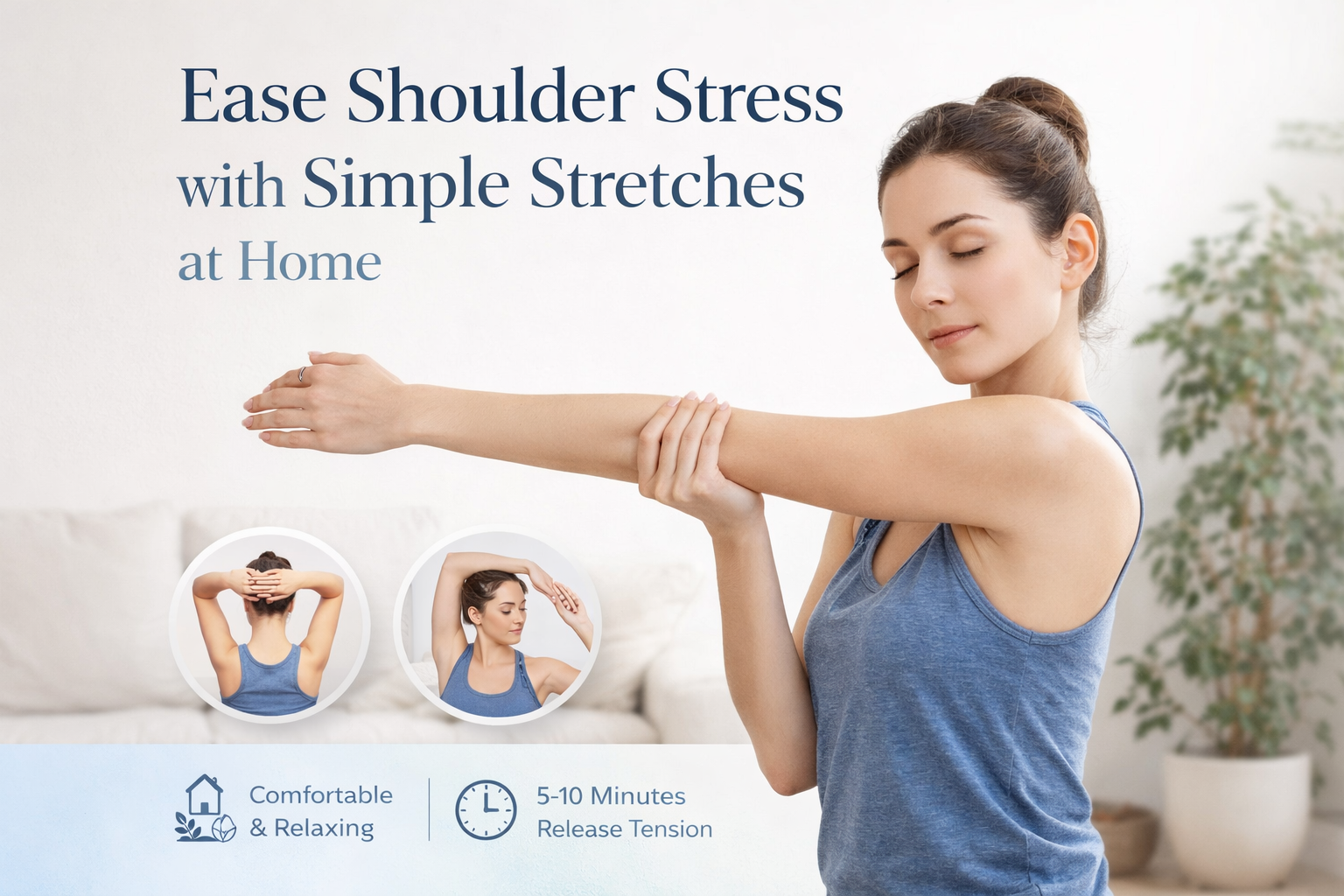

In today’s fast-paced and sedentary world, shoulder stress has become a common ailment affecting many individuals. With modern work environments often requiring prolonged sitting and poor posture, it’s no wonder that shoulder stress is prevalent. This discomfort is not only a result of physical habits but also stems from mental stress, which can exacerbate tension in the shoulders. Addressing shoulder stress is crucial not only for immediate relief but also for long-term health and mobility, ensuring that everyday activities remain pain-free and enjoyable.
Understanding Shoulder Stress
Shoulder stress manifests as tension and discomfort that can limit mobility and affect daily life. It is often caused by a combination of factors, including poor posture, extended periods of sitting, and stress. These factors are particularly common in office settings, where individuals may spend hours hunched over computers, leading to stiffness and pain. Furthermore, the repetitive movements or lack of movement can contribute to the buildup of stress in the shoulder region
Simple Stretches for Relief
An effective way to relieve shoulder stress is through simple stretches that can be performed at home. These stretches are designed to target the muscles and joints in the shoulder area, promoting relaxation and flexibility. By incorporating these stretches into your daily routine, you can alleviate existing tension and prevent future discomfort. The upcoming sections will explore various stretches, their benefits, and how they can be easily integrated into your lifestyle.
As we delve into the practical solutions for shoulder stress, you’ll discover a range of stretches tailored to address different aspects of shoulder tension. From shoulder rolls and raises to yoga-inspired moves, these exercises are not only easy to perform but also highly effective in providing relief. By understanding the causes and implementing preventive strategies, you can maintain shoulder health and enhance your overall well-being.
Stay tuned as we explore these stretches in detail, offering step-by-step guidance and tips for incorporating them into your daily routine. Whether you’re looking for immediate relief or long-term prevention, these stretches will equip you with the tools needed to combat shoulder stress effectively.
Common Stretches and Movements
Shoulder Rolls and Raises
Shoulder rolls and raises are fundamental exercises designed to release tension and improve shoulder mobility. These movements work by gently mobilizing the shoulder joints and increasing blood flow to the area, which helps in reducing stiffness and discomfort.
- Shoulder Rolls: Stand or sit comfortably. Slowly roll your shoulders forward in a circular motion, then reverse the direction. Perform 10 rolls in each direction.
- Shoulder Raises: Lift your shoulders towards your ears and hold for a few seconds before releasing. Repeat this movement 10 times.
Cross-Arm and Cross-Body Stretches
These stretches are effective in targeting the rear deltoids and upper back stiffness, areas often affected by prolonged sitting and poor posture.
- Cross-Arm Stretch: Extend one arm across your body and use the opposite hand to gently press the arm towards your chest. Hold for 15-30 seconds and switch sides.
- Cross-Body Stretch: While standing, place one arm across your body and pull it closer with the opposite hand, keeping your shoulders relaxed. Hold for 15-30 seconds on each side.
Pendulum and Table/Doorway Stretches
These stretches promote gentle joint mobilization and enhance the range of motion, making them ideal for those with limited shoulder flexibility.
- Pendulum Stretch: Lean forward with one hand supported on a table or chair. Let the other arm hang down and swing it gently in small circles. Perform this for 1-2 minutes, then switch arms.
- Table/Doorway Stretch: Stand facing a table or doorway, place your hands on the surface, and lean forward to stretch your shoulders. Hold for 15-30 seconds, keeping your back straight.
Yoga-Inspired Moves
Incorporating yoga-inspired moves like cat-cow, thread-the-needle, and eagle arms can provide comprehensive stress reduction and improve overall shoulder flexibility.
- Cat-Cow Pose: On all fours, alternate between arching your back (cat) and dipping it (cow) to stretch the spine and shoulders. Repeat 10 times.
- Thread-the-Needle: From all fours, slide one arm under the opposite arm, resting your shoulder and head on the floor. Hold for 15-30 seconds and switch sides.
- Eagle Arms: Wrap one arm under the other and raise your elbows to shoulder height. Hold for 15-30 seconds, then switch arms.
Causes and Prevention
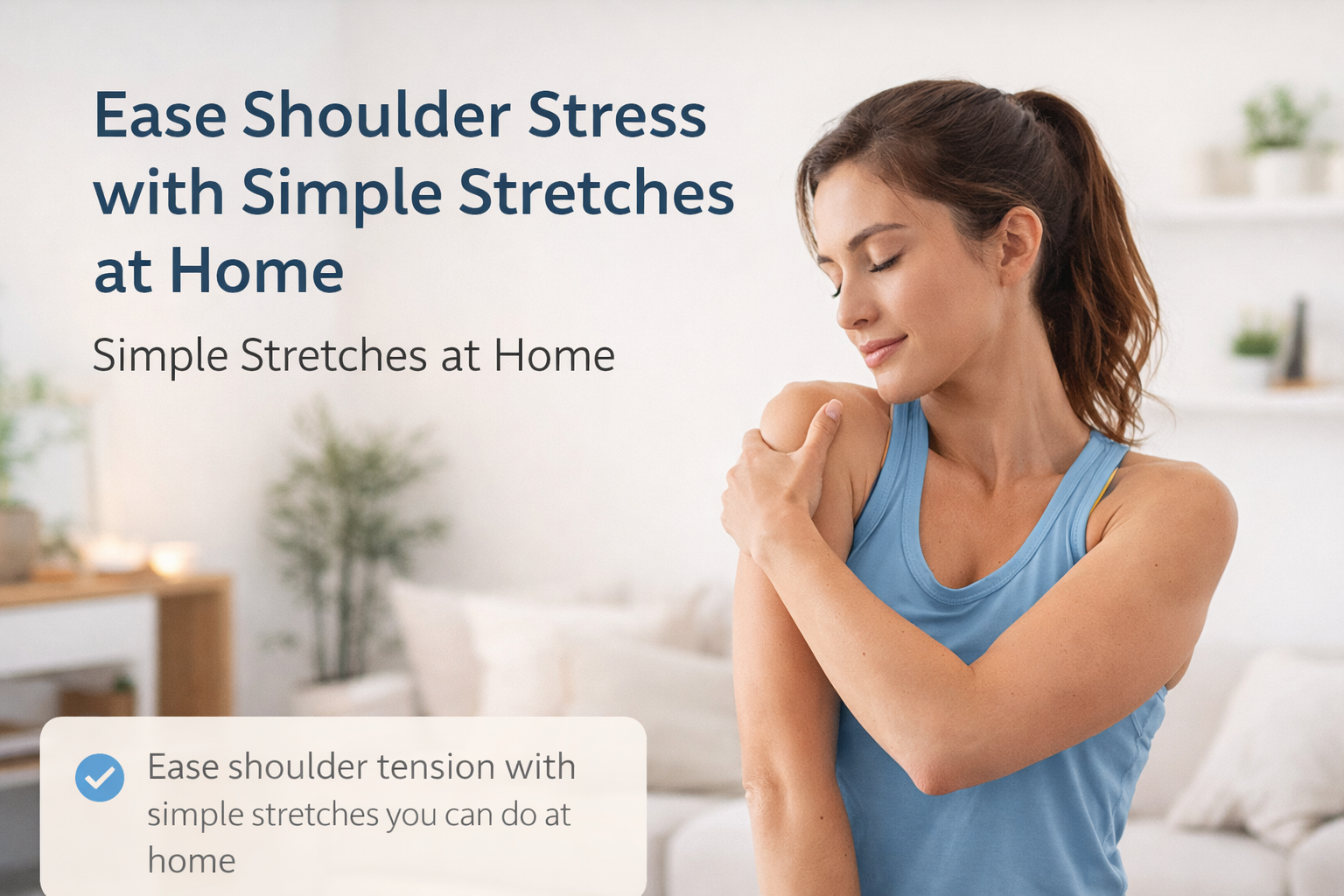
Understanding the underlying causes of shoulder stress is essential for effective prevention. Common culprits include poor posture, prolonged sitting, and repetitive movements, all of which are prevalent in modern lifestyles.
To prevent shoulder stress, maintain correct posture by keeping your shoulders back and down while sitting or standing. Incorporating regular stretching into your daily routine can help alleviate tension and prevent future discomfort. Additionally, consider adding targeted strength and mobility exercises to support shoulder health.
By addressing these causes and implementing preventive strategies, you can significantly reduce the risk of shoulder stress and enhance your overall well-being. Remember, maintaining an active lifestyle and practicing good ergonomics are key components in managing shoulder health.
Safety Guidance for Stretching
When performing stretches to relieve shoulder stress, safety should always be a priority. It’s important to stretch only to the point of mild tension, not pain. If you experience sharp pain, stop the exercise immediately and consult a healthcare provider, especially if the pain persists or is severe. Always listen to your body and adjust the intensity of the stretches to suit your comfort level.
Lifestyle and Ergonomics
In addition to stretching, making ergonomic adjustments in your workspace and home can significantly reduce shoulder stress. Simple changes like adjusting the height of your desk and ensuring your chair provides adequate support can promote better posture. Consider positioning your computer monitor at eye level to avoid hunching forward, which can contribute to shoulder tension. These adjustments, combined with regular stretching, can create a more comfortable and conducive environment for both work and relaxation.
From research to real-world guidance
Use the Cenario quiz to see what applies to you.
Frequently Asked Questions
What are the signs of shoulder stress?
Common signs of shoulder stress include stiffness, discomfort, and a reduced range of motion. You might also experience a dull ache or tightness in the shoulder area, especially after long periods of sitting or engaging in repetitive activities.
How often should I perform these stretches?
Performing these stretches daily can be beneficial, but the frequency may vary based on individual comfort and lifestyle. Incorporating them into your routine as needed can help maintain shoulder flexibility and reduce stress.
Can these stretches help with chronic shoulder pain?
These stretches are designed to relieve shoulder stress and can aid in alleviating discomfort. However, if you have chronic shoulder pain, it’s important to consult a healthcare professional for a comprehensive evaluation and tailored treatment plan.
Are there any risks associated with these stretches?
While these stretches are generally safe, improper technique or overexertion can lead to injury. It’s crucial to use proper form and listen to your body to minimize risks. If unsure, seek guidance from a fitness or healthcare professional.
Should I warm up before stretching?
Yes, it’s recommended to perform light warm-up exercises before stretching. This helps prepare your muscles and joints, enhancing the effectiveness and safety of the stretches. Simple movements like arm circles or gentle jogging in place can suffice as a warm-up.
.