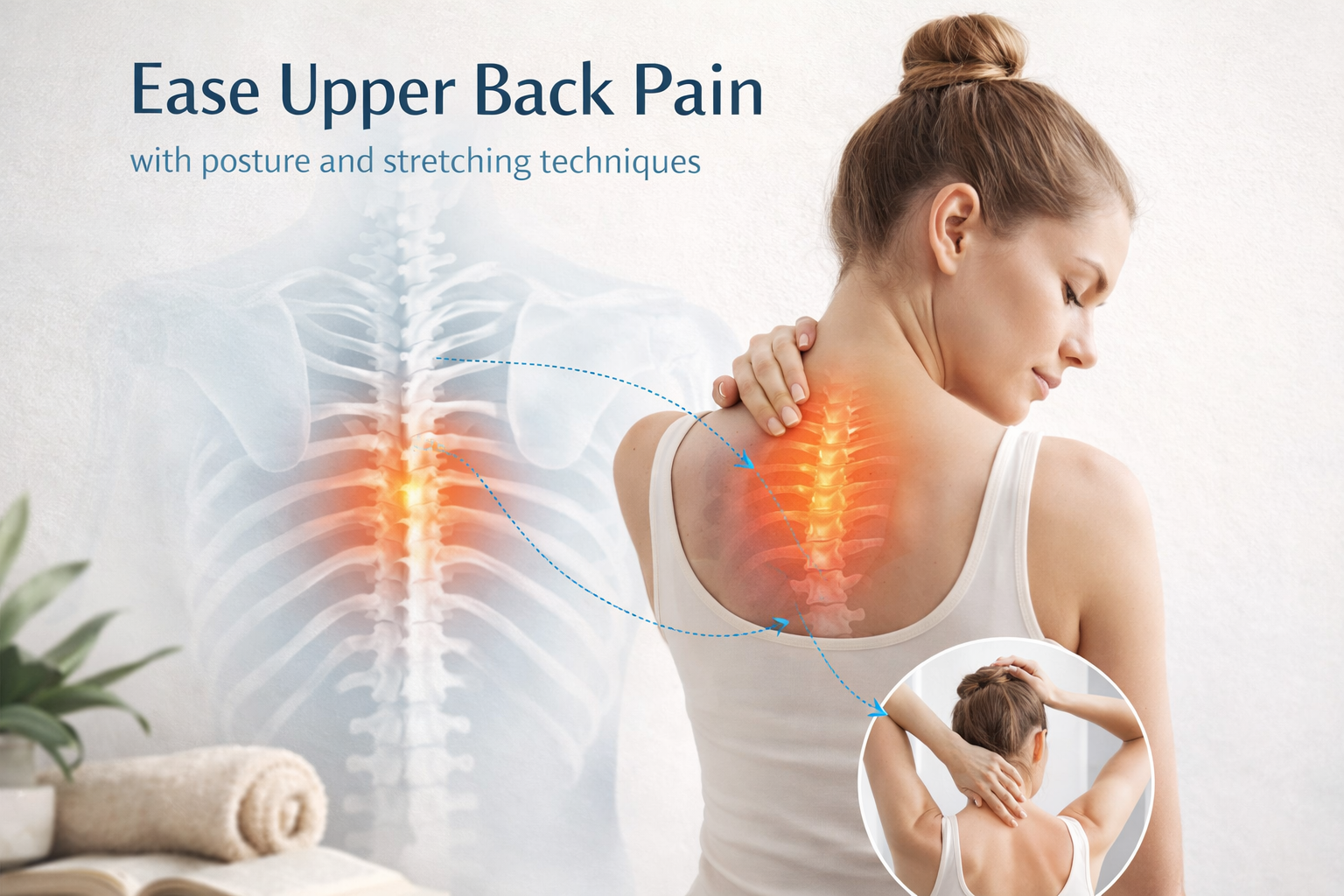

Upper back pain is a common issue that many people face, often linked to the stress of modern life. Stress can lead to muscle tension, particularly in the upper back, causing discomfort and pain. This connection between stress and upper back pain is becoming increasingly prevalent as our lifestyles become more hectic and demanding. Understanding how to relieve upper back pain from stress is crucial for maintaining overall well-being and comfort.
Understanding the Link Between Stress and Upper Back Pain
Stress triggers a physiological response in the body, leading to muscle tension and tightness. The upper back is particularly susceptible to this tension, as stress often causes individuals to hunch their shoulders and adopt poor posture. This can lead to chronic pain and discomfort if not addressed. As stress levels rise, so does the incidence of stress-related upper back pain, making it essential to find effective relief methods.
The Prevalence of Stress-Related Back Pain
In today’s fast-paced world, stress-related back pain has become increasingly common. Many individuals experience upper back pain due to prolonged periods of sitting, poor posture, and the mental strain of daily life. This pain can significantly impact one’s quality of life, making it vital to address both the physical and psychological aspects of the issue.
The Importance of a Holistic Approach
Addressing upper back pain requires a comprehensive approach that considers both physical and mental factors. A holistic strategy combines physical relief methods, such as exercise and stretching, with stress reduction techniques like mindfulness and meditation. By tackling both aspects, individuals can achieve long-term relief and improve their overall quality of life.
A well-rounded approach to managing upper back pain not only alleviates discomfort but also promotes overall health and well-being. By integrating physical interventions with stress management techniques, individuals can effectively reduce pain and enhance their daily lives.
Physical Interventions for Upper Back Pain Relief
Exercise and Stretching
Regular exercise plays a crucial role in alleviating muscle tension caused by stress. Engaging in specific exercises can effectively target the upper back, promoting flexibility and reducing discomfort. The cat-cow stretch, for instance, helps to mobilize the spine and release tension in the back muscles. Shoulder rolls are another simple yet effective exercise that can enhance mobility and relieve stiffness.
Incorporating yoga poses such as the child’s pose and downward-facing dog into your routine can also be beneficial. These poses not only stretch the upper back but also promote relaxation and stress relief. Consistency is key; maintaining a regular exercise routine ensures optimal results in managing upper back pain.
Heat Therapy and Massage
Heat therapy is an excellent method for increasing blood flow and reducing stiffness in the upper back. Applying a heating pad or taking a warm bath for 15-20 minutes can significantly alleviate muscle tension. This increased circulation helps to relax tight muscles and provides immediate relief from pain.
Massage therapy is another effective tool for releasing muscle tension. Regular massages can promote relaxation, improve circulation, and reduce stress-related pain. Consider incorporating massage into your routine as a complementary approach to other physical interventions.
Stress Management Techniques
Mindfulness and Meditation
Mindfulness practices are essential for managing stress, which is a significant contributor to upper back pain. Techniques such as body scan meditation and guided imagery can help calm the mind and reduce tension. Regular meditation practice not only aids in stress reduction but also enhances overall mental well-being.
By dedicating a few minutes each day to mindfulness exercises, individuals can cultivate a more relaxed state of mind, which in turn alleviates stress-related physical symptoms.
Deep Breathing Exercises
Deep breathing exercises are powerful tools for stress reduction. Diaphragmatic breathing, for example, involves deep, slow breaths that engage the diaphragm, promoting relaxation and reducing tension. Box breathing is another effective technique that involves inhaling, holding the breath, exhaling, and pausing in a structured pattern.
To practice diaphragmatic breathing, sit comfortably, place one hand on your chest and the other on your abdomen. Inhale deeply through your nose, allowing your abdomen to rise, then exhale slowly through your mouth. Repeat this process for several minutes to experience a calming effect.
Lifestyle Adjustments for Pain and Stress Management
Supportive Routines
Adopting supportive routines is essential for managing both pain and stress. Ensuring adequate sleep, maintaining a balanced diet, and staying hydrated are foundational elements of overall health. These habits not only support physical well-being but also contribute to stress reduction.
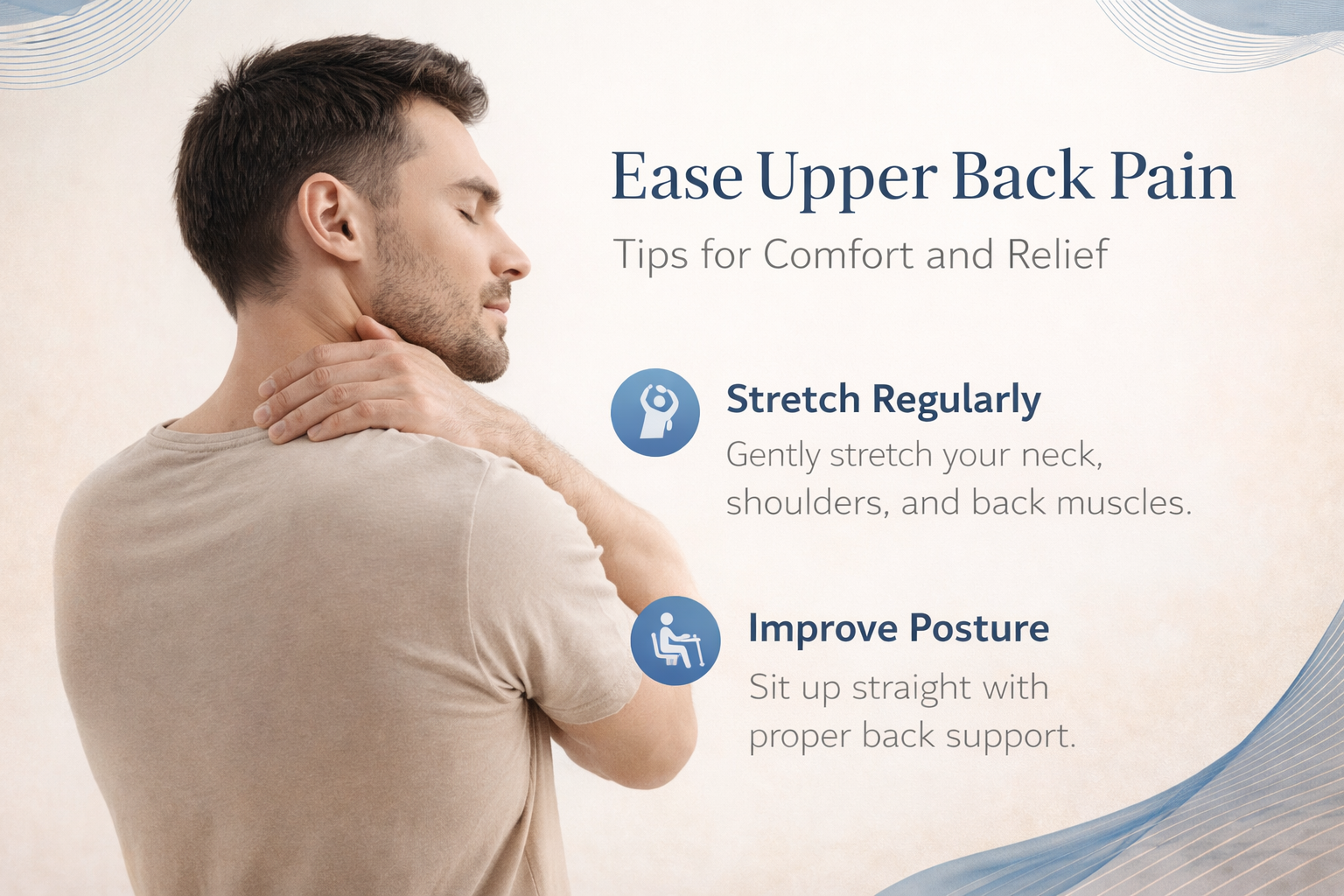
Ergonomic adjustments at workstations are equally important. Ensuring proper chair support and maintaining good posture can prevent strain on the upper back. Simple changes, such as adjusting the height of your chair or monitor, can make a significant difference in reducing discomfort.
Medical and Alternative Therapies
In some cases, over-the-counter medications may provide immediate relief from upper back pain. However, for long-term management, exploring alternative therapy like acupuncture and chiropractic care can be beneficial. These therapies offer a holistic approach, addressing both physical and psychological stressors.
Chiropractic care, in particular, can help realign the spine and reduce tension, while acupuncture may alleviate pain by promoting energy flow within the body. Combining these therapies with lifestyle adjustments and stress management techniques can lead to comprehensive pain relief.
Lifestyle Adjustments for Pain and Stress Management
Supportive Routines
Implementing supportive routines is crucial in managing upper back pain from stress. Prioritizing sleep, nutrition, and hydration can significantly impact your overall health and reduce stress-induced discomfort. A balanced diet rich in essential nutrients supports muscle function and recovery, while staying hydrated ensures optimal body function.
Ergonomic adjustments at your workstation are equally vital. Proper chair support and desk height can prevent strain on the upper back. Simple measures, such as ensuring your monitor is at eye level and your feet are flat on the floor, promote good posture and alleviate tension.
Medical and Alternative Therapies
While over-the-counter medications can offer immediate relief for upper back pain, exploring alternative therapies provides a more comprehensive approach. Chiropractic care, for instance, can help realign the spine and reduce tension, addressing both physical and psychological stressors. Acupuncture is another alternative therapy that promotes energy flow within the body, potentially alleviating pain.
These therapies, when combined with lifestyle adjustments and stress management techniques, can lead to significant improvements in managing upper back pain from stress. Consulting with healthcare professionals can help tailor these approaches to your specific needs, ensuring effective and personalized care.
Get clarity on what your body actually needs
Take the Cenario quiz for evidence-based supplements guidance.
Frequently Asked Questions
What are the best exercises for relieving upper back pain?
Effective exercises for relieving upper back pain include the cat-cow stretch, shoulder rolls, and yoga poses like the child’s pose and downward-facing dog. Consistency in performing these exercises is key to achieving the best results.
How does stress contribute to upper back pain?
Stress triggers the body’s physiological response, leading to muscle tension and tightness, particularly in the upper back. This tension is often exacerbated by poor posture and prolonged periods of sitting, contributing to chronic pain.
Can lifestyle changes really make a difference in managing pain?
Yes, lifestyle changes such as maintaining a balanced diet, ensuring adequate sleep, staying hydrated, and making ergonomic adjustments can significantly impact pain management and overall well-being.
When should I seek professional help for upper back pain?
If upper back pain persists despite home remedies or is accompanied by other symptoms such as numbness, weakness, or severe discomfort, it is advisable to seek professional medical advice for appropriate diagnosis and treatment.