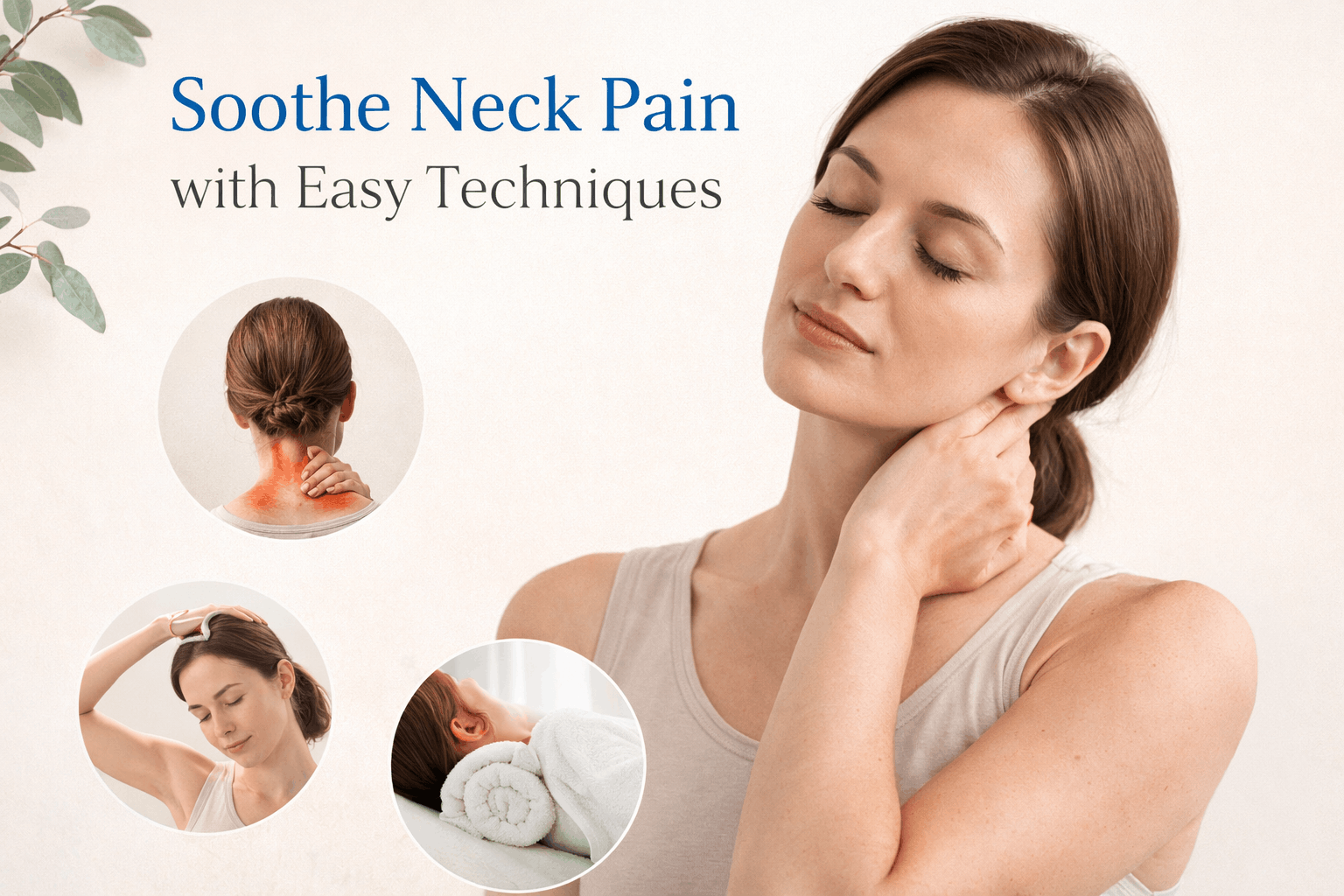

In today’s fast-paced world, neck pain caused by stress has become a common issue that many people face. The pressures of modern life, from demanding work schedules to constant connectivity, can manifest physically, often resulting in tension and discomfort in the neck and shoulders. Understanding how to relieve neck pain from stress is crucial for maintaining overall well-being and quality of life.
Understanding the Connection Between Stress and Neck Pain
Stress triggers the body’s fight-or-flight response, a natural reaction that prepares us to face perceived threats. This response involves the release of stress hormones like cortisol and adrenaline, which increase heart rate and blood pressure. While this can be beneficial in short bursts, chronic stress keeps the body in a heightened state of alertness. One of the physiological effects of this prolonged stress is muscle tension, particularly in the neck and shoulders. This tension can lead to persistent pain, stiffness, and even headaches, making it essential to address both the physical and emotional aspects of stress.
The Importance of a Holistic Approach
To effectively manage and prevent stress-induced neck pain, it’s important to adopt a holistic approach that considers both physical and mental health. Physical strategies like neck stretches and mobility exercises can help alleviate muscle tension, while mental and emotional techniques such as meditation and mindfulness can reduce stress levels. By addressing both the mind and body, individuals can achieve more comprehensive relief from neck pain and improve their overall health.
In the following sections, we will explore various techniques and strategies to soothe neck pain caused by stress. From practical exercises to mental health practices, these methods are designed to provide immediate relief and long-term benefits. Stay tuned to discover how you can integrate these easy techniques into your daily routine to find stress relief and enhance your well-being.
Physical and Therapeutic Strategies for Neck Pain Relief
Effective Neck Stretches and Mobility Exercises
Incorporating specific neck stretches and mobility exercises into your routine can significantly alleviate tension. Consider the following exercises:
- Neck Tilts: Sit or stand comfortably. Slowly tilt your head towards your shoulder, holding the position for 15-20 seconds. Repeat on the other side.
- Neck Rotations: Gently rotate your head in a circular motion, first clockwise and then counterclockwise. Perform this for 30 seconds in each direction.
Regularly practicing these exercises can improve neck flexibility and reduce stiffness, providing relief from stress-induced pain. Visual learners may benefit from using a table or infographic for step-by-step guidance.
Benefits of Heat Therapy
Applying heat to tense muscles can promote relaxation and ease discomfort. Options include:
- Hot packs applied to the neck and shoulders.
- Warm showers or baths to soothe muscle tension.
Heat therapy increases blood flow, which can help reduce muscle stiffness and enhance recovery.
Massage Therapy for Stress Relief
Massage therapy is not only relaxing but also scientifically shown to lower cortisol levels while boosting serotonin. This dual action helps in reducing stress and alleviating neck pain. Consider scheduling regular sessions with a professional or using a self-massage tool at home.
Posture Correction Techniques
Maintaining good posture is crucial, especially during prolonged desk work. Ensure your workstation is ergonomically arranged to prevent additional strain on your neck. Simple adjustments, like keeping your computer screen at eye level and using a supportive chair, can make a significant difference.
Mental and Emotional Strategies for Stress Management
Practicing Meditation and Mindfulness
Daily meditation and mindfulness exercises can effectively reduce stress levels. Start with simple techniques such as focusing on your breath for five minutes each day, gradually increasing the duration as you become more comfortable.
Engaging in Breathing Exercises
Deep breathing exercises are a quick way to calm the mind and relax the body. Try this technique:
- Inhale deeply through your nose for a count of four.
- Hold your breath for four counts.
- Exhale slowly through your mouth for a count of six.
Repeat this cycle for a few minutes to experience a noticeable reduction in tension.
Exploring Cognitive Behavioral Therapy (CBT)
CBT is a valuable tool for managing stress and its physical manifestations. By identifying and altering negative thought patterns, CBT can help reduce the impact of stress on your body. Consider consulting with a therapist to explore this option further.
Implementing Stress Management Techniques
Effective stress management involves a combination of strategies, such as:
- Time Management: Prioritize tasks and set realistic goals to reduce overwhelm.
- Self-Care: Dedicate time to activities that promote relaxation and well-being.
By integrating these techniques into your lifestyle, you can achieve a more balanced and stress-free life.
Lifestyle Modifications for Long-Term Relief
Incorporating Regular Physical Activity
Engaging in consistent exercise helps reduce stress and prevent neck pain. Activities like walking, cycling, or swimming can enhance your overall health and resilience to stress.
Exploring Yoga and Tai Chi
Both yoga and tai chi focus on relaxation and flexibility, making them excellent choices for managing stress and promoting neck health. These practices encourage mindful movement and deep breathing, which help in reducing tension.
.png)
Taking Frequent Breaks from Desk Work
Incorporate short breaks into your workday to stretch and move around. This practice helps alleviate tension and prevents prolonged stress on your neck muscles.
Prioritizing Sleep and Self-Care
Adequate sleep and self-care routines are vital for stress management. Aim for 7-9 hours of quality sleep each night and engage in activities that nurture your mental and physical health.
By adopting these strategies, you can effectively manage stress-related neck pain and enhance your overall well-being. Remember, addressing both the mind and body is key to achieving comprehensive relief.
Lifestyle Modifications for Long-Term Relief
Incorporating Regular Physical Activity
Engaging in consistent exercise is a key component in reducing stress and preventing neck pain. Activities such as walking, cycling, or swimming not only boost physical health but also enhance mental well-being by releasing endorphins, the body’s natural stress relievers. Aim for at least 30 minutes of moderate exercise most days of the week to maintain a healthy balance.
Exploring Yoga and Tai Chi
Practices like yoga and tai chi are excellent for promoting relaxation and flexibility, which are crucial in managing stress-related neck pain. These disciplines focus on mindful movement and controlled breathing, helping to reduce tension and improve posture. Incorporating even a few sessions each week can make a significant difference in your stress levels and neck health.
Taking Frequent Breaks from Desk Work
Prolonged periods of sitting, especially with poor posture, can exacerbate neck pain. To counter this, take short breaks every hour to stand, stretch, and move around. Simple stretches or a brief walk can alleviate tension and prevent the build-up of stress in your neck muscles.
Prioritizing Sleep and Self-Care
Adequate sleep and self-care routines are vital components of stress management. Ensure you get 7-9 hours of quality sleep each night to allow your body to recover and rejuvenate. Additionally, engage in activities that promote relaxation and mental health, such as reading, journaling, or enjoying a hobby.
By adopting these lifestyle modifications, you can effectively manage stress-related neck pain and improve your overall well-being. Remember, addressing both the mind and body is essential for achieving comprehensive relief.
Ready to stop guessing?
and get a clear, personalized starting point.
Frequently Asked Questions
What are the quickest ways to relieve neck pain from stress?
Immediate relief techniques for neck pain from stress include applying heat to the affected area, performing quick neck stretches, and practicing deep breathing exercises to relax tense muscles.
Can stress alone cause neck pain, or are there other factors?
While stress is a significant factor in causing neck pain, it can be exacerbated by poor posture, lack of movement, and ergonomic issues, especially during prolonged desk work.
How often should I perform neck exercises to see results?
To effectively manage and prevent neck pain, aim to perform neck exercises daily or at least 3-4 times a week. Consistency is key to improving flexibility and reducing tension.
When should I seek professional help for my neck pain?
If neck pain persists despite self-care efforts, or if it is accompanied by symptoms such as numbness, weakness, or severe headaches, it is advisable to seek medical consultation for further evaluation and treatment.
Are there any dietary changes that can help with stress-related neck pain?
Incorporating anti-inflammatory foods, such as fruits, vegetables, and omega-3 rich fish, and ensuring adequate hydration can support overall health and potentially reduce stress-related neck pain.
.