
In our fast-paced lives, stress has become almost unavoidable. When we’re under pressure, our adrenal glands release cortisol, commonly known as the stress hormone. This hormone plays an important role in the body’s stress response, helping us deal with short-term challenges. However, when cortisol levels stay high over the long term, it can lead to serious health problems like weight gain, high blood pressure, and a weakened immune system.
That’s why understanding how to naturally reduce cortisol is essential for protecting both your physical and mental health.
Why Cortisol Balance Matters
Cortisol helps regulate many important functions, such as:
- Blood sugar levels
- Metabolism
- Inflammation
- Blood pressure
- Sleep-wake cycles
But when your body is under chronic stress, your adrenal glands release cortisol constantly. Over time, this can:
- Disrupt sleep
- Increase fat storage (especially belly fat)
- Raise blood sugar levels
- Lead to high blood pressure
- Suppress the immune system
- Impact mood, memory, and energy
Balancing cortisol levels naturally can reduce these effects and improve your overall health.
Why Choose Natural Methods for Reducing Cortisol?
While medications can help in severe cases, many people prefer natural ways to lower cortisol. Natural methods often focus on lifestyle improvements like a balanced diet, better sleep, and effective stress management techniques. These methods are safe, easy to maintain, and work well for most people dealing with long-term stress.
1. Follow a Healthy, Balanced Diet
A healthy diet supports hormonal balance and lowers cortisol. Eating whole foods helps regulate blood sugar levels, which reduces the body’s need to produce extra cortisol.
What to Include in Your Diet
- Magnesium-rich foods: spinach, bananas, avocado, and dark chocolate help calm the nervous system
- Omega-3 fatty acids: found in fish, flaxseeds, and chia seeds, they reduce inflammation and cortisol
- High-fiber foods: like oats, beans, and berries stabilize blood sugar levels and keep you full
- Water: staying hydrated helps reduce the physical impact of stress
What to Limit or Avoid
- Processed food: often high in sugar and unhealthy fats, which trigger cortisol production
- Added sugar and refined carbs: cause spikes and crashes in blood sugar
- Excess caffeine: can raise cortisol levels and interfere with sleep
Improving your diet is a powerful step in reducing cortisol naturally and supporting your overall health.
2. Get Quality Sleep Every Night
Sleep is one of the most important ways to control cortisol. Lack of sleep can increase cortisol the next day and disrupt your body’s ability to recover from stress.
Tips for Better Sleep Hygiene
- Stick to a regular sleep schedule (even on weekends)
- Turn off electronics at least an hour before bed—blue light blocks melatonin
- Keep your room cool, dark, and quiet
- Avoid caffeine and heavy meals close to bedtime
Improving your sleep can reset your stress hormone levels and help you feel more balanced.
3. Move Your Body with Moderate Exercise
Exercise is one of the most effective ways to manage cortisol levels—but it’s important not to overdo it. Chronic stress combined with intense exercise can actually raise cortisol.
Best Activities for Reducing Cortisol
- Walking in nature
- Yoga or tai chi
- Light jogging, swimming, or cycling
- Dancing or group fitness classes you enjoy
Exercise also supports mental health, boosts energy, and improves your body’s ability to handle stress.
4. Practice Stress Management and Relaxation Techniques
Calming your mind directly affects how your adrenal glands produce cortisol. Mindfulness, relaxation, and social support can all lower the body’s reaction to long-term stress.
Techniques That Work
- Deep breathing (like box breathing or 4-7-8 breathing) helps slow heart rate and reduce anxiety
- Meditation and mindfulness reduce the impact of stress on the brain
- Spending time outdoors in natural settings lowers cortisol
- Laughing and talking with friends or family improves emotional well-being
These activities may seem simple, but they are scientifically proven to support hormone balance and reduce high cortisol levels.
5. Consider Additional Lifestyle Tips
Cut Back on Caffeine
Too much caffeine can increase cortisol, especially if you’re already stressed. Try switching to herbal teas or decaf options.
Try Natural Supplements (With Doctor Approval)
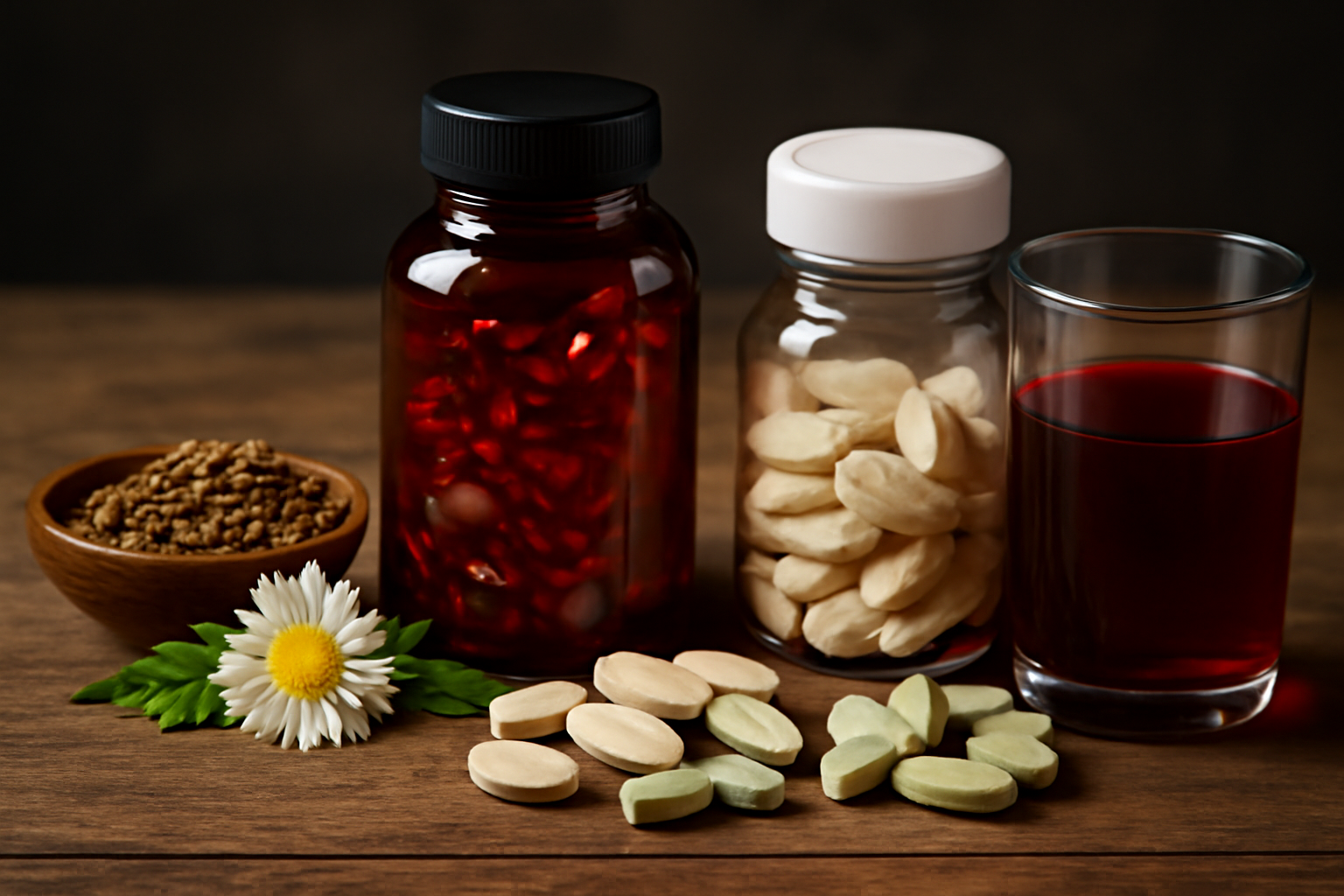
- Ashwagandha – a well-known adaptogen that supports the adrenal glands
- Magnesium – relaxes the nervous system
- Fish oil (omega-3s) – fights inflammation
- Vitamin D, B12, and folic acid – support brain function and energy
Focus on Emotional Health
Strong relationships, pets, and hobbies you love all reduce long-term stress and improve your body’s ability to keep cortisol in check.
Final Thoughts
Your body needs cortisol to survive, but too much of this stress hormone over the long term can damage your mental health, physical health, and quality of life. By adopting natural strategies like a balanced diet, regular movement, better sleep, and mindfulness, you can manage cortisol levels safely and effectively.
Start with small changes and build habits that support a more relaxed, healthier version of yourself.
Want to Know Which Supplements Are Right for You?
Take our quick quiz and get personalized supplement recommendations based on your stress levels, lifestyle, and health goals.
Frequently Asked Questions
What triggers high cortisol levels?
High cortisol is often caused by chronic stress, lack of sleep, poor diet (especially processed food and sugar), overuse of caffeine, and intense exercise. Emotional stress and unresolved anxiety also contribute.
How do I know if my cortisol is too high?
Signs of high cortisol include weight gain (especially in the belly), fatigue, mood swings, insomnia, acne, high blood pressure, and frequent illnesses due to a weakened immune system.
Can deep breathing really lower cortisol?
Yes! Deep breathing activates the body’s relaxation response, helping lower your heart rate and reduce the output of releasing hormones from the brain that trigger cortisol production.