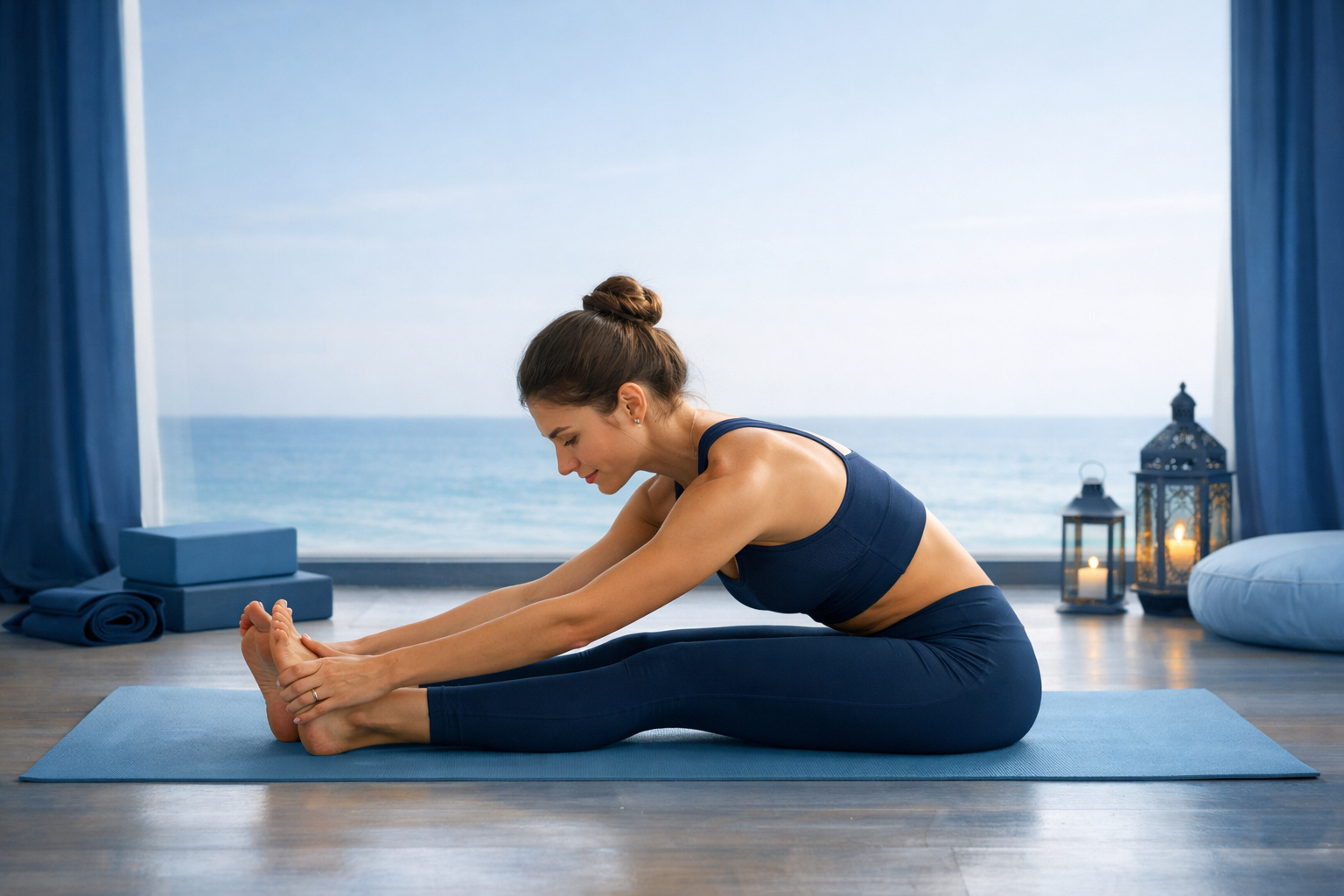

Master Hatha Yoga Poses: From Beginner to Advanced Steps offers a clear path to learning traditional asanas with safety and confidence. Hatha yoga poses form the backbone of many yoga classes. This guide introduces the core principles you need to begin, explains why proper alignment matters, and previews a stepwise progression from basic postures to more advanced variations.
Introduction To Hatha Yoga
Hatha is a foundational style that emphasizes balance between body and mind through movement, breath, and mindful alignment. Practicing hatha yoga poses helps you build strength, improve flexibility, and calm the nervous system. Sessions typically move at a measured pace so you can focus on technique rather than speed.
Learning correct form for each pose reduces risk of injury and makes benefits easier to access. Even simple positions require attention to alignment, breathing, and steady transitions. This post will set the stage for safe progress and point you to practical next steps.
.png)
Why Hatha Yoga?
Hatha yoga poses are ideal for a wide range of practitioners. Beginners find the slow, instructional pace easier to follow. More experienced students appreciate the focus on alignment and breath. Key benefits include:
- Improved flexibility and joint mobility
- Increased muscular strength and endurance
- Better posture and spinal alignment
- Enhanced mental clarity and stress reduction
Because the approach is accessible, hatha yoga poses work well for people returning from injury, older adults, and athletes looking to add mobility work. Modifications and props allow poses to be scaled up or down based on ability.
How This Guide Is Structured
The full post moves in three clear stages. First, we cover essential beginner hatha yoga poses and alignment cues to build a safe foundation. Next, we introduce intermediate asanas that expand balance and strength. Finally, we outline advanced options and safety precautions for higher-risk postures. Each section focuses on technique, common mistakes, and gradual progressions so you can track improvement.
Ready to start with simple, reliable steps? Explore our Yoga For Beginners resources, and learn basic breathwork with our breathwork and pranayama guidance to support your practice of hatha yoga poses.
Beginner poses and step-by-step cues
Start building a reliable practice by learning clear alignment for basic hatha yoga poses. These foundations teach balance, breath coordination, and safe movement patterns you will use in every class.
Mountain pose (Tadasana)
- Steps: Stand with feet hip-width, distribute weight evenly, engage thighs, lift chest, soften shoulders, breathe steadily.
- Common mistakes: gripping toes, collapsing the lower back, raising shoulders toward ears.
- Modifications: stand with a wall behind you for alignment feedback; slightly bend knees if hips are tight.
Downward-facing dog (Adho mukha svanasana)
- Steps: From hands and knees, lift hips up and back, press palms firmly, lengthen spine, pedal heels to warm calves.
- Common mistakes: rounding the upper back, locking elbows, sinking into the shoulders.
- Modifications: keep knees bent and heels lifted; use blocks under hands to reduce hamstring strain.
Child’s pose (Balasana)
- Steps: Kneel, sit hips back toward heels, fold forward, rest forehead on the mat, breathe slowly to relax.
- Common mistakes: holding the breath or tensing the neck.
- Modifications: place a cushion between hips and calves or under the forehead for comfort.
Warrior I (Virabhadrasana I)
- Steps: From a lunge, square hips to the front, lift arms overhead, press through the back heel, bend the front knee to 90 degrees.
- Common mistakes: allowing the back foot to collapse, overarched lower back, or misaligned front knee.
- Modifications: shorten the stance for better balance; use hands on hips to check hip alignment.
Intermediate poses and transitions
Once the basics feel steady, add intermediate hatha yoga poses that challenge balance and open the body more deeply. Focus on smooth transitions from one pose to the next.
Triangle pose (Trikonasana)
- Guidance: Keep both legs active, hinge from the hip, reach the top arm up, gaze forward or up depending on neck comfort.
- Muscles engaged: hamstrings, obliques, lateral spine.
- Modifications: rest the lower hand on a block instead of the shin to maintain length in the spine.
Half moon pose (Ardha Chandrasana)
- Guidance: Start from triangle or warrior II, shift weight onto front foot, lift back leg, open the chest to the side.
- Common mistakes: collapsing into the standing hip or dropping the lifted leg.
- Modifications: practice near a wall for balance support; keep the lifted foot lower while building strength.
Bridge pose (Setu Bandhasana) and seated forward bend (Paschimottanasana)
- Bridge: press through feet, lift hips, engage glutes and hamstrings, avoid squeezing the shoulders under the torso.
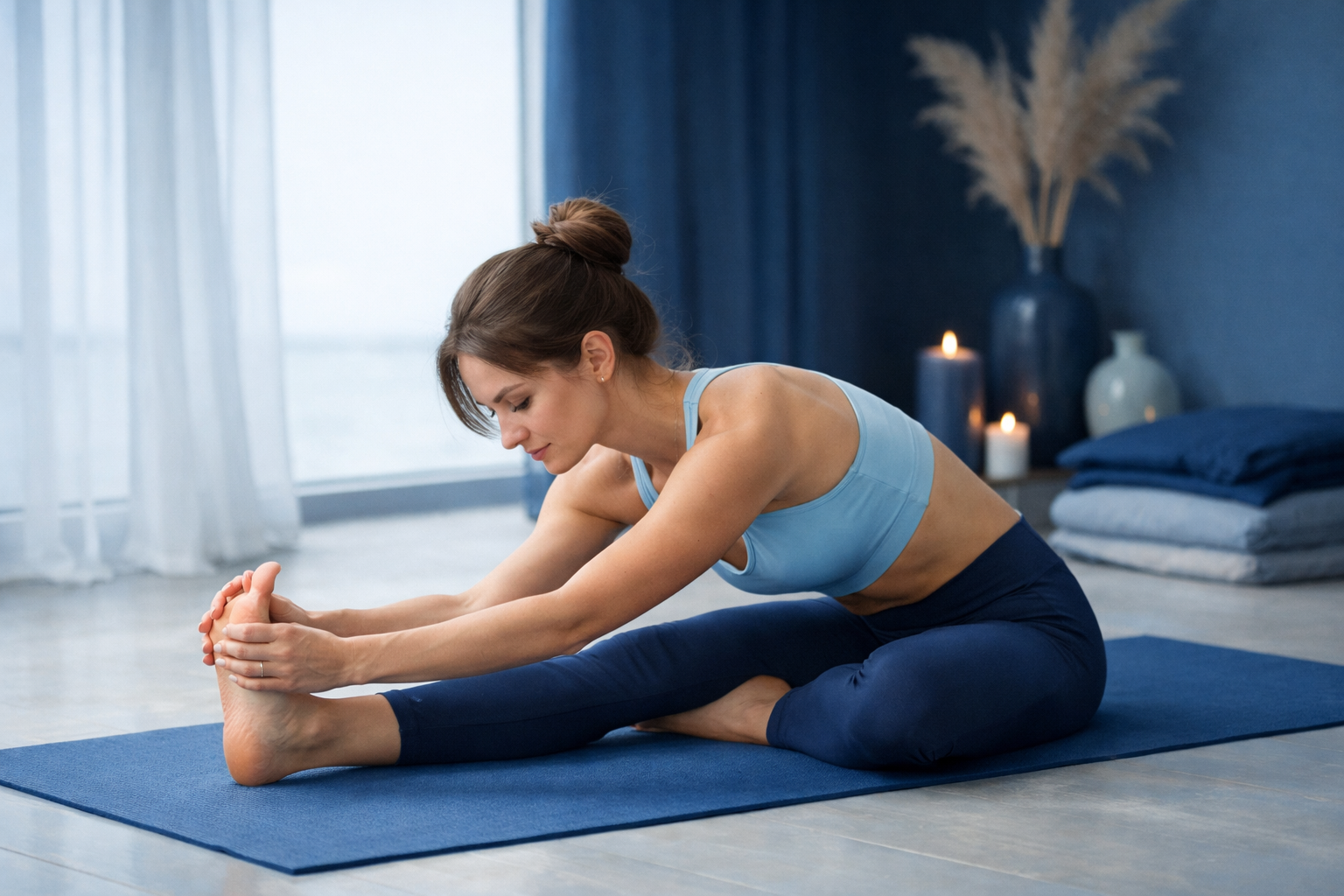
- Seated forward bend: hinge from the hips, keep spine long, bend knees if hamstrings limit the fold.
- Progression tip: alternate backbends with forward bends to balance the spine.
Advanced poses and safety precautions
Advanced hatha yoga poses build on strength, flexibility, and nervous system control. Approach inversions, arm balances, and deep backbends only after consistent practice and preparation.
Headstand (Sirsasana)
- Prerequisites: strong core, shoulder stability, mastery of Dolphin pose.
- Safety: practice with a wall or under teacher supervision; avoid kicking up forcefully.
- Progressions: start with tripod prep, then wall-supported headstand, then freestanding work.
Crow pose (Bakasana)
- Key cues: round the upper back, look slightly forward, shift weight into the hands, engage core.
- Common mistakes: collapsing the shoulders or locking elbows; use a cushion under the forehead to reduce fear of falling.
Wheel pose (Urdhva Dhanurasana) and lotus (Padmasana)
- Wheel: open the chest gradually, use preparatory backbends and shoulder openers; consider props under hands if wrist pain occurs.
- Lotus: only attempt after hips are fully open; use half-lotus variations and bolsters to sit safely.
Designing a balanced hatha yoga poses routine
Use a simple structure to create consistent progress. Aim for a practice that moves from mobility to strength and finishes with calming poses.
- Warm-up (5 to 10 minutes): gentle movements, cat-cow, shoulder rolls, Sun Salutation variations.
- Main sequence (20 to 35 minutes): combine standing, balancing, and hip-opening asanas from beginner to intermediate.
- Peak pose: choose one challenging posture to work toward, then practice counterposes.
- Cool-down and relaxation (5 to 10 minutes): forward folds, twists, child’s pose, final rest.
- Frequency and progression: practice 3 to 5 times per week for steady improvement; increase difficulty as alignment becomes reliable.
For additional guidance on starting slowly and linking breath with movement, explore our breathwork and pranayama and beginner resources like Yoga For Beginners.
Designing a sustainable hatha yoga practice
At this stage you know the basics and some advanced poses. Now focus on building a practice that fits your life and goals. A sustainable routine balances mobility, strength, and recovery so your body adapts without strain. Use hatha yoga poses as the framework and adjust intensity with breath, hold times, and props.
Four-week progression plan
- Weeks 1 to 2: reinforce alignment with beginner hatha yoga poses. Spend 30 minutes per session, 3 times per week. Emphasize Mountain, Downward-Facing Dog, and Bridge with slow, mindful repetitions.
- Weeks 3 to 4: introduce intermediate poses and longer holds. Add Triangle, Half Moon, and short balance sequences. Increase sessions to 4 times per week if recovery is good.
- Ongoing: pick one weekly session to work on a peak posture such as Crow or Wheel. Use preparatory drills and avoid rushing progress.
Modifications for common issues
Not everyone will move the same way. Tailor hatha yoga poses to your body.
- Lower back pain: favor hip-hinging movements, avoid deep forward folds with locked knees, and strengthen core with supported Bridge instead of full Wheel.
- Wrist discomfort: use fists or forearms in poses like Downward-Facing Dog and practice Dolphin as a substitute for full arm balances.
- Limited hip mobility: use half-lotus or seated cross-legged variations before attempting full Lotus; use blocks under the sit bones for comfort.
Common mistakes and how to avoid them
Small alignment errors add up. Watch for these frequent problems and correct them early.
- Overarching the lower back in standing backbends. Fix: draw the ribs slightly toward the pelvis and engage glutes.
- Collapsing through the shoulders in planks and arm balances. Fix: press the mat away, broaden across the collarbones, and keep the neck neutral.
- Relying on momentum for inversions. Fix: build strength through preparatory poses, use a wall, and keep the breath steady.
Props, timing, and breathwork
Props help you access safer alignment and longer holds. Essentials include a cushioned mat, a pair of blocks, a strap, and a bolster. Use blocks to raise the floor in Triangle and straps to maintain a long spine in seated stretches.
Counted breath helps coordinate movement. Try three-count inhales and three-count exhales for standing flows, and extend exhales in restorative poses to support relaxation by downshifting the fight-or-flight response. To deepen breathwork, see our breathwork and pranayama guide.
Integrating hatha yoga poses into daily life
Short sessions add up. If you cannot fit a full class, do a 10-to-15 minute mini-practice focused on mobility or balance. Carry cues from the mat into daily activities: stand like Mountain to check posture, and use diaphragmatic breathing to manage stress.
Final thoughts and next steps
Progress with hatha yoga poses is steady when you combine consistent practice, targeted preparation, and honest self-assessment. Track one measurable goal each month, such as holding Half Moon for longer or improving hip external rotation for Lotus. When in doubt, slow down and return to breath and alignment.
If you are new or returning to practice, explore our Yoga For Beginners resources for guided sequences and safe starters. Ready to grow your practice? Commit to one small, consistent change this week and observe the results if you feel stuck, tools like fear-setting can help you clarify what’s holding you back and plan your next step.
Looking for the best option is pointless if it is not right for you.
Take the Cenario Quiz and get a personalized, science-backed recommendation in under 3 minutes.
Quiz
Frequently Asked Questions
What is the best way to start practicing hatha yoga poses?
Begin with a few foundational hatha yoga poses like Mountain, Downward-Facing Dog, and Child’s Pose. Focus on alignment and breath rather than depth. Short, frequent sessions and guidance from a teacher or reliable beginner resources speed progress.
How often should I practice hatha yoga poses to see improvement?
Practice 3 times per week for steady gains in strength and flexibility. If you have experience, 4 to 5 sessions that mix intensity and recovery help advance balance and endurance. Consistency matters more than long, infrequent sessions.
Can hatha yoga poses help with back pain?
Yes. Many hatha yoga poses improve spinal mobility and trunk stability when practiced with correct alignment. Choose gentle backbends, core-strengthening poses, and hip-openers while avoiding sharp pain. If pain is paired with ongoing low mood or loss of interest, it may help to learn about anhedonia and seek appropriate support. Consult a clinician if pain is chronic or severe.
What equipment do I need to practice hatha yoga poses safely at home?
Start with a non-slip mat, one or two blocks, a strap, and a cushion or bolster. These items help maintain alignment, deepen stretches safely, and support restorative poses as you progress.
Can hatha yoga support focus and mental clarity?
Many people find that steady practice and breath awareness improve attention and reduce mental fatigue; if you’re dealing with persistent fogginess, consider these brain fog remedies alongside your routine.
What if anxiety makes it hard to relax in poses?
Use shorter holds, longer exhales, and supportive props, and consider evidence-based options like these supplements for anxiety if appropriate for you.