In our busy, modern world, stress and anxiety levels are at an all-time high. From balancing school or work to dealing with personal issues, many people struggle with feeling overwhelmed and exhausted. While stress is a natural response to challenging situations, chronic stress can lead to sleep problems, mood swings, and even physical health issues like a high heart rate or weakened immunity.
Instead of turning immediately to strong prescription drugs, many are exploring safer and more natural options, especially dietary supplements. In this blog, we’ll explore the top supplements for stress that have shown promise in reducing stress and anxiety, improving mood, and even helping people improve sleep.
These natural solutions are backed by studies, including randomized controlled trials, and many are recommended by organizations like the National Institutes of Health (NIH). However, even though some of these supplements are supported by science, it’s important to know that the Food and Drug Administration (FDA) doesn’t fully regulate supplements in the same way they do medications. Always talk to a healthcare professional before starting any new supplement.
Not all “natural” stress supplements influence the stress response meaningfully. This article contributes to our evidence-based evaluation of stress relief options covered throughout the
stress science and recovery resources.Why Consider Natural Supplements for Stress?
Supplements for stress are becoming more popular because they offer a natural way to support the body’s ability to deal with pressure. These supplements can help reduce the body’s stress hormone (called cortisol), promote relaxation, and help with sleep, without the strong side effects often linked to prescription medications including antidepressants or sedatives.
1. Ashwagandha
What it is:
Ashwagandha, often called Indian ginseng, is a powerful herb used in Ayurvedic medicine for thousands of years. It’s classified as an adaptogen, which means it helps the body adapt to stress.
How it works:
It helps lower cortisol, the main stress hormone, and supports the brain’s stress response. It may also help balance thyroid hormone levels, which are connected to energy, mood, and metabolism.
Benefits:
- Reduced stress and anxiety
- Improved focus and memory
- Better sleep and reduced fatigue
- May help regulate thyroid hormone levels
How to take it:
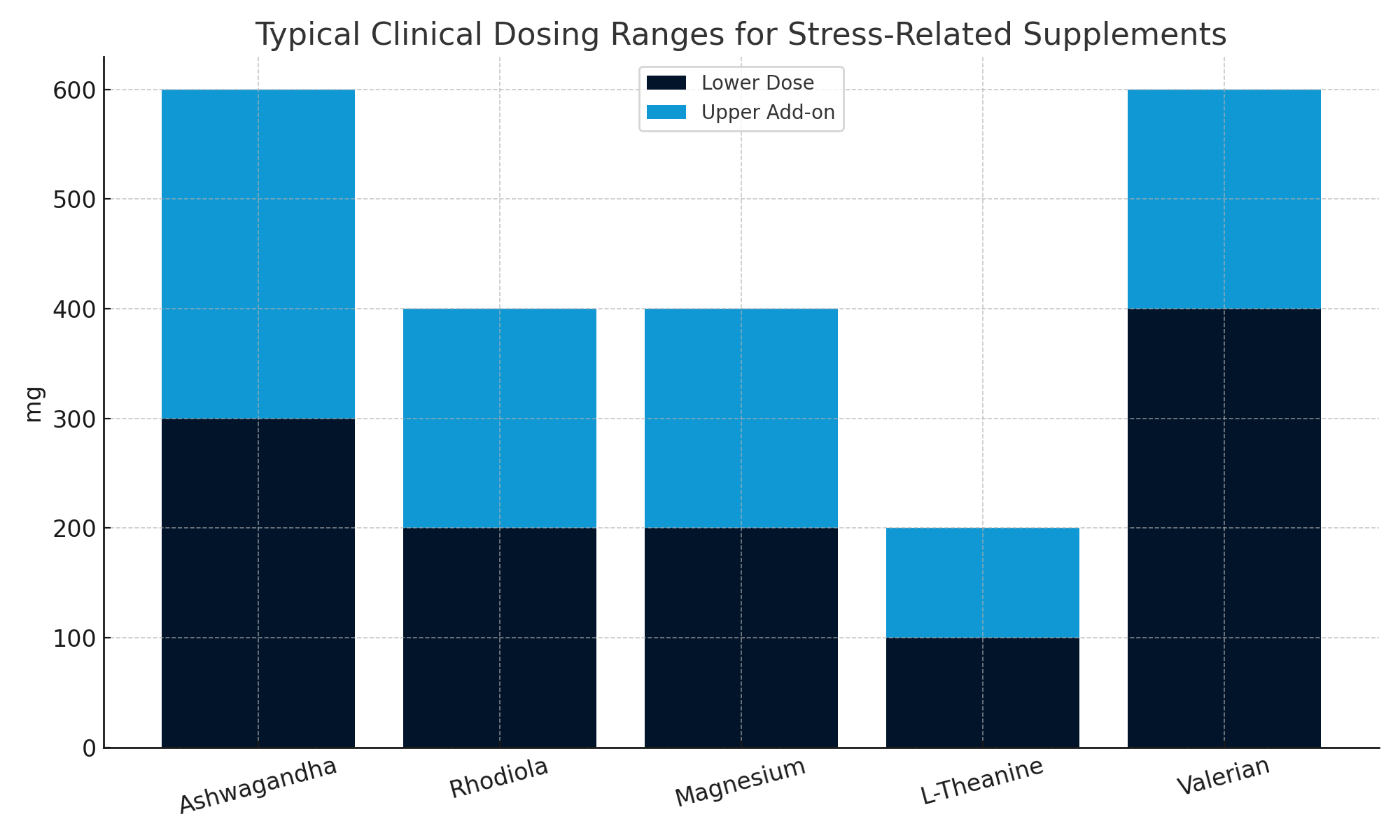
The common dose is 300–600 mg per day, often divided into two doses. Some people may start at 200 mg to test tolerance.
Scientific support:
Multiple randomized controlled trials have shown ashwagandha reduces stress and anxiety levels and supports overall mental well-being.
2. Rhodiola Rosea
What it is:
Another adaptogenic herb, Rhodiola Rosea, is found in cold, mountainous areas and has been used in traditional medicine in Russia and Scandinavia.
How it works:
Rhodiola helps balance stress responses, reduces fatigue, and improves energy levels, especially in high-stress situations.
Benefits:
- Boosts energy and focus
- Helps relieve stress
- May reduce physical and mental exhaustion
How to take it:
A standard dose ranges from 200 mg to 400 mg per day. It’s usually taken in the morning to prevent sleep disruption.
Clinical studies:
Several randomized controlled trials show Rhodiola can reduce fatigue and stress and anxiety levels, especially in students and professionals.
3. Magnesium
What it is:
Magnesium is a mineral essential for muscle function, heart rhythm, and nerve health. It’s especially helpful for people dealing with sleep problems or stress-related muscle tension.
How it works:
Stress depletes magnesium, and low levels may increase feelings of anxiety and tension. Supplementing helps calm the nervous system and may lower heart rate caused by stress.
Benefits:
- Promotes relaxation and improves sleep
- Eases muscle tension
- Helps regulate mood
How to take it:
The typical dose is 200 mg to 400 mg daily. Look for well-absorbed forms like magnesium glycinate or magnesium citrate.
FDA note:
While magnesium is considered a dietary supplement, the FDA doesn’t approve supplements to diagnose, treat, or cure diseases. Always check with your doctor.
4. L-Theanine
What it is:
L-Theanine is an amino acid found naturally in green tea. It promotes a relaxed state of mind without making you sleepy.
How it works:
It increases the brain’s levels of calming chemicals like GABA, serotonin, and dopamine—all crucial for reducing stress and anxiety.
Benefits:
- Encourages calm focus
- Helps relieve stress
- May improve sleep when taken before bedtime
How to take it:
Common doses are 100–200 mg, often taken during the day or just before stressful situations.
5. Valerian Root
What it is:
Valerian is a plant known for its natural calming effects, especially when it comes to improving sleep problems caused by anxiety or overthinking.
How it works:
Valerian root increases GABA levels in the brain, a calming neurotransmitter that promotes restful sleep and reduces nervous tension.
Benefits:
- Helps you fall asleep faster
- Reduces anxious thoughts at night
- Natural alternative to sleep medications
How to take it:
Often taken 30 minutes to an hour before bed in doses of 400–600 mg.
How to Pick Safe and Effective Stress Supplements
With so many options on the market, choosing the right supplements for stress can be confusing. Unlike medications, the Food and Drug Administration (FDA) doesn’t fully regulate supplements before they hit the shelves. That’s why it’s important to be selective and well-informed.
Look for Third-Party Testing
Choose products that are tested by independent labs to ensure purity, potency, and safety. This is especially important since the FDA doesn’t verify the contents of dietary supplements before they are sold.
Check for Clinically Studied Ingredients
The best supplements use ingredients backed by randomized controlled trials and published research from sources like the National Institutes of Health. For example, ashwagandha and Rhodiola Rosea have been studied for their ability to lower stress and anxiety levels.
Read Labels Carefully
Avoid supplements with artificial fillers, high doses, or vague ingredient listings. Look for clear dosing instructions (e.g., 200 mg of L-theanine or magnesium) and information about potential side effects.
Talk to a Healthcare Professional
If you’re taking medications including antidepressants, thyroid medication, or sleep aids, always speak with a doctor first. Some supplements can interfere with your current treatment or cause unwanted reactions.
Being informed helps you choose safe, effective options that support your health—and protects you from wasting money on products that don’t work.
What You Should Know Before Trying Stress Supplements
While these natural supplements for stress can be very helpful, it’s important to use them safely. Here are a few things to remember:
- Always talk to your doctor, especially if you’re on medications including antidepressants, thyroid treatments, or blood pressure drugs.
- Supplements can interact with other medications or medical conditions.
- Not all supplements are created equal. Since the FDA doesn’t strictly regulate supplements, choose trusted brands with third-party testing.
- Stick to recommended dosages. More is not always better, and high doses can lead to side effects.
Conclusion: A Natural Way to Relieve Stress
Managing stress and anxiety levels is more important than ever in today’s fast-paced world. While occasional stress is normal, chronic stress can lead to sleep problems, fatigue, mood swings, and other health concerns. Fortunately, natural dietary supplements offer a gentle yet effective way to support your mental and emotional well-being.
Backed by randomized controlled trials and supported by organizations like the National Institutes of Health, supplements such as ashwagandha (Indian ginseng), Rhodiola Rosea, magnesium, and L-theanine have been shown to help reduce stress and anxiety, improve focus, and even improve sleep.
However, it’s important to remember that while these supplements can be helpful, they are not a cure-all. The Food and Drug Administration (FDA) doesn’t fully regulate supplements, so always choose high-quality products and talk to your doctor, especially if you’re taking medications including antidepressants or thyroid treatments. Also, pay attention to potential side effects, and start with a safe dose like 200 mg when applicable.
Finally, the most effective way to manage stress is to take a holistic approach. Combine your supplement routine with healthy habits like regular exercise, proper sleep, a balanced diet, and mindfulness practices to truly take control of your mental well-being.
With the right support, you can build a lifestyle that promotes calm, clarity, and resilience – even in a stressful world.
Healthy Habits That Enhance the Power of Stress Supplements
While natural stress-reducing supplements can be very effective, they work best when combined with healthy lifestyle choices. Creating a calm, balanced daily routine can help you experience faster and longer-lasting results. Here are a few proven ways to support stress relief naturally:
Get Consistent, Quality Sleep
Chronic stress and poor sleep are closely linked. Supplements like magnesium and valerian root can help, but you also need to practice good sleep hygiene, go to bed and wake up at the same time every day, avoid screens before bed, and create a quiet, dark environment.
Practice Mindfulness and Meditation
Mindfulness, deep breathing, and meditation can lower your heart rate, reduce cortisol (your stress hormone), and help you stay centered. These practices are powerful on their own, and even more effective when paired with stress-reducing supplements.
Exercise Regularly
Physical activity helps burn off excess stress, boost mood, and improve energy. Even a 20-minute walk can relieve stress and anxiety.
Eat a Balanced Diet
What you eat affects how you feel. Make sure you’re getting enough nutrients like B vitamins, omega-3s, and magnesium from food, or talk to a doctor about dietary supplements if needed.
By combining supplements with these healthy habits, you’ll create a stronger foundation for reducing stress, improving mental clarity, and enjoying better health.
Take the Cenario Quiz and get a personalized formula that shows exactly which nutrients your symptoms point to.
Frequently Asked Questions
What are the best supplements for reducing stress and anxiety?
Some of the most effective natural supplements for stress and anxiety include ashwagandha (Indian ginseng), Rhodiola Rosea, magnesium, L-theanine, and valerian root. These supplements help reduce the body’s stress hormone (cortisol), improve mood, and promote calmness. Many have been studied in randomized controlled trials and shown to be helpful in reducing stress and anxiety levels naturally.
Can natural stress-reducing supplements help improve sleep?
Yes, certain supplements like magnesium, valerian root, and L-theanine are known to improve sleep quality. They work by relaxing the nervous system and lowering anxiety that can interfere with restful sleep. These are especially useful for people with sleep problems caused by stress.
Are stress-reducing supplements regulated by the FDA?
No, the FDA doesn’t strictly regulate supplements the same way it does prescription drugs. That means supplement manufacturers are not required to prove safety or effectiveness before selling their products. Always choose supplements from brands that follow good manufacturing practices and have third-party testing.
Do stress supplements have any side effects?
While many dietary supplements are generally safe, they can have side effects, especially at high doses or when combined with medications including antidepressants or blood pressure drugs. Common side effects may include headaches, digestive issues, or drowsiness. Always follow dosage guidelines and talk to your doctor first.