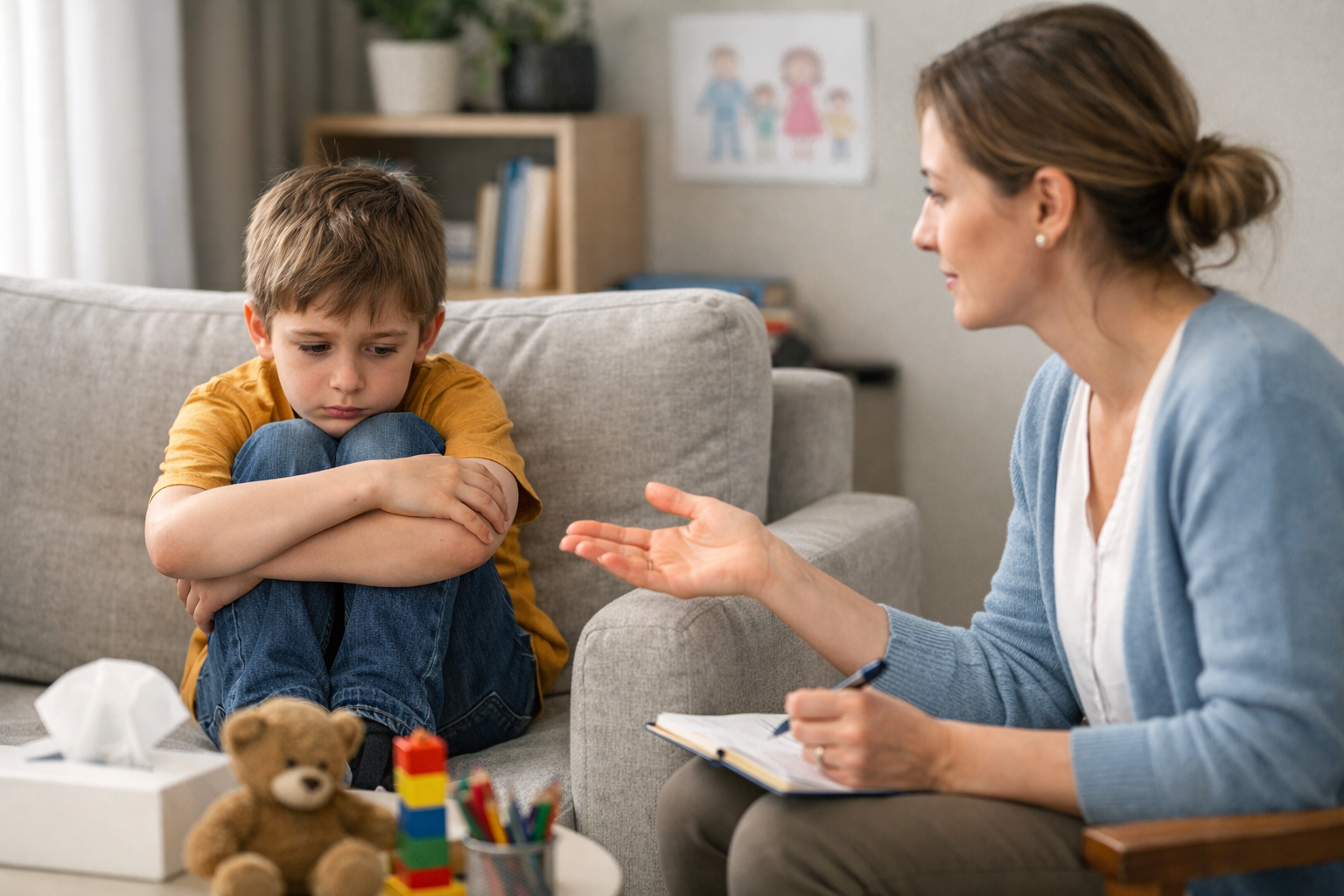

Recognizing emotional trauma in kids is crucial, yet many signs are subtle. Parents, teachers, and caregivers may notice small shifts in mood, behavior, or routine and not realize these are clues. Early recognition of signs of emotional trauma in a child can change the course of recovery and help an affected child get the right support sooner.
Why Early Detection Matters
When adults pick up on signs of emotional trauma in a child early, interventions are more likely to help. Timely care can prevent problems from becoming chronic and can protect learning, relationships, and self-esteem. Left unrecognized, trauma symptoms can affect development, school performance, and physical health.
Early detection does not mean labeling a child. It means noticing patterns that are persistent, out of character, or worsening. Those patterns are the first reason to explore whether a child is showing signs of emotional trauma in a child.
Common Categories Of Warning Signs
Signs of emotional trauma in a child tend to fall into a few clear categories. Knowing these groups helps adults spot changes without needing clinical expertise. Below are the categories you will see described more fully later in this series.
- Behavioral and Developmental — Changes in behavior, new fears, or regressive actions may appear.
- Emotional — Look for shifts in mood, increased anger, or emotional numbness that last beyond a few weeks.
- Sleep and Eating — Nightmares, trouble falling asleep, or marked appetite change can be signs to watch.
- Physical and Cognitive — Frequent stomachaches, headaches, or sudden drops in school performance may signal distress.
Answer a few questions and get a personalized supplement recommendation instantly.
Take Cenario quiz now!
How To Use This Information
This post aims to equip readers to notice early warning signs and take sensible next steps. If you observe several persistent indicators from different categories, it may be time to consult a pediatrician, school counselor, or mental health professional. The goal is to move from concern to action while keeping the child safe and supported.
In the next sections we will explore these categories in detail, with age-based examples and guidance on when to seek professional help. For now, keep an eye out for patterns rather than single events, and trust your observations if a child’s mood or behavior stays changed for several weeks.

Behavioral and developmental signs of emotional trauma in a child
When trauma affects a child, behavior and development often shift in ways that match their age and skills. Watch for patterns that are new, persistent, or clearly out of character. These are not one-off reactions but changes that last and interfere with daily life.
Regression
Regression means a child returns to earlier behaviors. Examples include bedwetting after being dry for months, renewed thumb sucking, or using baby talk. For infants and toddlers this may show as increased clinginess and more frequent tantrums. For school-age kids, regression can show as problems with toileting, difficulty managing tasks they handled before, or needing extra help with self care. Note how long the behavior lasts and whether it comes after a stressful event.
Clinginess and separation worry
Children who were once comfortable being apart from caregivers may now refuse to be separated. They might follow an adult around, insist on being in the same room, or have extreme distress at drop off. In older children, clinginess can look like constant texting, frequent calls home from school, or avoidance of activities that require independence.
Trauma and repetitive play
Young children often process experience through play. Trauma may appear as replaying frightening events, showing persistent themes of danger, or repeatedly acting out scenes of rescue, capture, or escape. For older children, repetitive storytelling about similar sad or scary scenarios can be a sign they are trying to make sense of what happened.
Emotional indicators and how they show up
Emotional signs can be intense and change quickly. They often point to how a child is processing an experience inside their body and mind.
Fear and hypervigilance
Children may become constantly watchful, easily startled, or preoccupied with safety. They might avoid places or people that remind them of the event, ask repeated questions about safety, or seem tense and on edge. Hypervigilance can make concentrating at school and playing with peers very hard.
Irritability and anger
Frequent meltdowns, aggressive actions toward others, or sudden angry outbursts that are out of proportion to the situation are common. Younger kids may express anger with tantrums. Older kids might push boundaries, act recklessly, or pick fights. Anger can mask fear or helplessness.
Sadness, numbing, and guilt
Emotional numbing looks like withdrawal, loss of interest in favorite activities, and flat affect. Children may verbalize guilt or say things like I am bad or It is my fault. Persistent sadness, tearfulness, or statements suggesting shame deserve attention.
Sleep and eating pattern changes to monitor
Sleep and appetite are sensitive to stress. Changes here are often among the first signs adults notice.
Nightmares and refusal to sleep alone
Nightmares, night terrors, and refusal to sleep alone are common after trauma. A child may insist on lights on, share a bed, or wake repeatedly with fear. Night wakings and difficulty falling back to sleep can increase daytime sleepiness and irritability.
Appetite shifts
Some children lose interest in food and eat much less. Others turn to eating as comfort and may overeat. Track weight and meal patterns rather than reacting to single days of change. Sudden or sustained changes in appetite alongside other signs suggest deeper distress.
How to observe, document, and take the next steps
Careful observation helps adults decide when to act. A few practical steps:
- Keep a short log of behaviors: what happened, when, how long, and any clear triggers.
- Note impact on school, friendships, sleep, and daily care tasks.
- Ask simple, non leading questions when the child is calm. Use gentle language and give choices.
- Share observations with teachers or caregivers to see if the pattern appears in different settings.
If several signs of emotional trauma in a child appear across categories and persist for several weeks or reduce the child’s ability to function, consider contacting a pediatrician, school counselor, or child therapist for evaluation. Early documentation and calm, consistent caregiving create a safer path for recovery.
Physical And Cognitive Signs To Watch
Emotional distress in children often shows up in the body and in thinking skills. Pay attention to recurring physical complaints that do not have a clear medical cause. Frequent stomachaches, headaches, unexplained aches, or visits to the school nurse can all be signs of emotional strain. These somatic complaints may increase on school days or before events that remind the child of a stressful experience.
Trauma can also affect attention, memory, and problem solving. You may see:
- Falling grades, incomplete homework, or sudden school avoidance.
- Short attention span or difficulty following multi-step instructions.
- Slower processing of information or trouble organizing tasks.
- Marked startle response that interferes with classroom learning.
When these physical and cognitive changes appear alongside emotional or behavioral signs, they strengthen the case that the child is showing signs of emotional trauma in a child rather than a brief adjustment issue.
Age-Specific Patterns And What They Mean
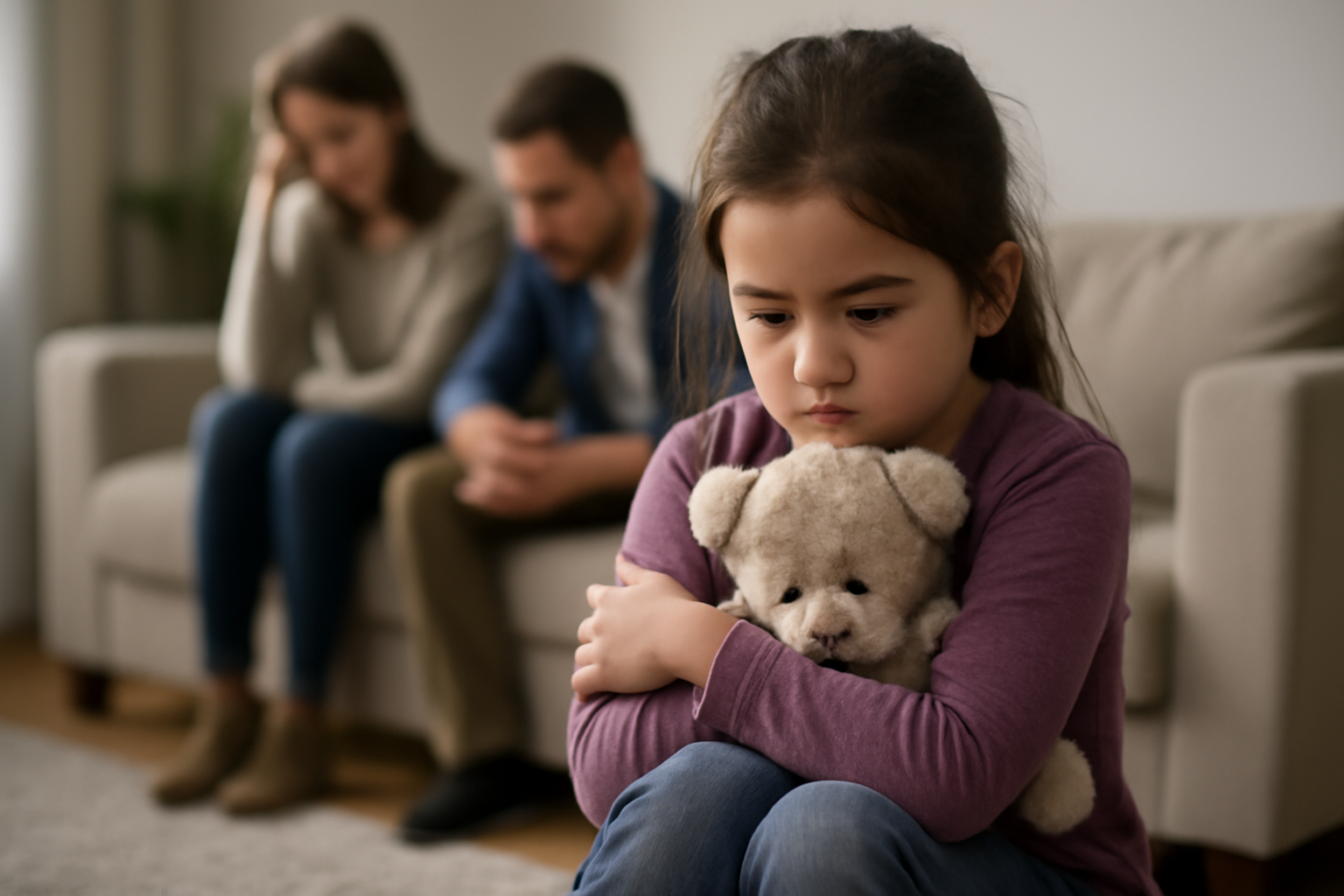
Signs of emotional trauma in a child change with age because children express distress through the skills they have. Knowing typical patterns helps you spot when behavior is outside expected development.
- Infants and Toddlers: Feeding or sleep disruption, increased clinginess, or loss of skills such as self-soothing.
- Preschoolers: Trauma-themed or repetitive play, new fears, regression in toileting, and strong separation anxiety.
- School-Age Children: Nightmares, falling school performance, peer problems, and frequent somatic complaints.
- Adolescents: Withdrawal, risky behavior, substance use, or expression of hopelessness and shame.
Key distinctions from normal development are persistence, intensity, and functional impact. If behaviors last several weeks, worsen, or limit a child’s daily life, they are more likely to be signs of emotional trauma in a child than routine ups and downs.
Practical Steps For Adults To Help
Adults can take concrete actions that reduce stress and create safer routines while seeking evaluation.
- Maintain predictable routines and clear expectations to help the child feel secure.
- Use calm, validating language and avoid pressing for details about traumatic events.
- Reduce exposure to sensory triggers such as loud news reports, graphic media, or chaotic environments.
- Coordinate with teachers or caregivers so responses are consistent across settings.
- Document symptoms, triggers, and duration to share with your pediatrician or a mental health professional.
Seek urgent help if a child talks about harming themselves, shows severe aggression, or is unable to meet basic needs. For less acute but persistent signs of emotional trauma in a child, arrange an evaluation with a pediatrician, school counselor, or trauma-focused therapist.
Final Thoughts
Recognizing physical and cognitive signs completes the view of how trauma affects a child. Trust your observations and act if multiple signs persist or interfere with school, sleep, friendships, or safety. Early assessment improves the chances of effective support and recovery.
If you are concerned, reach out to your child’s doctor or school mental health team. If you want professional mental wellness support options, consider contacting a qualified child therapist or Cenario to discuss an assessment. Taking one calm step today can make a big difference for a child’s future.
Chronic stress is not something you “push through.” Left unaddressed, it compounds and affects multiple systems in your body.
The good news is that your stress response can be supported and regulated when you target the right mechanisms.
If you are serious about feeling calmer, more stable, and in control, take the 3 minute Cenario assessment and build your personalized stress formula.
Your stress is personal. Your solution should be too.
Read more about stress here.
Frequently asked questions
What Are The Most Common Signs Of Emotional Trauma In Children?
The most common signs of emotional trauma in a child include regression, sleep or appetite changes, persistent fear or hypervigilance, frequent somatic complaints, and declines in school performance. Look for patterns that last more than a few weeks and affect daily functioning.
How Long Should Symptoms Last Before I Seek Help?
If signs of emotional trauma in a child persist for more than four weeks, increase in intensity, or interfere with school, sleep, or relationships, contact a pediatrician or mental health professional for assessment.
Can Emotional Trauma Be Mistaken For ADHD Or Other Conditions?
Yes. Symptoms like inattention, impulsivity, or hyperactivity can overlap with signs of emotional trauma in a child and ADHD. A trauma-informed evaluation is important so providers can distinguish underlying causes and recommend appropriate supports.
Frequently Asked Questions
What Are The Most Common Signs Of Emotional Trauma In Children?
The most common signs of emotional trauma in a child include regression, sleep or appetite changes, persistent fear or hypervigilance, frequent somatic complaints, and declines in school performance. Look for patterns that last more than a few weeks and affect daily functioning.
How Long Should Symptoms Last Before I Seek Help?
If signs of emotional trauma in a child persist for more than four weeks, increase in intensity, or interfere with school, sleep, or relationships, contact a pediatrician or mental health professional for assessment.
Can Emotional Trauma Be Mistaken For ADHD Or Other Conditions?
Yes. Symptoms like inattention, impulsivity, or hyperactivity can overlap with signs of emotional trauma in a child and ADHD. A trauma-informed evaluation is important so providers can distinguish underlying causes and recommend appropriate supports.