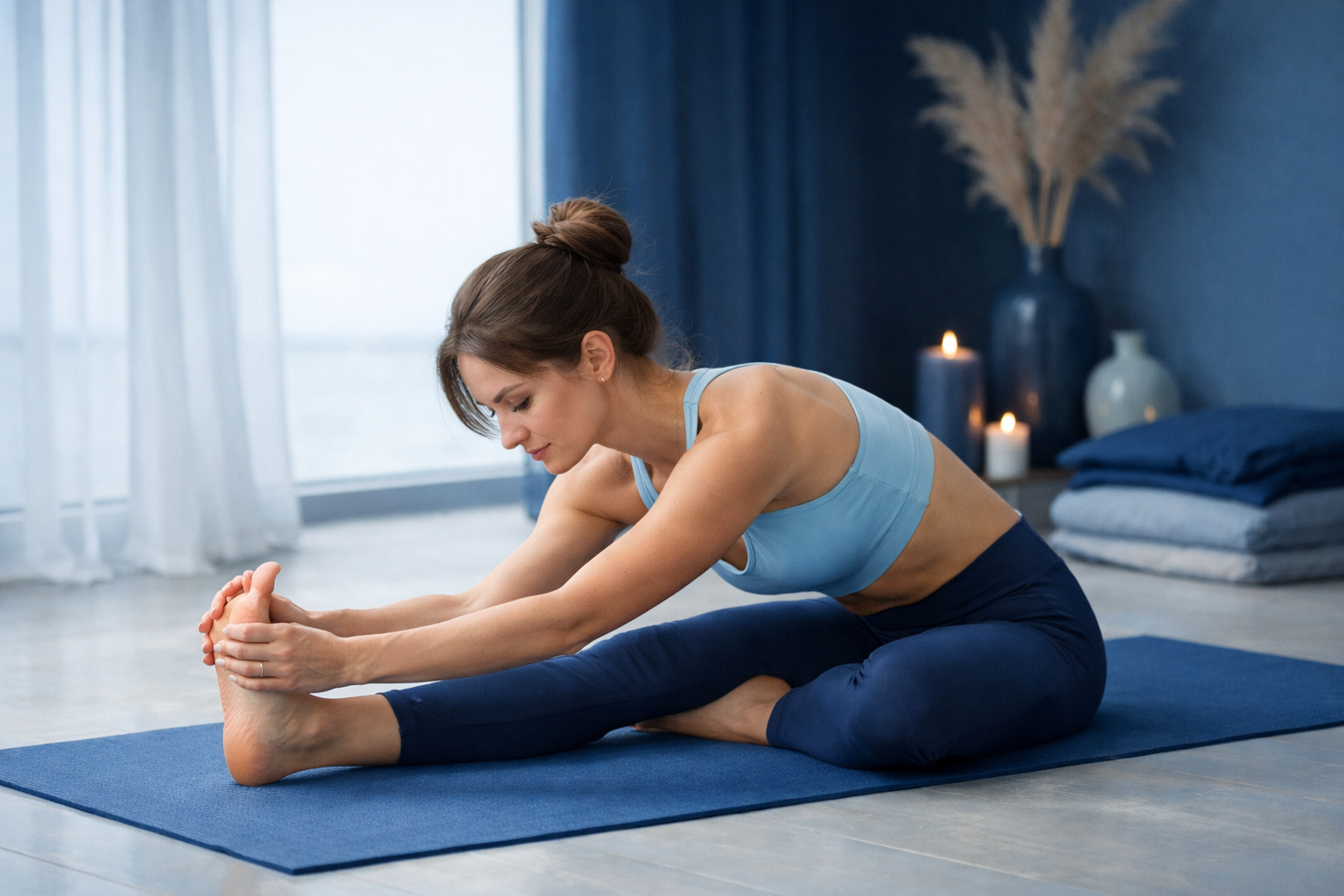

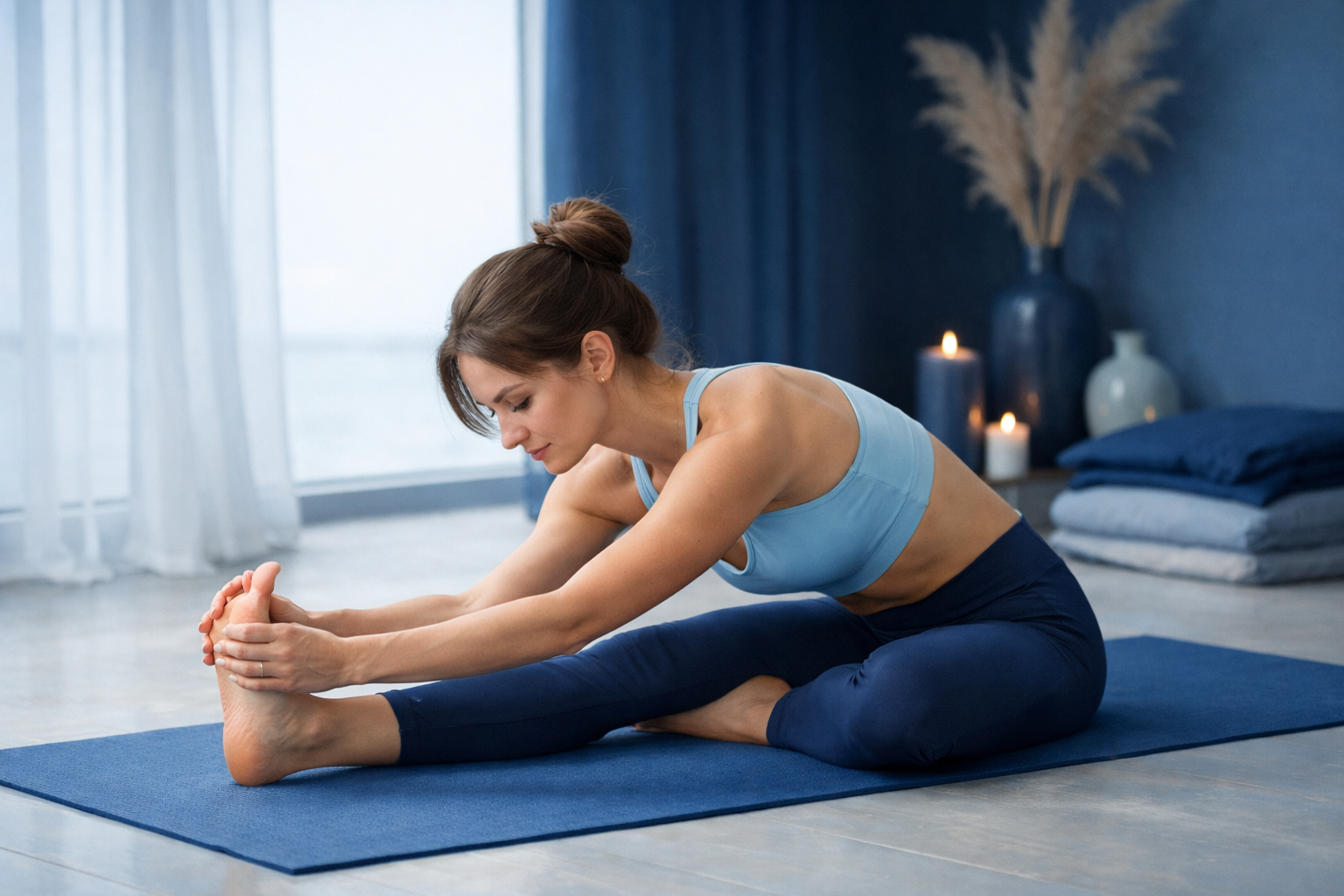
Restorative yoga poses offer a gentle, supportive practice focused on deep relaxation and recovery. This style emphasizes long holds, soft support and slow breathing to help the body switch from fight-or-flight to rest-and-digest. The main aim is to activate the parasympathetic nervous system so the body can repair, restore and lower stress levels.
Overview Of Restorative Yoga
Unlike fast-flowing or heat-driven classes, restorative yoga poses rely on props and stillness rather than strength and movement. Practitioners use bolsters, blankets and blocks to remove strain and invite rest. Sessions tend to be slow and intentional, with each pose held for several minutes to encourage a deep relaxation response. As modern lives become busier and more anxious, restorative yoga poses have grown in popularity as a simple way to recover from daily stress.
Why It Matters
Restorative yoga poses are not about burning calories or pushing limits. They are designed to lower heart rate, quiet the mind and promote better sleep. People who try this practice often report less tension, calmer thoughts and an improved sense of balance. Because it targets nervous system regulation, restorative work can be useful for anyone coping with chronic stress, poor sleep or emotional fatigue.
- Promotes deep relaxation and better sleep
- Reduces physical tension and lowers blood pressure
- Supports emotional wellbeing and stress recovery
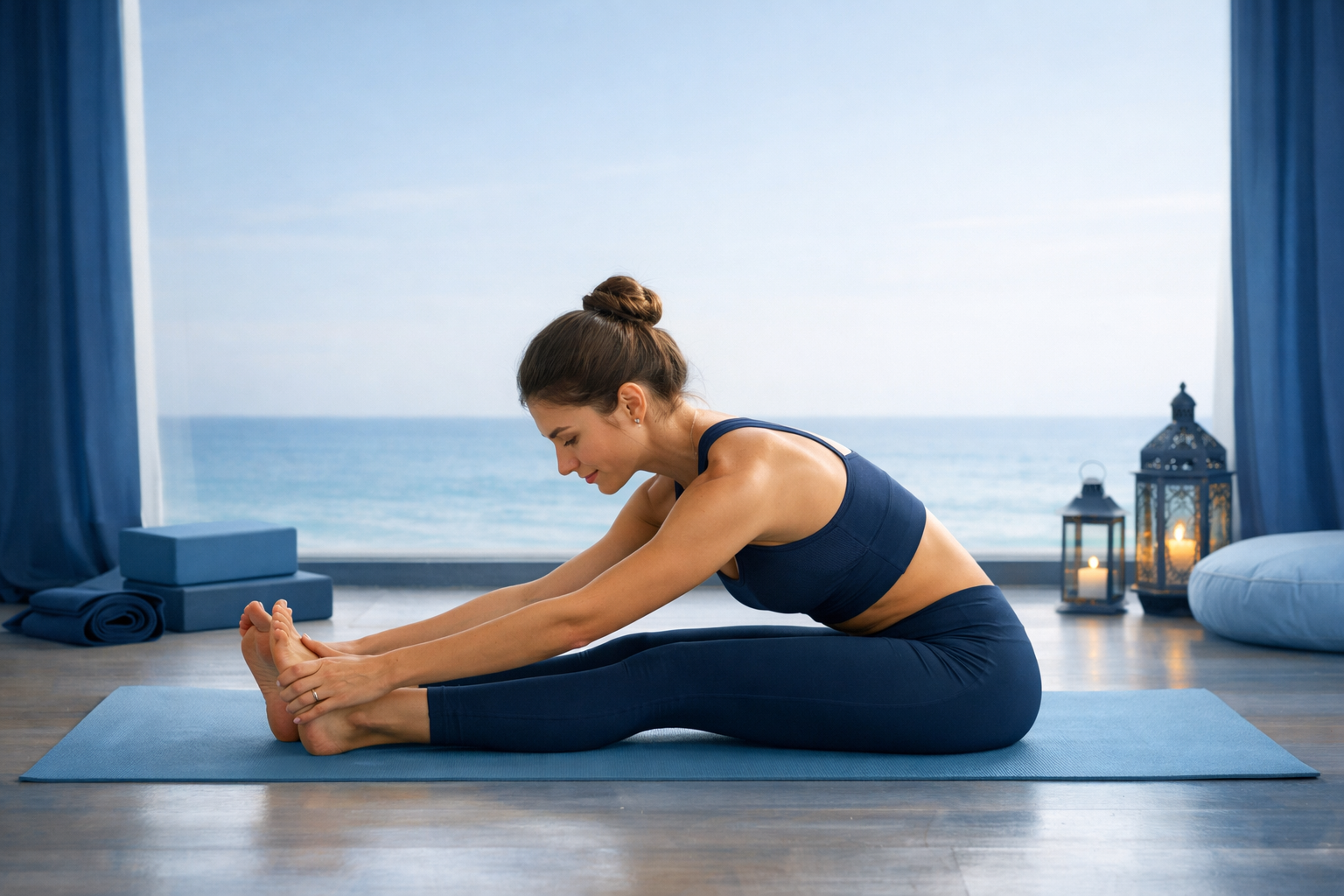
What if you could unlock profound relaxation and stress relief with just a few simple positions on your mat? Restorative yoga poses make that possible with minimal effort and minimal equipment. Beginners appreciate that household items like pillows and folded blankets can substitute for studio props, making the practice accessible at home.
Throughout this series we will explore why props matter, how the nervous system responds to restorative work and which poses are most effective for sleep, stress and recovery. For those planning next steps, consider linking to a detailed sequence like Restorative Yoga Sequence or a focused guide such as Restorative Yoga for Sleep. These pages make natural follow-ups when you are ready to try hands-on practice.
Benefits beyond relaxation
Restorative yoga poses do more than help you unwind. When practiced regularly they reshape how your body responds to stress. Practitioners report deeper sleep, calmer thinking and clearer energy across the day. Physically, long, supported holds encourage gentle blood flow and reduced muscle tension. Over time these changes can lower resting heart rate and promote a stronger relaxation response.
Emotionally, restorative work supports regulation. Poses that open the chest and breath space often lift mood and reduce feelings of heaviness. Grounding poses help stabilize scattered energy so you feel more present and able to manage stressors.
How the nervous system responds
Restorative yoga poses activate the parasympathetic branch of the nervous system. Slow, supported postures combined with calm breathing signal the body that it is safe. That signal eases fight or flight reactions and encourages recovery processes like improved digestion and lowered cortisol production. Over weeks the practice can increase vagal tone, which is linked to better emotional resilience and a more balanced stress response.
Role of breath and attention
Breath is central. Gentle diaphragmatic breathing during restorative poses magnifies the calming effect. Instead of forcing deep breaths, focus on softening the exhale and letting the body sink into support. Mindful attention observing sensations without judgment completes the nervous system shift and helps the mind settle into longer holds.
How props change the practice
Props are not optional extras. They create a scaffold that removes effort and invites rest. Bolsters, folded blankets and blocks change the shape of a pose so muscles can let go rather than brace. Strategic layering prevents strain in vulnerable areas like the neck, lower back and hips.
- Use a bolster under the spine for supported backbends to open the chest without compressing the neck.
- Place folded blankets under knees in reclined poses to ease hip or lower back tension.
- Blocks can lift limbs so shoulders or pelvis do not have to bear weight.
- For budget-friendly alternatives, thick pillows, heavy books in a cover and rolled towels work well.
Safety and comfort tips
Check that props are stable. Avoid forcing the body to reach a shape. Comfort equals benefit in restorative practice. If a sensation turns sharp or pinching occurs, adjust the support immediately.
Pose groupings and when to use them
Organize restorative yoga poses into energizing and grounding categories. Choosing poses by intention helps tailor a short practice for specific needs like sleep, stress relief or mild fatigue.
- Legs up the wall: Revitalizes circulation and calms the mind. Hold 5 to 15 minutes depending on comfort. Great for post-work recovery and for restorative yoga for sleep routines.
- Supported fish: Opens the chest and invites deeper breath. Use a bolster under the thoracic spine for gentle heart opening.
- Supported bridge: Grounds the lower body and relieves lumbar tension. Place a block or bolster under the sacrum for passive elevation.
- Restorative twist: Encourages spinal ease and gentle detoxing sensations. Keep the twist passive and well supported to avoid compression.
- Reclined bound angle: Soothes the pelvis and inner hips. Layers under the knees reduce strain and deepen relaxation.
When to choose energizing versus grounding poses
Pick energizing restorative poses when you need gentle circulation and mental clarity. Choose grounding poses to settle an anxious mind or prepare for sleep. A short practice can mix one energizing pose followed by two grounding poses to shift state effectively.
Sequencing tips, contraindications and audiences
Design a restorative yoga sequence with progression in mind. Start with hip and shoulder openness, move to heart-opening supports, then finish with a long reclined rest. Sessions can last 20 to 45 minutes depending on how long poses are held.
Certain conditions require caution. Avoid deep inversions and extreme backbends if you have recent eye surgery, uncontrolled high blood pressure or acute spinal injury. Pregnancy, recent abdominal surgery and severe cardiovascular conditions benefit from tailored guidance. When in doubt consult a qualified teacher or health professional.
Restorative work is highly adaptable. Seniors, athletes and new parents can all find benefits with small modifications. For practical progressions and a full practice plan, consider exploring a dedicated Restorative yoga sequence or a focused guide like Restorative yoga for sleep when you are ready to build a regular routine.
Pose execution and duration
How you enter and hold restorative yoga poses matters as much as which poses you choose. Keep movements slow, use props to remove effort and check in with your breath every few minutes. Aim for 5 to 15 minutes per pose for full benefit, and build sessions that last 20 to 45 minutes depending on how long you hold each posture.
Supported child’s pose: step-by-step
This gentle variation reduces knee and hip strain while inviting full release.
- Start on your knees with a bolster or folded blanket placed lengthwise on the mat in front of you.
- Widen your knees to hip distance and slowly fold forward, draping your torso over the bolster so your chest can soften.
- Turn your head to one side or rest your forehead on a folded towel. Place extra blankets under the ankles if the tops of the feet feel tender.
- Breathe gently into the back body. Stay for 5 to 12 minutes, switching head position halfway if needed.
- To release, press into the hands, lift the torso slowly and sit back on the heels to reset.
Savasana with bolster: step-by-step
Savasana with a bolster supports the spine and opens the chest for deeper relaxation.
- Place a bolster under your knees for lower back comfort or under the thoracic spine for a gentle chest lift.
- Lie back with a folded blanket under the head for neutral neck alignment. Arms rest comfortably at your sides, palms up.
- Soften the face and jaw. Let the breath lengthen without force, focusing on a slightly longer exhale.
- Hold for 8 to 15 minutes. If you fall asleep, that is okay; the restorative effect continues.
- To finish, bend the knees, roll to one side and press up slowly to a seated position.
Monitoring time and sensations
Set a gentle timer with a soft bell so you can fully let go. If numbness, sharp pain or pins and needles appear, exit the pose and adjust the props. Comfort is the key metric. More time equals deeper nervous system regulation, but always prioritize safety and ease.
Sequence design and audience adaptations
Design sequences that flow from more supported openings to longer passive rests. A simple sequence: supported child’s pose, supported fish for chest opening, legs up the wall, then savasana with bolster. This progression warms and opens, then settles the nervous system.
Adapting for different populations
- Seniors: Reduce transition effort. Use extra blankets under joints and shorten holds to 3 to 7 minutes if circulation is a concern.
- Athletes: Focus on hip and thoracic release to aid recovery. Hold poses 6 to 12 minutes to help parasympathetic activation after intense training.
- Postpartum: Emphasize pelvic support and gentle chest opening. Avoid deep abdominal compression and consult a specialist for diastasis recti modifications.
Contraindications and when to seek guidance
Skip long inverted holds or strong chest lifts after recent eye surgery or uncontrolled high blood pressure. If you have neuropathy, acute injury or are pregnant, work with a qualified teacher or health professional for tailored modifications.
Comparative insights: restorative versus yin yoga
Both restorative yoga poses and yin emphasize long holds, but their intent differs. Restorative focuses on full support and nervous system rest using props. Yin targets connective tissue with mild stress on ligaments and fascia, often without extensive props. Restorative invites surrender and minimal engagement, while yin asks for a gentle edge in sensation. Choose restorative when the primary goal is stress relief and recovery.
Final thoughts and next steps
Small, consistent sessions of restorative yoga poses can reshape how your body and mind respond to stress. Start with one short practice per week and increase as you notice better sleep and calmer energy. When you are ready to expand your routine, explore a full Restorative yoga sequence or try a focused plan like Restorative yoga for sleep to build a sustainable habit.
Ready to try a guided practice? Gather a bolster, two blankets and a block or find household substitutes, then give yourself 20 to 30 minutes to experience a complete restorative session.
Looking for the best option is pointless if it is not right for you.
Take the Cenario Quiz and get a personalized, science-backed recommendation in under 3 minutes.
Quiz
Frequently asked questions
What are the best restorative yoga poses for beginners?
Beginners often start with legs up the wall, supported child’s pose and savasana with bolster. These restorative yoga poses offer gentle support and are easy to modify with pillows or blankets.
How often should I practice restorative yoga poses to see results?
Begin with 1 to 2 sessions per week and increase based on how you feel. Regular practice of restorative yoga poses, even short sessions, builds a stronger relaxation response over time.
Can restorative yoga poses help with anxiety and stress?
Yes. Restorative yoga poses are designed to calm the nervous system and reduce anxiety by lengthening the exhale and encouraging deep rest.
Do I need special equipment to practice restorative yoga poses?
No. While bolsters and blocks help, household items like firm pillows, rolled towels and books can substitute effectively for props when practicing restorative yoga poses.