
Modern life runs at a relentless pace. Deadlines, alerts, traffic, and endless decisions keep many people in a chronic state of tension. Learning how to calm your nervous system is more than self-care. It is a practical way to protect mental clarity, mood, and long-term health.
The nervous system is the body’s command center for stress response and rest. When it stays activated, you may feel wired, exhausted, or emotionally volatile. Understanding how to calm your nervous system gives you tools to shift from reactive survival to steady functioning.
The Stress Epidemic And Your Body
Stress is normal. Short bursts can help you focus and act. The problem is constant activation. When stress becomes the default, it affects sleep, digestion, concentration, and immune function. People ask how to calm your nervous system because small, repeatable actions can reset physiology. These resets help you think clearly and feel safer in your body.
Understanding Sympathetic And Parasympathetic Systems
The nervous system has two major branches that shape how you respond to the world. The sympathetic system drives the fight or flight response. It speeds the heart, raises alertness, and prepares muscles for action. The parasympathetic system supports rest and digest. It slows the heart, aids digestion, and promotes repair.
To calm stress you want to encourage the parasympathetic side. Activating this system reduces the biochemical signals that feed anxiety. It also improves focus and emotional balance. Knowing this basic split is key when you learn how to calm your nervous system in daily life.
Why Calming Techniques Matter
Calming techniques offer measurable benefits. When you practice methods that soothe your nervous system you can expect:
- Improved mental clarity and decision-making
- Better sleep and digestion
- Reduced muscle tension and chronic pain
- Greater emotional regulation and resilience
These gains are accessible. You do not need special equipment. Many practices fit into short breaks at work or bedtime routines. If you are searching how to calm your nervous system, the good news is that simple, science-informed tools work quickly and stack over time.
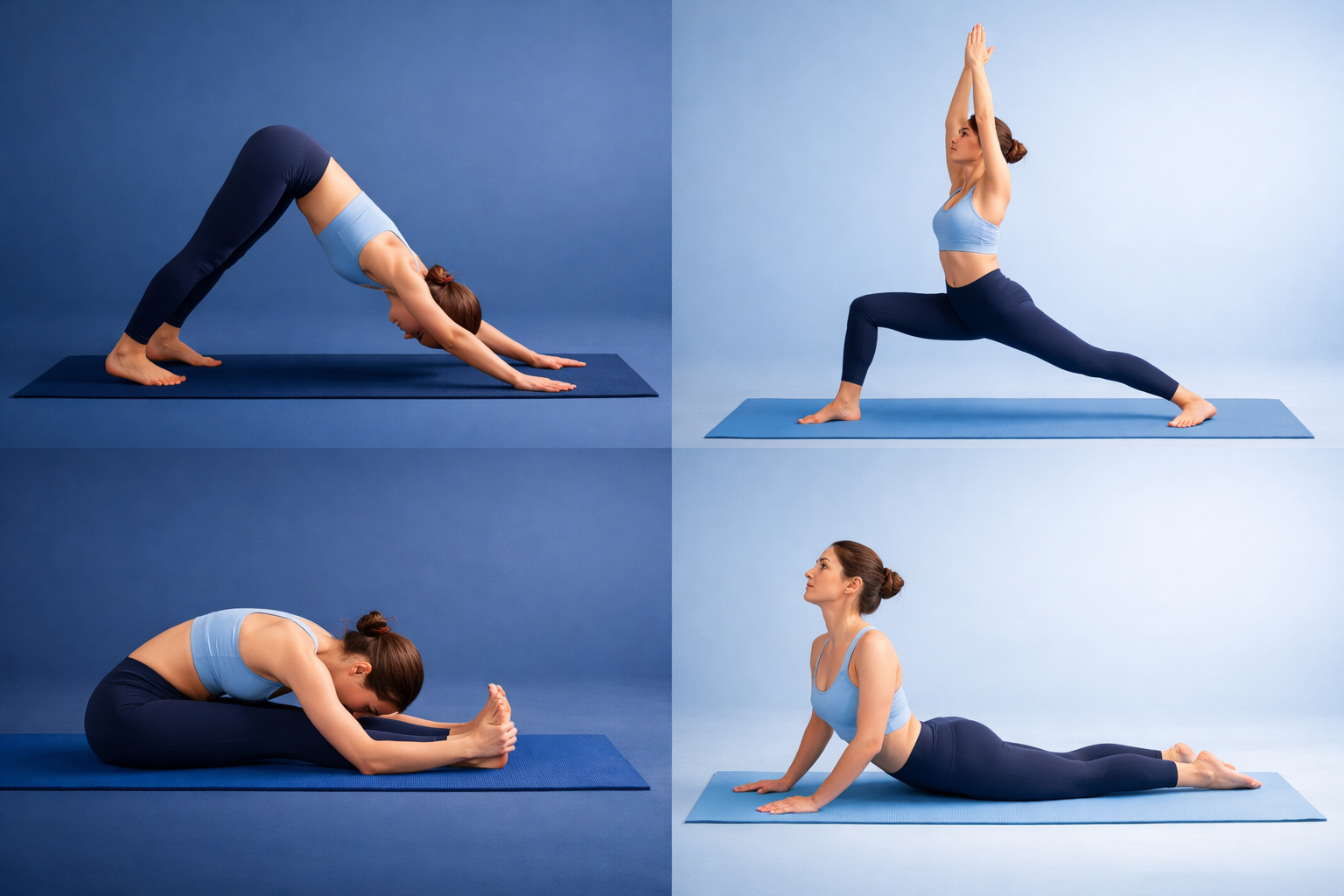
In the next section we will explore practical techniques for immediate regulation. Expect clear, step-by-step breathwork, body-based methods, and sensory tools that you can try today to begin shifting your nervous system toward calm.
Breathwork techniques for quick regulation
When you want to know how to calm your nervous system fast, breathing offers the clearest entry point. Breath affects heart rate, blood pressure, and vagus nerve tone. Use short, repeatable patterns that are easy to apply at a desk or in a bathroom break.
4-7-8 breathing
How to do it:
- Inhale gently through your nose for 4 seconds.
- Hold that breath for 7 seconds.
- Exhale slowly through your mouth for 8 seconds.
Why it works: slowing the cycle increases parasympathetic activity and can lower cortisol and heart rate. Start with two to four rounds and build up to six rounds when you feel comfortable.
Physiological sigh
How to do it:
- Take a quick double inhale through the nose or mouth.
- Follow with one long, slow exhale through the mouth.
This small pattern can reduce immediate arousal by releasing carbon dioxide efficiently and sending a safety signal to the brain. Use one to three sighs during a spike of anxiety or before sleep.
Practical tips for breathwork
- Anchor breath with hand on belly to encourage diaphragmatic breathing.
- Practice seated with good posture for 1 to 5 minutes, two to three times per day.
- If you feel dizzy, slow down and return to normal breathing. Stop if you experience chest pain.
Body and muscle relaxation that reduces tension
Pairing breathwork with movement and touch magnifies results. These body-based tools help you learn how to calm your nervous system through direct feedback from muscles and skin.
Progressive muscle relaxation
How to do it:
- Start at your feet. Tense the muscles gently for about five seconds.
- Release and notice the contrast as the tension leaves the area.
- Move up through calves, thighs, abdomen, chest, hands, arms, neck, and face.
Time and effect: a full cycle takes 10 to 20 minutes. Regular practice reduces chronic muscle tightness and improves sleep by teaching the body what true relaxation feels like.
Self-holding hugs and safe touch
Wrap your arms around yourself or place a hand on your heart and abdomen. Gentle pressure stimulates the vagus nerve and evokes a sense of safety. This is a quick, portable way to reduce alarm and can be combined with slow breathing for extra effect.
Sensory and grounding exercises to anchor attention
Sensory input shifts the brain from rumination to present moment awareness. These tools are useful when you feel overwhelmed and need a reliable reset.
5-4-3-2-1 grounding
Step-by-step:
- Name five things you can see.
- Name four things you can touch or feel.
- Name three things you can hear.
- Name two things you can smell.
- Name one thing you can taste.
Use this exercise to interrupt catastrophic thinking and return to your body. It is especially helpful for people who wonder how to calm your nervous system during panic.
Cold exposure for vagus activation
Simple methods include splashing cool water on the face, holding an ice cube briefly in the palm, or a short cold shower at the end of your routine. These inputs stimulate vagal pathways and produce a rapid downshift in arousal. Keep exposures brief and avoid extremes if you have cardiovascular issues.
How to combine methods and measure progress
Stack small tools for stronger effects. For example, do two rounds of 4-7-8 breathing, follow with a self-hug, then run a 5-4-3-2-1 grounding. Aim for daily practice. Track changes by noting sleep quality, mood swings, or using heart rate variability data if you use a wearable.
Learning how to calm your nervous system is about building habits that return your body to safety. Start small, practice consistently, and choose techniques that fit your day. If symptoms persist or worsen, consult a health professional for tailored care.
Sound And Voice Therapy For Nervous System Regulation
Sound and voice offer fast, accessible ways to nudge the nervous system toward calm. Vocal vibration stimulates the vagus nerve through the throat and chest. You do not need to be a singer. Simple, repetitive sounds and focused listening activate parasympathetic pathways and anchor attention away from threat-focused thinking.
Humming, Singing, And Simple Sounds
Try these easy voice exercises to calm your nervous system:
- Humming: Sit tall, inhale for four counts, then hum gently on a steady exhale for 20 to 30 seconds. Repeat three times.
- Sustained Mmm: Breathe in, shape your lips for an m sound, and sustain it for as long as comfortable. Feel vibration in your chest and throat.
- Singing a Line: Choose a short, familiar melody. Sing it slowly and softly, focusing on breath and resonance rather than performance.
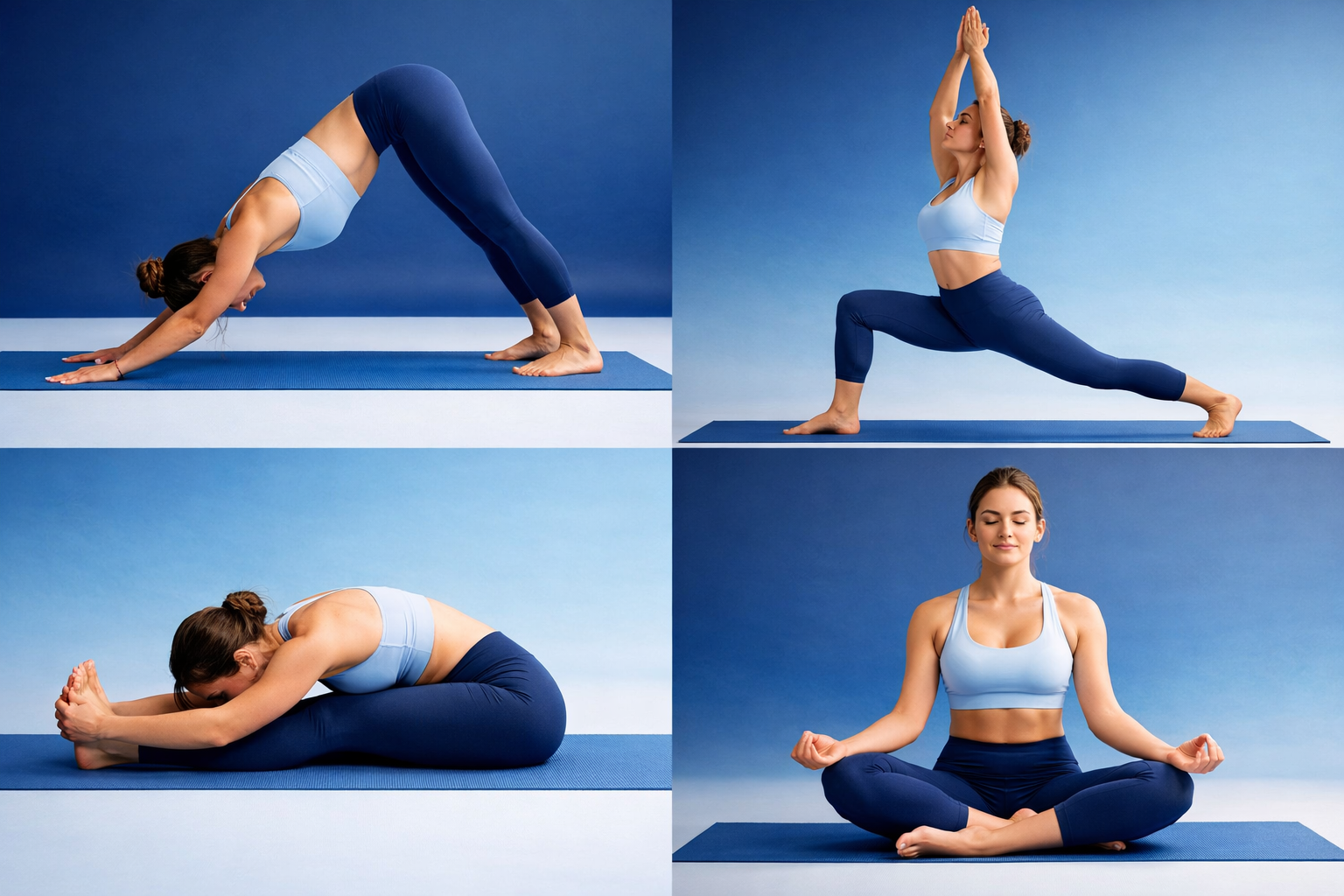
These actions increase vagal tone and create immediate sensory feedback. Use them before a stressful call, during a commute, or as a sleep transition to support how to calm your nervous system in real moments.
Mindful Music Listening
Listening with intention is different from background noise. Pick slow tempo tracks, natural soundscapes, or instrumental pieces without jarring transitions. Spend five to twenty minutes with headphones or in a quiet room. Focus on rhythm, breath, and bodily sensations that arise as you listen. This mindful practice enhances parasympathetic activation and helps build a habit for nervous system regulation.
Nature And Mindfulness Practices For Lasting Balance
Nature and mindfulness work together. Time outside lowers physiological stress markers, and mindful attention helps the brain accept safety signals from the environment. You do not need long hikes. Short, routine interactions with nature produce cumulative benefits.
Practical Nature Walks
- Micro Walks: Spend 10 to 20 minutes around a green space, courtyard, or tree-lined street. Walk slowly, notice textures, colors, and the feeling in your feet.
- Sensory Focus: Name three things you smell, two things you hear, and one thing you see that feels pleasant. This anchors attention without effort.
- Sunlight And Movement: Morning light and gentle movement support circadian rhythm and sleep, which helps you learn how to calm your nervous system over time.
Accessible Meditation Practices
Short meditations are the most sustainable for busy schedules. Options that pair well with the other techniques include:
- Two-Minute Body Scan: Bring awareness to the feet, then move upward, noticing tension and releasing it on the out-breath.
- Mindful Walking: Coordinate slow breaths with steps for five minutes to connect breath, movement, and environment.
- Loving-Kindness Mini Practice: Spend one minute sending calm thoughts to yourself on each exhale to reinforce safety and self-regulation.
These practices teach the nervous system new patterns. Over weeks, they reduce baseline reactivity and make it easier to respond rather than react.
Putting It Together: A Short Daily Sequence
Combine voice, nature, and mindfulness into a practical routine that fits your day:
- Morning: Two minutes of humming while making coffee or preparing for the day.
- Midday: Ten-minute mindful walk outside, focusing on senses.
- Evening: Five-minute body scan or slow music listening before bed.
Track one measurable change like sleep quality or mood for two weeks. Small, consistent steps are more powerful than occasional intense sessions when you aim to learn how to calm your nervous system for lasting results.
Final Thoughts
Sound, voice, nature, and brief mindfulness practices offer practical routes to steady your nervous system. Start with short routines and build them into your day. If symptoms persist or interfere with daily life, consult a healthcare professional for tailored advice. Try a simple seven-day challenge: pick one voice exercise and one nature practice, follow them every day, and note the difference.
Not sure what applies to you?
Use the Cenario quiz to narrow options before making changes.
Frequently Asked Questions
How long before I notice changes when I practice how to calm your nervous system?
You may feel immediate shifts in breath and heart rate after a single exercise, but consistent practice over two to four weeks usually produces clearer improvements in mood, sleep, and baseline reactivity when learning how to calm your nervous system.
Can I use sound and nature techniques alongside medication when trying to calm your nervous system?
Yes. Sound and nature techniques complement medical treatment for many people. Always tell your prescriber you are adding new practices so they can advise how to best combine approaches while helping you calm your nervous system safely.
Are short, daily practices effective for how to calm your nervous system?
Absolutely. Short, repeatable practices like one to ten minutes of humming, a brief mindful walk, or a two-minute body scan build regulation over time and are some of the most practical ways to calm your nervous system.