
In today’s fast-paced world, stress levels are at an all-time high. Whether it’s due to work pressures, financial challenges, or personal struggles, both mental and physical health can suffer under the weight of chronic stress. If left unmanaged, stress can impact sleep, digestion, immunity, and even increase your risk for serious health conditions.
While exercise, mindfulness, and rest are essential for stress management, research shows that nutrition, particularly the right vitamins and nutrients, can play a powerful role in helping the body manage stress more effectively. This article explores the best vitamins for stress relief, backed by science, and how they support both mental health and physical resilience.
1. Vitamin B Complex – The Foundation of Stress Support
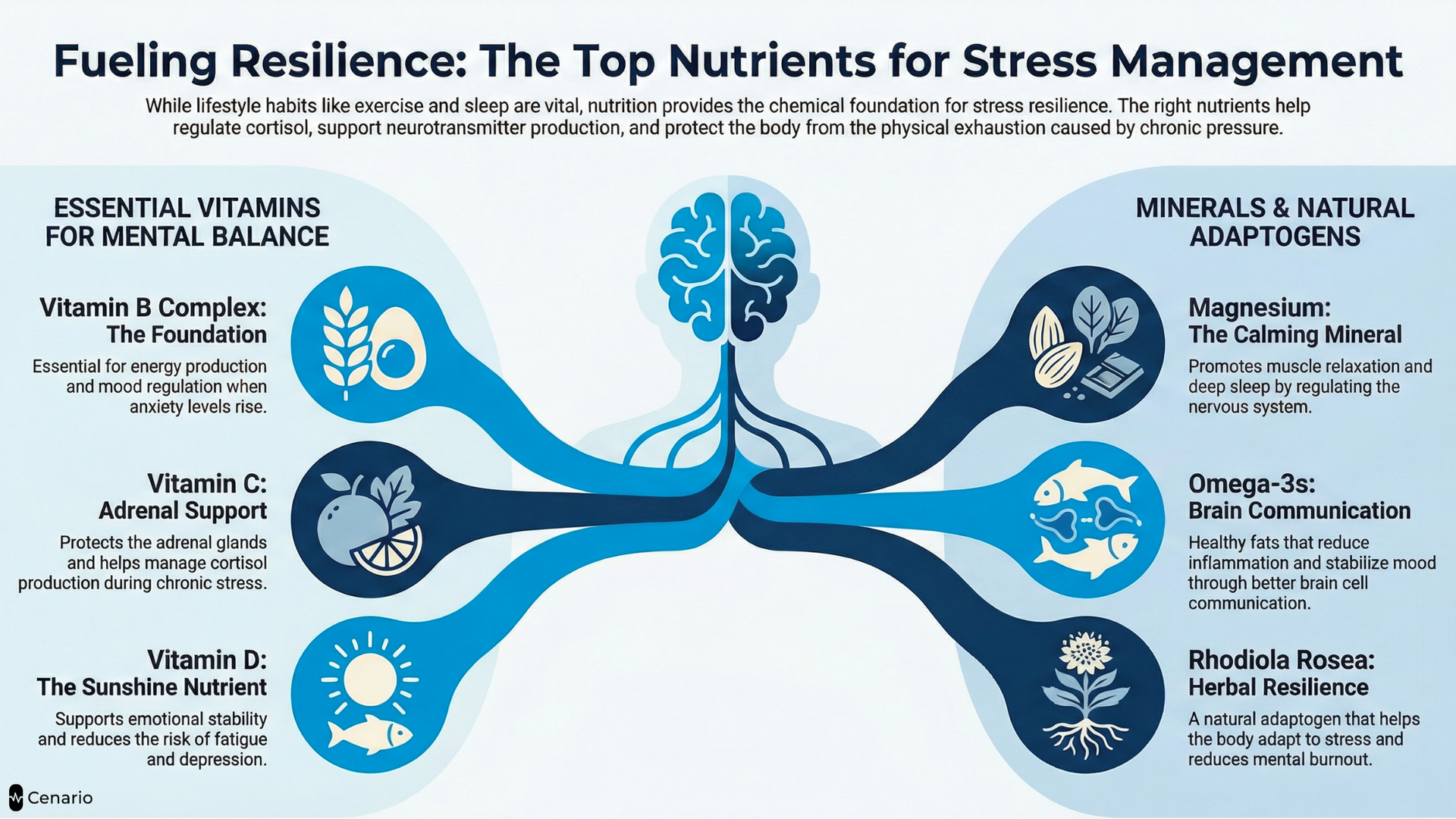
Among the most effective vitamins for stress, the Vitamin B complex stands out. This group of eight water-soluble vitamins plays a crucial role in energy production, brain function, and the regulation of mood, all vital when dealing with stress and anxiety.
Why B Vitamins Help:
- Vitamin B6 helps regulate the synthesis of neurotransmitters like serotonin and dopamine, essential for mood stability.
- Vitamin B12 supports nerve health and prevents fatigue.
- Folate (Vitamin B9) is critical for mental clarity and emotional balance.
When stress levels rise, your body’s demand for B vitamins increases, making vitamin supplementation or a B-complex formula a smart choice. You can also find B vitamins in foods like whole grains, eggs, leafy greens, legumes, and meat.
Tip: Look for a high-quality B-complex supplement with high doses of B6, B12, and folate for maximum benefit.
2. Vitamin C – Antioxidant Protection for Body and Mind
Often praised for boosting the immune system, Vitamin C is also a powerful ally in managing chronic stress. During stress, your adrenal glands use up more vitamin C to produce cortisol, the primary stress hormone. A deficiency in vitamin C can lead to increased anxiety, fatigue, and a weakened immune response.
How It Helps:
- Reduces the damaging effects of oxidative stress.
- Supports adrenal gland function.
- Promotes resilience during emotional and physical stress.
Sources include citrus fruits, kiwi, strawberries, bell peppers, and broccoli. Vitamin C is also available in supplement form, often in anti-inflammatory formulations that reduce inflammation caused by stress.
3. Magnesium – The Calming Mineral
Magnesium is essential for maintaining healthy nerve and muscle function, and it’s one of the first minerals to be depleted during times of high stress. A lack of magnesium can lead to irritability, anxiety, sleep disorders, and fatigue.
Magnesium’s Role in Stress Relief:
- Regulates neurotransmitters that calm the brain.
- Promotes deep sleep and muscle relaxation.
- Helps reduce cortisol production.
Rich sources of magnesium include spinach, almonds, avocados, pumpkin seeds, and dark chocolate. Magnesium glycinate and magnesium citrate are popular supplement forms known for their calming effects.
4. Vitamin D – The Sunshine Nutrient for Mental Health
There is a strong link between vitamin D and mental health. Low levels of vitamin D are associated with increased risk of stress and anxiety, depression, and fatigue. Since the body produces vitamin D when exposed to sunlight, deficiency is common, especially in winter or among those who spend most time indoors.
Benefits of Vitamin D:
- Regulates mood and supports emotional stability.
- Supports the immune system under stress.
- May help reduce symptoms of depression and anxiety.
Get vitamin D from sun exposure, fatty fish (like salmon and mackerel), fortified dairy products, and vitamin supplementation when necessary.
5. Omega-3 Fatty Acids – Brain Support and Anti-Inflammatory Power
While not a vitamin, omega-3 fatty acids are essential nutrients for brain function and emotional well-being. EPA and DHA, two key types of omega-3s, help reduce inflammation, stabilize mood, and support communication between brain cells.
How Omega-3 Helps Manage Stress:
- Reduces symptoms of chronic stress, anxiety, and depression.
- Decreases levels of stress hormone cortisol.
- Offers anti-inflammatory benefits to support overall physical and mental health.
Fatty fish like salmon, sardines, chia seeds, flaxseeds, and walnuts are great dietary sources. Omega-3 supplements, especially high-EPA formulas, are widely recommended for stress relief.
6. Rhodiola Rosea – The Herbal Adaptogen
While not a vitamin, Rhodiola Rosea is a natural adaptogenic herb that deserves mention. It helps the body adapt to stress, reduces mental fatigue, and supports balanced energy.
Rhodiola Rosea Benefits:
- Enhances resilience to physical and emotional stress.
- Reduces symptoms of burnout and anxiety.
- Supports adrenal function and balances cortisol levels.
Often combined with other nutrients in stress support formulas, rhodiola is ideal for those experiencing chronic stress or feeling overwhelmed by daily demands.
7. Amino Acids – Building Blocks of Stress Relief
Amino acids are the foundation of protein and are vital for brain chemistry. Some amino acids, like L-theanine, tryptophan, and tyrosine, support the production of mood-regulating neurotransmitters.
Amino Acids That Help:
- L-theanine (found in green tea) promotes calm and focused alertness.
- Tryptophan helps in serotonin production.
- Tyrosine supports dopamine production and focus under stress.
When combined with the above nutrients, amino acids can offer comprehensive support for both the mental and physical effects of stress.
Conclusion: Fuel Your Body with the Best Vitamins for Stress
Stress is inevitable, but suffering from it doesn’t have to be. By supporting your body with the right vitamins for stress, minerals, and nutrients, you can reduce the impact of stress and anxiety, restore energy, and protect your mental and physical health.
Let’s recap the top nutrients for stress management:
| Nutrient | Key Benefit | Source |
|---|---|---|
| Vitamin B6 & B-complex | Mood balance, energy, nerve health | Eggs, greens, grains |
| Vitamin C | Adrenal support, immune function | Citrus, peppers |
| Magnesium | Relaxation, cortisol control | Nuts, seeds, dark chocolate |
| Vitamin D | Emotional health, immune support | Sunlight, fatty fish |
| Omega-3 Fatty Acids | Brain health, mood support | Salmon, chia seeds |
| Rhodiola Rosea | Adaptogen, stress resilience | Herbal supplements |
| Amino Acids | Neurotransmitter support | Protein-rich foods, supplements |
For long-term stress relief, combine a balanced, nutrient-dense diet with other healthy habits like regular exercise, sleep, mindfulness, and if needed, vitamin supplementation.
Start taking care of your mental and physical health from the inside out, because real stress management starts with what you feed your body.
Take the Next Step: Get Your Personalized Supplement Plan
Everyone experiences stress differently. That’s why one-size-fits-all solutions don’t always work.
Take our quick quiz to get a personalized supplement recommendation designed to support your unique stress levels, lifestyle, and health goals.
Frequently Asked Questions
1. What are the best vitamins for stress and anxiety?
The best vitamins for managing stress and anxiety include Vitamin B6, Vitamin B12, Vitamin C, Vitamin D, and Magnesium. These nutrients help regulate stress hormone levels, support neurotransmitter production, and improve both mental and physical resilience. Omega-3 fatty acids and adaptogens like Rhodiola Rosea also play a powerful role in reducing the effects of chronic stress.
2. Can taking high doses of vitamins help with stress relief?
In some cases, high doses of certain vitamins, like B-complex or magnesium may be recommended by health professionals to manage severe stress symptoms. However, it’s important to consult with your doctor before starting vitamin supplementation, as excessive intake can lead to unwanted side effects. Always follow dosage guidelines on the label or from a licensed healthcare provider.
3. How long does it take for vitamins to help with stress?
While some people may notice improvements in energy levels, mood, or stress relief within a few days, it typically takes 2–4 weeks of consistent supplementation and a healthy diet to see significant results. Nutrients like vitamin D, magnesium, and omega-3 fatty acids support long-term stress management, so patience and consistency are key.