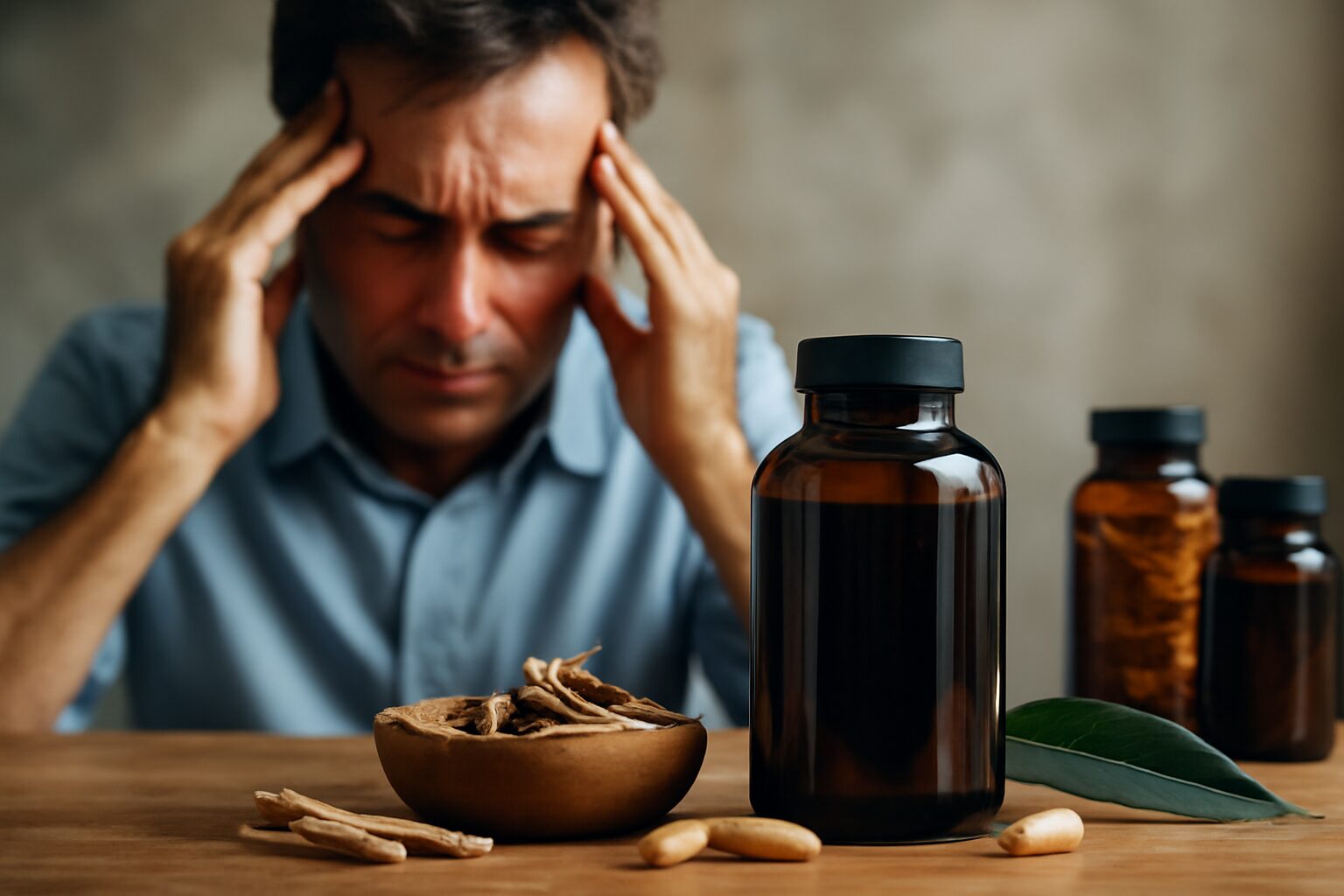

The Role of Cortisol in Stress
In today’s fast-paced world, stress has become a constant companion for many. This modern-day stress epidemic has profound effects on our bodies, primarily through the release of cortisol, often referred to as the “stress hormone.” Understanding cortisol’s role is crucial as it helps us manage stress, but when levels remain elevated due to chronic stress, it can lead to a host of health issues, including anxiety, weight gain, and a weakened immune system.
Cortisol is a hormone produced by the adrenal glands, and it plays a vital role in the body’s response to stress. It helps regulate metabolism, reduce inflammation, and control the sleep-wake cycle. However, when stress becomes chronic, cortisol levels can remain high, causing detrimental effects on the body. Prolonged elevated cortisol can lead to serious health concerns, such as increased abdominal fat, elevated blood pressure, and impaired cognitive performance.
Natural Supplements for Managing Cortisol
As awareness of the negative impacts of chronic stress grows, so does interest in natural supplements to lower cortisol levels. Among these, ashwagandha has emerged as a prominent solution. Known for its adaptogenic properties, ashwagandha helps the body adapt to stress and maintain balance. Adaptogens are natural substances that enhance the body’s resilience to stress, and ashwagandha is considered one of the most effective in this category.
Research supports ashwagandha’s ability to significantly reduce cortisol levels in stressed individuals. This herb, scientifically known as Withania somnifera, has been the subject of numerous studies and clinical trials, consistently demonstrating its effectiveness in managing stress-related cortisol spikes. With typical dosages ranging from 250 to 600 mg per day, ashwagandha offers a natural and safe option for those looking to manage their stress levels effectively.

Exploring the Benefits of Adaptogens
While ashwagandha takes the spotlight, other adaptogens also play a supporting role in stress management. Rhodiola rosea, holy basil, and ginseng are known for their ability to support adrenal health and modulate stress responses. These natural supplements, alongside magnesium and omega-3 fatty acids, contribute to a comprehensive approach to lowering cortisol levels and enhancing overall well-being.
Incorporating natural supplements like ashwagandha into a daily routine can be a powerful step towards managing stress and its physiological impacts. As we continue to explore the benefits of adaptogens, it becomes clear that nature offers effective solutions for achieving balance in our hectic lives.
Ashwagandha: The Star Adaptogen
Ashwagandha, often hailed as the star adaptogen, stands out due to its extensive scientific backing. Numerous systematic reviews and clinical trials have consistently demonstrated its effectiveness in reducing cortisol levels, particularly in individuals experiencing stress. Studies have shown that ashwagandha supplementation can lead to significant reductions in cortisol, making it a reliable choice for those looking to manage stress naturally.
Scientific Backing
The robust evidence supporting ashwagandha’s efficacy is impressive. Research indicates that daily doses ranging from 250 to 600 mg can significantly lower cortisol levels. This adaptogen has been the subject of various studies, which have highlighted its ability to improve stress-related symptoms and enhance overall well-being. The standardized extracts KSM-66 and Sensoril are particularly popular due to their high potency and consistent results in clinical settings.
Dosage and Forms
When considering ashwagandha supplementation, it’s important to understand the different forms and dosages available. Standardized extracts like KSM-66 and Sensoril are highly recommended, offering unique benefits. KSM-66 is known for its full-spectrum root extract, while Sensoril combines both root and leaf extracts for a synergistic effect. A typical dosage ranges from 250 to 600 mg per day, depending on individual needs and health goals.
| Extract | Composition | Benefits |
|---|---|---|
| KSM-66 | Full-spectrum root extract | Enhances stress resilience, improves memory and cognition |
| Sensoril | Root and leaf extract | Supports energy levels, reduces stress and anxiety |
Safety Profile
Ashwagandha is generally safe for most users, with minimal adverse effects reported in studies. It is well-tolerated and considered safe for long-term use. However, as with any supplement, it is advisable to consult with a healthcare provider before starting ashwagandha, especially for individuals with underlying health conditions or those taking other medications.
Supporting Adaptogens and Nutrients
Rhodiola Rosea
Rhodiola rosea is another adaptogen known for its ability to decrease morning cortisol response and improve stress symptoms. Although the evidence is less robust than for ashwagandha, it is still a valuable addition to a stress management regimen. Rhodiola is particularly effective in enhancing mental performance and reducing fatigue.
Holy Basil, Ginseng, and Cordyceps
Holy basil (Tulsi), ginseng, and cordyceps are adaptogens that support adrenal health and help modulate stress responses. While they may not directly lower cortisol levels, they contribute to overall stress resilience and well-being. These adaptogens can be used in combination with ashwagandha for a more comprehensive approach to stress management.
Magnesium and Omega-3 Fatty Acids
Magnesium and omega-3 fatty acids are essential nutrients that play a crucial role in stress reduction. Magnesium is known for its relaxing properties and can help lower cortisol levels, particularly in individuals with a deficiency. Omega-3 fatty acids, on the other hand, have been shown to significantly reduce cortisol levels in high doses, making them a valuable addition to any stress management plan.

Conclusion
Incorporating natural supplements like ashwagandha, along with other adaptogens and nutrients, can significantly aid in managing cortisol levels and reducing stress. By understanding the unique benefits and applications of these supplements, individuals can take a proactive approach to improving their overall health and well-being. However, it is essential to consult with a healthcare provider to tailor a regimen that suits individual needs and ensures safety.
Other Ingredients and Their Roles
Beyond the well-documented benefits of ashwagandha, several other natural supplements can play a role in managing cortisol levels. One such supplement is L-theanine, an amino acid found in green tea. L-theanine is noted for its calming properties, helping to promote relaxation and potentially blunt cortisol spikes. This makes it an appealing quick-acting option for those seeking immediate stress relief.
Vitamin C is another supplement that has shown promise in reducing stress symptoms and lowering cortisol levels. As an antioxidant, vitamin C supports the body’s stress response and is often recommended as a complementary intervention alongside primary adaptogens. Its inclusion in a stress management regimen can bolster overall health and enhance the effectiveness of other supplements.
Practical Advice and Considerations
Integration into Lifestyle
While natural supplements to lower cortisol are beneficial, their effectiveness is maximized when integrated into a broader lifestyle strategy. This includes maintaining a balanced diet rich in whole foods, engaging in regular physical activity, and ensuring adequate sleep. These lifestyle factors work synergistically with supplements to promote optimal stress management and overall well-being.
Safety and Consultation
As with any supplement regimen, safety is paramount. It is crucial to consult with healthcare providers before starting any new supplement, especially for individuals with existing health conditions or those taking other medications. This ensures that the chosen supplements are appropriate for individual needs and reduces the risk of potential interactions.
Frequently Asked Questions
What is cortisol, and why is it important to manage its levels?
Cortisol is a hormone produced by the adrenal glands, playing a key role in the body’s stress response. Managing its levels is crucial because chronic high cortisol can lead to health issues like anxiety, weight gain, and weakened immune function. Natural supplements to lower cortisol can help mitigate these effects.
How does ashwagandha specifically help in reducing cortisol?
Ashwagandha helps reduce cortisol by acting as an adaptogen, which modulates the body’s stress response. Studies have shown that ashwagandha supplementation can significantly lower cortisol levels, making it an effective natural supplement to lower cortisol.
Are there any side effects associated with taking ashwagandha?
Ashwagandha is generally considered safe for most people, with minimal adverse effects reported. However, it is always advisable to consult with a healthcare provider before starting any supplement regimen to ensure it is suitable for individual health needs.
Can I take ashwagandha with other medications or supplements?
While ashwagandha is generally safe, it is important to consult with a healthcare provider before combining it with other medications or supplements. This helps to avoid potential interactions and ensures the safe use of natural supplements to lower cortisol.
How long does it typically take to see results from ashwagandha supplementation?
Results from ashwagandha supplementation can vary, but many individuals begin to notice improvements in stress levels and cortisol reduction within a few weeks of consistent use. It is important to follow recommended dosages and consult with a healthcare provider for personalized guidance.
What are some lifestyle changes that can complement the use of natural supplements for stress management?
In addition to using natural supplements to lower cortisol, incorporating lifestyle changes such as a balanced diet, regular exercise, and adequate sleep can enhance stress management. These practices support overall health and work synergistically with supplements to improve well-being.