Boost Your Mood Naturally With Top Supplements
Boost Your Mood Naturally with Top Supplements focuses on practical, evidence-aware ways to support emotional wellbeing in everyday life. Mood influences how you work, connect with others, sleep, and respond to stress. While therapy, quality sleep, regular movement, and balanced nutrition remain the foundation of mental health, targeted supplements can provide additional support when used thoughtfully.
Natural supplements are not meant to replace professional care. Instead, they can help fill nutritional gaps, support stress resilience, and improve energy or emotional balance for people looking to avoid relying only on pharmaceuticals.
Why Mood Management Matters
Mood plays a direct role in daily performance and long-term health. Persistent low mood can lower motivation, reduce focus, interfere with sleep, and amplify stress responses. Over time, this can affect productivity, relationships, and physical wellbeing.
Addressing mood early and proactively helps maintain clarity, consistency, and emotional resilience. This is one reason many people explore lifestyle changes and nutritional support before considering medication. As a result, interest in the best mood boosting supplements has grown, along with products designed to support serotonin balance, dopamine signaling, and nervous system regulation.
Why People Choose Supplements for Mood Support
Supplements appeal to people who want flexible, lower-barrier options that fit into daily routines. When chosen carefully, they may support brain chemistry, stress adaptation, or sleep quality with fewer systemic effects than some prescription treatments.
Common reasons people explore supplements include:
- Targeted nutritional support for serotonin, dopamine, or GABA pathways
- Interest in fewer or milder side effects compared with some medications
- Easy access and simple integration into existing routines
Popular terms you may see include natural mood boosters, mood-enhancing supplements, and best supplements for mood support. Many modern formulas combine adaptogens, bioavailable B vitamins, minerals, and amino acid precursors to address multiple pathways at once.
It is important to remember that effectiveness varies. Supplements tend to work best when they correct a deficiency or support a clearly defined need, rather than being used as a one-size-fits-all solution.
What This Guide Will Help You Understand
This guide is designed to clarify what actually matters when people search for the best mood boosting supplements. Rather than hype or quick fixes, the focus is on realistic benefits, safety, and how ingredients work together.
You will learn:
- Which supplements are most commonly used to support mood and stress
- What each ingredient is known to do and who may benefit most
- How long benefits typically take to appear
- Why testing, dosing, and interactions matter
In Part 2, we will take a closer look at specific options such as ashwagandha, B vitamins, saffron, L-theanine, magnesium, and 5-HTP. We will also cover the science behind these ingredients, typical dosing ranges, and practical safety considerations.
How to Take the Next Step
If you want to explore options in more detail:
- Browse product categories to compare formulations and ingredient profiles
- Use the dictionary to understand supplement terms and mechanisms
- Take the quick quiz to identify which approaches may align with your goals
Starting with information and clarity makes it easier to choose supplements that support your mood safely and effectively. In the next section, we will move from overview to specifics so you can decide which options are worth your attention and which to skip.
Top Mood-Boosting Supplements in Detail
Below are the ingredients most often recommended when people search for the best mood boosting supplements. Each entry explains how it works in the body, typical dose ranges used in studies or clinical practice, and key safety considerations. Use this as a practical reference when comparing options or preparing questions for a clinician.
These supplements are best viewed as adjuncts. They support mood by addressing stress physiology, neurotransmitter balance, or nutrient gaps, rather than acting as stand-alone treatments for clinical depression or anxiety.
Ashwagandha
Ashwagandha is an adaptogenic herb traditionally used to improve stress tolerance. Modern research focuses on its effect on the hypothalamic-pituitary-adrenal (HPA) axis, which regulates cortisol and stress response.
Several randomized controlled trials show reduced perceived stress, lower cortisol levels, and modest improvements in mood and sleep when standardized extracts are used consistently.
- Mechanism: modulates cortisol, reduces inflammatory signaling, supports stress adaptation
- Typical dose: 300 to 600 mg daily of a standardized extract (such as KSM-66 or Sensoril)
- Best for: chronic stress, burnout, poor stress recovery
- Precautions: avoid during pregnancy; use caution with thyroid medication or sedatives
Ashwagandha tends to work gradually, with noticeable effects often appearing after two to six weeks.
B Vitamins (B6, Folate, B12)
B vitamins are foundational for brain chemistry. They act as cofactors in the synthesis of serotonin, dopamine, and norepinephrine and are essential for cellular energy metabolism.
Methylated forms are often preferred, especially for people with reduced methylation efficiency.
- Mechanism: supports neurotransmitter synthesis and energy metabolism
- Typical dose: varies by product; many B-complex formulas meet daily needs in one capsule
- Best for: low energy, brain fog, stress vulnerability, dietary gaps
- Notes: choose methylfolate (B9) and methylcobalamin (B12) when possible
Benefits are strongest when correcting a deficiency. Blood testing for B12 or folate can help guide use.
Saffron
Saffron is one of the most studied botanical options for mood. Multiple trials have found antidepressant-like effects comparable to low-dose SSRIs in mild to moderate cases, without many of the same side effects.
- Mechanism: modulates serotonin signaling and reduces oxidative stress
- Typical dose: 28 to 30 mg daily of a standardized extract
- Best for: low mood, emotional eating, sleep-related mood issues
- Precautions: use standardized extracts; avoid excessive dosing
Saffron tends to show effects within four to eight weeks and is often well tolerated.
L-Theanine
L-theanine is an amino acid known for promoting calm alertness. It increases alpha brain wave activity and influences dopamine and GABA pathways without causing sedation.
- Mechanism: supports GABA and dopamine, increases alpha wave activity
- Typical dose: 100 to 200 mg, once or twice daily
- Best for: anxiety, irritability, stress-related focus issues
- Notes: often paired with caffeine or magnesium for balanced effects
Many people notice effects within hours to days, making it useful for situational stress.
Magnesium
Magnesium is involved in hundreds of enzymatic reactions and plays a key role in nervous system regulation. Low intake is common, especially during chronic stress.
- Mechanism: regulates NMDA receptors, supports muscle and nervous system relaxation
- Typical dose: 200 to 400 mg elemental magnesium daily
- Best for: anxiety, sleep problems, tension, irritability
- Forms to prefer: glycinate, citrate, or threonate
- Side effects: loose stools at higher doses
Magnesium is often used in the evening to support sleep and recovery.
5-HTP
5-HTP is a direct precursor to serotonin and crosses the blood-brain barrier. It can increase serotonin availability more directly than most nutrients.
- Mechanism: increases serotonin synthesis
- Typical dose: 50 to 300 mg daily, often divided
- Best for: low mood, sleep onset issues
- Major caution: do not combine with SSRIs, MAOIs, or other serotonergic drugs without medical supervision
Because of interaction risk, 5-HTP should be used cautiously and intentionally.
How These Supplements Compare
| Supplement | Primary Target | Best For | Typical Onset | Interaction Risk |
|---|---|---|---|---|
| Ashwagandha | Cortisol, stress axis | Burnout, chronic stress | 2–6 weeks | Low–moderate |
| B Vitamins | Neurotransmitter synthesis | Low energy, deficiency | 4–12 weeks | Low |
| Saffron | Serotonin modulation | Mild low mood | 4–8 weeks | Low |
| L-Theanine | GABA, dopamine | Anxiety, irritability | Days | Very low |
| Magnesium | Nervous system calm | Sleep, tension | 1–4 weeks | Low |
| 5-HTP | Serotonin | Mood, sleep | 1–3 weeks | High |
Dosage, Synergies, and Safety
Combining supplements can be effective when done thoughtfully.
Common supportive combinations include:
- B-complex + magnesium for foundational support
- Ashwagandha + L-theanine for stress and calm focus
- Magnesium + L-theanine for sleep and anxiety
Safety principles to follow:
- Start with one supplement at a time
- Increase doses gradually
- Avoid combining multiple serotonin-boosting compounds
- Track mood, sleep, digestion, and anxiety changes
If you experience worsening anxiety, insomnia, or digestive symptoms, stop and reassess.
Gut Health and Probiotics
Mood is closely tied to gut health through immune signaling and neurotransmitter production. Probiotics can complement mood supplements, especially if digestive symptoms, antibiotic use, or chronic inflammation are present.
When choosing probiotics:
- Look for clearly listed strains
- Check CFU counts at end of shelf life
- Prefer products designed for mental wellbeing
Probiotics are not fast-acting mood boosters but can support longer-term emotional balance.
Key Takeaway
The best mood boosting supplements work by supporting stress regulation, neurotransmitter balance, and foundational nutrition. Results depend on choosing evidence-based ingredients, using appropriate doses, and matching supplements to your specific symptoms.
If you want help narrowing options:
- Explore product categories
- Take the mood and nutrition quiz
- Or discuss choices with a healthcare professional
Supplements are most effective when paired with sleep, movement, stress management, and realistic expectations.
2025 Trends to Watch in Mood-Boosting Supplements
The supplement space is shifting quickly, and 2025 is shaping up to be a year where transparency and targeting matter more than hype. Consumers are more informed, regulators are watching closely, and brands are being pushed to show their work.
Key trends gaining traction include:
Clinical dosing transparency
More brands are publishing ingredient amounts that actually match doses used in human trials. This makes it easier to compare products and reduces the guesswork that has plagued mood supplements for years.
Advanced delivery systems
Liposomal and other enhanced delivery formats are expanding, especially for B vitamins and magnesium. These systems aim to improve absorption and reduce gastrointestinal side effects, which is particularly relevant for people with digestive sensitivity.
Targeted adaptogen blends
Instead of generic stress formulas, newer products are pairing specific adaptogens like ashwagandha with rhodiola or saffron to address multiple stress and mood pathways at once. The emphasis is shifting from “more ingredients” to “better combinations.”
Dopamine-focused formulations
Historically, mood supplements focused almost entirely on serotonin. Newer formulas are explicitly addressing dopamine balance to support motivation, focus, and emotional drive, especially in people who feel flat or burned out rather than anxious.
If you want to see how these trends translate into real products, explore our product categories, look up unfamiliar terms in the dictionary, or take the personalized quiz to identify which approaches align with your goals.
Additional Considerations for Using Mood Supplements Effectively
Knowing which ingredients matter is only half the equation. How you choose, dose, and combine supplements determines whether they help or frustrate you.
Choosing Quality Products
Quality varies widely in this category. To reduce risk and increase effectiveness:
- Look for third-party testing or verification seals that confirm purity and potency
- Avoid proprietary blends that hide individual ingredient amounts
- Prefer bioavailable forms, such as methylated B vitamins or magnesium glycinate
- Compare cost per effective dose, not just bottle price
Products marketed as the best mood boosting supplements should be able to explain exactly what is inside and why.
Timing, Dosing, and Cycling
Even good supplements can disappoint if used incorrectly.
Timing tips
- Take B vitamins in the morning to support energy without disrupting sleep
- Use magnesium in the evening to promote relaxation
- Take fat-soluble ingredients like vitamin D or omega-3s with meals
Dosing approach
- Start at the lower end of the recommended range
- Increase gradually only if tolerated
- Give each supplement enough time to work before adding another
Cycling adaptogens
Adaptogens like ashwagandha often work best when cycled. A common pattern is 6 to 8 weeks on, followed by a short break, to avoid diminishing returns.
Synergy and Safe Stacking
Some combinations work well together, but stacking should be intentional.
Examples of thoughtful combinations
- B-complex plus an adaptogen for stress-related fatigue
- Magnesium plus L-theanine for irritability and sleep onset issues
- Omega-3s alongside foundational nutrients for longer-term mood support
Combinations to avoid
- 5-HTP with SSRIs or other serotonergic drugs without medical approval
- Multiple products that contain the same active ingredient at high doses
When in doubt, simpler stacks are safer and easier to evaluate.
Gut Health and Targeted Probiotics
Mood and digestion are closely linked. If you have a history of antibiotic use, bloating, or irregular digestion, gut-targeted support can amplify the effects of mood supplements.
Look for probiotics that:
- List specific strains, not just species
- Provide clear CFU counts at end of shelf life
- Include storage guidance
Strains such as Lactobacillus rhamnosus and Bifidobacterium longum are among those studied for mood-related effects.
When to Test and When to Consult a Clinician
Supplements work best when guided by data.
Consider testing:
- Vitamin B12
- Vitamin D
- Ferritin (iron status)
- Magnesium (interpreted clinically, not in isolation)
If you take prescription medication, are pregnant, or have a chronic medical condition, consult a clinician before starting any new supplement. A focused trial of four to eight weeks is usually enough to see whether a product is helping.
Practical Buying Checklist
Before purchasing any product marketed as the best mood boosting supplement, confirm:
- Ingredient doses align with clinical research
- Third-party testing or certificates are available
- Expiration dates and storage instructions are clear
- Reviews mention tolerability, not just “feeling good”
Use our product categories to compare formulas side by side and assess value per dose.
Final Thoughts and Next Steps
Mood supplements can be useful tools, but they are most effective when used deliberately. Prioritize quality, realistic dosing, and safe combinations. Track changes in mood, sleep, and appetite so you can make informed adjustments rather than guessing.
If you want help narrowing options, take the quiz for personalized guidance or review definitions in the dictionary to better understand ingredient roles.
Start with one change, give it time, and reassess after a month. Small, consistent steps often produce the most reliable improvements.
Looking for the best option is pointless if it is not right for you.
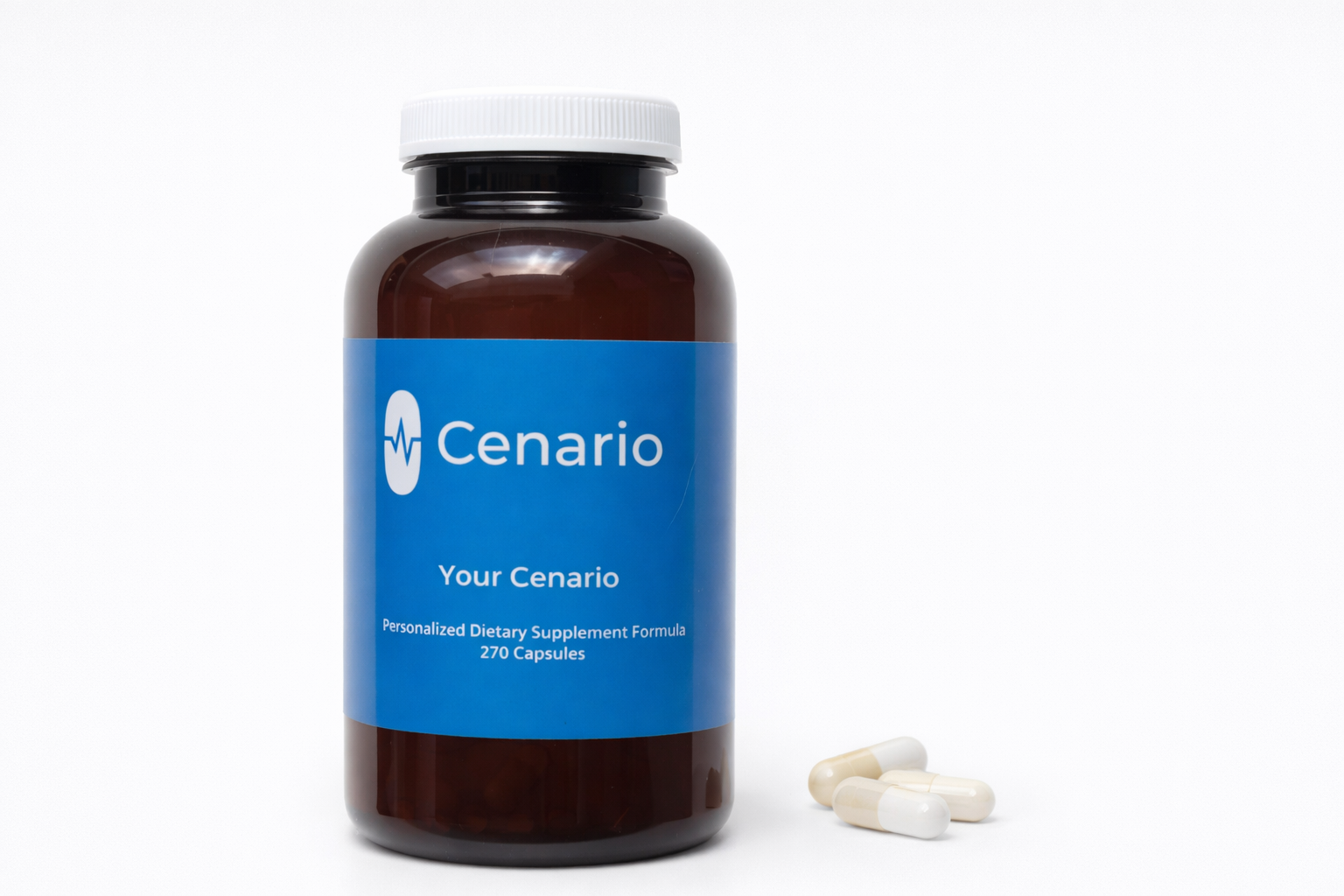
Take the Cenario Quiz and get a personalized, science-backed recommendation in under 3 minutes.
Frequently Asked Questions
What are common side effects of mood boosting supplements?
Side effects depend on the ingredient and dose. Mild digestive upset, headaches, or sleep changes are the most common. Starting low and increasing gradually reduces risk.
Can I take mood supplements with prescription medication?
Always check with your prescriber. Interactions are possible, especially with serotonergic drugs, sedatives, and blood thinners.
How long until I notice benefits?
Many people notice subtle changes within two to four weeks, with clearer effects by six to eight weeks when using the best mood boosting supplements consistently.
Are mood supplements safe during pregnancy or breastfeeding?
Many are not recommended. Always consult a healthcare provider before starting supplements during pregnancy or breastfeeding.