
As we age, it’s natural to experience changes in our cognitive abilities, including memory loss. This is a common aspect of cognitive aging, where the brain’s ability to process and recall information gradually declines. While these changes are a normal part of getting older, they can be frustrating and concerning for many individuals. In recent years, there has been a growing interest in using supplements to support cognitive health and combat memory loss in older adults. These supplements are often seen as a promising avenue to help maintain mental sharpness and improve memory function.
The Rise of Supplements for Memory Loss
The allure of supplements lies in their non-invasive nature, offering a potentially simple solution to support brain health. Unlike more invasive treatments, supplements can be easily integrated into daily routines, making them an attractive option for many seeking to enhance their cognitive function. This has led to a booming market for brain health supplements, with consumers eager to find products that promise to boost memory and cognitive performance.
However, with the plethora of supplements available, it’s crucial to focus on evidence-based choices. Not all supplements are created equal, and the scientific backing for their effectiveness can vary significantly. Understanding which supplements have been proven to support memory loss and cognitive health is essential for making informed decisions.
Why Consider Supplements?
Supplements for memory loss have garnered attention due to their potential benefits without the need for prescription medications or invasive procedures. They are often marketed as a way to enhance mental clarity, focus, and memory retention. As people search for ways to maintain their cognitive health as they age, the appeal of supplements continues to grow.
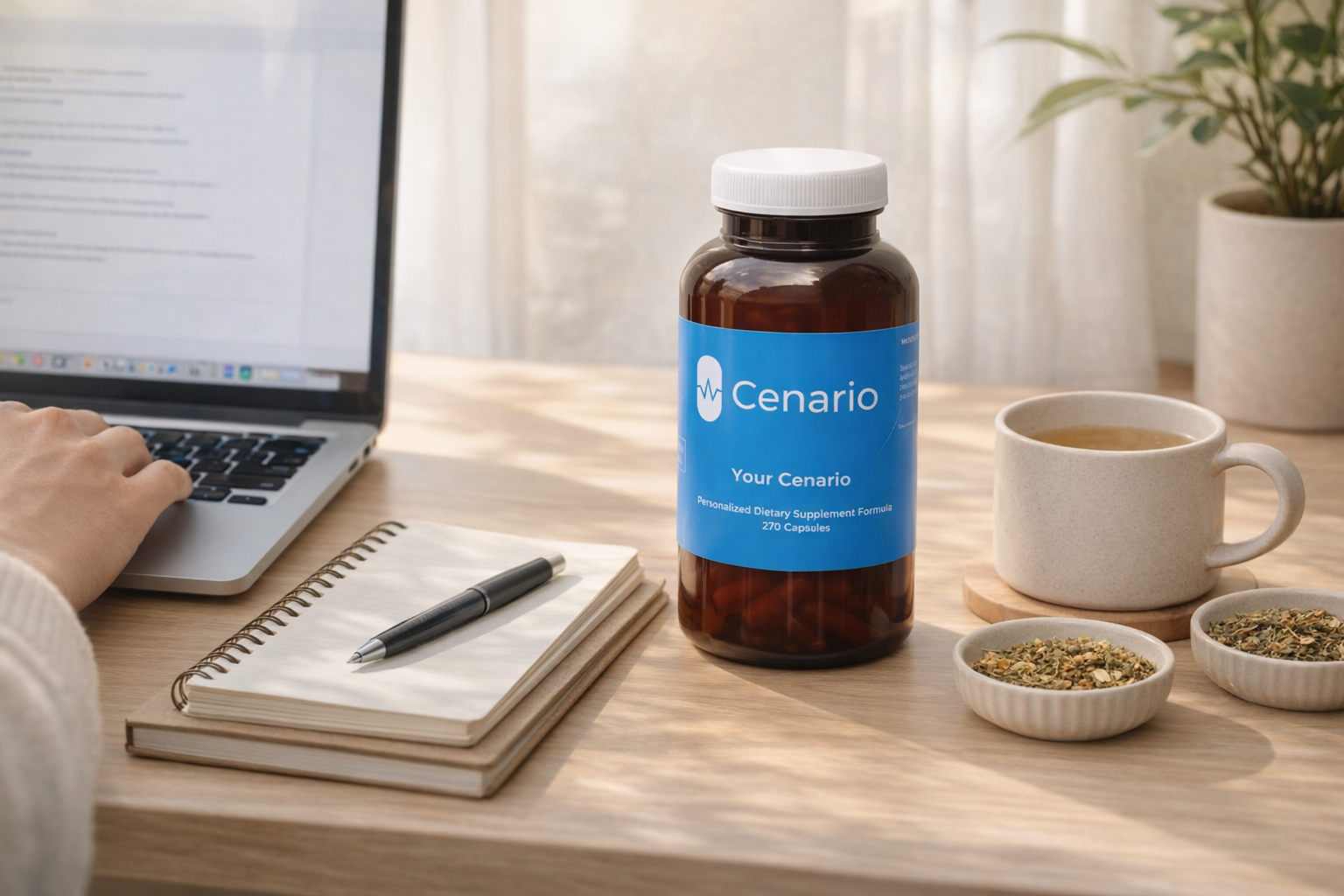
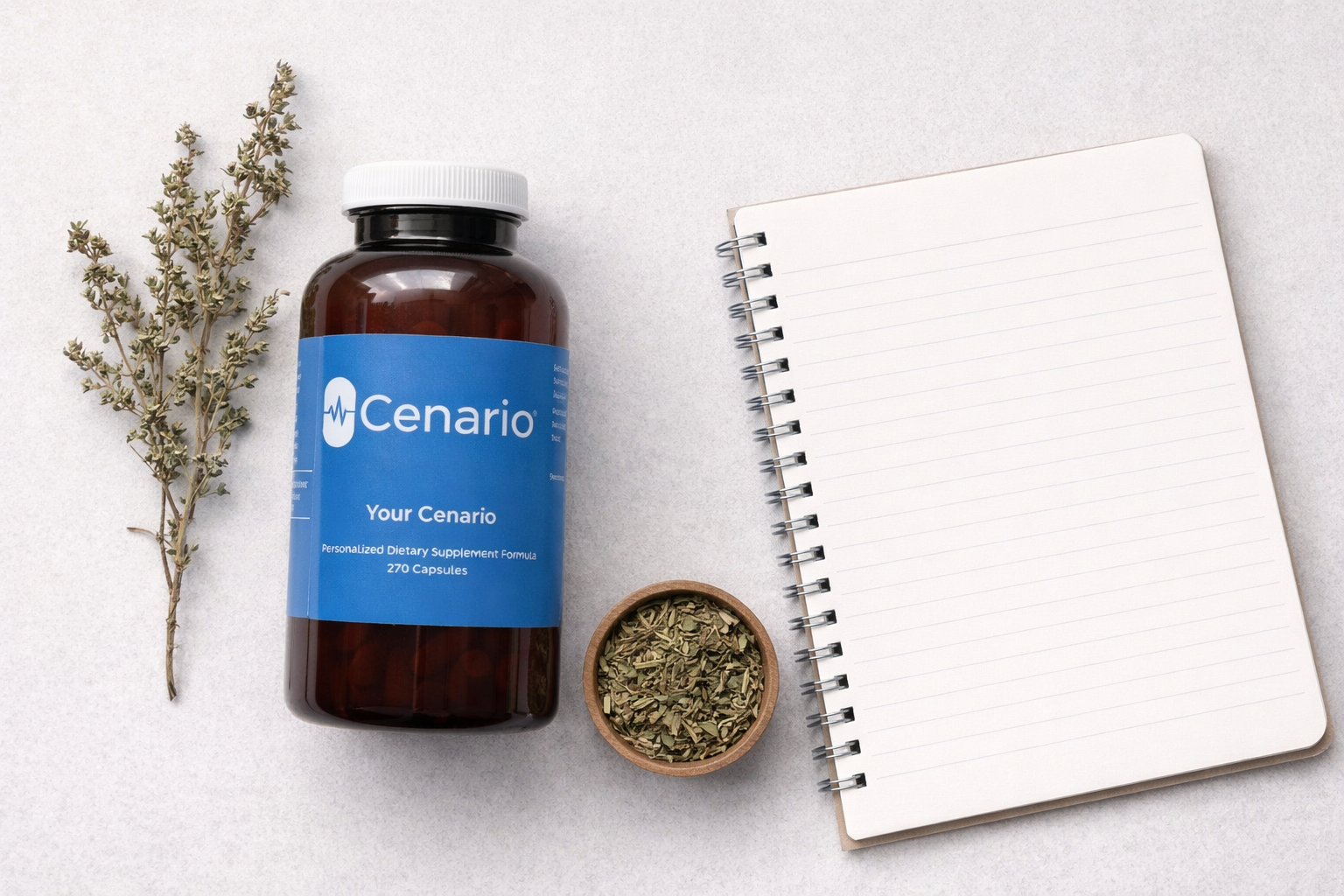
Many people look for ways to improve mental clarity, energy, and overall wellbeing, but choosing the right supplement can feel overwhelming. With countless options on the market, focusing on solutions tailored to your individual needs can make a meaningful difference. The right combination of nutrients may support brain health, help regulate stress responses, and improve daily focus.
Explore more about personalized wellness and discover the right approach for your goals:
https://cenario.com/quiz
Find more guides here:
https://cenario.com/blog/
The increasing consumer interest in brain health supplements reflects a broader desire to take proactive steps in preserving cognitive function. With aging populations worldwide, the demand for solutions to support mental acuity is more pertinent than ever. As we delve deeper into the world of supplements for memory loss, it’s important to prioritize products backed by credible research and to approach claims with a critical eye.
In the following sections, we will explore the scientific evidence behind popular supplements, the mixed results they yield, and expert opinions on their effectiveness. By understanding the current landscape of memory loss supplements, you can make informed choices that align with your cognitive health goals.
Multivitamin Supplements: The Scientific Evidence
Multivitamin supplements have emerged as a promising option for supporting memory and cognitive function in older adults. Recent studies, such as the COSMOS trial, have provided substantial evidence on the benefits of daily multivitamin intake. These studies indicate that multivitamins can modestly improve memory and slow the progression of cognitive decline in healthy older adults. The effects are comparable to delaying memory aging by approximately two to three years.
It’s important to note that these benefits are primarily observed in individuals without dementia or Alzheimer’s disease. The positive impact of multivitamins is particularly significant for those with underlying cardiovascular conditions. The studies utilized commercial multivitamins containing over 20 micronutrients, although they did not investigate the effects of individual vitamins separately.
Targeted Brain Health Supplements: A Mixed Bag
When it comes to targeted brain health supplements, the evidence is more varied. Popular options like Prevagen (apoaequorin), phosphatidylserine, phosphatidylcholine, ginkgo biloba, Huperzine A, vitamin D, vitamin E, and carnitine have garnered attention. However, the scientific support for their efficacy in enhancing memory is mixed or inconclusive.
Many of these supplements have been examined in small, company-sponsored trials, which often report limited benefits. Independent research, on the other hand, tends to highlight the lack of robust evidence supporting their effectiveness. For instance, while some studies suggest mild, short-term improvements, the overall consensus is that these supplements are not recommended for clinical use due to insufficient evidence.
Summary of Evidence for Popular Supplements
| Supplement | Evidence | Limitations |
|---|---|---|
| Prevagen (apoaequorin) | Limited benefits in small, company-sponsored trials | Lacks independent evidence; regulatory scrutiny |
| Phosphatidylserine | Some short-term improvements noted | Weak evidence; not recommended for clinical use |
| Ginkgo biloba | Mixed results; some studies show mild effects | Inconclusive evidence; no strong recommendations |
| Huperzine A | Potential short-term cognitive benefits | Limited trials; insufficient evidence for recommendations |
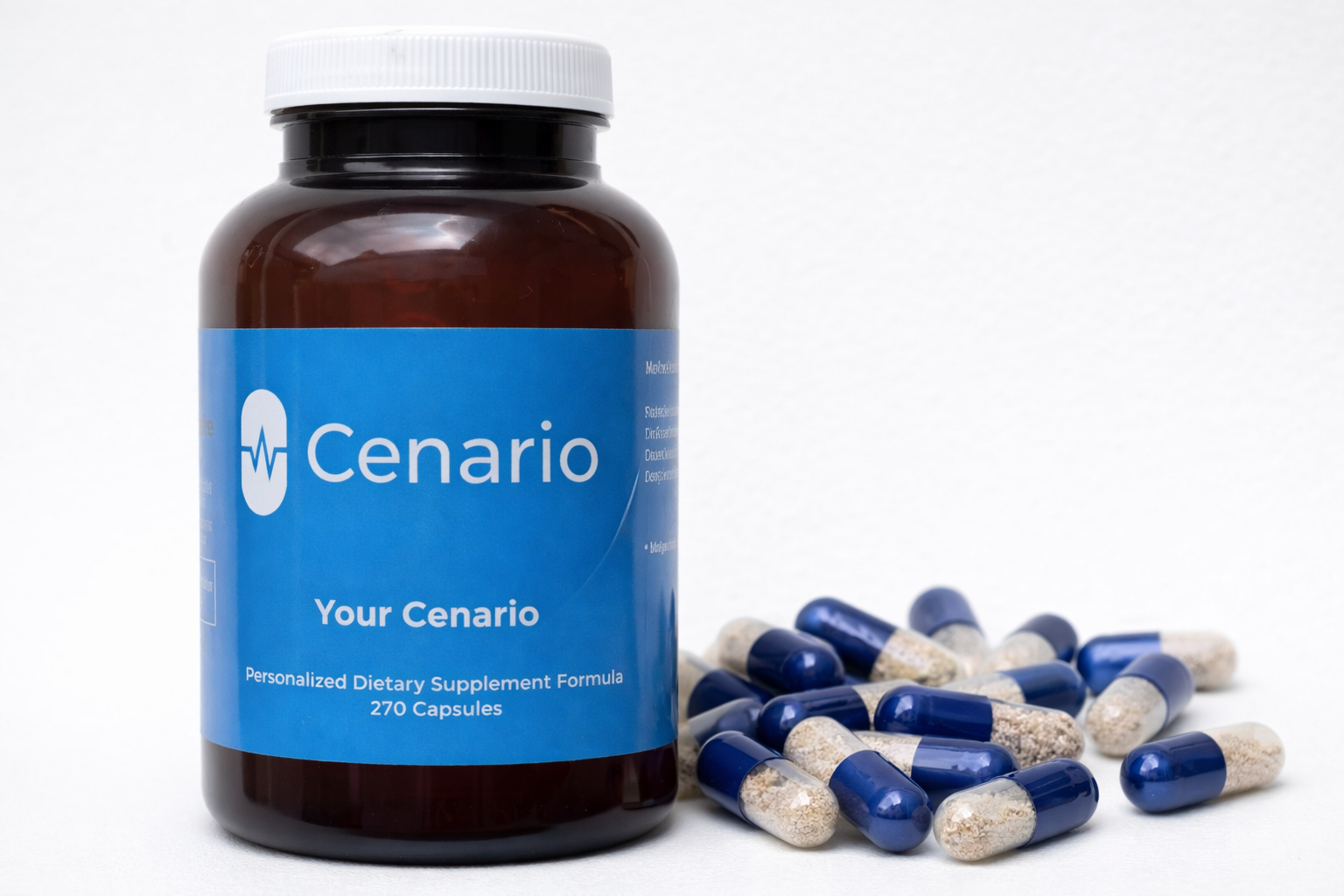
If you are exploring supplements to support focus, mood, sleep, or stress management, a personalized approach often produces better results than generic products. Individual needs vary based on lifestyle, diet, and health goals. That is why tailored formulations can make a meaningful difference in how effective a supplement routine becomes.
Find your personalized supplement formula:
https://cenario.com/quiz
Skepticism and Cautions from Experts
Major academic health centers, including Harvard, Mayo Clinic, and UCLA, advise caution regarding memory supplements. They emphasize the lack of strong evidence and warn against high consumer expectations. The Global Council on Brain Health also states that there is no proven link between dietary supplements and a reduced risk of dementia.
These expert opinions highlight the importance of approaching memory supplements with a critical eye. While the market is flooded with products promising cognitive enhancement, it’s crucial to prioritize evidence-based choices and remain skeptical of overhyped claims.
In conclusion, while multivitamins show some promise in supporting memory in older adults, the evidence for targeted brain health supplements remains inconclusive. It’s essential to make informed decisions and consult healthcare professionals before starting any supplement regimen. Additionally, focusing on lifestyle factors such as a balanced diet, regular exercise, and adequate sleep can complement the use of supplements for overall brain health.
Lifestyle Recommendations for Cognitive Health
While supplements for memory loss can offer modest benefits, it’s crucial to consider lifestyle changes that are consistently supported by research for enhancing cognitive health. A balanced diet rich in fruits, vegetables, whole grains, and healthy fats is fundamental. Nutrients from food sources, rather than supplements, often provide the most significant benefits for brain health.
Regular physical activity is another critical component. Exercise increases blood flow to the brain, which can help improve memory and cognitive function. Activities such as walking, swimming, or yoga can be particularly beneficial. Additionally, ensuring adequate sleep is vital, as it helps consolidate memories and repair brain cells.
Engaging in mentally stimulating activities, such as puzzles, reading, or learning a new skill, can also support cognitive health. These activities challenge the brain and can help maintain mental acuity. Social interactions are equally important, as they can reduce stress and stimulate cognitive processes.
By integrating these lifestyle changes with the use of supplements, individuals can create a comprehensive approach to maintaining and enhancing cognitive health as they age.
Choosing the right supplement should not depend on guesswork. A personalized plan helps ensure you receive nutrients that match your body’s needs and your wellness goals. Whether you want stronger focus, deeper sleep, or better stress balance, the right formulation can help support lasting improvements.
Start your personalized wellness journey today:
https://cenario.com/quiz
Take the Cenario quiz and discover your tailored supplement formula.
Frequently Asked Questions
Can supplements cure memory loss or dementia?
No, current evidence does not support that supplements can cure memory loss or prevent dementia. They may offer modest benefits in slowing cognitive decline in healthy older adults.
Are there risks associated with taking memory supplements?
While many supplements are generally safe, there is a risk of interactions with medications and potential side effects. It is essential to consult with a healthcare provider before starting any supplement regimen.
What should I consider before choosing a memory supplement?
Look for supplements backed by credible research, be wary of overhyped claims, and consider consulting a healthcare professional to discuss your specific needs and conditions.
Are there any proven natural alternatives to supplements for memory enhancement?
Yes, lifestyle changes such as maintaining a healthy diet, exercising regularly, and ensuring adequate sleep have been shown to support cognitive health.