
Why people are turning to memory supplements
Interest in the best supplements for memory has surged as people search for ways to protect thinking skills and slow age-related decline. Many want a quick, tangible solution to forgetfulness, whether it is occasional lapses at work or worry about long-term cognitive health. That demand has created a crowded market and lots of mixed messages about what really helps.
The market for brain supplements has grown rapidly, fueled by both aggressive marketing and genuine interest in prevention. Commercial brands often promote specialty formulas and proprietary blends that promise sharp recall and faster thinking. At the same time, health professionals and research sites urge caution, noting that evidence ranges from solid for basic nutrients to weak or mixed for many trendy nootropics.
Evidence versus hype
Readers searching for the best supplements for memory will find two main narratives. One emphasizes immediate gains and specific branded products. The other prioritizes scientific scrutiny and highlights that benefits tend to be clearest when a person has a nutrient deficiency. This post aims to sit between those extremes, weighing potential benefits against limitations so you can make an informed choice.
What to expect in this post
This introduction sets the stage for a balanced review. Later sections will examine commonly recommended options such as omega-3 fatty acids, B vitamins including B12, vitamin D, magnesium l-threonate, l-theanine, and curcumin. We will consider who is most likely to benefit, common side effects, and practical points on dosage and quality. You will get clear notes on when supplements may help and when lifestyle measures like sleep, exercise, and diet are more important.
Before trying any of the best supplements for memory, consult a healthcare provider especially if you take medication or have health conditions. Testing for deficiencies can direct smarter choices.
In the next section we will dive into the most commonly recommended supplements, summarize the strength of evidence for each, and offer practical guidance on choosing quality products and combining supplements with a brain-healthy routine.
Choline and Related Compounds
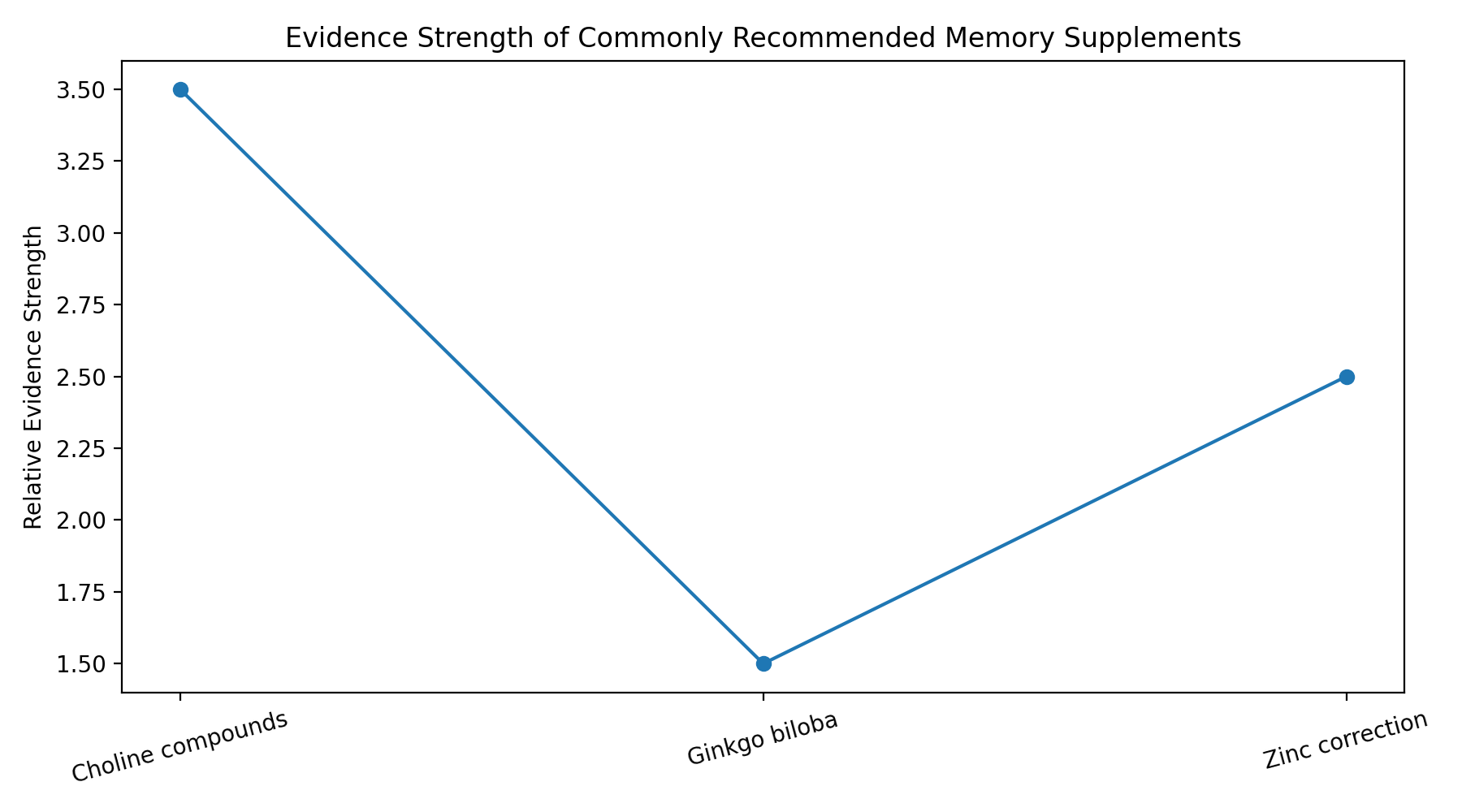
Choline precursors such as CDP-choline (citicoline) and alpha-GPC support acetylcholine production, which helps learning and short-term recall. Clinical trials show clearer benefits in older adults with mild cognitive complaints than in healthy young adults. Typical study doses range from 250 mg to 1,000 mg per day, often split into two doses. Side effects are usually mild and may include stomach upset or headache.
Who Benefits Most
People with age-related memory decline or low dietary choline intake tend to see the biggest gains. For those considering CDP-choline or alpha-GPC, confirm interactions with any cholinergic or anticholinergic medications with your clinician first.
Ginkgo Biloba: What Larger Trials Say
Ginkgo biloba remains widely marketed as a memory aid, but several large randomized trials reported little effect versus placebo for preventing dementia or improving memory in healthy older adults. It may improve subjective symptoms in some users, yet results are inconsistent.
Safety and interactions
Ginkgo can increase bleeding risk when taken with anticoagulants or antiplatelet drugs. If you take blood thinners, ask a doctor before adding ginkgo. Standardized extracts in trials use 120 mg to 240 mg daily; avoid exceeding recommended amounts without medical oversight.
Zinc and Micronutrient Correction
Zinc plays a role in synaptic function and spatial memory, particularly when deficiency is present. Short-term supplementation has shown mixed cognitive effects in trials, and high doses can cause nausea and alter copper balance.
Practical dosing guidance
Do not exceed the adult upper limit of 40 mg elemental zinc per day unless supervised by a clinician. When treating deficiency, practitioners often pair zinc with copper monitoring to prevent imbalance.
Combining Supplements Safely
Many people ask which stacks make sense. Thoughtful combinations often follow these principles:
- Pair fundamentals with lifestyle changes. For example, omega-3 and vitamin D complement diet and exercise but do not replace them.
- Use known synergists with caution. L-theanine plus caffeine can improve attention and verbal tasks in some studies, while magnesium L-threonate may help sleep-linked memory consolidation.
- Avoid high cumulative doses. Multiple products that each contain the same vitamin can push you past safe limits.
Always check for drug interactions. Common concerns include blood thinners, thyroid medication, and drugs that affect neurotransmitter systems.
How To Choose Quality Products
Given heavy marketing in this category, select supplements using objective criteria:
- Prefer forms with clinical evidence (for example, CDP-choline, magnesium L-threonate).
- Look for third-party testing seals such as USP, NSF, or ConsumerLab for purity and label accuracy.
- Choose transparent labels that list active ingredient amounts, not just proprietary blends.
- Buy from brands with clear return policies and batch testing information.
Realistic Expectations and Timeline
Even the best supplements for memory typically show modest effects and require weeks to months to evaluate. If you are correcting a deficiency, improvements can appear faster. For prevention of long-term decline, benefits if any are most likely to emerge across years of consistent use and paired lifestyle measures.
Prioritize sleep, regular aerobic exercise, a Mediterranean-style diet, and mentally engaging activities. Supplements can be a helpful adjunct but are not substitutes for these core strategies.
When To Consult A Professional
Seek immediate medical advice for sudden or rapidly worsening memory loss. For gradual concerns, ask a clinician about testing for vitamin deficiencies, medication review, and personalized dosing. A targeted approach reduces wasted expense and lowers the risk of adverse effects.
Putting Supplements Into Practice
If you decide to try the best supplements for memory, treat them as part of a plan rather than a quick fix. Start by getting a baseline: note current symptoms, any medications, sleep patterns, and diet. Ask your clinician about targeted tests such as vitamin B12, vitamin D, thyroid function, and routine blood work that can reveal treatable causes of cognitive changes. These tests help you focus on supplements that actually address a deficiency or clear gap.
Step-By-Step Trial Plan
- Start one supplement at a time so you can see its effect and spot side effects.
- Keep a short symptom log. Track memory incidents, mood, sleep, and any digestive or neurological changes.
- Allow a trial period. Many nutrients need 8 to 12 weeks to show measurable effects, while some changes appear sooner if a deficiency is corrected.
- Reassess with your clinician. Use follow-up testing or objective measures to decide whether to continue, adjust dose, or stop.
- Document interactions. If you add a new medication or supplement, note changes and consult a professional before continuing.
Safe Stacking And Timing
Combining supplements can make sense when choices are evidence-based and complementary. Space them sensibly: fat-soluble nutrients are best taken with meals containing fat. Stimulant pairs such as l-theanine and a low dose of caffeine tend to work earlier in the day. Avoid taking multiple formulas that each contain the same vitamin to prevent unintentional overdosing. If you take prescription medications, check for interactions before starting any stack.
Monitoring Progress And Knowing When To Stop
Decide in advance what counts as meaningful improvement for you. Improvements might include fewer forgetful moments at work, better word recall, or improved test performance. If side effects occur, stop the supplement and contact your clinician. Consider a washout period before trying an alternative so you can assess effects cleanly. For long-term use, plan periodic reviews every six to twelve months.
Special Populations And Practical Cautions
Certain groups need extra care. Pregnant or breastfeeding people, children, and people with chronic illness or altered kidney or liver function should avoid self-prescribing memory supplements without medical input. Older adults often take multiple drugs, raising the risk of interactions. If you use blood thinners, antidepressants, thyroid medication, or drugs that affect neurotransmitters, get professional guidance before adding any new product.
Final Thoughts And Next Steps
The best supplements for memory can help when they address a clear need, such as a nutrient deficiency. They are rarely a standalone solution. A practical path is to test, target, trial, and track. Combine supplements thoughtfully with proven lifestyle measures: regular sleep, aerobic exercise, a Mediterranean-style diet, and mentally engaging activities. That combined approach offers the highest chance of meaningful benefit without unnecessary cost or risk.
Frequently Asked Questions
What tests can show I need the best supplements for memory?
Common tests include serum vitamin B12, 25-hydroxyvitamin D, thyroid panel, and basic metabolic bloodwork; an omega-3 index is sometimes used too. These tests help determine whether the best supplements for memory should focus on correcting a deficiency rather than trialing broad nootropic formulas.
How long does it take to see results from the best supplements for memory?
Timing varies by nutrient and individual status. If you are correcting a clear deficiency, some benefits may appear within weeks; for prevention or cognitive boosting, expect 8 to 12 weeks or longer. Track changes and reassess to judge whether the best supplements for memory are helping you.
Can younger adults safely try the best supplements for memory?
Generally yes, but safety depends on dose, existing health conditions, and medications. Young adults should prioritize diet and sleep first and consult a healthcare professional before adding the best supplements for memory, especially if they are taking prescription drugs or have medical concerns.
.