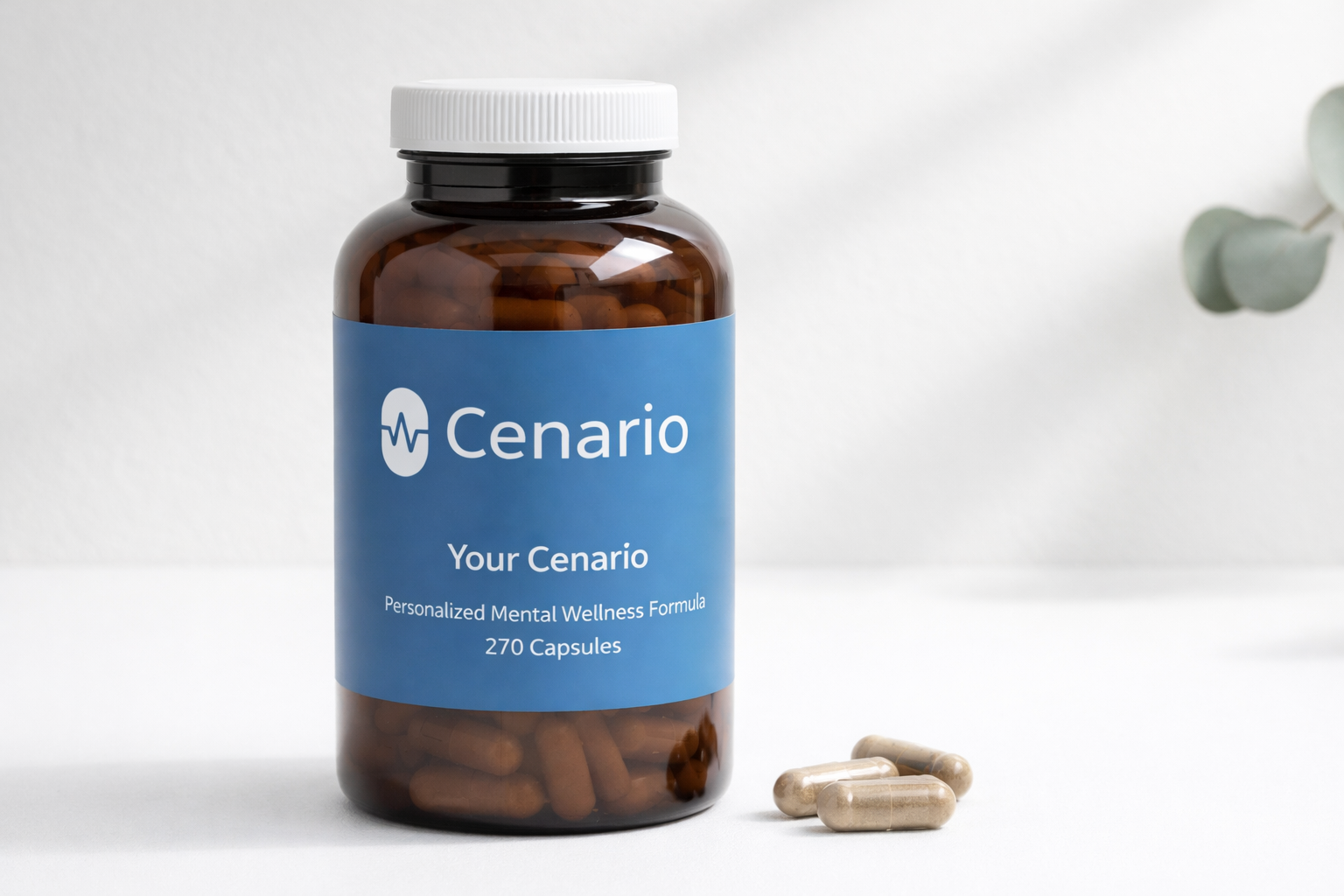

Improving memory is not about taking random “brain boosters.” It comes down to supporting the biological systems that control focus, recall, and cognitive performance. Memory depends on neurotransmitter balance, brain energy metabolism, and long-term neural protection. If one of these systems is underperforming, memory suffers.
Most supplements fail because they target none of these properly. The goal is to use compounds that actually influence how the brain encodes, stores, and retrieves information.
How Memory Works (And Why It Declines)
Memory is not a single function. It is a process involving multiple brain regions and chemical systems working together.
At a basic level, memory relies on:
- neurotransmitters like acetylcholine and dopamine
- efficient energy production in brain cells
- synaptic plasticity, which allows neurons to form and strengthen connections
When these systems are disrupted, memory declines. This can show up as forgetfulness, slower recall, or difficulty concentrating.
Common causes include:
- chronic stress, which impairs hippocampal function
- poor sleep, which disrupts memory consolidation
- nutrient deficiencies that affect neurotransmitter production
This is why memory issues are often a signal of a deeper imbalance, not just aging.
Key Nutrients That Support Memory Function
Certain compounds have consistent evidence for supporting memory and cognitive performance. The key is understanding what they actually do.
- Omega-3 fatty acids (DHA) support neuronal structure and communication
- B vitamins are essential for neurotransmitter synthesis and brain energy
- Citicoline (CDP-choline) increases acetylcholine, which is critical for memory formation
- Bacopa monnieri has been shown to improve memory retention over time
These compounds do not act as instant stimulants. They work by improving the underlying systems that memory depends on.
Why a Targeted Approach Works Better
Taking multiple supplements without a clear purpose leads to inconsistent results. Memory issues can stem from different causes, including stress, poor focus, or mental fatigue. Each requires a slightly different approach.
A more effective strategy is:
- identify the main limitation (focus, recall, mental energy)
- choose supplements that directly support that function
- stay consistent long enough to see measurable changes
This approach is more efficient and produces more predictable outcomes.
Find the right brain support for you
If you want to improve memory without guessing which supplements to take, use a personalized approach:
It matches your cognitive patterns and lifestyle to the right ingredients, instead of relying on generic recommendations.
Best Supplements for Memory and Brain Function
Once you understand how memory works, the next step is choosing supplements that actually influence those systems. The focus should be on compounds that improve neurotransmitter activity, support brain energy, and enhance long-term cognitive function.
Supplements That Support Memory Formation and Recall
Memory formation depends heavily on acetylcholine, a neurotransmitter responsible for learning and information processing. Supporting this pathway can improve both short-term recall and long-term retention.
- Citicoline (CDP-choline) increases acetylcholine levels and supports mental clarity
- Alpha-GPC provides a direct source of choline for memory and focus
- Bacopa monnieri improves memory retention over time through neuroadaptive effects
These are most effective for improving learning speed, recall, and cognitive performance.
Supplements That Improve Focus and Mental Energy
Memory performance is closely tied to focus. If attention is low, information is not properly encoded, which leads to poor recall.
- Rhodiola rosea reduces mental fatigue and improves cognitive endurance
- L-theanine supports calm focus without overstimulation
- Caffeine (in controlled amounts) enhances alertness and attention
These compounds are useful when memory issues are linked to distraction, brain fog, or low mental energy.
Supplements for Long-Term Brain Health
Long-term memory depends on protecting brain cells and maintaining efficient communication between neurons. This is where foundational nutrients play a critical role.
- Omega-3 fatty acids (DHA) support neuronal structure and signaling
- B vitamins contribute to brain metabolism and neurotransmitter balance
- Antioxidants help reduce oxidative stress that can impair cognitive function
These are less about immediate effects and more about maintaining cognitive performance over time.
How to choose the right category
Instead of taking everything, focus on the primary issue:
- poor recall → support acetylcholine
- lack of focus → improve attention and energy
- long-term decline → prioritize brain health nutrients
This keeps your approach targeted and effective.
Find the right combination for your brain
If you want a supplement routine tailored to your memory, focus, and mental energy:
It removes the guesswork and helps you choose what actually matches your cognitive needs.
Conclusion
Improving memory is not about finding a single “best” supplement or chasing short-term boosts. Memory is a function of multiple systems working together, including neurotransmitter balance, brain energy metabolism, synaptic plasticity, and long-term neuronal health. If one of these systems is underperforming, memory declines regardless of how many supplements you take.
This is where most people go wrong. They approach memory support reactively, trying different products without understanding what is actually limiting their performance. As a result, they experience inconsistent improvements or none at all.
A more effective approach is to treat memory as a system that needs to be optimized in a structured way.
Start by identifying the primary limitation:
- if recall is weak, the issue is often linked to acetylcholine and learning pathways
- if focus is inconsistent, attention and mental energy are the limiting factors
- if cognitive performance feels slower over time, long-term brain support becomes more relevant
Once the primary issue is clear, supplement selection becomes more precise. Instead of combining multiple ingredients randomly, you can choose one or two compounds that directly target the underlying mechanism. This increases both effectiveness and clarity, making it easier to evaluate what is actually working.
Consistency is equally important. Many of the most effective compounds, particularly those that support long-term brain function, require sustained use before noticeable changes occur. Expecting immediate results from processes like neuroplasticity or structural brain support leads to premature switching and poor outcomes.
Take a smarter approach to memory support
If you want to improve memory, focus, and cognitive performance without relying on trial and error:
This approach helps identify your specific cognitive patterns and aligns them with the right combination of nutrients, making your supplement strategy more precise and effective.
Frequently Asked Questions
What is the best supplement for memory?
There is no single best supplement because memory is influenced by multiple biological systems. Compounds like citicoline and bacopa support memory formation and recall, while omega-3 fatty acids contribute to long-term brain health. The most effective option depends on whether your main issue is learning, focus, or cognitive decline over time.
How long do memory supplements take to work?
The timeline depends on the mechanism. Stimulatory compounds that affect focus can produce noticeable effects within hours. In contrast, supplements that support neuroplasticity, neuronal structure, or long-term brain health typically require several weeks of consistent use. It is common for measurable improvements to appear after two to four weeks, with more significant effects over longer periods.
Can supplements really improve memory?
Supplements do not “create” memory, but they can enhance the systems that support it. By improving neurotransmitter function, reducing inflammation, and supporting brain energy, certain compounds can make it easier to encode, store, and retrieve information. However, their effectiveness depends on proper use and alignment with individual needs.
Are memory supplements safe for daily use?
Most well-studied supplements, such as omega-3 fatty acids, B vitamins, and certain nootropic compounds, are considered safe when used within recommended dosages. That said, individual responses vary, and long-term use should always be aligned with your specific requirements rather than generalized recommendations.