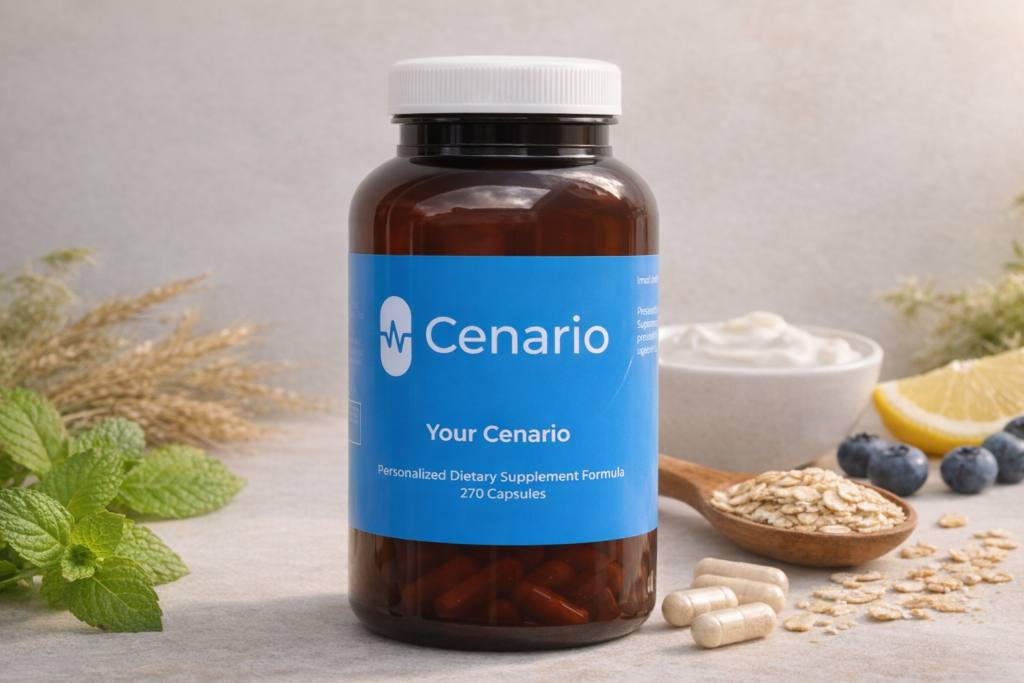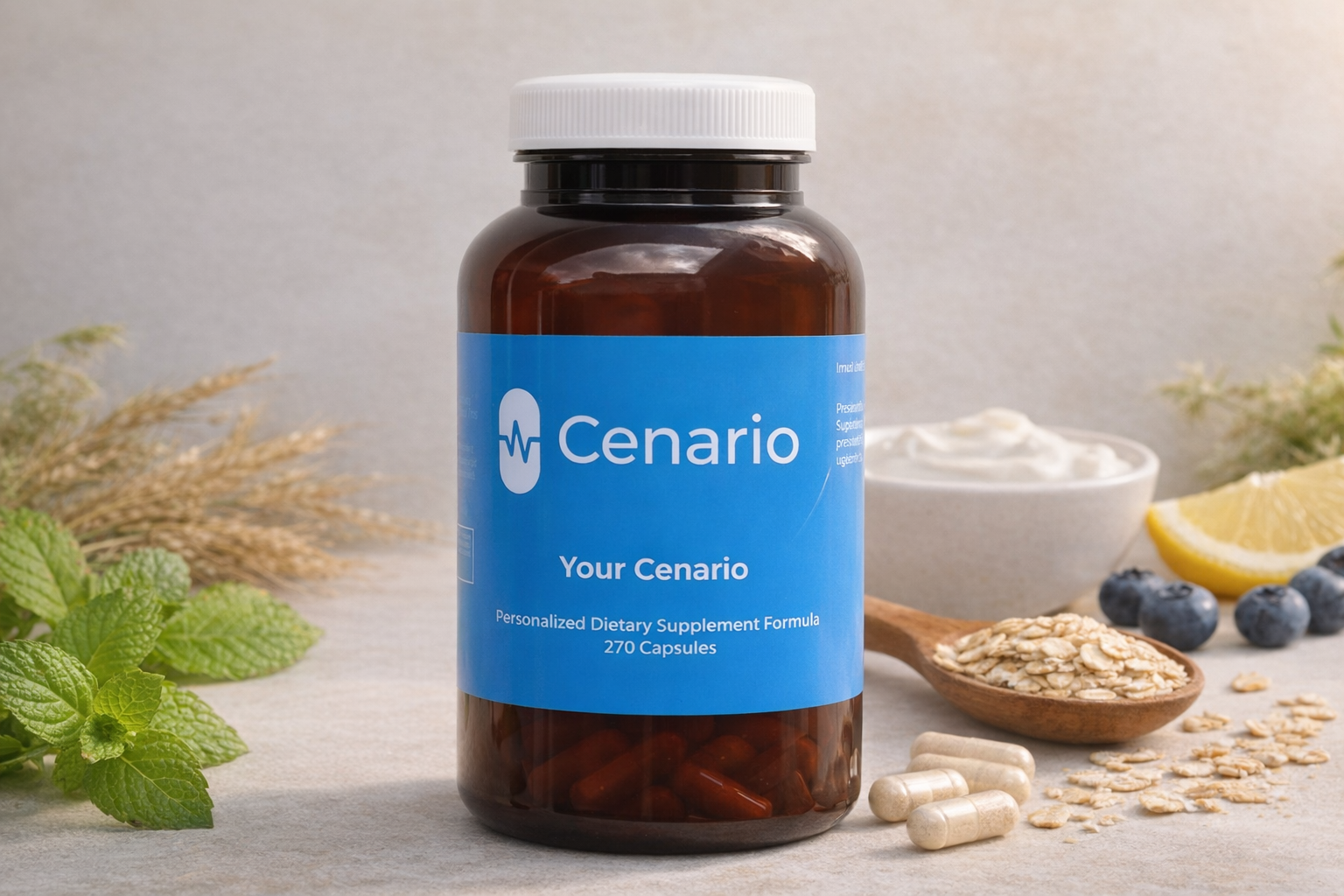

Vitamins for Mental Health: Why Nutrition Matters More Than You Think
More people are talking openly about mental health than ever before, and many are looking for natural ways to feel better. Diet and lifestyle strongly influence mood, energy, focus, and emotional resilience. When everyday nutrition falls short, targeted nutrients can help fill those gaps. That is why vitamins for mental health are frequently discussed by people seeking better mood stability, reduced brain fog, and improved daily functioning.
Vitamins and minerals are not cures for mental health conditions, but they play a meaningful supporting role. When deficiencies are present, correcting them can noticeably improve how people feel and respond to other treatments.
Why Nutrition Matters for Mood and Cognition
Nutrition does far more than fuel the body. Specific vitamins and minerals are required to:
- Produce neurotransmitters like serotonin, dopamine, and GABA
- Maintain healthy brain cells and nerve signaling
- Regulate inflammation that affects brain function
- Support energy metabolism and stress response
When levels are low, symptoms often appear as fatigue, irritability, poor concentration, low motivation, or emotional instability. While food should always be the foundation, supplements become useful when intake is inconsistent, absorption is impaired, or blood testing confirms deficiency.
What This Guide Covers
This guide focuses on evidence-backed nutrients linked to mental wellbeing, not hype or extreme claims. You will learn:
- Which vitamins and minerals are most commonly associated with mood and cognitive symptoms
- How deficiencies can show up in daily life
- Food sources and practical supplementation tips
- When testing is appropriate and how to discuss results with a clinician
The goal is to translate research into realistic actions you can take safely.
Key Nutrients to Watch for Mental Health Support
Several nutrients repeatedly appear in research and clinical practice when people report mood or cognitive concerns:
- B vitamins for energy, neurotransmitter production, and stress tolerance
- Vitamin D for mood regulation and brain signaling
- Vitamin C and Vitamin E for antioxidant protection
- Magnesium and zinc for nervous system balance and sleep quality
- Omega-3 fatty acids and folate for mood regulation and cognitive health
Each of these nutrients will be explored in more detail, with realistic expectations about what supplementation can and cannot do.
Next Steps and Safe Planning
Before starting supplements, a simple plan improves both safety and effectiveness:
- Review your current diet and lifestyle factors
- Talk with a healthcare provider if symptoms persist
- Consider basic blood tests when fatigue, low mood, or brain fog are ongoing
- Add supplements only when there is a clear rationale
For a more personalized starting point, a short quiz or product category overview can help identify possible nutrient gaps. The next section begins with a deeper look at the role of B vitamins in mental health.
In-Depth Look at B Vitamins and Mental Health
B vitamins are central to brain chemistry and emotional regulation. Vitamins B6, folate (B9), and B12 are directly involved in the synthesis of serotonin, dopamine, and norepinephrine. Low levels of these nutrients are commonly observed in people experiencing depressive symptoms, cognitive fatigue, or irritability.
Correcting deficiencies does not replace therapy or medication when those are needed, but it can improve overall response to treatment and daily energy.
Practical Notes on B Vitamins
- Food sources: fish, eggs, lean meats, legumes, leafy greens, and fortified grains
- Supplement forms: methylfolate and methylcobalamin are preferred when absorption or methylation is impaired
- Dosing: standard B-complex supplements cover daily needs; higher doses should be guided by a clinician
Balanced B-complex formulations are often used when stress is high or when multiple deficiencies are suspected.
Vitamin D: Brain Chemistry, Mood, and Practical Dosing
Vitamin D influences brain function through receptor signaling and immune regulation. Low levels of 25-hydroxyvitamin D are consistently linked to low mood, anxiety, and reduced stress resilience.
Correcting deficiency typically starts with testing and individualized dosing rather than guessing.
Practical Guidance
- Sources: sunlight, fatty fish, fortified dairy or plant milks
- Testing: measure 25(OH)D before using higher doses
- Supplementation: daily low-to-moderate doses are common; therapeutic dosing is clinician guided
Symptom improvement usually occurs gradually over weeks to months.
Vitamin C, Magnesium, and Zinc: Calming the Nervous System
These nutrients help regulate stress response and protect brain cells.
- Vitamin C supports adrenal function and reduces oxidative stress, which may ease fatigue
- Magnesium acts as a calming mineral, supporting sleep quality and nervous system balance
- Zinc plays a role in neurotransmitter signaling and immune-brain communication
Practical Tips
- Food sources: citrus fruits, bell peppers, nuts, seeds, whole grains, leafy greens, shellfish
- Supplement forms: magnesium glycinate or citrate are generally better tolerated
- Caution: excessive zinc intake can affect copper balance; avoid long-term high doses
Magnesium should be started at low doses and increased gradually to avoid digestive side effects.
Final Perspective
Vitamins for mental health work best when used thoughtfully. They support brain biology, but they are most effective alongside good sleep, stress management, movement, and appropriate medical care. Testing, targeted supplementation, and realistic expectations make the difference between meaningful support and wasted effort.
- In the next section, we will explore omega-3 fatty acids, folate, and how nutrient strategies fit alongside therapy and lifestyle changes for long-term mental wellbeing.
Omega-3s, Vitamin E, and Folate for Mental Health Support
Several nutrients work through inflammation control, cell protection, and neurotransmitter pathways that influence mood and cognition. Among the most discussed are omega-3 fatty acids, vitamin E, and folate. These nutrients are not standalone treatments for mental health conditions, but evidence suggests they can meaningfully support brain function and, in some cases, improve response to standard therapies.
Omega-3 Fatty Acids: Inflammation and Mood Regulation
Omega-3 fatty acids, particularly EPA and DHA, play a structural and functional role in the brain. They are incorporated into neuronal cell membranes, where they influence signal transmission, neuroplasticity, and inflammatory balance.
How Omega-3s Support Mental Health
Chronic low-grade inflammation is increasingly linked to depression and cognitive decline. EPA and DHA help reduce inflammatory signaling and may improve communication between brain cells. Clinical trials show modest but consistent improvements in mood symptoms for some individuals, especially when omega-3s are used alongside psychotherapy or antidepressant medication.
EPA appears to be particularly relevant for mood regulation, while DHA contributes more strongly to structural brain health and cognition.
Practical Omega-3 Guidance
- Typical starting dose: 500 to 1,000 mg combined EPA and DHA per day for general brain health
- Mood-focused use: EPA-heavy formulas are often used in depression studies, but dosing should be discussed with a clinician
- Form matters: triglyceride or re-esterified triglyceride forms tend to be better absorbed than ethyl esters
- Safety note: people taking blood thinners or with bleeding disorders should consult a healthcare professional before using higher doses
Food Sources
Fatty fish such as salmon, sardines, and mackerel provide the most bioavailable omega-3s. Plant sources like flaxseed and walnuts contain ALA, which converts poorly to EPA and DHA in many adults.
Vitamin E: Antioxidant Protection and Cognitive Health
Vitamin E is a fat-soluble antioxidant that protects brain cells from oxidative damage. Oxidative stress increases with aging, chronic stress, and inflammation, all of which can affect cognitive function.
What the Research Shows
Trials on vitamin E for cognitive decline show mixed results. Some studies suggest benefit in slowing functional decline, while others show minimal effect. Where vitamin E appears most useful is as part of a broader antioxidant network, particularly when paired with vitamin C, which helps recycle vitamin E after it neutralizes free radicals.
Practical Notes on Vitamin E
- Role: antioxidant protection rather than direct mood elevation
- Best use: combined with a diet rich in fruits, vegetables, and healthy fats
- Caution: very high doses over long periods may increase bleeding risk or interact with anticoagulant medications
Food sources include almonds, sunflower seeds, spinach, and vegetable oils.
Folate: Neurotransmitters and Antidepressant Synergy
Folate is essential for methylation processes that affect DNA synthesis and neurotransmitter production. Low folate levels are frequently observed in people with depression, particularly those who do not respond well to antidepressants.
Why Folate Matters for Mood
Folate supports the production of serotonin, dopamine, and norepinephrine. In clinical settings, methylated folate has been shown to enhance antidepressant response when used as an adjunct in certain individuals, especially those with genetic variations that impair folic acid conversion.
Supplement Considerations
- Preferred form: methylfolate rather than folic acid for better bioavailability
- Who may benefit most: people with treatment-resistant depression or low folate levels on testing
- Clinical guidance: folate used as an adjunct should be discussed with a clinician, especially when combined with psychiatric medication
Dietary folate is found in leafy greens, legumes, and fortified grains.
Omega-3s, vitamin E, and folate support mental health through different but complementary pathways. Omega-3s reduce inflammation and improve neuronal signaling. Vitamin E protects brain cells from oxidative stress. Folate supports neurotransmitter production and can enhance antidepressant response in select cases.
When used thoughtfully, these nutrients can strengthen a broader mental health plan that includes therapy, sleep, movement, and stress management. Testing, personalization, and clinical oversight are what turn supplements from guesswork into effective support.

Vitamin E and Folate: Balance and Smart Choices
Vitamin E and folate support mental health through different biological pathways. Neither should be treated as a cure on its own, but both can add value when used thoughtfully.
Vitamin E: Antioxidant Support, Not a Standalone Fix
Vitamin E acts as a fat-soluble antioxidant that helps protect brain cells from oxidative stress. While trial results for cognitive or mood disorders are mixed, vitamin E plays a supportive role in long-term brain health, especially when combined with other antioxidants.
Vitamin E works particularly well alongside vitamin C, which helps recycle vitamin E after it neutralizes free radicals. This interaction supports cellular resilience and may matter more for brain aging than for short-term mood changes.
Practical vitamin E tips
- Prefer mixed tocopherols rather than high-dose alpha-tocopherol alone
- Avoid long-term high-dose supplementation unless supervised
- Use caution if you take blood thinners, as higher doses may increase bleeding risk
Folate: Neurotransmitters and Antidepressant Support
Folate supports methylation processes that are essential for neurotransmitter production. Low folate status is commonly observed in people with depression, particularly in those who respond poorly to antidepressants.
Active folate, often listed as L-methylfolate, bypasses common metabolic bottlenecks and has been shown to enhance antidepressant response in some individuals. This is especially relevant for people with low folate levels or genetic variants that reduce folic acid conversion.
Practical folate tips
- Use methylfolate when absorption or methylation is a concern
- Avoid very high doses of folic acid unless advised by a clinician
- Folate is most effective when guided by testing and clinical context
Choosing Quality Supplements: Practical Rules That Matter
Choosing the right nutrient is only half the equation. Product quality and dosing strategy determine whether supplements help or create new problems.
How to Evaluate Supplement Quality
- Read labels carefully: confirm the active form and exact dose per serving
- Look for third-party testing: NSF, USP, or equivalent seals matter
- Avoid proprietary blends: unclear dosing limits effectiveness and safety
Safety and Interaction Awareness
- Vitamin E, omega-3s, and higher-dose folate can interact with prescription medications
- Review all supplements with a clinician or pharmacist, especially if you take antidepressants, anticoagulants, or mood stabilizers
- Introduce one supplement at a time to isolate effects
Smart Dosing and Monitoring
- Start low and increase gradually only if needed
- Track mood, sleep, anxiety, and energy for 4 to 12 weeks
- Consider blood testing for vitamin D, B12, folate, and omega-3 index when symptoms persist
Conclusion: Using Vitamins for Mental Health the Right Way
Vitamins for mental health work best as part of a structured, evidence-based plan. Omega-3s, vitamin E, and folate each serve different roles, from inflammation control to antioxidant protection and neurotransmitter support. The key is matching the right nutrient to the right need, using bioavailable forms, and avoiding unnecessary megadoses.
Start with food. Test when symptoms persist. Supplement strategically. Reassess regularly.
If you want a more tailored approach, take our short micronutrient quiz or explore personalized bundles in our product categories. Used correctly and alongside therapy, sleep, movement, and stress management, vitamins for mental health can meaningfully support mood and cognitive resilience.
Get your personalized starting point
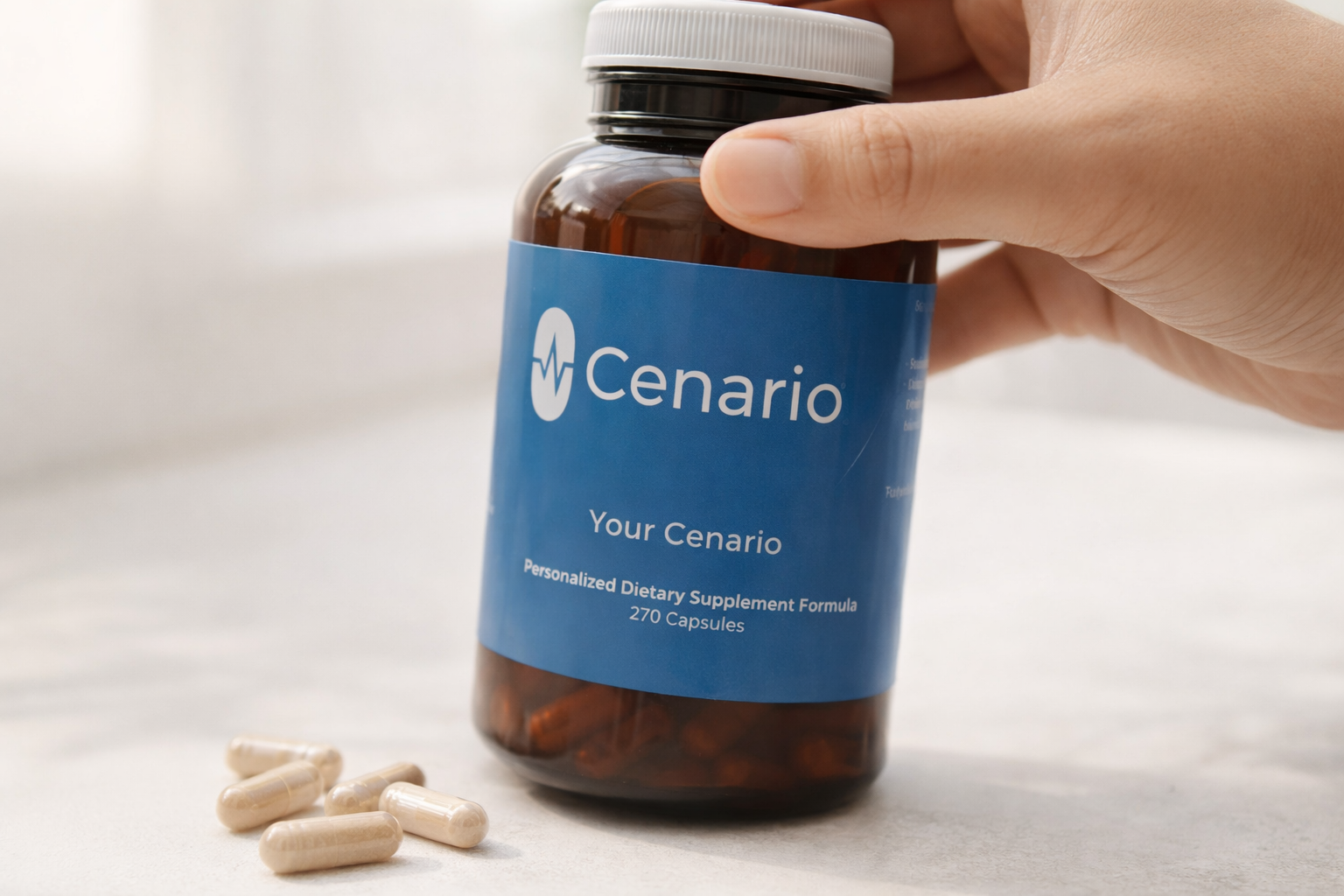
Take the Cenario quiz to identify what fits your needs.
[
cenario.com
](https://cenario.com/quiz/)
Frequently Asked Questions
What are the best vitamins for mental health?
Commonly discussed options include B vitamins, vitamin D, vitamin C, omega-3s, magnesium, zinc, vitamin E, and folate. The most effective choice depends on symptoms, diet, and blood test results.
Can vitamins replace antidepressants?
No. Vitamins for mental health are supportive tools, not replacements for prescribed medication. Any changes to treatment should be made with a qualified healthcare provider.
How long does it take to notice mood improvements?
Early changes may appear within 4 to 12 weeks. Improvements related to inflammation or cognition often take 3 to 6 months of consistent use, especially when combined with other treatments.