
Why People Turn to Natural Mood Support
More people are looking for natural ways to lift their spirits and manage stress without immediately turning to pharmaceuticals. Whether dealing with daily low mood, anxiety, or the aftereffects of a busy life, many find that dietary supplements can help by supporting the brain’s chemistry. The best supplements for good mood often work by supporting neurotransmitter production, reducing stress hormones, and correcting common nutrient gaps that affect energy and calm.
Why People Turn to Natural Mood Support
Mood disorders and frequent stress are common. Many people search for nonpharmaceutical solutions to complement therapy, lifestyle change, or prescription medication. Supplements do not replace professional care, but they can play a useful supportive role. Interest in natural mood enhancers has risen as clinical trials and reviews point to measurable benefits from specific vitamins, minerals, and herbal extracts.
How supplements influence mood
Certain nutrients help make serotonin, dopamine, and other neurotransmitters that regulate mood. B vitamins such as B6, folate, and B12 are central to those pathways. Omega-3 fatty acids support brain cell membranes and reduce inflammation. Magnesium affects neuronal excitability and sleep quality. Herbal options like ashwagandha and lemon balm can lower perceived stress and promote calm by acting on the stress hormone cortisol and on GABA pathways.
Key supplements to look for
Below is a quick preview of the top options you will see discussed in depth later:
- B vitamins and multivitamins for neurotransmitter synthesis and reduced stress.
- Omega-3 fatty acids (EPA and DHA) for mood, motivation, and inflammation reduction.
- Magnesium for relaxation, sleep, and anxiety relief.
- Ashwagandha and lemon balm as herbal stress reducers.
- Adjuncts like zinc, vitamin D, curcumin, and valerian for targeted benefits.
What to expect from supplements
Effects vary by person and by product. Some people notice subtle changes in calm and focus within days, while others see clearer benefits after several weeks. The best supplements for good mood are those with clinical backing, appropriate dosing, and a clear plan for safe use alongside any medications you take.
Scientific evidence behind mood supplements
Research on the best supplements for good mood emphasizes randomized trials and meta-analyses that measure stress scores, calmness, and depressive symptoms. Rather than promising cures, most studies show modest to moderate improvements when supplements address deficiencies or act as adjuncts to other treatments. Below we focus on mechanisms, typical effect timelines, and safe dosing ranges you can discuss with your clinician.
Multivitamins and B Vitamins: mechanisms and timing
B vitamins play a central role in neurotransmitter synthesis. When folate, B6, or B12 are low, serotonin and dopamine pathways can be less efficient. Trials report faster mood benefits for some multivitamin-mineral-herbal formulas, with perceptible calmness sometimes within 24 to 48 hours and more stable changes after 4 to 12 weeks.
- Typical doses: B6 25 to 100 mg, folate 400 to 800 mcg, B12 500 to 1000 mcg for sublingual or oral maintenance.
- Who may benefit most: people with poor diet, older adults, and those on certain medications that interfere with folate or B12.
- Common cautions: high-dose B6 for long periods may cause neuropathy; check interactions with prescription drugs.
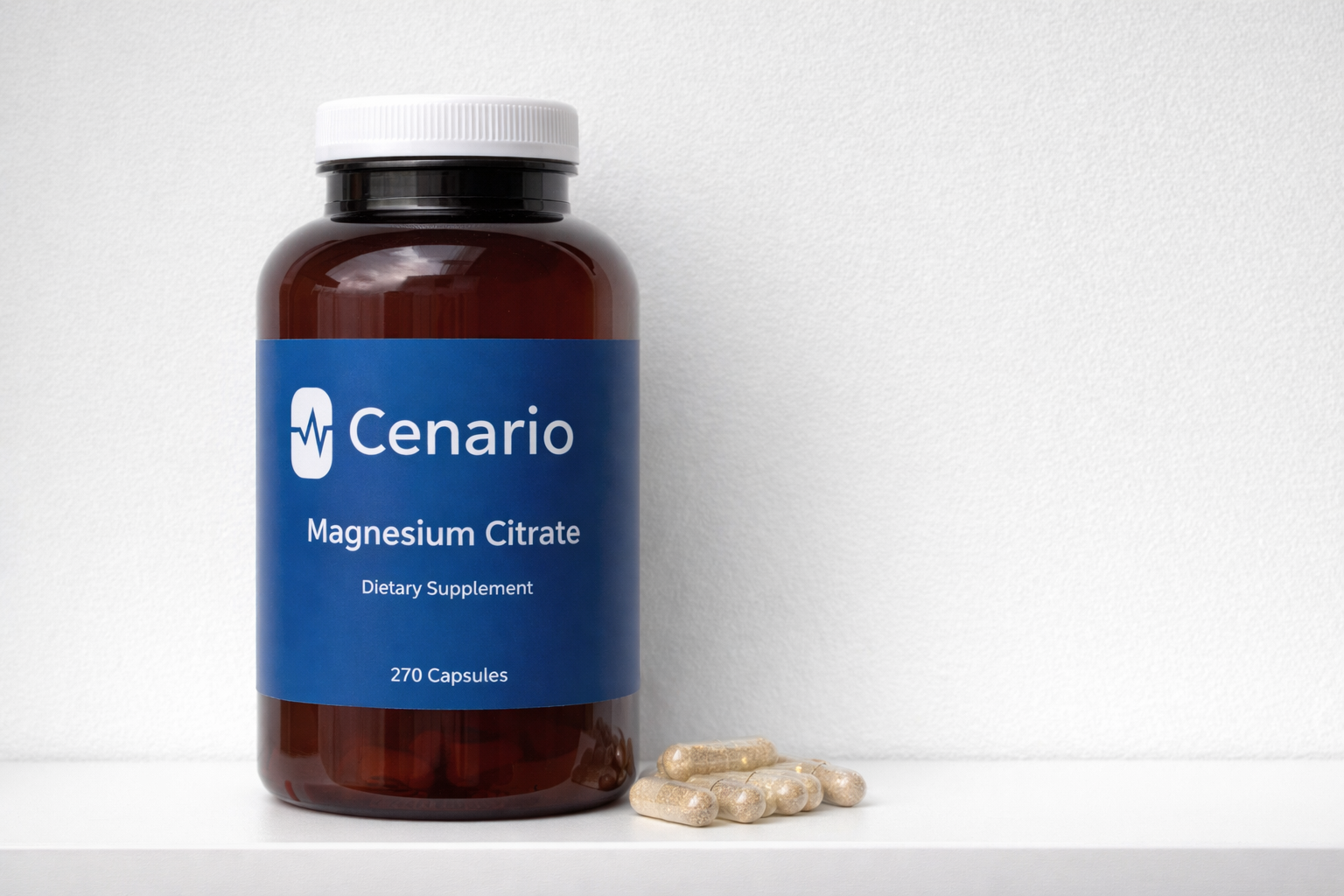
Magnesium: Effect on Sleep, Anxiety, and Mood
Magnesium affects neuronal excitability and the GABA system. Clinical data link supplementation to better sleep quality and lower anxiety scores, which indirectly improves mood. Benefits often appear after one to four weeks depending on baseline magnesium status.
- Forms and dosing: magnesium glycinate 200 to 400 mg daily is well tolerated; magnesium citrate can be effective but may cause loose stools at higher doses.
- Side effects: gastrointestinal upset at high doses; caution in kidney impairment.
omega-3 fatty acids: epa and dha considerations
Omega-3s, especially EPA, have the strongest evidence for mood improvement. Studies find greater benefits when omega-3s are added to antidepressants and in people with low baseline omega-3 levels. Onset is usually several weeks to three months.
- Recommended ranges: EPA-focused formulas providing 1,000 to 2,000 mg EPA daily, with combined EPA+DHA of 1,000 to 3,000 mg for clinical effects.
- Interactions and cautions: may increase bleeding risk at very high doses; consult a clinician if taking anticoagulant medication.
Herbal Options: Ashwagandha and Lemon Balm
Ashwagandha has data showing reduced perceived stress and lower cortisol over weeks of use. Lemon balm is studied for its calming effects in short-term stress and sleep tasks. Both are typically used for stress-related mood dips rather than severe depression.
- Ashwagandha dosing: common extracts 300 to 600 mg daily standardized to withanolides.
- Lemon balm dosing: 300 to 600 mg of extract in calming formulas; taken as needed or daily for persistent stress.
- Precautions: herbs can interact with sedatives and thyroid medications; stop before surgery on clinician advice.
Additional Beneficial Options: Zinc, Vitamin D, Curcumin, and Valerian
These adjuncts show promise when added to comprehensive care.
- Zinc: 10 to 25 mg daily as an adjunct in depressive symptoms. Avoid long-term high doses without monitoring because excess zinc can cause copper deficiency.
- Vitamin D: replace deficiency with clinician-guided dosing; improvements in mood and anxiety are most evident when baseline vitamin D is low.
- Curcumin: standardized extracts 500 to 1,000 mg daily may support dopamine and inflammatory pathways. Bioavailability-enhanced forms are preferred.
- Valerian: 400 to 900 mg before bedtime can aid sleep and reduce nighttime anxiety, which supports daytime mood.
Combining Supplements and Safety Considerations
Combining certain supplements can be synergistic, for example B vitamins with omega-3s to support neurotransmission and cell membrane health. Zinc plus citicoline or folate additions may enhance antidepressant response. However, stacking increases the chance of interactions and side effects.
- Always check for interactions with prescription medications, especially antidepressants, blood thinners, and thyroid drugs.
- Pregnant or breastfeeding people and those with chronic conditions should consult their clinician before starting any new supplement.
- Start with baseline lab tests when possible, then recheck levels after 8 to 12 weeks to guide adjustments.
Comparative analysis
Below is a concise comparison of the best supplements for good mood, summarizing typical dosages, evidence strength, and common side effects. Use this as a quick reference when discussing options with your clinician.
| Supplement | Typical dose | Evidence level | Potential side effects |
|---|---|---|---|
| Multivitamin / B complex (B6, folate, B12) | B6 25–100 mg; folate 400–800 mcg; B12 500–1000 mcg | Moderate; rapid mood shifts reported in some trials | Nerve issues with very high B6 long term; minor GI upset |
| Magnesium (glycinate) | 200–400 mg daily | Moderate; improves sleep and anxiety | Loose stools at high doses; caution in kidney disease |
| Omega-3 (EPA-focused) | EPA 1,000–2,000 mg daily | Strong for adjunctive mood support | May increase bleeding risk at very high doses |
| Ashwagandha | 300–600 mg extract daily | Good for stress reduction | Possible drowsiness; interact with sedatives and thyroid meds |
| Lemon balm | 300–600 mg extract | Moderate short-term calming effects | Mild GI upset; additive with sedatives |
| Zinc / Vitamin D / Curcumin | Zinc 10–25 mg; vitamin D per labs; curcumin 500–1,000 mg | Adjunctive evidence; best when deficiency present | Imbalance of trace elements; GI upset; interactions with meds |
Synergy and stacking strategies
Combining supplements can enhance benefits when done thoughtfully. Examples that are commonly studied or used in practice include:
- B vitamins plus omega-3s: supports neurotransmitter synthesis and membrane health, which can improve mood stability.
- Zinc with citicoline or folate: shown to boost antidepressant response in some studies when paired with medication.
- Magnesium with valerian or chamomile: targets sleep quality and nighttime anxiety to improve daytime mood.
Start one product at a time, wait 4 to 8 weeks to evaluate effects, and keep a simple symptom log. This reduces the risk of attributing side effects to the wrong product and helps your clinician make safer adjustments.
Considerations and Precautions
Even natural products have risks. Before starting the best supplements for good mood, keep these precautions in mind:
- Talk to your doctor if you take antidepressants, anticoagulants, thyroid medicine, or immunosuppressants. Interactions can be significant.
- Pregnant or breastfeeding people should avoid many herbal extracts until advised by a clinician.
- People with kidney or liver disease need tailored dosing, especially for minerals like magnesium.
- Get baseline labs when possible, for example vitamin D and B12. Recheck after 8 to 12 weeks to guide dosing.
- Choose third-party tested brands and look for standardized extracts or verified omega-3 purity to reduce contamination risk.
Final Thoughts
Supplements can be a practical part of a broader plan for emotional wellbeing. The best supplements for good mood work best alongside sleep, exercise, a balanced diet, and stress management. Talk with your clinician, start low, and track progress so you can find the safest, most effective path to better mood.
Frequently Asked Questions
What are the best supplements for improving mood?
The best supplements for good mood typically include B vitamins, magnesium, EPA-focused omega-3s, ashwagandha, and vitamin D when deficient. These options have the strongest clinical evidence for supporting mood and stress reduction.
How quickly do the best supplements for good mood start to work?
Timing varies by supplement. Some multivitamin formulas report subtle calm within 24 to 48 hours, while omega-3s, magnesium, and herbs usually take 2 to 12 weeks for clear effects. Baseline nutrient status influences speed.
Can I take the best supplements for good mood with prescription antidepressants?
Many supplements can be taken with antidepressants but some interact, for example St. John’s wort or high doses of certain herbs. Always consult your clinician before combining supplements with prescription medication.
.