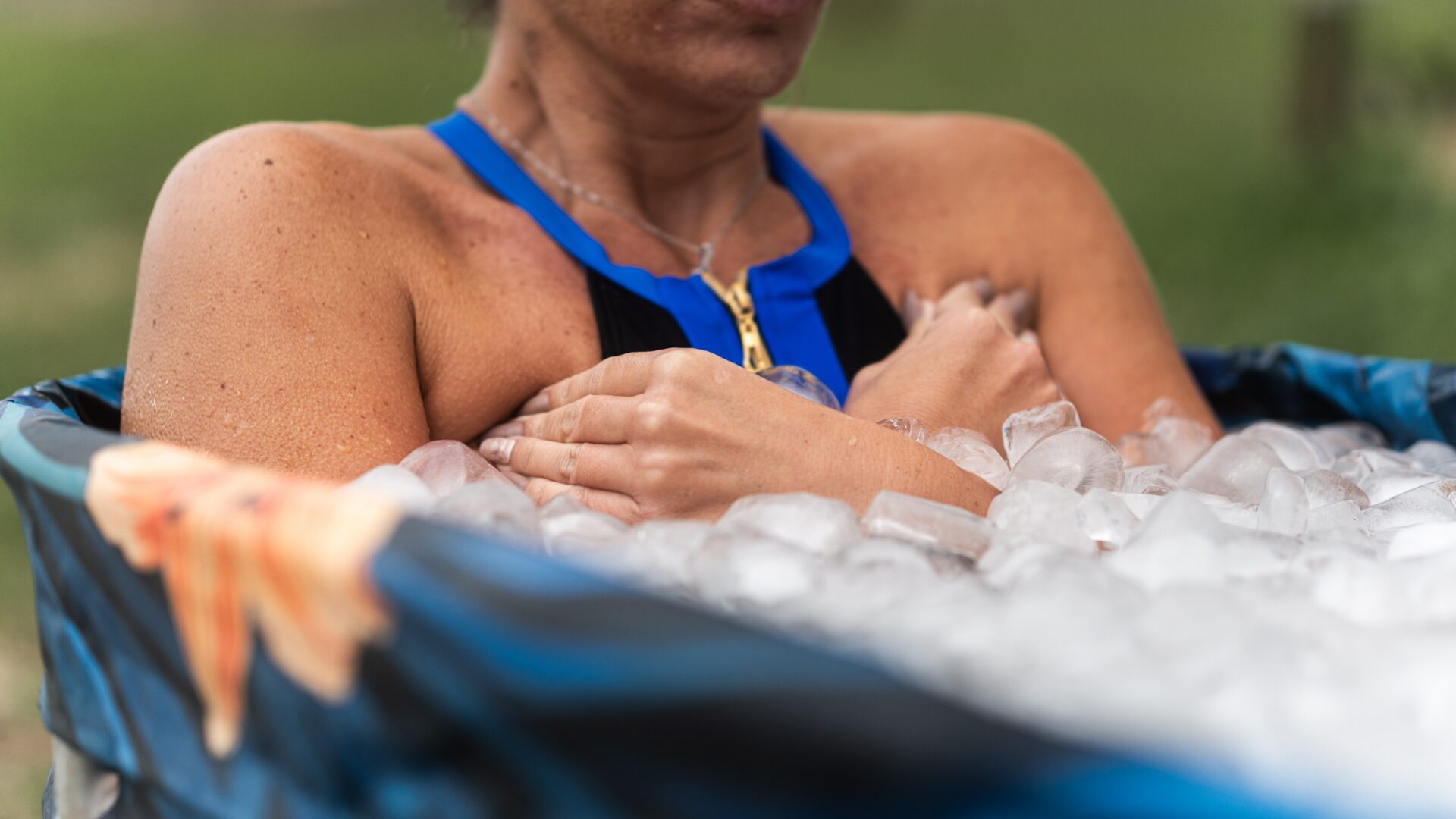

More than just a wellness trend, cold plunges have become a go-to method for recovery, stress relief, and boosting mental clarity. From pro athletes and fitness trainers to entrepreneurs and busy parents, people from all walks of life are turning to cold water immersion as a natural tool for better health.
While ice baths, cold showers, and cold plunge tubs were once found only in elite gyms and training centers, they’re now becoming household staples. Why? Because the health benefits of cold exposure are real—and impressive. Just 30 seconds to a minute of exposure to cold water can help reduce inflammation, boost blood flow, enhance mood, and even improve sleep and mental resilience.
This guide dives into the science-backed benefits of cold therapy and how you can safely and effectively make it part of your routine.
What Is a Cold Plunge?
A cold plunge typically involves immersing your body—usually up to your shoulders—in water between 50°F to 59°F (10°C to 15°C) for several minutes. This kind of cold therapy is a form of cold water immersion designed to shock your system in a controlled, therapeutic way.
The temperature drop activates the body’s natural healing mechanisms by constricting blood vessels, improving circulation, and prompting your body to become adapted to colder body temperatures over time.
You can experience the benefits through:
- Cold plunges or tubs
- Ice baths
- Cold showers
Each approach offers similar benefits with different levels of intensity.
Cold Plunge Benefits for Physical Recovery
1. Reduce Inflammation and Speed Up Muscle Repair
One of the most talked-about benefits of cold water plunges is their ability to reduce inflammation. When you submerge in cold water, your blood vessels constrict (vasoconstriction), which reduces blood flow to affected areas. This helps minimize tissue swelling and microscopic damage after intense workouts.
Once you get out and your body warms up, the blood vessels dilate (vasodilation), increasing blood flow and delivering fresh oxygen and nutrients to your muscles. This process helps flush out lactic acid and aids in faster recovery.
Research Insight: A 2016 Sports Medicine study found that cold water immersion significantly reduced delayed onset muscle soreness (DOMS) after physical activity.
2. Boosts Circulation and Cardiovascular Health
The alternating pattern of cold exposure followed by warming up boosts your circulation over time. Better blood flow not only accelerates muscle recovery but supports your long-term cardiovascular health by training your blood vessels to be more responsive and efficient.
3. Supports Injury Prevention and Recovery
When used correctly, cold therapy can help reduce pain and swelling from overuse injuries, minor sprains, and strains. It can also serve as a preventative tool for muscle fatigue when integrated into a regular routine.
Mental Health Benefits of Cold Plunges
1. Feel Good Fast: Mood and Mental Resilience
Cold plunges aren’t just for your muscles—they’re amazing for your mind. Cold exposure triggers a release of mood-enhancing neurochemicals like dopamine and norepinephrine, often resulting in a natural “high” after even a short dip.
Just 30 seconds to a minute of cold water exposure can boost alertness and energy, making it a powerful tool for fighting fatigue and low mood.
Many users describe feeling a renewed sense of focus and calm—some even compare it to the effects of meditation or deep breathing exercises.
2. Reduces Anxiety and Stress
When you expose your body to cold, you initiate a mini stress response. Over time, this builds your mental resilience, making you more adaptable to other life stressors. The drop in cortisol levels (the stress hormone) helps you regulate anxiety and promotes emotional balance.
3. Improved Mood and Better Sleep
The release of endorphins, coupled with the body’s natural cooling process, contributes to an improved mood and better sleep quality. Cold plunges done in the late afternoon or early evening help lower body temperature and signal your body to wind down, which supports restful sleep.
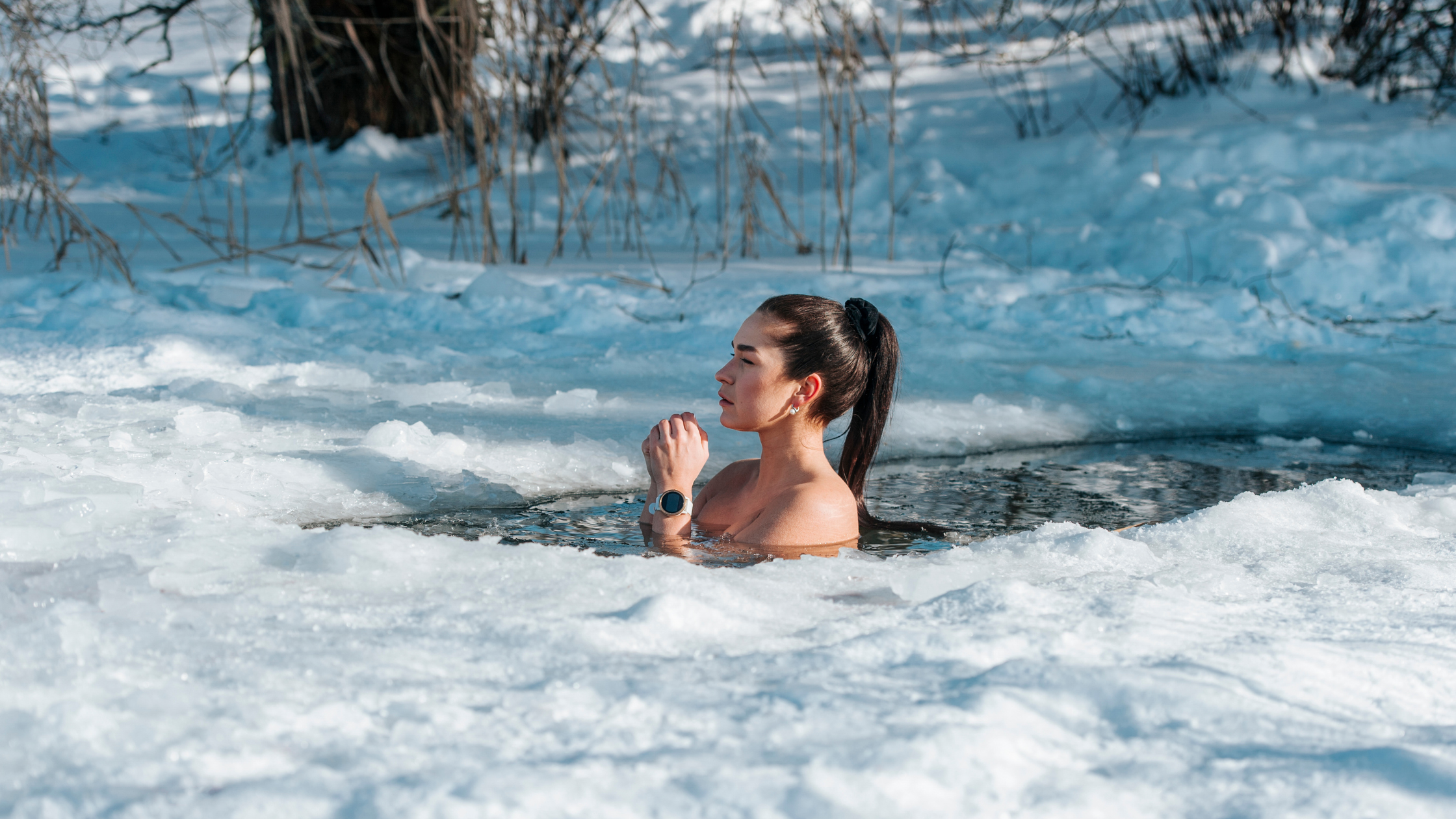
Different Ways to Cold Plunge (And How to Start)
No one-size-fits-all approach to cold therapy exists, and the good news is you don’t need fancy equipment to start. You can experience cold plunge benefits with:
- A bathtub filled with cold water and a few bags of ice
- A brisk cold shower for just 30 seconds to a minute
- A dedicated cold plunge tub for consistent temperature control
- Natural bodies of water (lakes, rivers, ocean—just stay safe!)
If you’re new to cold exposure, begin gradually. Immersions of 30 seconds to one minute are typically sufficient for beginners to allow the body to acclimate and reduce the initial shock. As your body adapts over time, you can gradually increase the duration to 3 to 5 minutes per session.
During each plunge, focus on deep, steady breathing to help regulate your nervous system and remain calm. Always listen to your body—if you experience symptoms such as dizziness, persistent shivering, numbness, or discomfort, exit the water immediately and warm up gently.
When Should You Cold Plunge?
The best time for a cold plunge varies based on your intentions—whether it’s recovery, energy, or stress relief.
After workouts, cold plunges are great for muscle recovery and inflammation reduction. Just be sure to wait 15 to 30 minutes after training to avoid interfering with muscle growth.
In the morning, a cold plunge can replace caffeine and wake up both your body and mind. It’s an instant mood and energy booster.
In the evening, cold plunges can help lower body temperature, calm the nervous system, and prepare your body for sleep.
On stressful days, a cold plunge can serve as a powerful reset button—helping you release built-up tension and restore mental clarity.
Frequently Asked Questions
What not to do after a cold plunge?
Avoid jumping straight into a hot shower or sauna, as sudden temperature changes can stress your cardiovascular system. Instead, warm up gradually with light movement, a towel, or comfortable clothing.
Don’t sit or lie down immediately while still cold—this can prolong shivering and drop your core temperature further. Pay attention to how you feel; if you experience persistent shivering, dizziness, or numbness, warm up slowly and hydrate. Seek medical help if symptoms don’t improve.
Are cold plunges actually good for you?
Yes, when done safely, cold plunges offer many benefits—reduced muscle soreness, improved blood flow, better sleep, mood boosts, and stronger mental resilience. Regular cold water immersion can also support your immune system and hormonal balance.
However, if you have high blood pressure, heart conditions, or respiratory issues, check with your doctor first. As long as you follow precautions, cold plunges can be a powerful, natural health tool.
Final Thoughts: Embracing the Power of Cold
The benefits of cold plunges go far beyond physical recovery. They offer a full-body and full-mind reset that enhances mood, boosts energy, reduces stress, and supports your long-term well-being.
Whether you’re looking to reduce inflammation, improve blood flow, manage high blood pressure, or just feel more alive each day, cold water exposure can be a transformative practice. It’s cost-free, it’s organic, and your body is already familiar with the process—it simply requires the chance to adjust.
Start small, stay consistent, and you’ll build not just physical resilience, but mental strength as well. Cold plunges aren’t just about surviving the cold—they’re about thriving through it.