
Understanding Cortisol and Stress
In today’s fast-paced world, stress has become something most of us deal with every day. Because of this, many people are trying to better understand how their bodies react to stress and one of the most important pieces of the puzzle is cortisol, a hormone made by the adrenal glands. Knowing what cortisol does and how it affects your health can make it easier to choose the right strategies for managing daily stress.
Not all cortisol-lowering supplements work through the same mechanisms. This article expands on the science behind stress hormones and targeted supplementation, forming part of our advanced supplementation and stress physiology guides.
Understanding Cortisol and Stress
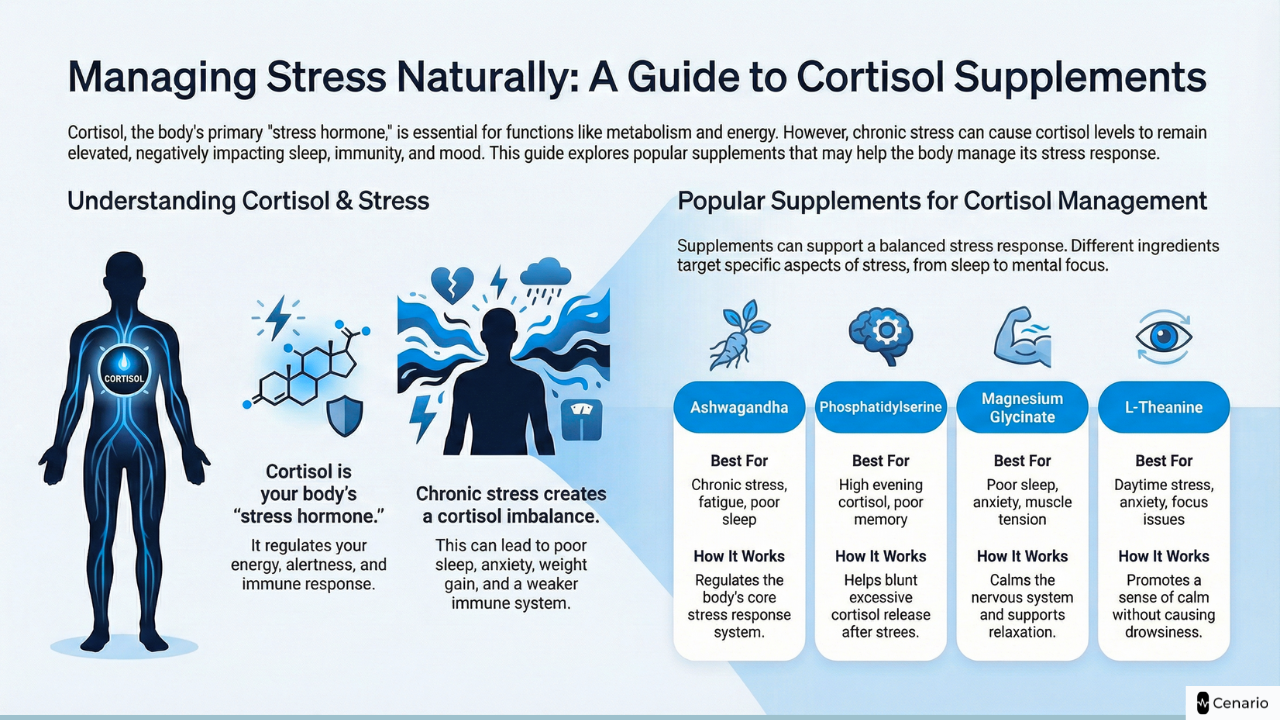
Cortisol is commonly called the “stress hormone,” but it does much more than that. It plays a vital role in several essential functions, including metabolism, immune support, energy production, and your body’s overall stress response.
When you face a stressful event like a tight deadline, a sudden problem, or emotional pressure your cortisol levels naturally rise. This temporary spike gives your body the boost it needs to stay alert, focused, and ready to respond.
However, stress becomes a problem when it doesn’t go away. If your body is under constant pressure, cortisol can stay elevated for long periods. Over time, this can disrupt sleep, increase anxiety, weaken the immune system, and even cause muscle loss or weight gain. This is why keeping cortisol levels balanced is important for long-term mental and physical well-being.
Why Cortisol Supplements Are Becoming Popular
With more people searching for natural ways to support their stress levels, cortisol-targeting supplements have grown in popularity. These supplements are marketed as tools that can help the body manage cortisol production, reduce stress symptoms, and promote a sense of calm.
Many individuals prefer these natural options because they’re seen as gentler alternatives to prescription medications. The supplement market now offers many options. These include herbs, plant extracts, vitamins, and amino acids. All of these are thought to help support healthier cortisol levels.
For people dealing with constant stress, poor sleep, or burnout, these supplements can feel like a practical and accessible solution. As interest continues to rise, consumers are becoming more curious about how these natural ingredients work and whether they can truly support better stress management.
Objective of the Post
The purpose of this blog is to explore how effective cortisol supplements truly are and what scientific research says about them. Many people take these supplements to manage stress naturally. However, the information available can be confusing or incomplete.
By breaking down what the science actually shows both the strengths and the limitations, we aim to guide readers toward making informed, confident choices. This blog will help you understand whether cortisol supplements are worth considering and how they might fit into a broader stress-management lifestyle.
Scientific Insights into Cortisol Supplements
As interest in cortisol supplements rises, it becomes increasingly important to understand the scientific evidence behind them. Not all supplements work the same way, and some have stronger research support than others. The following sections explain what studies have discovered about specific supplements and how they may influence cortisol levels, stress responses, and overall health.
Tangeretin Supplementation
Tangeretin is a naturally occurring compound found in citrus fruits, especially in the peels. It has gained attention because of promising results in early scientific studies. One study found that taking tangeretin for four weeks significantly lowered cortisol and ACTH levels in athletes. ACTH is the hormone that signals your adrenal glands to produce cortisol, so a reduction in both ACTH and cortisol suggests a calmer, more balanced stress response.
This is especially important for athletes and highly active individuals, whose cortisol levels often rise due to intense physical stress. Lower cortisol levels may help reduce exercise-induced inflammation, shorten recovery time, and improve overall performance. While more research is still needed, current findings suggest that tangeretin may support both physical recovery and stress resilience.
Amino Acids and Exercise Stress
Amino acids, which are the building blocks of protein, also show potential in reducing cortisol levels, especially during demanding physical activity. When the body does intense exercise, it often breaks down muscle tissue for energy. This process causes an increase in cortisol. Supplementing with amino acids gives the body an alternative energy source, helping to protect muscle tissue from being used as fuel.
Amino acids can help keep muscle mass. They also support recovery after workouts. Additionally, they may lower the body’s need to make extra cortisol when stressed. For people who regularly participate in high-intensity training, amino acids may help them train harder while minimizing the negative effects of stress on the body.
Probiotics and Cortisol Reduction
Probiotics are best known for promoting good digestion and gut health, but research also indicates that they may influence the stress response. A large review of 46 clinical trials found that probiotics can lead to a small but measurable reduction in cortisol levels. This effect likely comes from the strong connection between the gut and the brain, commonly referred to as the gut-brain axis.
However, the results vary depending on the type of probiotic, how long it is taken, and the individual’s overall health. While probiotics may help some people experience better stress regulation, others may notice more subtle effects. Still, their potential to improve both gut health and stress levels makes them a worthwhile consideration for many individuals.
Types of Cortisol Supplements
People commonly use several supplements to support balanced cortisol levels, and each one works in a slightly different way.
Ashwagandha
Ashwagandha is an adaptogenic herb known for helping the body cope with physical and emotional stress. Studies suggest that it can lower cortisol levels while promoting a sense of calm and reducing feelings of anxiety. Many users also report improvements in sleep quality and emotional resilience.
Phosphatidylserine
Phosphatidylserine is a fat-based molecule found in high amounts in brain cells. It plays an important role in supporting memory, focus, and mood. Research suggests it may help lower cortisol, especially after intense exercise or mental demands. This makes it useful for both athletes and individuals experiencing chronic mental stress.
Magnesium
Magnesium is a mineral involved in hundreds of bodily processes, including muscle relaxation, sleep regulation, and nervous system balance. Low magnesium levels are associated with increased stress and heightened cortisol responses. Supplementing with magnesium may help the body relax more easily, improve sleep, and reduce stress-related symptoms.
Many people use these supplements to relieve daily stress, improve sleep, support athletic recovery, and enhance overall mood. However, it remains important to choose supplements supported by research and to consult a healthcare professional before adding anything new to your routine.
Visual Summary
Here is a simple comparison of several well-studied cortisol-related supplements and their reported effects:
| Supplement | Key Benefits | How It Helps Lower Cortisol | Best For | Typical Dosage (General) |
|---|---|---|---|---|
| Ashwagandha | Reduces stress, improves sleep, boosts mood | Regulates HPA axis, lowers cortisol response to stress | Chronic stress, fatigue, poor sleep | 300–600 mg/day |
| Rhodiola Rosea | Enhances energy, reduces burnout, improves focus | Balances stress hormones and supports adrenal function | Mental fatigue, work stress | 200–400 mg/day |
| Omega-3 Fatty Acids | Reduces inflammation, supports brain health | Helps control stress response and stabilizes cortisol levels | Mood swings, inflammation | 1,000–2,000 mg/day |
| Magnesium Glycinate | Improves sleep, relaxes muscles, calms the nervous system | Regulates stress hormones and supports relaxation | Poor sleep, anxiety, muscle tension | 200–400 mg/day |
| Phosphatidylserine | Improves memory, reduces cortisol spikes | Blocks excessive cortisol release, especially after stress | High evening cortisol, sleep problems | 100–300 mg/day |
| L-Theanine | Promotes calmness, improves focus, reduces anxiety | Increases alpha brain waves and reduces stress response | Daytime stress, anxiety, focus issues | 100–200 mg/day |
| Holy Basil (Tulsi) | Reduces anxiety, boosts immunity, calms the mind | Acts as an adaptogen to lower stress hormones | Emotional stress, mood instability | 300–500 mg/day |
| Probiotics | Supports gut health, improves mood and digestion | Regulates gut–brain axis, helping control cortisol | Bloating, stress-related digestion issues | 5–20 billion CFU/day |
An infographic illustrating the physiological processes behind cortisol reduction can be incredibly helpful for readers. These graphics show how supplements impact ACTH levels, muscle metabolism, and the body’s stress response. This makes complex science easier to understand. Visuals give a quick way for anyone to understand how each supplement works and what benefits it offers.
By exploring the scientific findings and looking at different supplement types, individuals can make more informed choices about whether cortisol supplements fit into their personal stress-management approach. These supplements can be helpful, but it is important to keep expectations realistic and recognize both their potential advantages and their limitations.
Critical Review of Supplement Efficacy
Although cortisol supplements show potential, it is important to critically evaluate the scientific evidence supporting their use. Knowing the strengths and weaknesses of current research helps us see how effective these supplements are. It also shows if we can rely on them consistently.
Strengths and Limitations of Current Research
Research in this field has produced several helpful insights. For example, controlled studies on tangeretin have shown meaningful reductions in cortisol and ACTH levels among athletes. This suggests that tangeretin may support better recovery and stress resilience in people who regularly face physical strain.
Amino acids have also demonstrated beneficial effects by providing energy during exercise, thereby reducing the need for cortisol-driven muscle breakdown. These findings suggest that amino acids can help protect muscle mass. They may also improve performance in tough physical situations.
However, not all supplements have equally strong evidence. Probiotics can lower cortisol levels a little, but results vary. This depends on the study design, the probiotic strain, and the participants’ traits. This variability creates uncertainty and highlights the need for more standardized and long-term studies. Overall, while certain supplements appear promising, the evidence is not yet strong enough to make universal claims.
Regulatory and Safety Considerations
Before adding cortisol supplements to a daily routine, it is important to understand their regulatory status and safety considerations. Common supplements such as ashwagandha and magnesium are generally considered safe when used correctly. However, more is not always better. Excessive or improper use can lead to unwanted side effects, and some supplements may interact with medications.
It is also important to remember that dietary supplements are not regulated as strictly as pharmaceutical drugs. Agencies such as the FDA do not require supplement manufacturers to prove effectiveness before a product reaches the market. Because of this, the quality, purity, and potency of supplements can vary widely between brands. Consumers should look for companies that provide third-party testing, clear ingredient lists, and evidence supporting their claims.
Buyer Guidance and Realistic Claims
When choosing cortisol supplements, individuals should approach the market with a balanced mindset. While many supplements show potential, they do not guarantee the same results for everyone. Factors such as lifestyle, stress levels, health conditions, genetics, and even sleep patterns can influence how well a supplement works.
It is always best to choose products backed by scientific evidence rather than relying on bold marketing claims. Reputable brands will offer full transparency about their ingredients, dosages, and relevant research. Consulting with a healthcare provider can also help tailor supplement choices to specific health needs and avoid unnecessary or ineffective purchases.
Find the Right Cortisol-Support Ingredients for You
Match your mood, stress, and sleep symptoms to the right ingredients with a quick, personalized assessment.
Take the Cenario Mental Health Supplement Quiz and get your custom stress & cortisol plan.
Frequently Asked Questions
What is cortisol, and why is it important?
It is the primary output of your adrenal stress system. It regulates blood sugar, inflammation, alertness, and daily energy rhythms. When the signal is balanced, you wake up with energy and wind down at night. When it is not, sleep, mood, and weight regulation break.
Can supplements really lower cortisol levels?
Some ingredients shift cortisol reliably in the right context. Examples include tangeretin, phosphatidylserine, theanine, ashwagandha, and glycine. They work only when matched to the pattern. Wrong timing or wrong mechanism produces little change.
Are cortisol supplements safe to use?
Most are safe for healthy adults. The exceptions are licorice root and any ingredient that affects blood pressure. People on antidepressants, stimulants, thyroid medication, or antihypertensives should get medical clearance because interactions are possible.
How long does it take to see results from cortisol supplements?
Most studies show measurable changes around the three to four week mark. Faster improvements happen when sleep timing, caffeine use, and morning light exposure are already controlled.
What should I look for when choosing a cortisol supplement?
Look for single ingredients with clinical doses, third party testing, and no proprietary blends. Avoid underdosed formulas. Match the ingredient to your symptom pattern. If your cortisol spikes in the evening, choose calming amino acids. If mornings are flat, choose ingredients that support the early peak.