

In recent years, melatonin supplements have become a popular choice for those seeking to improve their sleep patterns. However, concerns about potential side effects, such as grogginess, vivid dreams, and the lack of long-term safety data, have prompted many to explore melatonin alternatives. This growing interest in natural sleep solutions highlights a shift towards finding safer and more holistic approaches to achieving restful sleep.
Exploring Natural Sleep Solutions
Many individuals are now turning to a variety of natural remedies that aim to enhance sleep quality without the drawbacks associated with melatonin. These alternatives include herbal supplements, dietary changes, and lifestyle adjustments that work in harmony with the body’s natural processes. By focusing on a holistic approach, these solutions not only promote better sleep but also contribute to overall well-being.
Some of the most promising natural sleep aids include valerian root, tart cherry juice, magnesium, and ashwagandha. Each of these options offers unique benefits and mechanisms to support sleep, from boosting relaxation to reducing stress. These alternatives are increasingly supported by scientific research, providing a credible foundation for those seeking to improve their sleep naturally.
Purpose of This Post
The aim of this post is to explore a range of scientifically-backed, natural alternatives to melatonin. We will provide a comprehensive guide for those seeking safer, effective sleep solutions. By examining the evidence and benefits of these natural remedies, we hope to empower individuals to make informed decisions about their sleep health. Whether you’re looking to address occasional sleeplessness or improve your overall sleep quality, these alternatives offer viable options to consider.
Exploring Common Melatonin Alternatives
As individuals seek to move away from traditional melatonin supplements, several natural alternatives have emerged as effective options for promoting restful sleep. These alternatives are not only backed by scientific research but also offer unique mechanisms to enhance sleep quality.
Valerian Root: A GABA Booster
Valerian root is renowned for its ability to enhance gamma-aminobutyric acid (GABA) activity in the brain. This neurotransmitter plays a critical role in promoting relaxation and reducing the time it takes to fall asleep. Numerous studies have supported the efficacy of valerian root, making it one of the most researched natural sleep aids. While generally safe, some individuals may experience mild side effects such as headaches or dizziness.
Tart Cherry Juice: A Natural Melatonin Source
Tart cherry juice, particularly from Montmorency tart cherries, is another popular alternative. It naturally increases melatonin levels, which can improve sleep duration and quality. Studies have shown that consuming this juice can lead to better sleep without the side effects associated with synthetic melatonin. It’s important to note that these effects are specific to tart cherries and not sweet varieties.
Magnesium: Supporting Sleep Patterns
Magnesium is an essential mineral that supports healthy sleep patterns and muscle relaxation. Its role in regulating neurotransmitters that promote sleep makes it a valuable alternative for those seeking to improve their sleep naturally. While generally safe, high doses of magnesium can cause gastrointestinal issues, so it’s advisable to start with a lower dose and consult with a healthcare provider if necessary.
Ashwagandha: An Adaptogen for Relaxation
Ashwagandha is an adaptogen known for its ability to reduce cortisol levels, thereby promoting relaxation and improved sleep efficiency. Clinical studies support its use in reducing stress-induced insomnia, making it a well-tolerated option with few side effects. This herb not only aids in sleep but also contributes to overall stress management.
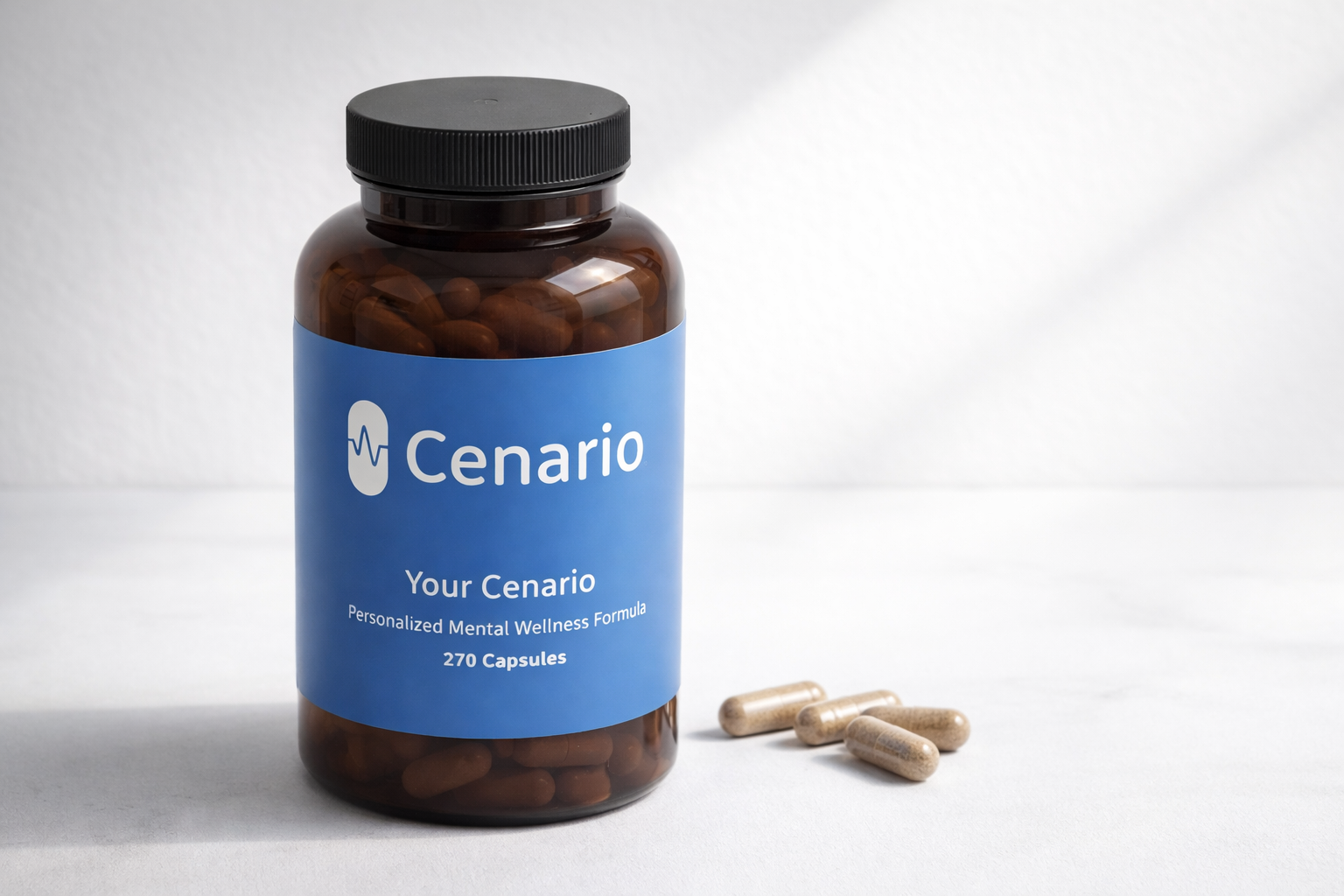
Many people look for ways to improve mental clarity, energy, and overall wellbeing, but choosing the right supplement can feel overwhelming. With countless options on the market, focusing on solutions tailored to your individual needs can make a meaningful difference. The right combination of nutrients may support brain health, help regulate stress responses, and improve daily focus.
Explore more about personalized wellness and discover the right approach for your goals:
Take the Cenario Quiz
Find more guides here:
Cenario
Additional Natural Sleep Aids
Beyond the commonly discussed alternatives, several other natural remedies can enhance sleep quality:
- Lemon Balm: Known for reducing stress and anxiety, lemon balm can aid in sleep onset by calming the mind.
- Passionflower: This herb has shown potential in improving total sleep time and efficiency, though more human studies are needed.
- Black Cumin Seed: With potential anti-inflammatory effects, black cumin seed may enhance sleep quality, though data are limited.
- Magnolia Bark: Used in traditional Chinese medicine, magnolia bark helps reduce adrenaline levels, promoting calmness and sleep.
Other Notable Herbs and Safety Considerations
Several other herbs, such as hops, chamomile, and theanine, are commonly found in teas and supplements aimed at improving sleep. While some evidence supports their use, more research is needed to fully understand their efficacy and safety. It’s crucial to consult with healthcare providers before combining these remedies with prescription or over-the-counter drugs to avoid potential interactions.
Conclusion
By exploring these natural alternatives, individuals can find safe and effective solutions to enhance their sleep quality without relying on melatonin. Each remedy offers unique benefits and mechanisms, allowing for a personalized approach to achieving restful sleep. As always, consulting with a healthcare provider is recommended to ensure the chosen alternative aligns with individual health needs and conditions.
Exploring Other Notable Herbs for Sleep
In addition to the well-researched alternatives like valerian root and magnesium, there are several other herbs that have shown potential in enhancing sleep quality. These herbs are often found in teas and supplements and offer a natural way to promote relaxation and improve sleep.
Hops, Chamomile, and Theanine: Traditional Sleep Aids
Hops, commonly associated with beer production, have also been used traditionally as a sleep aid. They contain compounds that may help reduce anxiety and promote sleep. Chamomile, another popular herb, is often consumed as a tea and is known for its calming effects. Theanine, an amino acid found in tea leaves, is believed to improve sleep by promoting relaxation without drowsiness.
Safety and Interactions
While these herbs are generally considered safe, it’s important to be aware of potential interactions with other medications. For example, combining chamomile with anticoagulant drugs could increase the risk of bleeding. Therefore, consulting with a healthcare provider before using these herbs, especially if you are taking other medications, is advisable.
Choosing the right supplement should not depend on guesswork. A personalized plan helps ensure you receive nutrients that match your body’s needs and your wellness goals. Whether you want stronger focus, deeper sleep, or better stress balance, the right formulation can help support lasting improvements.
Start your personalized wellness journey today:
Take the Cenario quiz and discover your tailored supplement formula.
Frequently Asked Questions
What are the potential side effects of valerian root?
Valerian root is generally safe but may cause mild headaches or dizziness in some individuals.
Can tart cherry juice be used daily for sleep improvement?
Yes, tart cherry juice can be consumed regularly, but it’s important to monitor for any digestive discomfort.
Is magnesium supplementation safe for everyone?
While generally safe, individuals with kidney issues should consult a doctor before taking magnesium supplements.
How does ashwagandha help with sleep?
Ashwagandha reduces cortisol levels, helping to alleviate stress and promote relaxation, leading to better sleep.
Are there any risks associated with using black cumin seed for sleep?
While considered safe, the evidence is limited, and it’s advisable to consult with a healthcare provider before use.
What should I consider before trying natural sleep remedies?
Always consult with a healthcare provider, especially if you are taking other medications or have underlying health conditions.
By exploring these natural alternatives, individuals can find safe and effective solutions to enhance their sleep quality without relying on melatonin. Each remedy offers unique benefits and mechanisms, allowing for a personalized approach to achieving restful sleep. As always, consulting with a healthcare provider is recommended to ensure the chosen alternative aligns with individual health needs and conditions.