

The Importance of Managing Cortisol Levels
In today’s fast-paced world, stress has become a common part of daily life. At the center of our body’s stress response is cortisol, often referred to as the “stress hormone.” While essential for various bodily functions, elevated cortisol levels can negatively impact health, leading to issues like anxiety, weight gain, and sleep disturbances. As a result, there is a growing interest in natural methods to manage cortisol levels, with supplements emerging as a popular choice.
Cortisol plays a crucial role in our body’s response to stress. However, when cortisol levels remain high for extended periods, it can lead to several health problems. Chronic high cortisol is linked to increased anxiety, difficulty losing weight, and disrupted sleep patterns. Managing cortisol is therefore vital for maintaining overall health and well-being. Natural supplements offer a promising avenue for those seeking to balance cortisol levels without the side effects often associated with pharmaceutical interventions.
An Overview of Supplements to Lower Cortisol
Several supplements are commonly recommended for their potential to reduce cortisol levels. Among these, ashwagandha, magnesium, omega-3 fatty acids, and L-theanine are the most frequently cited. Each of these supplements has varying levels of clinical support and is promoted for their unique benefits in cortisol management.
- Ashwagandha: Known for its adaptogenic properties, ashwagandha is one of the most researched supplements for cortisol reduction. Studies have shown it can decrease cortisol levels significantly, making it a popular choice for stress management.
- Magnesium: This essential mineral is linked to stress relief and cortisol reduction, particularly in individuals with a deficiency. Its broad health benefits make it a staple in many stress-reduction protocols.
- Omega-3 Fatty Acids: Known for their anti-inflammatory properties, omega-3s have been shown to reduce cortisol levels in clinical studies, offering additional benefits for heart and brain health.
- L-Theanine: Found in tea leaves, L-theanine is praised for its ability to modulate stress response and gently lower cortisol, often used in combination with other supplements for enhanced effects.
While these supplements offer promising results, it’s important to remember that individual responses can vary. Consulting with a healthcare provider before starting any new supplement regimen is always recommended to ensure safety and effectiveness.
Exploring the Benefits of Ashwagandha
Ashwagandha, an adaptogenic herb, stands out as one of the most effective supplements to lower cortisol levels. Its ability to reduce cortisol by up to 32% in clinical studies highlights its potential as a powerful stress management tool. Beyond cortisol reduction, ashwagandha offers additional health benefits, such as improved sleep quality, enhanced mood, and potential support for thyroid health. These benefits make it a versatile option for those seeking holistic well-being.
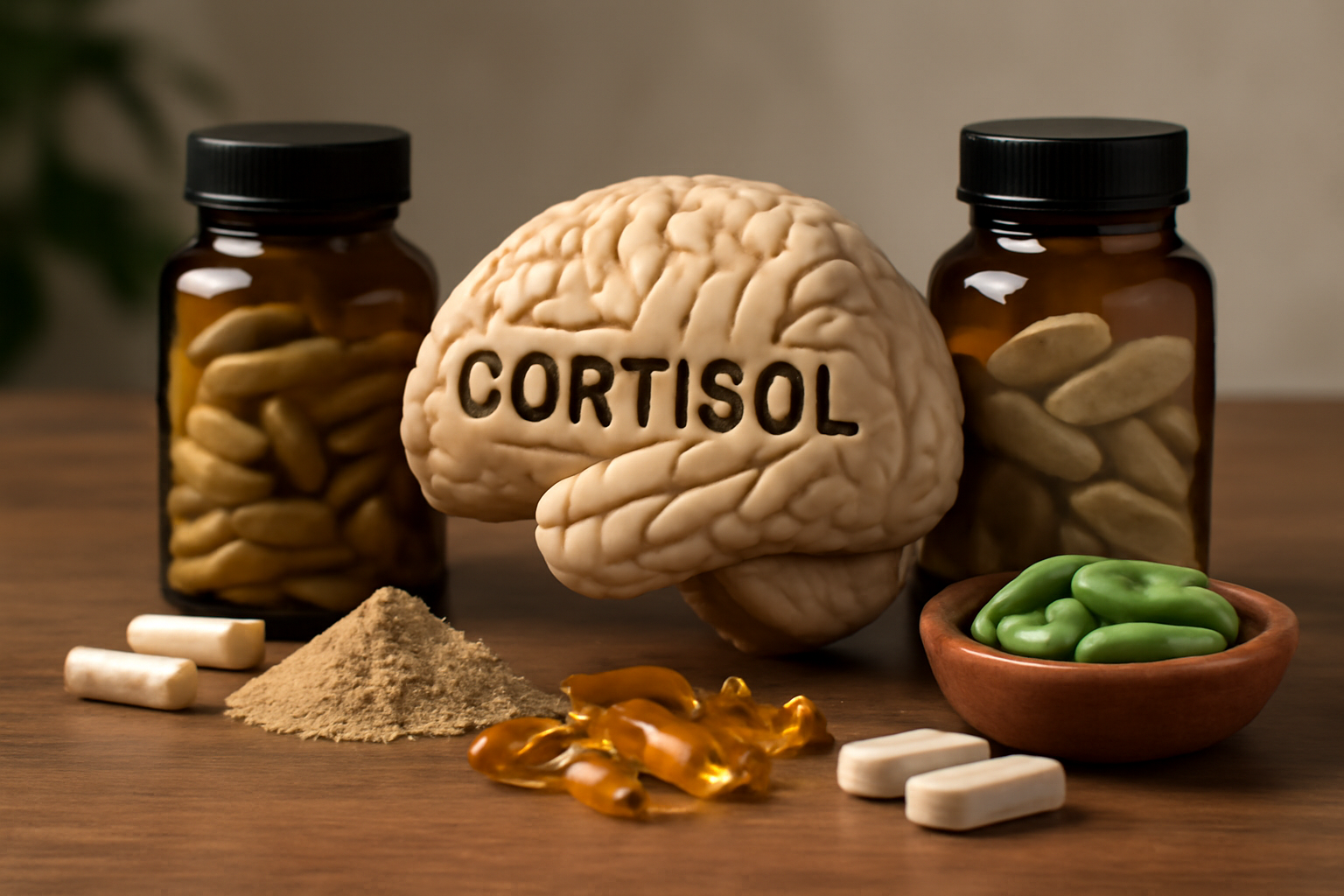
The scientific backing for ashwagandha is robust, with systematic reviews and trials confirming its short-term effectiveness in stress-related cortisol elevation. However, it is important to use this supplement under medical supervision due to limited long-term data. This ensures safe and effective use, especially for individuals with underlying health conditions.
The Role of Magnesium in Stress Relief
Magnesium is another key player in the world of supplements for cortisol management. A deficiency in this essential mineral is linked to increased stress and elevated cortisol levels. As a first-choice supplement for stress relief, magnesium not only helps regulate cortisol but also offers broad health benefits. These include blood pressure regulation, blood sugar control, and alleviation of stress-related symptoms.
Magnesium’s strong safety profile makes it a popular choice, although high doses may lead to minor side effects. It is generally well-tolerated, making it an accessible option for those looking to manage stress naturally.
Omega-3 Fatty Acids: Beyond Cortisol Reduction
Omega-3 fatty acids are renowned for their anti-inflammatory properties and have been shown to reduce cortisol levels by 33% in stressed adults, according to a 2021 randomized controlled trial. These essential fats offer additional benefits, such as neuroprotection and anti-aging effects, making them a valuable addition to any health regimen.
Incorporating omega-3-rich foods or supplements into your diet can support overall health while aiding in cortisol management. Their multifaceted benefits make them a staple in stress reduction strategies.
L-Theanine: A Gentle Stress Modulator
L-theanine, an amino acid found in tea, is known for its gentle ability to lower cortisol and modulate the body’s stress response. Often combined with ashwagandha or magnesium, L-theanine enhances the effects of these supplements, offering a comprehensive approach to stress management.
This amino acid is particularly valued for its calming properties without causing drowsiness, making it suitable for those seeking a gentle yet effective way to manage stress.
Other Supplements Worth Considering
While ashwagandha, magnesium, omega-3 fatty acids, and L-theanine are the most well-researched supplements for cortisol reduction, other options are available. Rhodiola rosea, phosphatidylserine, vitamin C, and magnolia bark are sometimes recommended, though research support varies. These supplements can serve as secondary options for those looking to expand their stress management toolkit.
It is crucial to remember that supplements should complement lifestyle interventions such as adequate sleep, regular exercise, and effective stress management techniques for optimal results.
Conclusion: A Holistic Approach to Cortisol Management
Incorporating supplements to lower cortisol into your daily routine can be an effective strategy for managing stress. However, it is essential to approach supplementation with caution and under the guidance of a healthcare provider. This ensures safety and maximizes the benefits of these natural interventions.
By combining supplements with healthy lifestyle practices, you can create a comprehensive plan to maintain balanced cortisol levels and support overall well-being. As research continues to evolve, staying informed about the latest findings will empower you to make educated choices for your health journey.
Contrasting Evidence and Cautions
While supplements to lower cortisol, such as ashwagandha and magnesium, have shown promising short-term results, it’s essential to consider the broader context of scientific research. Reviews often affirm the moderate benefits of these supplements, but they also highlight the need for more comprehensive long-term studies to fully understand their safety and effectiveness. It’s crucial for individuals to use these supplements under medical supervision, especially if they have existing health conditions or are taking other medications.
Moreover, supplements should be viewed as part of a holistic approach to stress management. Lifestyle changes, including adequate sleep, regular exercise, and effective stress management techniques, are integral to maintaining balanced cortisol levels. Supplements can complement these lifestyle interventions, but they should not be relied upon as the sole solution.
Key Trends and Recommendations
As the interest in natural stress management solutions grows, it’s important to establish authority by providing evidence-based content. Acknowledging the limitations of current research helps readers make informed decisions about their health. It’s also vital to highlight the importance of consulting healthcare providers before starting any supplement regimen, ensuring user safety and preventing potential interactions with existing medications.
Tailoring content to specific audiences can differentiate resources and provide more targeted advice. For instance, focusing on the needs of men, older adults, or active populations can offer unique insights that resonate with these groups. Additionally, balancing commercial content with actionable lifestyle tips can enhance the value of the information provided, helping readers integrate supplements into a broader wellness strategy.
Frequently Asked Questions
Cortisol is a hormone produced by the adrenal glands in response to stress. It plays a role in various bodily functions, including metabolism and immune response. However, chronically high cortisol levels can lead to health issues such as anxiety, weight gain, and sleep disturbances. Managing cortisol is essential for maintaining overall health and well-being.
How do supplements like ashwagandha work to reduce cortisol?
Ashwagandha is an adaptogenic herb that helps the body manage stress more effectively. It works by reducing cortisol levels, which can help alleviate stress-related symptoms. Clinical studies have shown that ashwagandha can decrease cortisol by up to 32%, making it a popular choice for natural stress management.
Are there any side effects associated with these supplements?
Most supplements to lower cortisol, such as magnesium and omega-3 fatty acids, have a strong safety profile when used at recommended doses. However, high doses of magnesium can cause minor side effects like diarrhea. It’s important to consult with a healthcare provider to ensure safe and appropriate use of any supplement.
Can I take these supplements alongside my current medications?
While many supplements to lower cortisol are generally safe, they can interact with certain medications. It’s crucial to discuss any new supplement regimen with your healthcare provider to avoid potential interactions and ensure the safety and effectiveness of your treatment plan.
How long does it typically take to see results from these supplements?
The time it takes to see results from supplements to lower cortisol can vary depending on the individual and the supplement used. Some people may notice improvements within a few weeks, while others may require longer. Consistency and adherence to recommended dosages are key to achieving optimal results.
Are there any lifestyle changes I should consider in addition to taking supplements?
Yes, lifestyle changes are crucial for managing cortisol levels effectively. Incorporating regular exercise, ensuring adequate sleep, and practicing stress-reduction techniques such as meditation or yoga can enhance the benefits of supplements and contribute to overall well-being. Combining these lifestyle interventions with supplements can create a comprehensive approach to stress management.