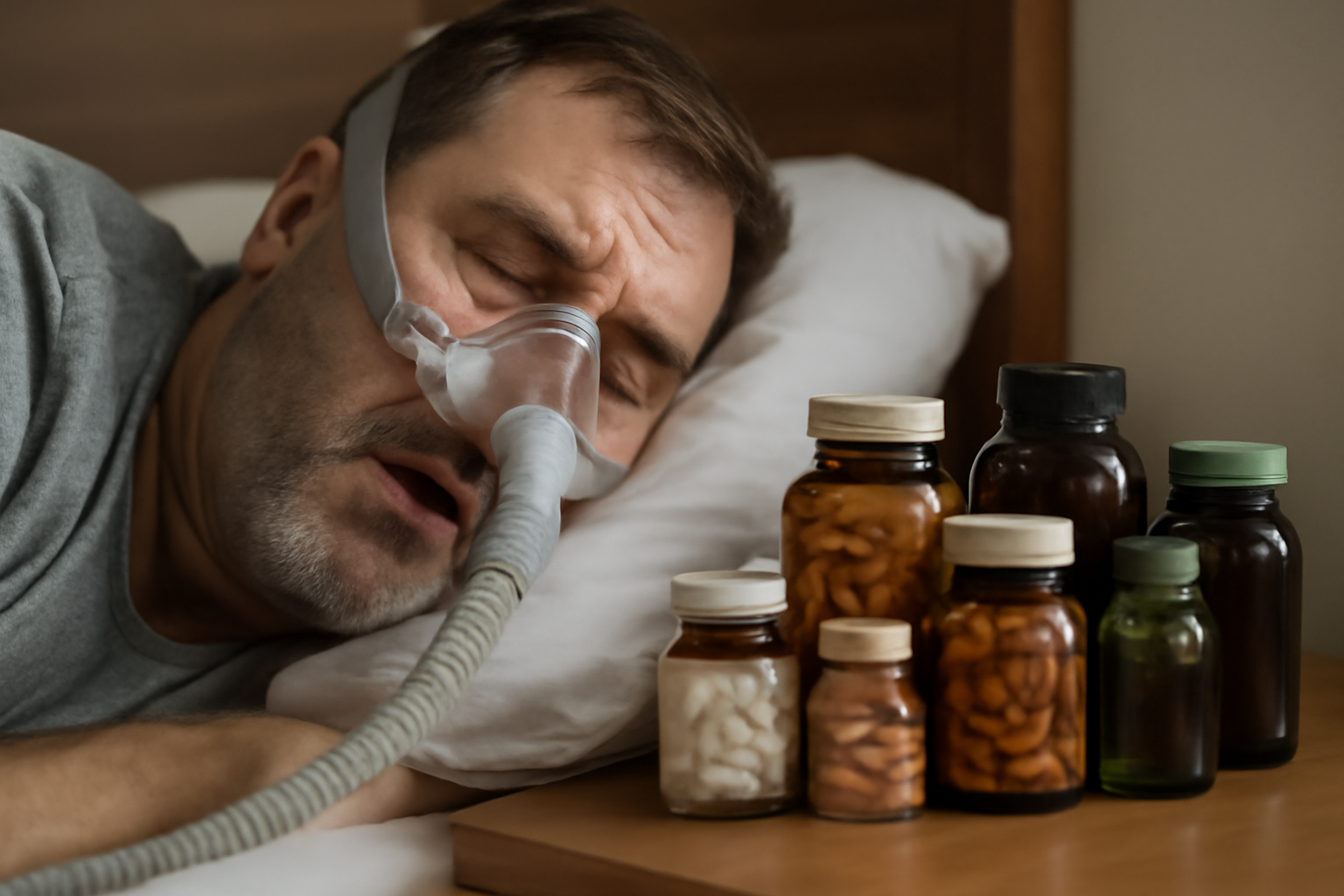

Sleep apnea is a prevalent sleep disorder characterized by repeated interruptions in breathing during sleep. These interruptions, known as apneas, can significantly impact one’s quality of life and overall health. Individuals with sleep apnea often experience symptoms such as loud snoring, daytime fatigue, and difficulty concentrating. Left unmanaged, sleep apnea can lead to more severe complications, including cardiovascular issues, metabolic disorders, and increased risk of accidents due to daytime drowsiness.
The Role of Supplements in Sleep Apnea Management
While traditional treatments like Continuous Positive Airway Pressure (CPAP) and oral appliances remain the cornerstone for managing sleep apnea, there’s growing interest in the role of dietary supplements. These supplements are explored as supportive measures that may help alleviate some symptoms and improve overall health. It’s essential to clarify that supplements for sleep apnea are not replacements for primary treatments. Instead, they serve as adjunctive support, potentially enhancing the effectiveness of established therapies.
Objective of Exploring Supplements
The objective of this post is to delve into the potential benefits of various supplements in supporting sleep apnea relief. By understanding how these supplements can complement primary treatments, individuals with sleep apnea may find additional ways to improve their health and quality of life. This exploration includes examining the role of vitamins, antioxidants, and other nutrients that may contribute to better sleep and reduced apnea symptoms.
As we proceed, we’ll highlight key supplements that have shown promise in research studies, discuss their potential benefits, and underscore the importance of professional guidance when considering their use. Remember, while supplements can offer supportive benefits, they should always be used in conjunction with, not as a substitute for, prescribed medical treatments.
Key Supplements for Sleep Apnea
Vitamin D: Supporting Cardio-Metabolic Health
Vitamin D plays a crucial role in the management of obstructive sleep apnea (OSA). Studies have shown that vitamin D supplementation can improve physiological and biochemical features associated with OSA. This is particularly important as vitamin D deficiency is commonly observed in individuals with sleep apnea. By supporting cardio-metabolic health, vitamin D may contribute to a modest reduction in the severity of sleep apnea symptoms.
Antioxidants: Vitamin C and E
Antioxidants such as vitamin C and E are known for their ability to reduce oxidative stress, which is often elevated in OSA patients. These vitamins help combat endothelial dysfunction, a condition that can exacerbate sleep apnea symptoms. Incorporating antioxidants into a treatment plan may lead to improved clinical outcomes, especially when used alongside standard treatments like CPAP.
N-acetylcysteine (NAC): Reducing Symptoms and Snoring
NAC is an antioxidant that has been shown to reduce symptoms of sleep apnea, including daytime sleepiness and snoring. Its ability to support antioxidant defense mechanisms makes it a valuable supplement for individuals looking to manage their sleep apnea more effectively.
Coenzyme Q10 (CoQ10): Cardiovascular Support
CoQ10 is beneficial for cardiovascular health, which is often a concern for OSA patients. It is particularly useful for those with hypertension or impaired metabolic function. By supporting heart health, CoQ10 can complement other treatments aimed at reducing the impact of sleep apnea.
B Vitamins and Folic Acid: Lowering Homocysteine Levels
Elevated homocysteine levels are a known cardiovascular risk factor in OSA patients. B vitamins and folic acid can help lower these levels, potentially reducing cardiovascular risks associated with sleep apnea. This makes them a valuable addition to a comprehensive treatment plan.
Omega-3 Fatty Acids: Anti-Inflammatory Benefits
Omega-3 fatty acids are renowned for their cardiovascular and anti-inflammatory properties. Their inclusion in the diet of OSA patients may offer additional support in managing inflammation and promoting heart health, which are critical concerns for those with sleep apnea.
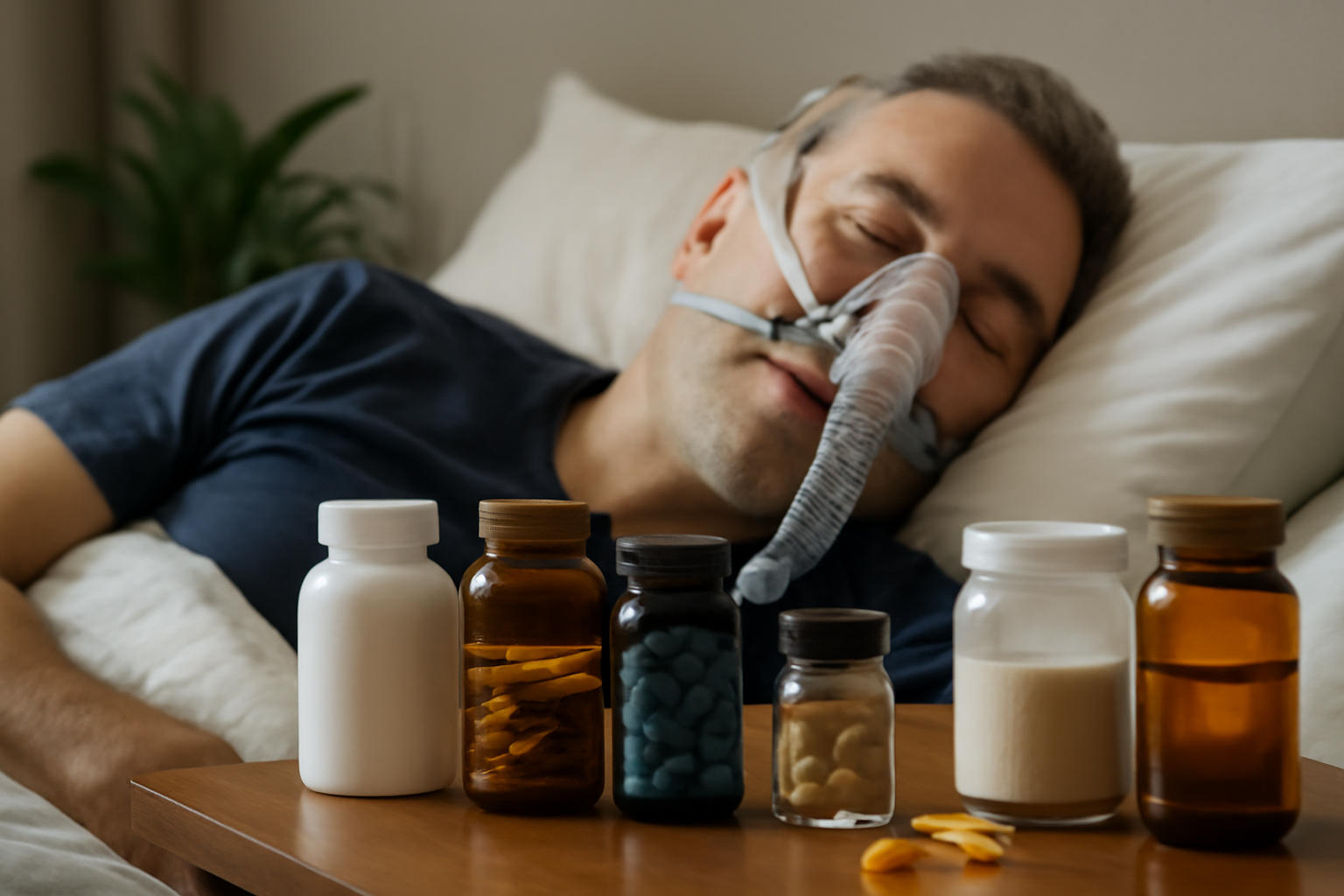
Probiotics: Reducing Inflammation and Hypertension
Probiotics have shown potential in reducing systemic inflammation and hypertension, both of which are relevant to sleep apnea management. While more human data is needed, probiotics may offer a promising avenue for supporting overall health in OSA patients.
Magnesium: Regulating Sleep Cycles
Magnesium is associated with better regulation of sleep cycles and may provide modest improvements in insomnia symptoms. Although direct evidence for its efficacy in treating OSA is limited, magnesium can still be a beneficial supplement for promoting restful sleep.
Melatonin: Improving Sleep Quality
Melatonin is often cited for its ability to improve sleep quality among OSA sufferers. While it may not directly reduce apnea events, melatonin can enhance overall sleep experience, making it a supportive addition to sleep apnea treatment strategies.
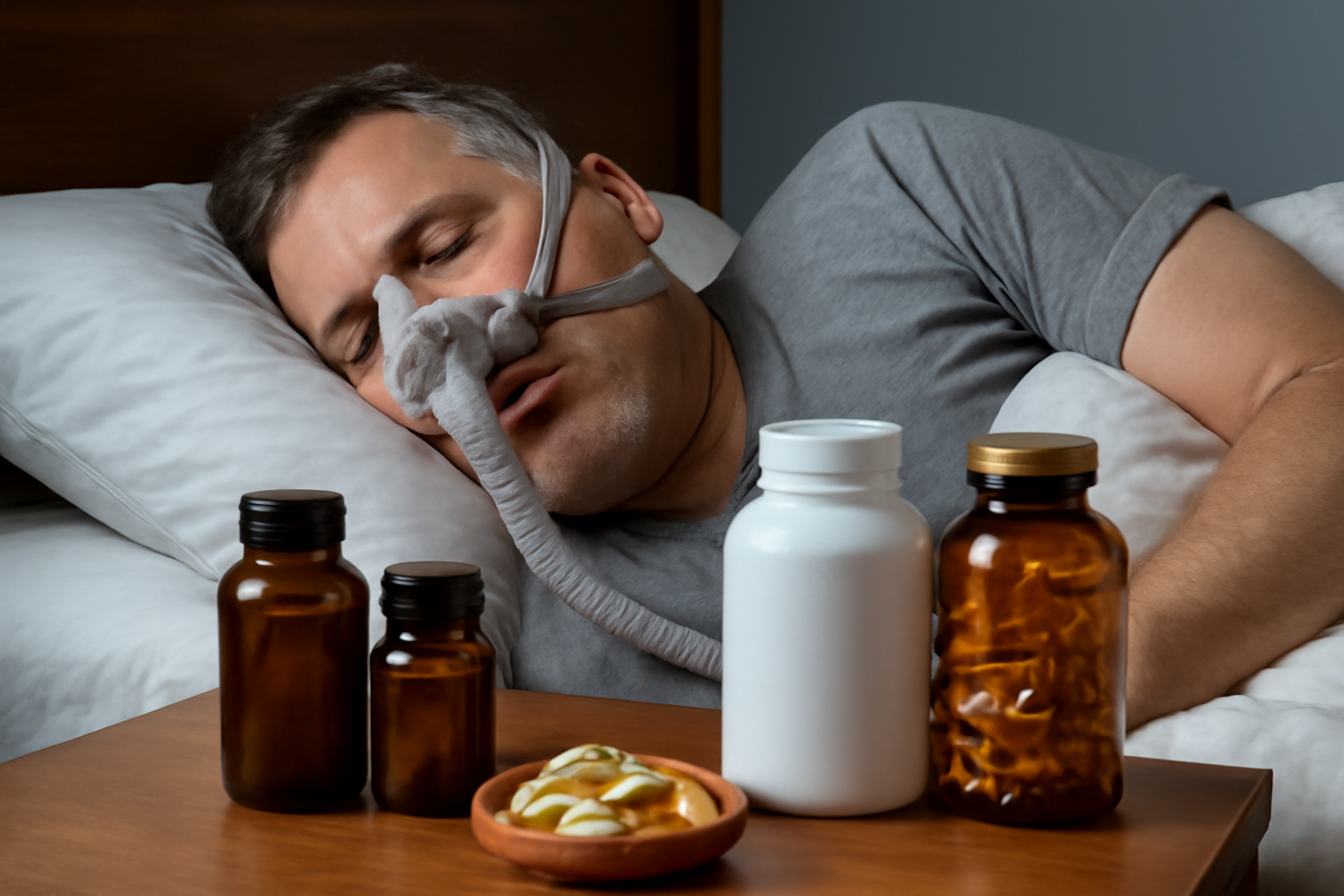
Emerging Pharmaceutical Options
AD109: A Potential Breakthrough
Recent clinical trials have highlighted AD109, a new “sleep apnea pill,” which has shown success in reducing obstructive events. Although still under review, this pharmaceutical option represents a promising development for patients seeking alternatives to traditional therapies.
Yohimbine: Experimental Use
In animal studies, yohimbine has demonstrated effectiveness in reversing sleep apnea symptoms by stimulating hypoglossal neurons. However, caution is advised for human use due to safety concerns, and further research is needed to explore its potential as a treatment option.
Conclusion
While supplements for sleep apnea offer supportive benefits, they should be viewed as complementary to primary treatments like CPAP. Consulting with healthcare professionals is essential to ensure safe and effective integration of these supplements into a comprehensive sleep apnea management plan. As research continues to evolve, staying informed about new developments and emerging treatments will be crucial for individuals seeking relief from sleep apnea.
Adjunctive Role of Supplements in Sleep Apnea Management
Supplements for sleep apnea are best utilized as complementary aids rather than standalone treatments. While they can support overall health and potentially alleviate some symptoms, they should never replace primary therapies such as CPAP or oral appliances. Individuals considering supplements should consult healthcare professionals to tailor their approach, especially if they have underlying health conditions that might interact with these supplements.
Trends and Recommendations in Supplement Use
The use of supplements in sleep apnea management is a growing trend, with many patients seeking natural ways to support their health. However, it’s crucial to understand that while some supplements show promise, the evidence is often preliminary. Research continues to explore their benefits, and further studies are needed to substantiate their effectiveness in directly impacting sleep apnea severity.
Comparison of Supplements and Their Potential Benefits
| Supplement | Potential Benefits | Evidence Level |
|---|---|---|
| Vitamin D | Cardio-metabolic health, disease severity | Moderate |
| Vitamin C & E | Oxidative stress reduction, endothelial support | Moderate |
| NAC | Symptom reduction, antioxidant support | Moderate |
| CoQ10 | Cardiovascular health | Moderate |
| B Vitamins & Folic Acid | Homocysteine reduction, cardiovascular support | Preliminary |
| Omega-3 | Cardiovascular, anti-inflammatory benefits | Preliminary |
| Probiotics | Inflammation and hypertension reduction | Preliminary |
| Magnesium | Sleep cycle regulation | Weak |
| Melatonin | Sleep quality improvement | Weak |
Frequently Asked Questions
Can supplements cure sleep apnea?
No, supplements cannot cure sleep apnea. They may support symptom management and overall health but should be used alongside primary treatments like CPAP.
Are there any risks associated with taking supplements for sleep apnea?
Yes, there are potential risks, including interactions with medications and possible side effects. It’s important to seek professional guidance before starting any supplement regimen.
What is the most effective supplement for sleep apnea?
The effectiveness of supplements for sleep apnea varies. Vitamin D and antioxidants like vitamin C and E are often cited for their supportive roles in managing symptoms.
Should I stop using my CPAP if I start taking supplements?
No, you should not stop using your CPAP. Supplements should be used as complementary aids, not as replacements for primary treatments.
Are there any new treatments for sleep apnea?
Yes, there are emerging pharmaceuticals, such as the AD109 pill, which show promise. It’s important to consult with a healthcare provider for the latest treatment options available.