
Gamma-Aminobutyric Acid, commonly known as GABA, is a natural neurotransmitter that plays a crucial role in calming the nervous system. This calming effect is essential for promoting sleep, making GABA an important player in the realm of sleep aids. As more people seek natural solutions for sleep disturbances, GABA supplements have gained popularity for their potential to enhance sleep quality, particularly among those grappling with insomnia.
The Challenge of Finding the Right GABA Dosage
While the benefits of GABA for sleep are promising, determining the optimal dosage remains a challenge. The right GABA dosage for sleep can vary significantly from person to person, influenced by factors such as age, weight, and individual sensitivity to supplements. The primary goal is to find a dosage that maximizes sleep benefits while minimizing any potential adverse effects.
Understanding dosage variations and individual responses is essential when considering GABA supplements. Too low a dose may not provide the desired sleep benefits, while too high a dose could lead to unwanted side effects. Therefore, it is crucial to approach GABA supplementation with a clear understanding of how different doses can impact sleep quality.
Growing Interest in GABA Supplements
The increasing interest in GABA supplements stems from their potential to address various sleep issues, particularly insomnia. Insomnia, characterized by difficulty falling or staying asleep, affects a significant portion of the population. For those struggling with this condition, GABA offers a natural alternative that could improve sleep onset and overall restfulness.
Many people look for ways to improve mental clarity, energy, and overall wellbeing, but choosing the right supplement can feel overwhelming. With countless options on the market, focusing on solutions tailored to your individual needs can make a meaningful difference. The right combination of nutrients may support brain health, help regulate stress responses, and improve daily focus.
Explore more about personalized wellness and discover the right approach for your goals:
https://cenario.com/quiz
Find more guides here:
https://cenario.com/blog/
As research into GABA and its effects on sleep continues to evolve, more individuals are exploring GABA supplements as a viable option for enhancing sleep quality. This growing interest highlights the need for clear guidance on dosage and usage to ensure safe and effective outcomes.
In the following sections, we will delve deeper into clinical insights on GABA dosage, explore variability in dosage recommendations, and provide practical advice for those considering GABA supplements for sleep improvement. Understanding these aspects will help you make informed decisions about incorporating GABA into your sleep routine.
Clinical Insights on GABA Dosage
Clinical studies have shed light on the effectiveness of GABA dosage for sleep, particularly for those with sleep-onset insomnia. A notable double-blind, placebo-controlled study found that a dosage of 75 mg of natural GABA significantly reduced sleep latency—the time it takes to fall asleep. This dosage was particularly beneficial for individuals struggling to initiate sleep, showing a positive impact without adverse effects. The study also reported an increase in slow-wave sleep, which is crucial for restorative rest.
While higher doses, such as 300 mg, have shown similar benefits in reducing sleep latency, they come with a higher risk of side effects. Therefore, lower doses are often preferred due to their favorable safety profile. It is essential for individuals to weigh the benefits and potential risks when considering higher doses of GABA.
Variability in Dosage Recommendations
The variability in GABA dosage recommendations is evident across different studies. Some research has explored doses ranging from 100 mg to as low as 16.8–26.4 mg from GABA-enriched rice. These studies reported improvements in subjective sleep quality, although results were less consistent compared to the 75 mg dosage.
| Dosage Level | Reported Effects | Safety |
|---|---|---|
| 75 mg | Reduced sleep latency, increased slow-wave sleep | Safe, no adverse effects |
| 100 mg | Improved subjective sleep quality | Generally safe |
| 16.8–26.4 mg | Variable improvements in sleep quality | Safe, but less consistent results |
| 300 mg | Reduced sleep latency | Potential for increased side effects |
If you are exploring supplements to support focus, mood, sleep, or stress management, a personalized approach often produces better results than generic products. Individual needs vary based on lifestyle, diet, and health goals. That is why tailored formulations can make a meaningful difference in how effective a supplement routine becomes.
Find your personalized supplement formula:
https://cenario.com/quiz
Practical Advice from Health Publications
Health publications provide practical advice for those considering GABA supplements for sleep. Healthline recommends starting with a low dose of 75 mg, particularly for those dealing with sleep-onset insomnia. This dosage has been shown to be effective and safe for daily use up to 120 mg over a 12-week period, with no notable side effects.
The Sleep Foundation suggests that taking up to 300 mg of GABA before bedtime may help reduce the time it takes to fall asleep. However, they note the variability in effectiveness, which may be attributed to GABA’s rapid metabolism in the body. This rapid metabolism can result in effects primarily on early-night sleep stages, rather than maintaining sleep throughout the night.
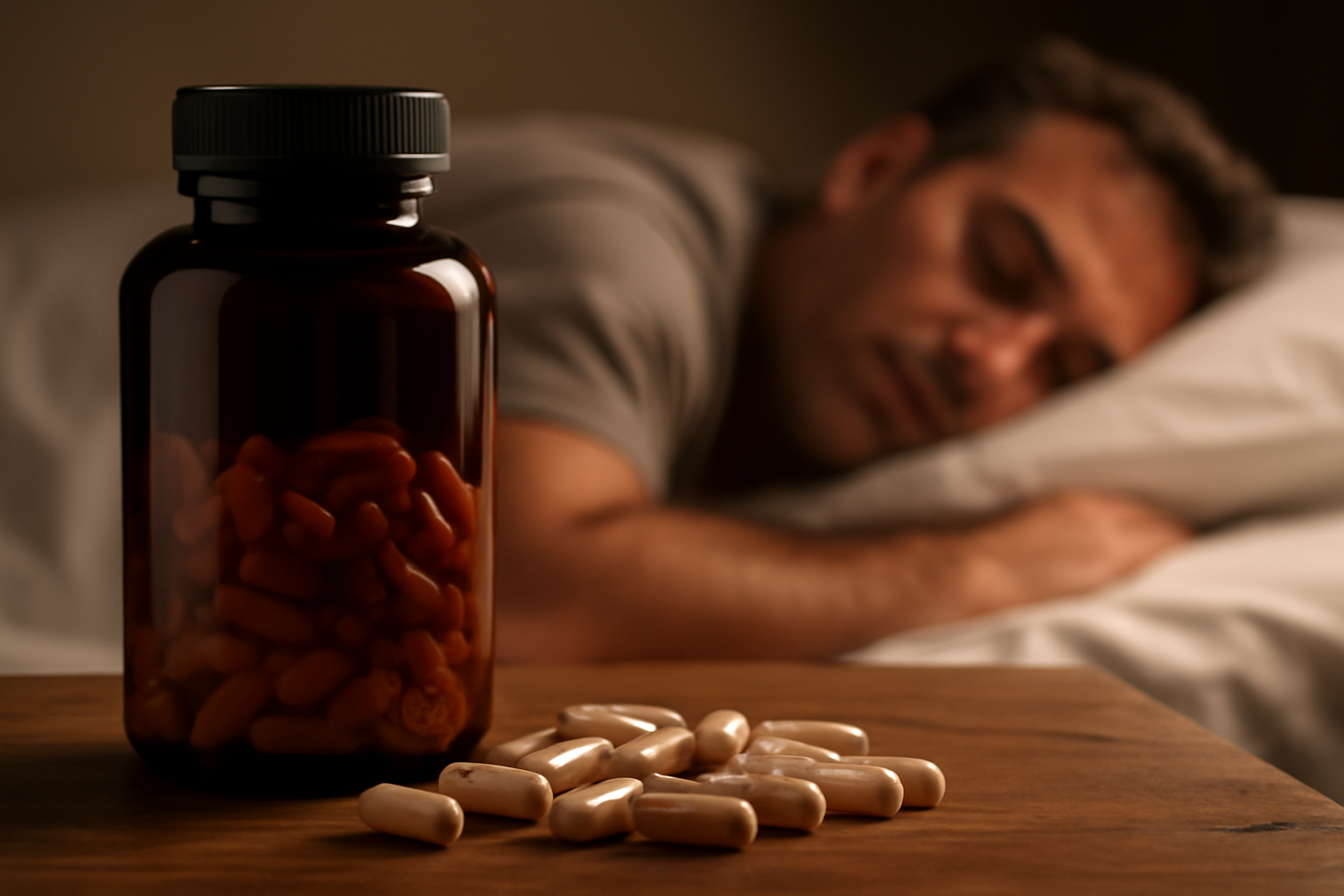
For those considering GABA supplements, it is crucial to start with a lower dose and gradually adjust as needed. Consulting with a healthcare provider is recommended, especially for individuals with existing health conditions or those taking other medications. This approach ensures both safety and efficacy in using GABA to improve sleep quality.
By understanding the clinical insights and practical recommendations, individuals can make informed decisions about the ideal GABA dosage for their unique sleep needs. As research continues to evolve, staying informed will be key to optimizing the benefits of GABA for a restful sleep.
Mechanism of Action and Safety Considerations
GABA plays a pivotal role in calming brain activity, which is essential for facilitating transitions to sleep. According to the Cleveland Clinic, GABA helps to reduce neuronal excitability, promoting relaxation and making it easier to fall asleep. This calming effect is particularly beneficial for those experiencing sleep-onset insomnia, as it helps to reduce the time it takes to fall asleep.
When considering GABA supplements, it is crucial to consult a healthcare provider, especially for individuals with pre-existing health conditions or those taking other medications. This consultation ensures that GABA supplementation is safe and appropriate, minimizing the risk of adverse interactions or side effects.
Trends and Gaps in Research
Recent trends in GABA research indicate a preference for lower, safer doses, typically ranging from 75 mg to 120 mg. These doses have been shown to be effective for improving sleep onset, with minimal side effects. However, it is important to note that the benefits of GABA may require prolonged use, often at least one week, to achieve full efficacy.
Despite these promising trends, there are notable gaps in the research. Many studies have small sample sizes and short durations, limiting the generalizability of their findings. Additionally, while GABA is effective for reducing sleep latency, its impact on sleep maintenance and overall sleep efficiency is less consistent. Individual responses to GABA can vary significantly, highlighting the need for further research to better understand these variations.
Choosing the right supplement should not depend on guesswork. A personalized plan helps ensure you receive nutrients that match your body’s needs and your wellness goals. Whether you want stronger focus, deeper sleep, or better stress balance, the right formulation can help support lasting improvements.
Start your personalized wellness journey today:
https://cenario.com/quiz
Take the Cenario quiz and discover your tailored supplement formula.
Frequently Asked Questions
What is the best GABA dosage for sleep?
The recommended starting dosage for GABA is 75 mg, particularly for those with sleep-onset insomnia. This dosage can be adjusted as needed, with medical supervision advised for higher doses like 300 mg.
Are there any side effects of taking GABA supplements?
At lower doses (75–120 mg), GABA is generally safe with minimal side effects. However, higher doses may increase the risk of side effects, so it is important to consult a healthcare provider before use.
How long before bed should I take GABA?
It is recommended to take GABA supplements 30 to 60 minutes before bedtime to allow for optimal absorption and effectiveness in promoting sleep.
Can GABA help with sleep maintenance?
While GABA is effective for reducing sleep latency, its benefits for maintaining sleep throughout the night are less consistent. Individual responses may vary, and further research is needed to better understand its impact on sleep maintenance.
Is it necessary to consult a healthcare provider before taking GABA?
Yes, consulting a healthcare provider is advised, especially if you have underlying health conditions or are taking other medications. This ensures that GABA supplementation is safe and appropriate for your individual needs.