

Anxiety is a common mental health condition that affects millions of people worldwide. It can show up in different ways.
You might feel constant worry and fear. You could also have physical symptoms like a fast heart rate and tense muscles. In today’s fast-paced society, anxiety has become increasingly prevalent, impacting daily life and overall well-being.
Many people use therapy and medication to manage anxiety. However, more individuals are looking for natural supplements as an additional option. These food supplements for anxiety may help relieve symptoms. They can do this without some side effects of medications.
The rise of natural supplements
In recent years, there has been a significant shift towards natural and holistic health solutions. More people are looking for options that fit a more natural lifestyle.
Food supplements for anxiety are getting attention for their possible benefits. One of the main appeals of these supplements is the possibility of fewer side effects compared to conventional medications. This interest comes from a need for safe and effective ways to manage anxiety. This is especially true for people who do not respond well to traditional treatments.
Natural supplements encompass a wide range of options, from herbal remedies to vitamins and minerals. Each offers unique properties that may help alleviate anxiety symptoms.
People know that herbal supplements like kava and passionflower help calm the mind. Amino acids like L-lysine and L-arginine can also help the body deal with stress. Minerals and vitamins can affect mood and stress. Researchers study magnesium, B-vitamins, and vitamin D for their impact.
As interest in these natural solutions grows, it’s important to approach them with a critical eye. While some supplements have shown promise, the scientific evidence supporting their efficacy can vary. This underscores the need for further research to fully understand their potential and limitations.
It’s important to remember that supplements should not replace prescribed treatments. Instead, they should support them. This creates a complete approach to managing anxiety.
For those considering food supplements for anxiety, consulting with a healthcare professional is essential. This ensures that any new supplement regimen is safe and appropriate for individual health needs. As more people discuss natural ways to relieve anxiety, it’s important to stay informed. Being careful can help individuals make better choices for their mental health
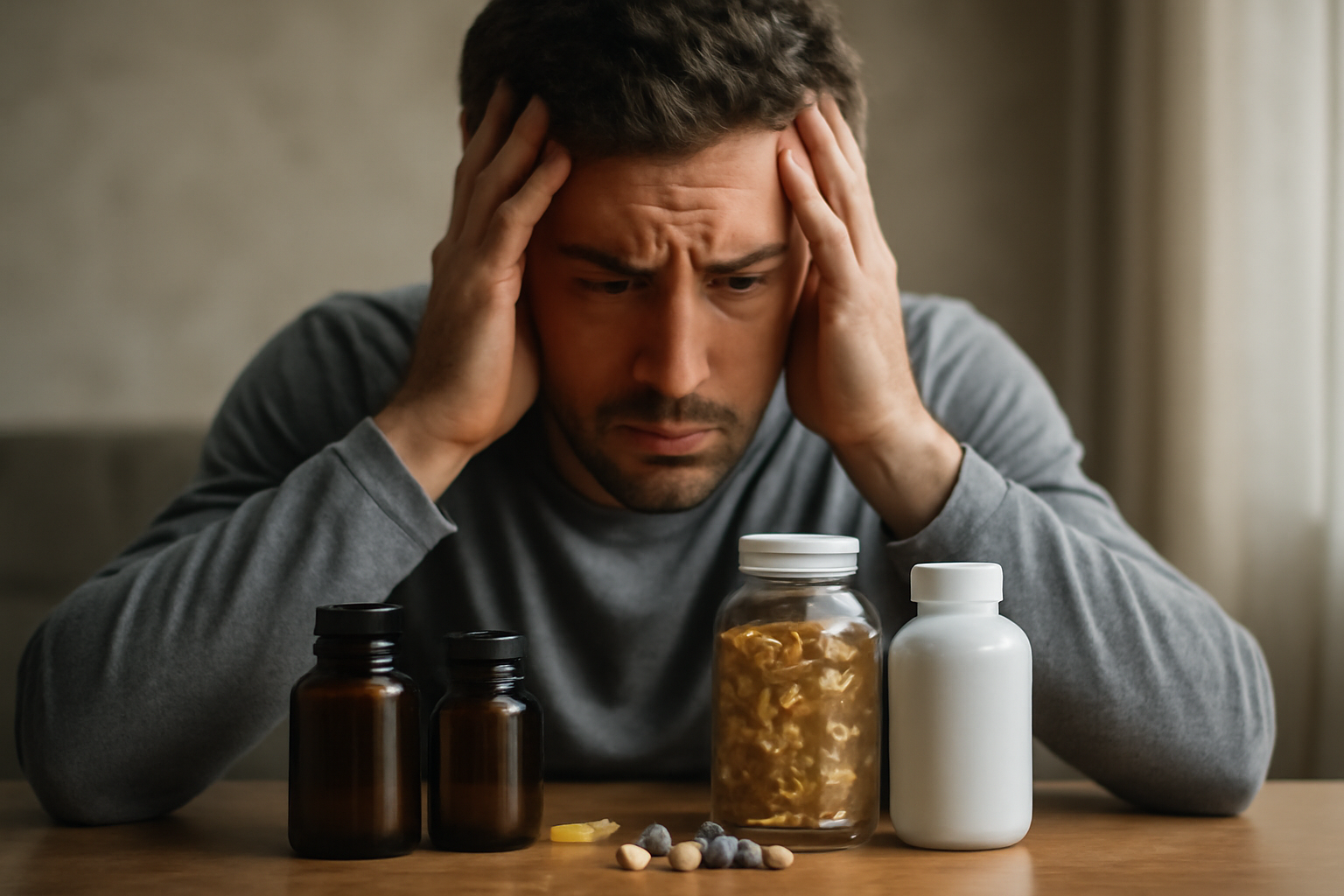
Overview of key supplements for anxiety relief
Exploring natural supplements for anxiety gives you many options. Each option has its own benefits and some scientific support. Understanding these supplements can help individuals make informed decisions about integrating them into their anxiety management strategies.
Herbal supplements
Kava is well-regarded for its calming effects, often recommended for those seeking relief from mild anxiety. Knowing that kava can harm the liver in some cases is important. This shows the need to use it carefully and talk to a healthcare provider.
Passionflower is another herbal remedy frequently used for anxiety relief. While some studies suggest it can be effective for mild anxiety, the evidence is still developing. Its gentle nature makes it a popular choice for those looking for a natural way to ease tension.
Discussions about anxiety supplements also mention Valerian and St. John’s Wort, though people have less substantiated evidence of their effectiveness specifically for anxiety. These herbs are more commonly associated with sleep and mood regulation, respectively.
Amino acids
Amino acids like L-lysine and L-arginine have shown promise when used together to reduce anxiety symptoms. These compounds may influence neurotransmitter function, helping to balance stress responses in the body. While researchers find promise, they need to conduct more research to fully understand their potential in anxiety management.
Minerals and vitamins
Magnesium plays a crucial role in many bodily functions, including mood regulation. Some studies suggest that magnesium supplementation can be beneficial for anxiety, although the quality of research varies. Ensuring adequate magnesium intake might support overall mental health.
B-vitamins and Vitamin D are essential for maintaining energy levels and mood stability. While they are not direct cures for anxiety, deficiencies in these vitamins can exacerbate stress and mood disorders. Supplementing these vitamins can be particularly beneficial for individuals with known deficiencies.
Other notable supplements
Researchers know that Omega-3 fatty acids reduce inflammation. Researchers have also linked them to lower anxiety in some groups.
Researchers need to do more studies. However, many people view omega-3s as a safe part of a balanced diet. They offer many health benefits.
Probiotics are gaining attention due to emerging evidence on the gut-brain axis and its impact on mental health. Researchers are still looking into the best strains and dosages for anxiety relief. Meanwhile, gut health is important for mental well-being.
L-theanine is an amino acid found in tea leaves, known for its mild sedative properties. It can promote relaxation without drowsiness, making it a popular choice for those seeking a gentle anxiety relief option.
CBD (cannabidiol) has garnered significant interest for its potential in anxiety management. However, research findings are inconsistent, and the efficacy of low doses remains questionable. Users should be cautious and consult with healthcare providers to determine appropriate use.

Evidence and limitations
Many food supplements for anxiety appear to be helpful. However, the scientific evidence supporting them is often weak and inconsistent. The placebo effect can play a significant role in perceived benefits, and supplements should not replace prescribed treatments. Consumers must be wary of misleading commercial claims and seek products backed by robust trials.
Food supplements can help with anxiety, but people should use them alongside traditional treatments, not instead of them. Consulting healthcare professionals before starting any supplement regimen is essential to ensure safety and efficacy. As research continues to evolve, staying informed will empower individuals to make the best choices for their mental health.
Safety and considerations
When considering food supplements for anxiety, safety is paramount. While many supplements come from natural sources, they can still interact with medications or cause side effects.
For instance, some individuals have linked kava, despite its calming effects, to liver toxicity. Similarly, high doses of magnesium can lead to gastrointestinal issues. Talking to a healthcare professional before starting any new supplements is important. This is especially true for people with health conditions or those taking other medications.
Additionally, the quality of supplements can vary significantly between brands. Consumers should look for products that third-party organizations have tested to ensure purity and potency. Reading labels and understanding ingredient lists can help you choose safe and effective supplements.
Emerging trends and future research
The field of nutritional psychiatry is gaining momentum, emphasizing the connection between diet, gut health, and mental well-being. The gut-brain axis is a complex network that connects the gut and the brain. It is becoming more important for mental health.
Researchers study probiotics, which support gut health, for their potential impact on anxiety and other mental health conditions. The research is still new, but early findings suggest that a healthy gut may help improve mental health.
As more people look for natural ways to manage anxiety, we need more research. This will help confirm how safe and effective these supplements are.
Future studies should focus on understanding the mechanisms of action, optimal dosages, and long-term effects of these supplements. This will give a clearer view of their role in managing anxiety. It will also help healthcare professionals make informed recommendations.
Frequently Asked Questions
Are these supplements safe for everyone?
Many food supplements for anxiety are safe for most people, but they may not be right for everyone. It’s important to consult with a healthcare professional before starting any supplement, particularly for individuals with existing health conditions or those taking other medications. This ensures that the chosen supplements do not interact negatively with other treatments.
Can supplements replace traditional anxiety treatments?
Supplements should not replace traditional anxiety treatments such as therapy and medication. Instead, you can use them as a complementary approach to enhance overall well-being. It’s crucial to follow medical advice and use supplements to support, rather than substitute, prescribed treatments.
How long does it take for supplements to show effects?
The time it takes for anxiety supplements to work can vary. This depends on the person’s body chemistry and the supplement used. Some people may notice improvements within a few weeks, while others may require a longer period. Consistent use and patience are key, and it’s advisable to discuss any concerns with a healthcare provider.
What should I look for when choosing a supplement?
When choosing a food supplement for anxiety, look for products tested by third-party groups for quality. Check the label for ingredient transparency and avoid supplements with unnecessary fillers or additives. It’s helpful to check the brand’s reputation. Read reviews from other customers to make sure you pick a good product.