

Introduction to raw creatine monohydrate
Raw creatine monohydrate has moved from niche supplement shelves into mainstream fitness conversations. Increasing numbers of athletes, gym regulars, and health conscious adults are choosing a pure, unflavored creatine powder that promises the core benefits of creatine without added flavors, sweeteners, or proprietary blends. Its reputation rests on simplicity and evidence, which makes it appealing to people who want a basic, well studied way to boost training capacity and long term health.
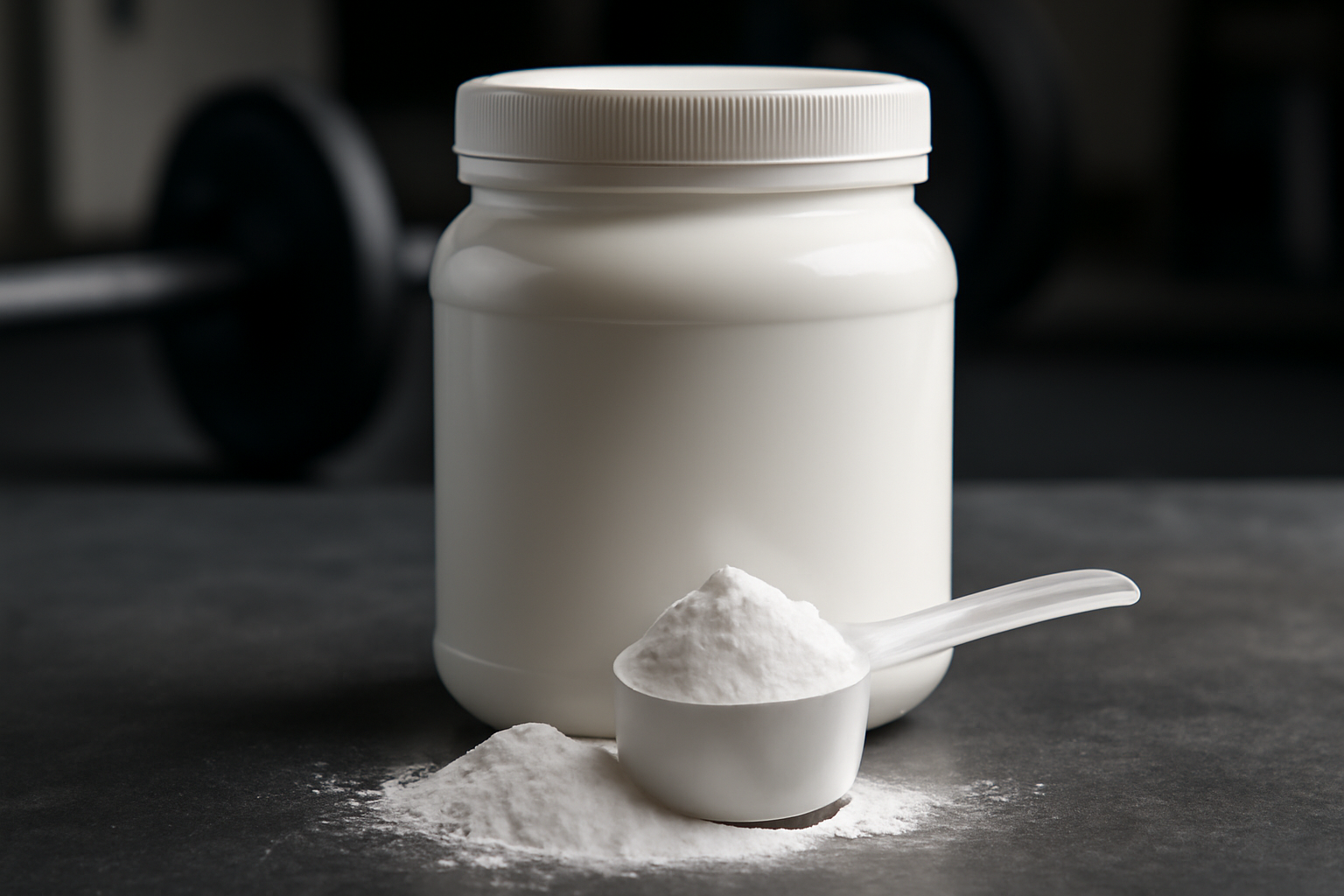
At its simplest, raw creatine monohydrate is a single ingredient powder: creatine monohydrate offered in an unflavored, additive free form. The term raw signals that the product is not mixed with other compounds or taste agents. That makes it easy to add to water, juice, or shakes, and simple to dose. For many users, raw monohydrate represents a back to basics approach that prioritizes purity, lab verification, and price per gram.
Why choose raw monohydrate
There are three practical reasons people choose raw creatine monohydrate. First, monohydrate is the most researched form of creatine and it underpins most clinical and athletic studies. Second, raw, unflavored powders avoid unnecessary additives for those with dietary sensitivities or who prefer to control every ingredient. Third, plain creatine monohydrate tends to be more affordable, which makes long term use easier for a wider group of people.
Beyond athletic aims, raw creatine monohydrate is also gaining attention for broader health uses. Early research and clinical discussions point to potential benefits in maintaining muscle mass with age, supporting recovery during rehabilitation, and aiding certain aspects of cognitive function. These are not promises of a cure but reasons why researchers and clinicians include creatine in study designs and treatment discussions.
Who may benefit
- Strength and power athletes seeking increased work capacity and better training sessions
- Endurance athletes who use creatine strategically around high intensity intervals
- Vegans and vegetarians who may have lower baseline creatine levels
- Older adults focused on preserving muscle and bone health
- Anyone preferring minimal ingredient lists and verified purity
Keyword variations and related terms
- pure creatine monohydrate
- unflavored creatine powder
- raw monohydrate creatine powder
- creatine monohydrate supplement for muscle and cognition
If you want to compare raw options or learn specific labels to look for, check our product categories and the dictionary for clear definitions. Later in this series we will explain how creatine works, review safety concerns, and give practical dosing and quality checklists. For a quick assessment of whether raw creatine monohydrate fits your goals, try the quick quiz.
Mechanism of action
At the cellular level, raw creatine monohydrate increases stores of phosphocreatine inside muscle cells. Phosphocreatine donates a phosphate group to ADP to rapidly regenerate ATP, the molecule muscles use for short bursts of high intensity effort. That faster ATP resynthesis helps you lift heavier, sprint harder, and recover between sets.
Beyond energy recycling, raw creatine monohydrate affects cell volume and signaling. It draws water into muscle fibres, which creates a fuller look and can trigger growth pathways. It also appears to reduce protein breakdown and improve mitochondrial efficiency, which helps muscle cells perform better under stress.
How this translates to performance
- More reps at a given load, or higher peak power during short efforts.
- Improved sprinting and repeated high intensity capacity.
- Faster recovery between sets and after intense training sessions.
Health and performance benefits explained
Research on creatine covers athletic and nonathletic outcomes. Raw creatine monohydrate delivers many of these effects because it is the same active molecule used in most studies. Key areas where benefits are commonly observed include:
Muscle, strength, and recovery
Supplementation supports gains in lean mass and strength when combined with resistance training. Improved ATP availability allows athletes to train with greater volume and intensity, which over weeks converts to measurable strength and size improvements. Creatine may also reduce markers of muscle damage and speed functional recovery after hard workouts.
Bone and aging
For older adults, creatine can help preserve muscle mass and may complement resistance exercise to protect bone health. This is important for reducing frailty and maintaining independence with age. Evidence suggests creatine has a role in slowing sarcopenia when used alongside structured training.
Brain and cognitive function
Brain cells use the same energy systems as muscle. In situations of mental stress, sleep loss, or low baseline creatine stores, supplementation with raw creatine monohydrate may improve certain aspects of cognition such as working memory and processing speed. Vegetarians and older adults, who often have lower dietary creatine, may see larger effects.
Metabolic and clinical signals
Emerging studies indicate potential benefits for cardiometabolic health, muscle function during rehabilitation, and as an adjunct in chronic conditions that affect energy metabolism. These findings are promising but should be framed as evolving evidence rather than proven therapies.
Comparing raw creatine monohydrate with other forms
Not all creatine products are identical. Common variations include creatine hydrochloride, buffered creatine, and chelated forms. Compared with these, raw creatine monohydrate offers three clear advantages for most users:
- Extensive clinical backing and long history in research.
- Cost effectiveness per gram, which matters for long term use.
- Proven results in strength and power outcomes across many studies.
That said, some people report less stomach upset with alternative forms. If someone has persistent gastrointestinal sensitivity, trying a different formulation or changing how the powder is taken can help. For most users, raw creatine monohydrate remains the practical, evidence based choice.
Safety considerations and common myths
Widespread concerns about creatine include kidney harm, dehydration, and hair loss. Longstanding data show that in healthy adults, creatine does not cause kidney damage when taken at recommended amounts. However, anyone with preexisting kidney disease should consult a healthcare professional before starting any creatine regimen.
Creatine does not inherently cause dehydration or cramping. In fact, better muscle energy and hydration within cells can support work capacity and recovery. Weight increases after starting creatine are usually due to intracellular water and increased muscle glycogen, not fat gain.
Reports linking creatine to hair loss are not supported by strong evidence. If you have concerns, discuss them with a clinician and consider monitoring while using the supplement.
Typical side effects are mild. The most common complaint is transient stomach upset when large doses are taken at once. Using smaller, divided servings or mixing the powder into a beverage reduces this risk. Choosing third party tested raw creatine monohydrate helps ensure product purity and lowers the chance of contaminants.
Next steps
If you want to explore product types or check definitions, visit our product categories and the dictionary. To find whether raw creatine monohydrate fits your goals, try the quick quiz.
Choosing the right raw creatine monohydrate
Picking a high quality raw creatine monohydrate matters more than brand hype. Use a simple checklist when comparing powders so you buy a safe, effective product that fits your goals and budget.
Quality checklist
- Purity assay: look for a certificate of analysis showing 99.5 percent creatine monohydrate and low moisture content.
- Third party testing: independent lab verification reduces the risk of heavy metals and contaminants.
- Country of origin and manufacturing practices: reputable manufacturing standards and clear labeling are good signs.
- Particle size and solubility: micronized creatine mixes more easily, which can reduce stomach upset.
- No added ingredients: raw means single ingredient. Check the label to confirm there are no fillers, sweeteners, or proprietary blends.
How to read labels and certificates
When vendors provide a certificate of analysis, check the date, the lot number, and the testing lab. If those details are missing, ask the seller. Reliable suppliers will link to recent third party test results or make them available on request. If you prefer a quick route, browse our product categories for vetted options.
Practical tips for using raw creatine monohydrate
Integrating raw creatine monohydrate into a routine is straightforward. Below are proven, practical steps that fit most lifestyles and training plans.
Dosing strategies
- Loading phase (optional): 20 grams per day split into 4 doses for 5–7 days speeds saturation of muscle creatine stores.
- Maintenance dose: 3–5 grams per day maintains elevated stores after loading or on its own.
- No-loading option: taking 3–5 grams daily without loading reaches full effect in 3–4 weeks and avoids higher short-term doses.
- Timing: consistent daily dosing matters most. Many prefer post-workout with a carb or protein source to aid uptake, but timing is flexible.
Mixing and tolerance tips
- Use warm or room temperature water to help dissolve micronized powder faster.
- Mix into a shake, juice, or a small glass of water and drink immediately to reduce settling.
- If you experience mild stomach upset, split the dose into two servings or take with a meal.
- Avoid assuming caffeine negates creatine benefits; use both thoughtfully in your routine.
Special population considerations
Different groups may have slightly different needs when using raw creatine monohydrate.
- Vegans and vegetarians: often benefit more because dietary creatine is low; standard dosing applies.
- Women: the same maintenance doses work; concerns about bloating are usually temporary and water is intracellular.
- Older adults: lower muscle creatine and sarcopenia risk mean creatine can be useful alongside resistance training; start with a conservative dose and consult a clinician.
- Those with medical conditions: always check with a healthcare professional before starting supplementation.
Storage, cost, and long term use
Store raw creatine monohydrate in a cool, dry place away from direct sunlight. A typical 300 gram tub will last many months at maintenance doses, so cost per serving is usually low compared with flavoured blends. For long term use, a single-ingredient product with transparent testing reduces the chance of unwanted exposures.
Final thoughts and next steps
Raw creatine monohydrate is a practical, science backed option for people who want a simple, cost effective way to support strength, training capacity, and certain aspects of health. If you are shopping, use the checklist above, check for third party tests, and pick a dosing approach that fits your schedule. For more on labels and definitions, visit our dictionary, or take the quick quiz to see if raw creatine monohydrate matches your goals.
Ready to try raw creatine monohydrate Start with a trusted, third party tested powder and a consistent 3–5 gram daily routine to evaluate benefits over a few weeks.
Your brain works best when it receives the right nutritional support. Personalized supplements can help target key areas such as focus, mood balance, sleep quality, and stress resilience.
Take the Cenario quiz to discover your ideal supplement formula:
Take the Cenario Mental Health Quiz
Frequently asked questions
How much raw creatine monohydrate should I take each day?
Most people use 3–5 grams of raw creatine monohydrate per day as a maintenance dose. An optional 5–7 day loading phase of about 20 grams split across the day speeds initial saturation, but is not required.
Will raw creatine monohydrate cause bloating or water weight?
Some users notice a small, early increase in weight from intracellular water when starting raw creatine monohydrate. This is usually temporary and often related to increased muscle glycogen and cell volume rather than fat gain.
Can older adults safely use raw creatine monohydrate?
Older adults can use raw creatine monohydrate to help preserve muscle when combined with resistance exercise. It is wise to begin with a conservative dose and consult a healthcare professional if you have chronic health conditions.