
In recent years, there has been a noticeable shift towards natural remedies for enhancing women’s health, with ashwagandha emerging as a popular choice. This ancient herb, rooted in the rich traditions of Ayurvedic medicine, is gaining traction as a holistic solution to a variety of health challenges faced by women today. From hormonal imbalances to stress management, the benefits of ashwagandha for women are both diverse and compelling.
Understanding ashwagandha and its origins
Ashwagandha, also known as Withania somnifera, has been a cornerstone of Ayurvedic medicine for centuries. This powerful herb is classified as an adaptogen, which means it helps the body adapt to stress by modulating its response to various stressors. Adaptogens like ashwagandha are celebrated for their ability to restore balance and enhance resilience, making them particularly valuable in today’s fast-paced world.
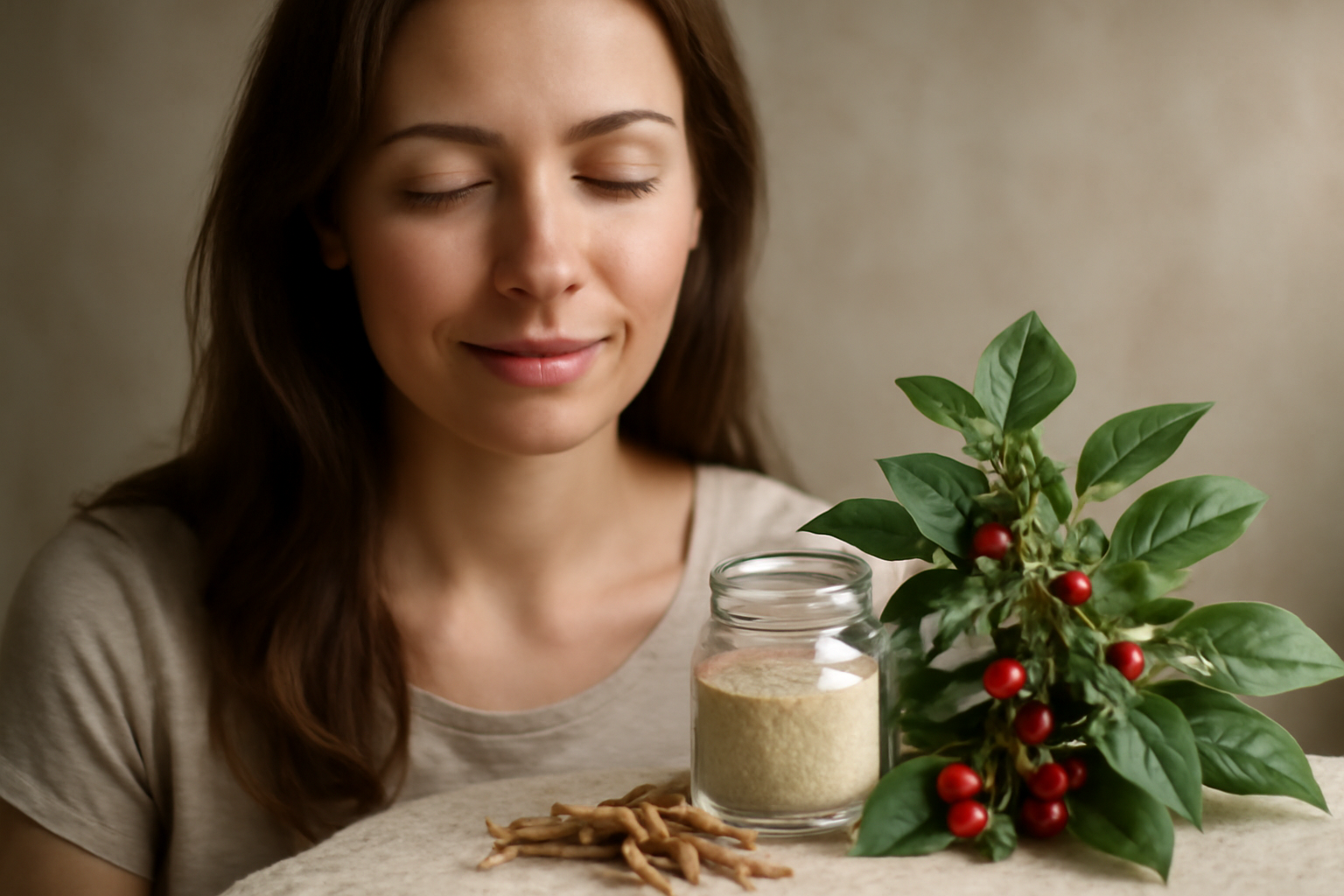
Traditionally, ashwagandha has been used to promote overall well-being, but its specific benefits for women are increasingly coming to light. Whether it’s supporting hormonal health or enhancing mood and energy, ashwagandha offers a natural approach to maintaining health and vitality.
The purpose of exploring ashwagandha benefits
This blog post aims to delve into the specific benefits of ashwagandha for women, drawing on both scientific studies and traditional usage. By exploring its impact on hormone balance, sexual health, fertility, and stress reduction, we hope to provide a comprehensive understanding of how this herb can support women’s health. Additionally, we will highlight the broader advantages of ashwagandha, such as its role in boosting immunity and general well-being.
Our exploration will not only cover the physiological benefits but also emphasize the importance of consulting healthcare professionals before incorporating ashwagandha into your routine, particularly for pregnant women or those on medication. As you read on, you’ll discover how ashwagandha can be a valuable ally in your wellness journey, offering a natural pathway to improved health and quality of life.
Hormone balance and menopause support
Ashwagandha has garnered attention for its potential role in balancing hormones, which is crucial for women experiencing menstrual irregularities or menopause. Studies suggest that ashwagandha can help regulate key hormones such as estradiol, follicle-stimulating hormone (FSH), and luteinizing hormone (LH). These hormones play significant roles in the menstrual cycle and reproductive health. Clinical trials have shown that ashwagandha supplementation can lead to increased estradiol levels and decreased FSH and LH levels, contributing to a more balanced hormonal environment.
For women navigating menopause, ashwagandha may offer relief from common symptoms such as hot flashes and mood swings. Anecdotal evidence and some clinical studies indicate that women taking ashwagandha experience fewer hot flashes and report an improved quality of life during menopause. This makes ashwagandha a promising natural alternative for those seeking non-hormonal options to manage menopausal symptoms.
Enhancing sexual health and satisfaction
Sexual health is another area where ashwagandha shows promising benefits for women. Several placebo-controlled studies have demonstrated that ashwagandha can significantly improve various aspects of female sexual function, including desire, arousal, lubrication, orgasm, satisfaction, and reduction of sexual pain. These improvements were observed in both the general female population and among those with diagnosed sexual dysfunction.

In these studies, participants typically took 300 mg of ashwagandha twice daily for a period of eight weeks or more. The results suggest that ashwagandha may enhance sexual wellness by reducing stress and improving blood flow, which are critical factors for sexual function. This makes it a valuable addition to the wellness routine of women seeking to improve their sexual health naturally.
Supporting fertility and reproductive health
Ashwagandha’s adaptogenic and estrogen-mimicking properties are believed to support ovarian function and fertility. By promoting hormonal harmony, ashwagandha can address menstrual irregularities and improve overall reproductive health. These properties make it an attractive option for women looking to enhance their fertility naturally.
Furthermore, ashwagandha’s ability to reduce stress and anxiety can indirectly benefit reproductive health. Stress is known to impact fertility negatively, and by helping to manage stress levels, ashwagandha may contribute to a more conducive environment for conception.
Reducing stress, boosting energy, and enhancing mood
One of the most well-documented benefits of ashwagandha is its ability to reduce stress and anxiety. As an adaptogen, it helps the body adapt to stressors and promotes a sense of calm. Randomized trials have shown that ashwagandha supplementation leads to significant reductions in stress scales, with participants reporting improvements in energy, focus, sleep quality, and resilience.
For women juggling multiple roles and responsibilities, these benefits can translate into enhanced mood and overall well-being. By improving sleep quality and reducing anxiety, ashwagandha can help women feel more energized and better equipped to handle daily challenges.
Promoting general well-being and managing chronic conditions
Beyond its targeted benefits, ashwagandha is known for its broader impact on general well-being. It is believed to enhance vitality, support immunity, and offer potential benefits for managing chronic conditions such as arthritis and diabetes. While specific clinical data on these effects in women are limited, the general health benefits of ashwagandha make it a worthwhile consideration for those seeking to improve their overall health naturally.
Incorporating ashwagandha into a daily wellness routine can offer a range of benefits for women, from hormonal balance and improved sexual health to stress reduction and enhanced vitality. However, as with any supplements, it is essential to consult healthcare professionals before starting ashwagandha, especially for pregnant women and those on medication. By doing so, women can safely explore the potential of this ancient herb as a natural ally in their health journey.
Safety and individual variability with ashwagandha
While the benefits of ashwagandha for women are promising, it’s crucial to consider safety and individual variability before incorporating it into your health regimen. Consulting a healthcare provider is essential, particularly for pregnant women or those taking medications. Ashwagandha may interact with certain drugs, and its effects can vary from person to person. Some individuals might experience significant improvements in stress reduction and hormonal balance, while others may notice more subtle changes.
Understanding your unique health needs and conditions can help determine whether ashwagandha is a suitable supplement for you. It’s also important to start with a recommended dosage, often around 300 mg twice daily, and monitor your body’s response. This approach ensures that you gain the maximum benefits of ashwagandha while minimizing potential risks.
Key benefits of ashwagandha for women
| Benefit | Description |
|---|---|
| Hormone Balance | Regulates menstrual cycle and eases menopause symptoms |
| Sexual Health | Enhances desire, arousal, and satisfaction |
| Fertility Support | Promotes hormonal harmony and addresses menstrual irregularities |
| Stress Reduction | Lowers anxiety, improves mood, and boosts sleep quality |
| General Well-being | Increases vitality and supports immunity |
Frequently Asked Questions
What is ashwagandha, and how does it work?
Ashwagandha is an adaptogenic herb traditionally used in Ayurvedic medicine. It helps the body manage stress by modulating its response to stressors, promoting overall balance and resilience.
Is ashwagandha safe for all women?
While ashwagandha is generally considered safe, it is not recommended for pregnant women or those with specific health conditions without consulting a healthcare provider. It’s important to discuss its use with a professional to ensure safety.
How long does it take to see the benefits of ashwagandha?
The timeline for experiencing the benefits of ashwagandha can vary. Some studies suggest improvements in stress and sexual health after 8 weeks of consistent use, but individual results may differ.
Can ashwagandha be taken with other supplements or medications?
It’s advisable to consult with a healthcare provider before combining ashwagandha with other supplements or medications to avoid potential interactions and ensure it fits well with your health plan.
Are there any side effects associated with ashwagandha?
Common side effects of ashwagandha may include digestive upset or drowsiness. To minimize risks, adhere to recommended dosages and consult a healthcare provider if you experience any adverse effects.
.