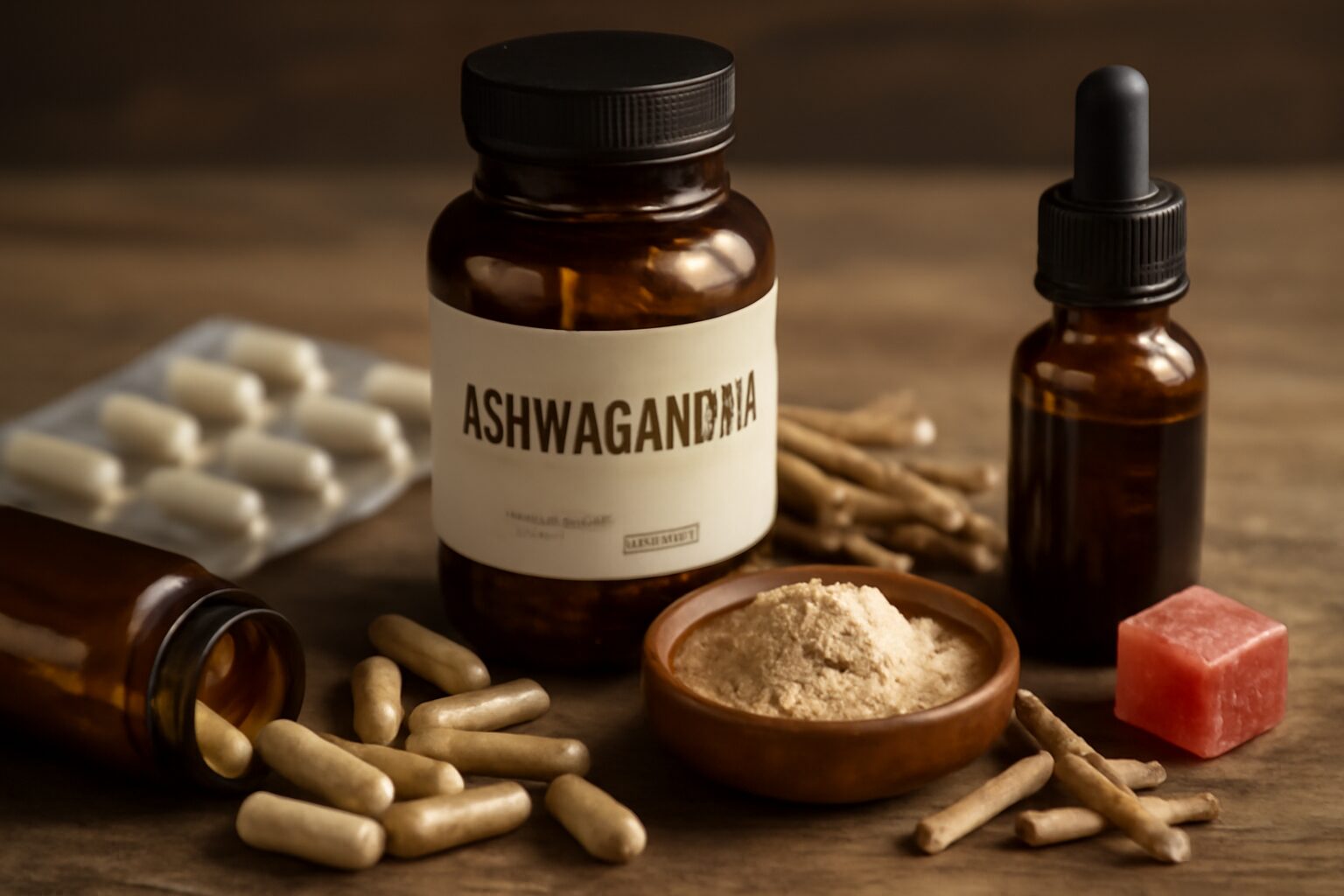

Many people use it to feel better, reduce stress, and have more energy. This herb has been used for centuries in Ayurvedic medicine, a traditional healing system from India. Today, it’s common in modern wellness routines.
Ashwagandha is known as an adaptogen, which means it helps your body handle stress. That’s why it’s a favorite for people with busy or stressful lives who want a more natural way to stay balanced and healthy.
Navigating the diverse ashwagandha market
You can find it in capsules, tablets, gummies, powders, and liquid drops. With so many options, it can be hard to know which one to choose. Each type has its pros and cons, so it’s important to think about what works best for your lifestyle and health goals.
As more people become interested in ashwagandha, the number of products keeps growing making it even more important to figure out which form is right for you.

Guiding you to the top ashwagandha picks
This blog aims to cut through the noise and guide you to the top ashwagandha picks available today. We focus on key factors such as efficacy, purity, dosage, and third-party testing. These elements are essential in determining the quality and effectiveness of ashwagandha supplements, ensuring that you receive the maximum benefits from your choice. By understanding these criteria, you can make informed decisions and select a product that aligns with your health goals.
Why choosing the right ashwagandha is crucial
Selecting the right ashwagandha product is not just about finding a supplement; it’s about choosing a path to better health and well-being. The efficacy of ashwagandha can vary significantly based on its formulation and quality.
A well-chosen product can offer substantial benefits, such as improved stress management, enhanced energy levels, and overall wellness. Conversely, a poor choice could result in ineffective results or even unwanted side effects. Therefore, understanding what to look for in an ashwagandha supplement is crucial for achieving the desired health outcomes.
Exploring ashwagandha product formats
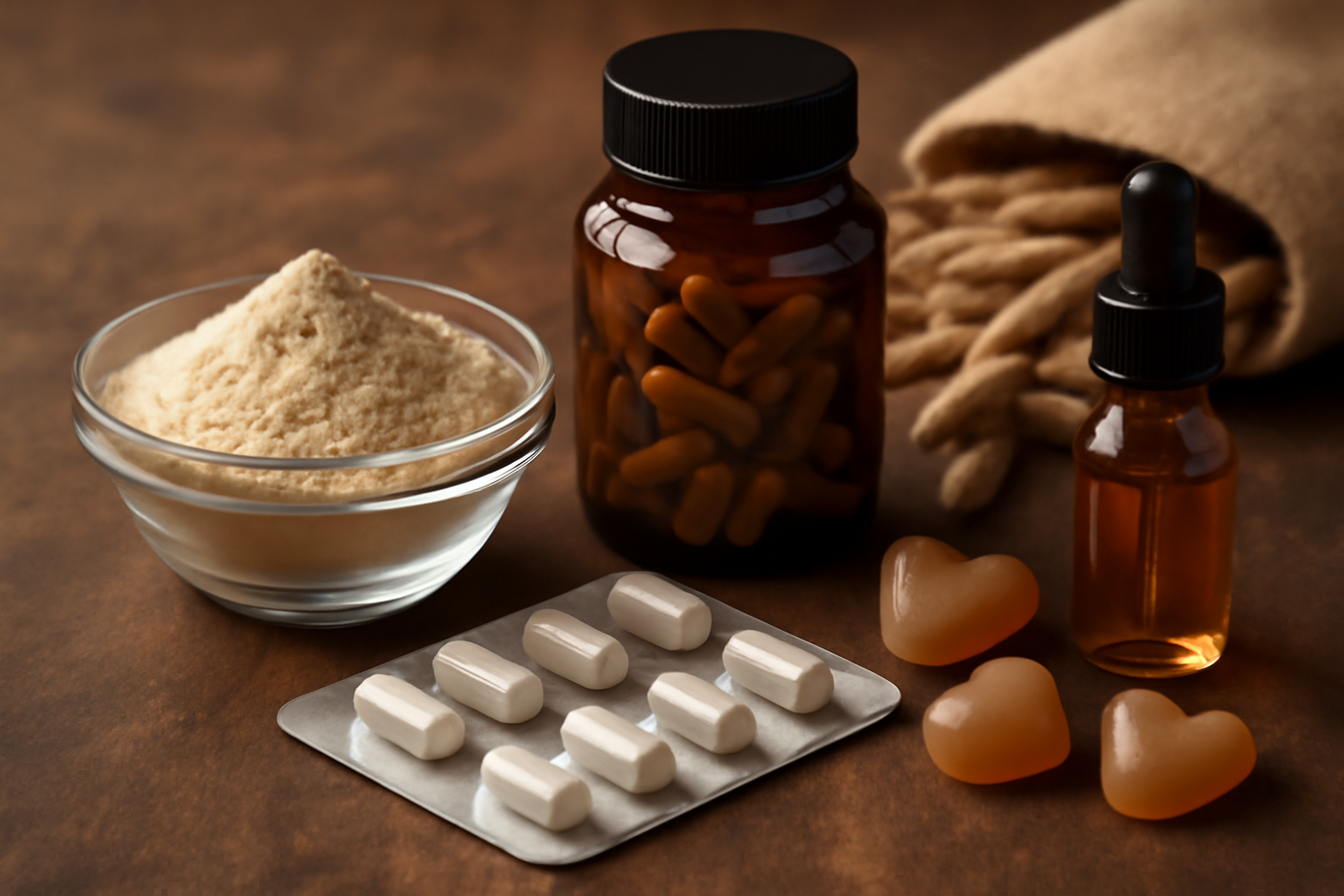
The most common forms are capsules, tablets, gummies, and liquids. Each one has its own benefits:
- Capsules and tablets are quick and easy to take, with exact doses. They’re great if you want something simple and reliable.
- Gummies taste better and are easier to take if you don’t like swallowing pills.
- Liquids are absorbed faster by the body and can be mixed into drinks, which is helpful if you want flexibility.
Choosing the right format depends on what’s easiest and most effective for your routine.
Top brands in the ashwagandha market
As you navigate the ashwagandha market, certain brands stand out for their commitment to quality and efficacy. Brands like Vitabiotics, ZipVit, Solgar, Healthspan, and WeightWorld have been highlighted by industry experts for their high-quality formulations. These brands are known for offering products that are not only effective but also rigorously tested for purity and potency. Choosing a reputable brand ensures that you are getting a product that is both safe and effective.
Key attributes to consider
First, pay attention to the dosage and strength. Research shows that taking between 250 mg and 600 mg per day is effective for most people. Taking too little might not do anything, and taking too much could cause side effects.
Next, check if the product uses a standardized extract like KSM-66 or Shoden. These are special forms of ashwagandha that have been studied and proven to work in scientific research. They’re more reliable than generic or untested versions.
Also, don’t forget about price and overall value. Some supplements look cheaper but give you a very low dose per serving. Others include helpful extras like black pepper extract (piperine) which can improve how well your body absorbs the ashwagandha.
To get the best results, look for a supplement that combines a good dose, a trusted extract, and fair pricing. Always read the label before buying.
This powerful adaptogen is known for reducing stress, boosting energy, and supporting endurance—all of which are important for anyone who trains regularly. By helping the body manage physical and mental stress, ashwagandha can make it easier to recover from workouts and stay focused during competition.
For athletes, product quality matters. Look for supplements that are USDA Organic, allergen-free, and third-party tested. These certifications help ensure that the product is clean, safe, and free from banned or harmful substancessomething athletes can’t afford to risk.
Performance coaches often suggest higher-potency ashwagandha products for experienced users or serious training routines. If you’re just starting out, it’s better to begin with a lower dose to see how your body reacts. From there, you can adjust based on your needs and goals.
Whether you’re training for competition or just trying to stay active and strong, ashwagandha can be a helpful part of your routine if you choose the right product and use it properly.
Expert insights on choosing the right product
Experts in the field of sports nutrition and wellness emphasize the importance of selecting the right potency based on your experience level and health goals. For beginners, starting with a lower dose and gradually increasing it can help minimize any potential side effects while allowing the body to adjust. Experienced users might opt for higher doses to maximize benefits such as enhanced energy and stress reduction. Always consult with a healthcare provider or a nutrition specialist to tailor the dosage to your specific needs.
In summary, understanding the various formats, top brands, and key attributes of ashwagandha supplements can significantly enhance your wellness journey. Whether you are an athlete seeking performance benefits or someone looking to manage stress, choosing the right product is crucial for achieving your health objectives. By focusing on efficacy, purity, dosage, and third-party testing, you can confidently select an ashwagandha supplement that aligns with your lifestyle and wellness goals.
Scientific validation and safety of ashwagandha
The efficacy of ashwagandha is often linked to its standardized extracts, such as KSM-66 and Shoden, which ensure consistent potency and quality. According to the NIH, these extracts have been shown to provide significant benefits, especially when taken in doses of 600 mg per day over eight weeks. Clinical trials support their effectiveness in reducing stress, improving sleep quality, and alleviating anxiety. However, the benefits are most pronounced with regular use at recommended dosages.
While ashwagandha is generally considered safe for most people, it’s essential to be aware of potential side effects and contraindications. Common mild side effects include digestive upset and drowsiness. However, individuals with autoimmune diseases, pregnant or breastfeeding women, and those taking sedative medications should consult healthcare professionals before starting ashwagandha supplements. Understanding these safety considerations is crucial for making informed decisions about incorporating ashwagandha into your wellness routine.
Frequently Asked Questions
what is the best form of ashwagandha to take?
The best form of ashwagandha depends on personal preference and individual needs. Capsules and tablets offer convenience and precise dosing, making them popular choices. Gummies provide a palatable option, while liquids allow for faster absorption. Each format has its advantages, so consider your lifestyle and preferences when choosing.
how long does it take for ashwagandha to work?
The effects of ashwagandha can vary based on dosage and individual response. Generally, users may begin to notice benefits within two to four weeks of consistent use, particularly when taking standardized extracts like KSM-66 at recommended doses.
can I take ashwagandha with other supplements?
Ashwagandha can usually be taken alongside other supplements, but it’s advisable to consult a healthcare provider to avoid potential interactions. Combining ashwagandha with supplements like magnesium or B-vitamins may enhance its stress-reducing effects.
is ashwagandha safe for long-term use?
Ashwagandha is generally safe for long-term use when taken at recommended dosages. However, it’s important to monitor for any adverse effects and consult with a healthcare provider periodically to ensure ongoing safety and efficacy.
who should avoid taking ashwagandha?
Individuals with autoimmune diseases, pregnant or breastfeeding women, and those on sedative medications should avoid ashwagandha unless advised by a healthcare professional. These groups may experience adverse effects or interactions that could compromise their health.