
Introduction to rhodiola rosea
Rhodiola rosea is an adaptogen prized for helping the body manage stress, sharpen mental focus, and boost stamina. For years it has been part of traditional herbal medicine in northern Europe and Asia, and today it is rising in popularity among athletes, professionals under heavy cognitive load, and people looking for natural ways to balance energy. As interest grows, the question many shoppers ask is where to buy rhodiola rosea and how to tell a quality product from a cheap imitation.
Why this guide matters
This post aims to do two things. First, it will point you to the most common places to buy rhodiola rosea from mass retailers and pharmacies to specialist supplement brands and herbal suppliers. Second, it will explain what to look for when choosing a product so you buy rhodiola that actually delivers benefits. Key buying factors include form (capsules, standardized extracts, raw root), quality markers like rosavin and salidroside levels, and trust signals such as thirdparty testing and organic or sustainable sourcing.
Who is searching and what they want
Search intent for where to buy rhodiola rosea tends to be transactional. Many users want direct answers: where can I buy rhodiola rosea today, which retailer has the best price, or where to buy rhodiola root for tea and tinctures. A strong secondary intent is informationalcommercial. Shoppers want guidance on quality and safetyhow to choose between capsules and extracts, what standardization means, and which brands prioritize testing and ethical sourcing.
Common buyer profiles
- Value shoppers looking for affordable options at bigbox stores or online marketplaces.
- Healthconscious buyers seeking organic or sustainably harvested rhodiola root from herbal suppliers.
- Athletes and performancefocused users preferring tested, athletegrade supplements from specialist brands.
Later sections will lay out concrete buying options and a simple checklist to evaluate products. If you prefer to jump straight to products, consider browsing our product categories for curated lists. For most readers, the best place to buy rhodiola rosea depends on priorities: price, convenience, or verified quality. This introduction sets the stage so you can make a confident choice when you buy rhodiola or search for the best place to buy rhodiola rosea online, buy rhodiola root, or compare rhodiola rosea supplements.
Where to buy rhodiola rosea: choosing the right channel
Now that you know what rhodiola rosea does and why quality matters, this section helps you pick the best place to buy rhodiola rosea based on convenience, budget, and product type. Below are practical comparisons and a clear checklist to make shopping faster and safer.
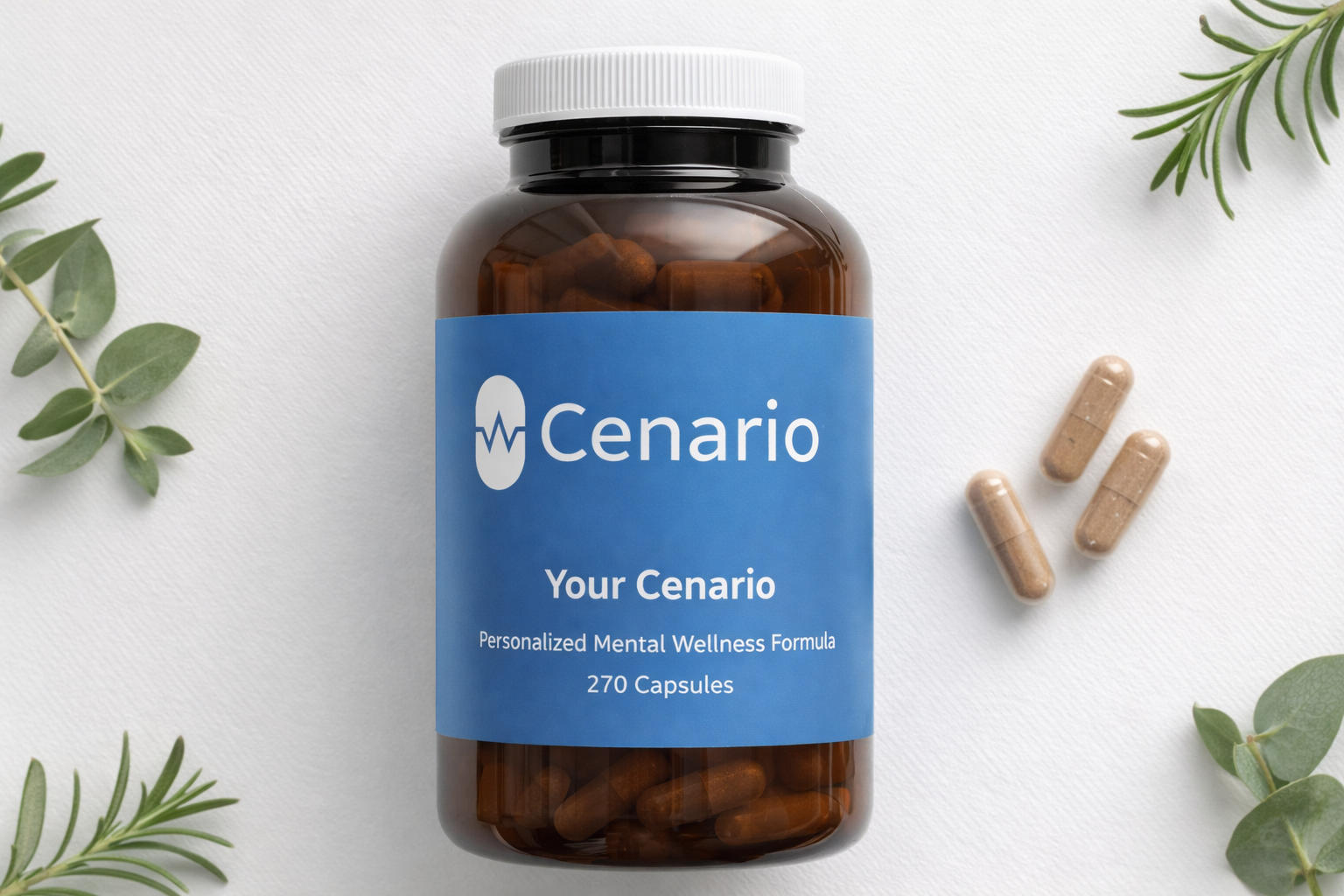
Looking for the right supplement to support your mental performance and wellbeing?
Take the 2minute Cenario quiz to find your personalized formula:
Take the Cenario Mental Health Quiz
Bigbox retailers and online marketplaces
Pros: wide selection, competitive pricing, fast shipping, and easy returns. Bigbox stores and marketplaces are good when you want a familiar brand quickly or are pricesensitive.
Cons: product pages often lack sourcing details and independent test results. For someone who wants to buy rhodiola rosea without deep research, these outlets are convenient but may not show full quality proofs.
- Best for: value shoppers and firsttime buyers comparing brands and prices.
- Watch for: generic labeling, vague extract percentages, and mixed blends that hide true rhodiola content.
Natural and organic grocery stores
Pros: curated selections and clearer emphasis on natural or organic options. These retailers often carry storebrand supplements with some basic ingredient transparency and may integrate online ordering.
Cons: fewer highperformance or athletegrade options. If you prioritize certified organic products over lowest price, natural grocery stores are a reliable middle ground.
Specialist supplement brands
Pros: brands focused on performance or purity often provide detailed lab reports, standardized extracts, and athletefocused certifications. These companies typically explain the extraction method and target users like athletes or professionals.
Cons: higher price point. Buying direct from a specialist brand is ideal when traceability, testing, and targeted formulations matter more than cost.
Herbal and raw ingredient suppliers
Pros: access to organic bulk root, sustainably cultivated options, and rich educational content about traditional use. Raw suppliers are best if you want to make teas, tinctures, or extract your own supplements.
Cons: requires more knowledge for correct preparation and dosing. These sources appeal to herbalists and ecoconscious buyers who care about cultivation practices.
Quality checklist: how to evaluate a rhodiola rosea product
Use this checklist to compare items before you buy rhodiola rosea. Look for each item on the label or product page.
- Standardization: look for rosavin and salidroside levels, commonly around 3 percent rosavins and 1 percent salidroside for root extracts.
- Thirdparty testing: COA or lab reports from NSF, USP, or independent labs that test for potency and contaminants.
- Certifications: USDA organic, GACP, or clearly described cultivation methods for sustainability.
- Full disclosure: extraction ratio, part of plant used, and source country listed on the label.
- Return and shipping policy: easy returns and good packaging to protect potency during transit.
How to choose between retailers and brands
If convenience and price matter most, start with a major retailer or marketplace. If purity, testing, or athletegrade assurances are critical, choose a specialist brand that publishes lab data. If you want organic root for tea or tincture, an herbal supplier is the best fit.
Consider a hybrid approach: buy once from a trusted brand to test effects, then compare lowercost options at bigbox stores once you know what formulation works for you.
Sustainability and ethical sourcing
Rhodiola rosea has experienced pressure from overharvesting in wild populations. To reduce ecological impact choose cultivated or certified sources and read supplier notes about harvesting practices. Good indicators of responsible sourcing include:
- explicit statements about cultivation versus wild harvest
- GACP adherence or similar collection standards
- transparent supply chains with traceable origin
Brands that offer full lab reports and clear supplychain details are more likely to follow sustainable practices. If sustainability is a top priority, prefer suppliers that sell organic root or publish their harvesting policies.
Next steps and internal resources
If you want a quick product comparison, check our product categories. For a brief primer on key terms and markers to look for, visit our herbal dictionary entry. To explore which formulation matches your goals, try the which adaptogen quiz or browse related adaptogens in adaptogen supplements.
Use the checklist above when you shop so you can confidently decide where to buy rhodiola rosea that aligns with your needs, budget, and values.
Form and quality considerations
When deciding where to buy rhodiola rosea, think first about the form you plan to use and how that affects potency, preparation, and price. Capsules and standardized extracts are the easiest to dose. Extracts often list rosavin and salidroside percentages and an extraction ratio such as 4:1 or 10:1. Raw root and loose herb let you make teas or tinctures at home but require more knowledge about dosing and extraction efficiency.
compare capsules, extracts, and raw root
- Capsules: convenient and consistent. Look for clear serving size and mg of standardized extract per capsule.
- Standardized extracts: best when you want predictable active compounds. Typical labels show rosavin and salidroside percentages. Many quality products aim for around 2 to 3 percent rosavins and 0.5 to 1 percent salidroside, but check labels for specifics.
- Raw root: ideal for herbalists and DIY users who want teas or tinctures. Buying raw root from an herbal supplier usually gives you traceability and cultivation details.
standardization and testing explained
Thirdparty lab reports or certificates of analysis are a strong trust signal. When you evaluate where to buy rhodiola rosea, ask whether the product includes a COA that verifies rosavin and salidroside content and tests for heavy metals, pesticides, and microbes. Brands that publish batch numbers and easy access to lab results are easier to verify.
choosing between retailers and brands
Decide what matters most: price, convenience, or traceability. Use this quick playbook to match buyers to outlets.
- Shop bigbox retailers and marketplaces when you need fast delivery and a low price. Good for trial purchases or comparing brands.
- Choose specialist supplement brands when you want labbacked potency, clear sourcing, and athletetargeted formulations.
- Buy from herbal suppliers when your priority is organic root, cultivation practices, and the ability to make custom preparations.
A practical hybrid approach is to buy an initial trial from a reputable specialist brand and then compare lowercost copies at major retailers if the formulation works for you.
what to ask before you buy
- Does the label show rosavin and salidroside levels or an extract ratio?
- Is a COA or thirdparty test available online for the batch?
- Is the product cultivated or wild harvested, and what sustainability claims are made?
- Does the vendor provide clear dosing guidance and safety warnings?
sustainability and ethical sourcing in practice
Because wild rhodiola populations have been pressured by demand, choose suppliers that explicitly state cultivation practices and collection standards. Look for GACP mention, traceable origin, and descriptions of how the plant was grown. Red flags include vague origin statements, no testing details, and dramatic discounting that suggests unknown supply chains.
If sustainability matters, prioritize vendors that publish sourcing policies and offer organic or ecologically harvested options. For more information on labels and terms, consult our herbal dictionary entry or browse curated options in product categories.
final steps and a quick shopping plan
To decide where to buy rhodiola rosea today, follow these steps: confirm your preferred form, check for standardization and COA access, compare a trusted specialist brand against a bigbox price, and verify sustainability claims if that is important to you. If you want tailored suggestions, try our which adaptogen quiz to match formulations to your goals.
Ready to choose with confidence? Start with one verified purchase, track how it affects your energy or stress response, and then decide whether to stick with that brand or explore other retailers.
Understanding which nutrients support focus, mood, and sleep can make a significant difference in your daily wellbeing. Instead of relying on generic supplements, a personalized approach helps match ingredients to your specific needs and lifestyle.
Discover your personalized supplement formula:
Take the Cenario Mental Health Quiz
Explore more mental wellness guides:
Cenario
Frequently asked questions
Can I buy rhodiola rosea in local stores near me?
Yes. Many pharmacies, bigbox stores, and natural grocery chains stock rhodiola rosea. When buying locally, check the label for rosavin and salidroside percentages and ask if the store can show thirdparty testing to confirm quality.
How much should I expect to spend when I buy rhodiola rosea?
Prices vary by form and brand. Expect to pay more for standardized extracts and specialist brands that publish lab reports. Bulk raw root from herbal suppliers may cost less per gram, but remember to factor in extraction efficiency if you make tinctures or teas.
Are there signs a seller is unreliable when I search where to buy rhodiola rosea?
Yes. Unreliable sellers often omit origin details, provide no lab results, and use vague extract claims. Avoid listings that lack batch numbers or any mention of testing and cultivation practices.