

Vitamin D plays a central role in keeping bones strong, helping the body absorb calcium, and supporting normal immune function. Many people do not get enough from food and sunlight alone. Limited sun exposure, living in northern latitudes, darker skin, certain diets, and time spent indoors all raise the risk of deficiency. That is why more people are asking where to buy vitamin d and how to choose the right option for their needs.
Why Vitamin D Is Important
Low vitamin D levels can make it harder for the body to build and maintain healthy bones. It can also affect energy, recovery, and how the immune system responds to everyday challenges. For many adults and children, supplements are a practical way to reach recommended levels when diet and sunlight fall short.
Who Is Most Likely To Need Supplements
- People who spend most of their time indoors or use strong sun protection
- Those living in high-latitude regions during winter months
- People with limited dietary sources, such as strict vegans or some older adults
- Individuals with medical conditions that affect absorption of fat-soluble vitamins
The Rising Demand For Vitamin D
Awareness of vitamin D’s role in health has grown, and so has demand for supplements. Many shoppers now search for where to buy vitamin d online and in stores, balancing convenience, price, and product type. Some prefer gummies or liquids for easier swallowing, while others choose capsules or tablets for cost and shelf life.
When deciding where to buy vitamin d, people typically weigh several factors: trusted brands, third-party testing, product format, dose per serving, and price-per-day for long-term use. For many, the goal is a reliable option that fits lifestyle and budget without compromising safety.
What This Guide Will Cover Next
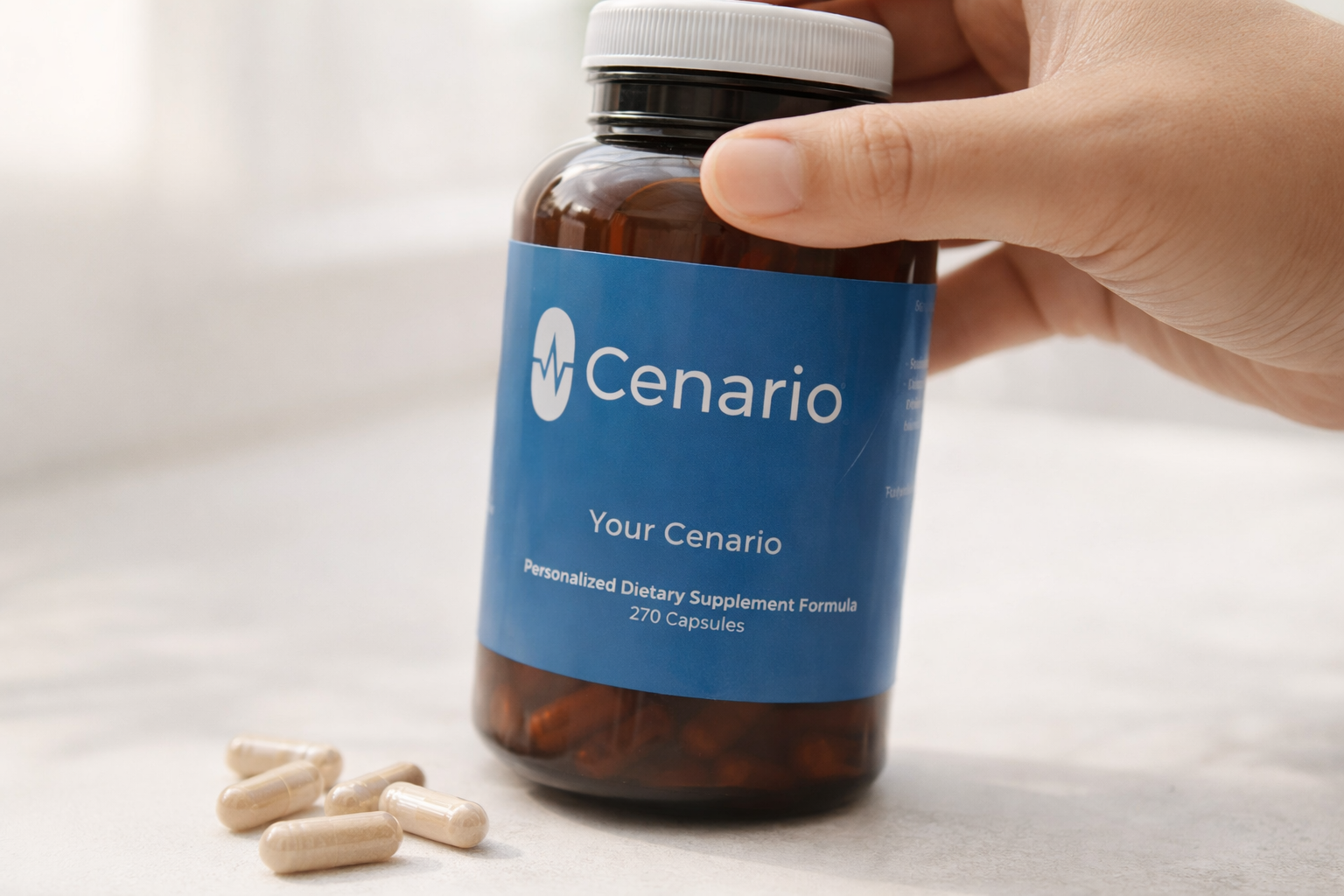
This post will walk you through the common channels to buy vitamin d, including pharmacies, mass retailers, and online brands. It will also cover how to choose the right dose and form, and what to check for quality assurance. If you want a quick starting point, try the Cenario product categories or take the short self-check quiz at Cenario.com/quiz to see which formats might suit you best.
In part two, we will compare specific retail options, explain price-per-day and value considerations, and help you decide whether store brands or premium labels make more sense for your situation. If you already know where to buy vitamin d in your area, the next section will help you pick the best option for dose, form, and cost.
Top retailers for buying vitamin d supplements
When you search for where to buy vitamin d, your options fall into a few clear channels. Each channel has different strengths. Below is a practical comparison to help you match convenience, price, and product choice to your needs.
Pharmacies
Pharmacies are easy to shop in person or online. Major chains sell a wide range of formats: softgels, tablets, gummies, and liquid drops. Benefits include quick access, visible labels, and in-store staff who can point you to child-friendly or prescription-strength options. If you want a familiar brand or need to pick up other health items, pharmacies are a strong choice.
- Pros: immediate pickup, clear labeling, varied formats
- Cons: prices can be higher than mass retailers for the same product
Mass retailers and warehouse clubs
Mass retailers and warehouse clubs are where price and quantity matter most. If you take vitamin D daily, buying in bulk often lowers cost per dose. These stores typically offer both national brands and their own house brands. For long-term users, the price-per-day savings can be significant.
- Pros: lower cost per dose, large packages, one-stop shopping
- Cons: limited specialty options like vegan sprays or small-batch brand formulas
Online brands and marketplaces
Buying online includes brand websites and marketplaces. Brand sites often provide full product ranges and subscription options. Marketplaces give access to many brands, user reviews, and fast shipping. When you look for where to buy vitamin d online, check seller ratings, verified buyer reviews, and whether the product listing includes batch testing or certification details.
- Pros: broad selection, easy comparison, home delivery
- Cons: risk of counterfeit products from third-party sellers, variable shipping times
How to choose the right product to buy
Knowing where to buy vitamin d matters less than knowing which form and dose match your needs. Use the short guidance below to refine your choice before purchase.
Form and absorption
Vitamin D comes as vitamin D2 and D3. D3 is the more commonly recommended form for most adults. Delivery formats include capsules, tablets, gummies, liquids, and sprays. Liquids and sprays can be easier for children or people who have trouble swallowing pills. Gummies are convenient but may contain added sugars. Capsules and tablets often give the best price per dose.
Dosage and daily value
Check the international units on the label. Typical over-the-counter doses range from low maintenance amounts to higher daily doses for deficiency. If you are unsure what dose is right, write down your age, diet, sun exposure, and any health conditions before buying. That will make it easier to ask a pharmacist or your clinician for specific guidance.
Quality and testing
Look for products that list third-party testing or certification. These checks help ensure the label matches the contents. Transparency is a useful sign: batch numbers, certificate of analysis, and clear ingredient lists reduce risk. Many reputable brands publish testing details on their product pages.
Price and value considerations
Price per bottle does not tell the whole story. Compare cost per day or cost per 1000 IU to see real value. Store brands can offer substantial savings and often meet label claims. Premium brands may add proprietary blends or extra ingredients like vitamin K2. Decide if those extras match your goals before paying more.
- Tip: divide the total price by the number of servings to get cost per serving
- Tip: for daily supplements, calculate monthly cost to compare long‑term value
Where to buy vitamin d based on your priorities
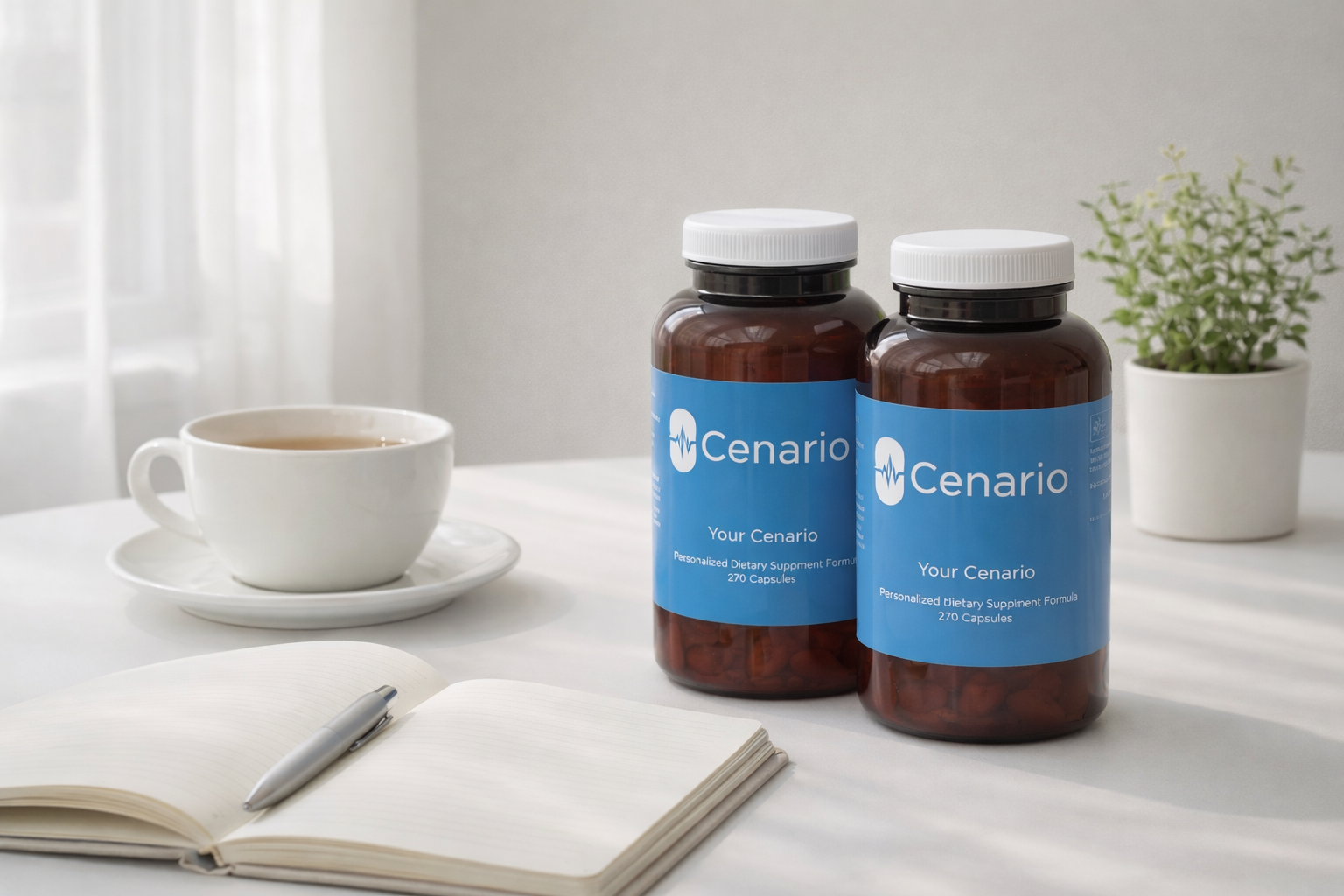
If convenience and immediate need matter most, choose a local pharmacy. If cost and quantity are important, check warehouse clubs or mass retailers. If you need a specific formulation, buy directly from reputable brands or secure marketplaces. For a quick route to compare options, visit the Cenario product categories or learn key terms in the Cenario health dictionary.
Finally, when deciding where to purchase vitamin d, balance price, form, and transparency. That approach helps you buy vitamin d that fits your lifestyle while avoiding unnecessary cost or low-quality products.
Guidelines for safe supplement use
Before you buy vitamin d, take a moment to consider safety and interactions. Supplements can help correct low levels, but they are active nutrients and can cause problems at very high doses. Follow these simple precautions to reduce risk and choose a safer product.
Consult a healthcare professional
If you suspect deficiency or plan to take more than standard maintenance doses, talk with your doctor. A blood test for 25(OH)D gives clear guidance. Clinicians can advise on dosage and check for conditions or medications that change how vitamin d behaves in your body.
Watch for interactions and contraindications
- Tell your clinician about prescription or over-the-counter medicines you take. Some drugs affect vitamin d metabolism or interact with calcium levels.
- If you use blood thinners or have kidney disease, get medical advice before starting high doses.
- Follow label directions and avoid combining multiple high-dose products unless instructed by a clinician.
Look for third-party testing
Choose products that list independent testing, batch numbers, or a certificate of analysis. Third-party seals and transparent lab results reduce the risk of mislabeled doses and contaminants. When you search where to buy vitamin d, prefer listings that show this information.
Decision support tools
To make a practical buying choice, use a brief self-assessment and the comparison table below. These tools help match dose, form, and price to your situation before you decide where to buy vitamin d.
Quick self-assessment checklist
- Sun exposure: Do you get 15 to 30 minutes of midday sun most days? If not, consider supplements.
- Diet: Do you regularly eat fortified dairy, fatty fish, or eggs? Low intake points toward supplementation.
- Age and skin: Older adults and people with darker skin may need higher maintenance doses.
- Medical factors: Malabsorption, bariatric surgery, or chronic kidney disease require clinician input.
- Convenience: Do you prefer daily pills, weekly high-dose capsules, or drops/gummies for kids?
Comparison of typical options
| Product type | Typical dose | Price range | Where commonly sold |
|---|---|---|---|
| Standard D3 capsules | 400 to 2,000 IU per pill | 6 to 20 per bottle | Pharmacies, mass retailers, brand sites |
| High-dose D3 (1,000 to 5,000 IU) | 1,000 to 5,000 IU daily | 8 to 30 per bottle | Mass retailers, online marketplaces, pharmacies |
| Liquid drops or sprays | Flexible dosing: 400 to 2,000 IU per dose | 10 to 30 | Brand sites, specialty stores, some pharmacies |
| Gummies and chewables | 400 to 1,000 IU | 8 to 25 | Supermarkets, pharmacies, online marketplaces |
Use the table to compare cost per serving and ease of use. For long term routines, calculate monthly cost and check for third-party testing. If you still wonder where to buy vitamin d with the best combination of transparency and value, consider checking product pages that publish testing details or visit a local pharmacy to speak with staff.
Ready to take the next step? Try the short self-check quiz at Cenario.com/quiz or browse specific categories at Cenario product categories to find products that match your checklist. If you want to learn terms before you shop, see the Cenario health dictionary.
Choosing where to buy vitamin d comes down to matching quality, dose, and price to your needs. Use testing transparency and clinician advice as your guide, and pick a format you will take consistently.
Looking for the best option is pointless if it is not right for you.
Take the Cenario Quiz and get a personalized, science-backed recommendation in under 3 minutes.
https://cenario.com/quiz/
Frequently asked questions
What is the best form of vitamin D supplement to take?
The best form depends on preference and absorption: D3 is generally preferred over D2, and capsules or liquids offer good stability. When deciding where to buy vitamin d, pick a format you will use consistently and one that shows third-party testing.
How much vitamin D should I take daily?
Typical maintenance doses range from 400 to 2,000 IU for most adults, but some people need higher amounts based on lab results. Before you buy vitamin d in high doses, consult a clinician and consider testing to set the right level.
Are there risks or side effects from vitamin D supplements?
Side effects are uncommon at recommended doses but can include nausea or high calcium if taken in excess. Always check where to buy vitamin d for products with clear dosing and consult a healthcare provider if you take other medications.
Frequently Asked Questions
What is the best form of vitamin D supplement to take?
The best form depends on preference and absorption: D3 is generally preferred over D2, and capsules or liquids offer good stability. When deciding where to buy vitamin d, pick a format you will use consistently and one that shows third-party testing.
How much vitamin D should I take daily?
Typical maintenance doses range from 400 to 2,000 IU for most adults, but some people need higher amounts based on lab results. Before you buy vitamin d in high doses, consult a clinician and consider testing to set the right level.
Are there risks or side effects from vitamin D supplements?
Side effects are uncommon at recommended doses but can include nausea or high calcium if taken in excess. Always check where to buy vitamin d for products with clear dosing and consult a healthcare provider if you take other medications.