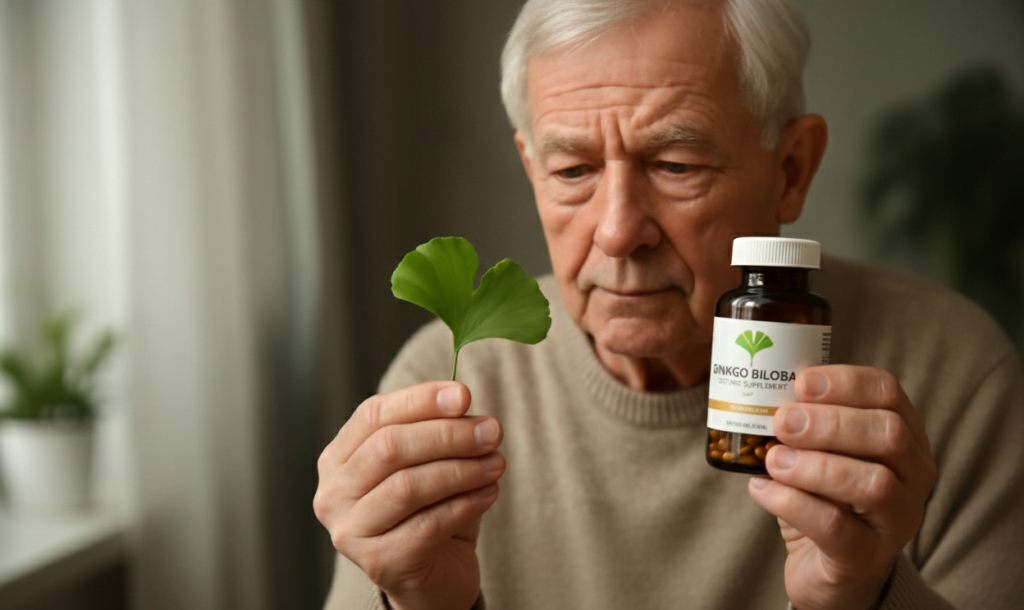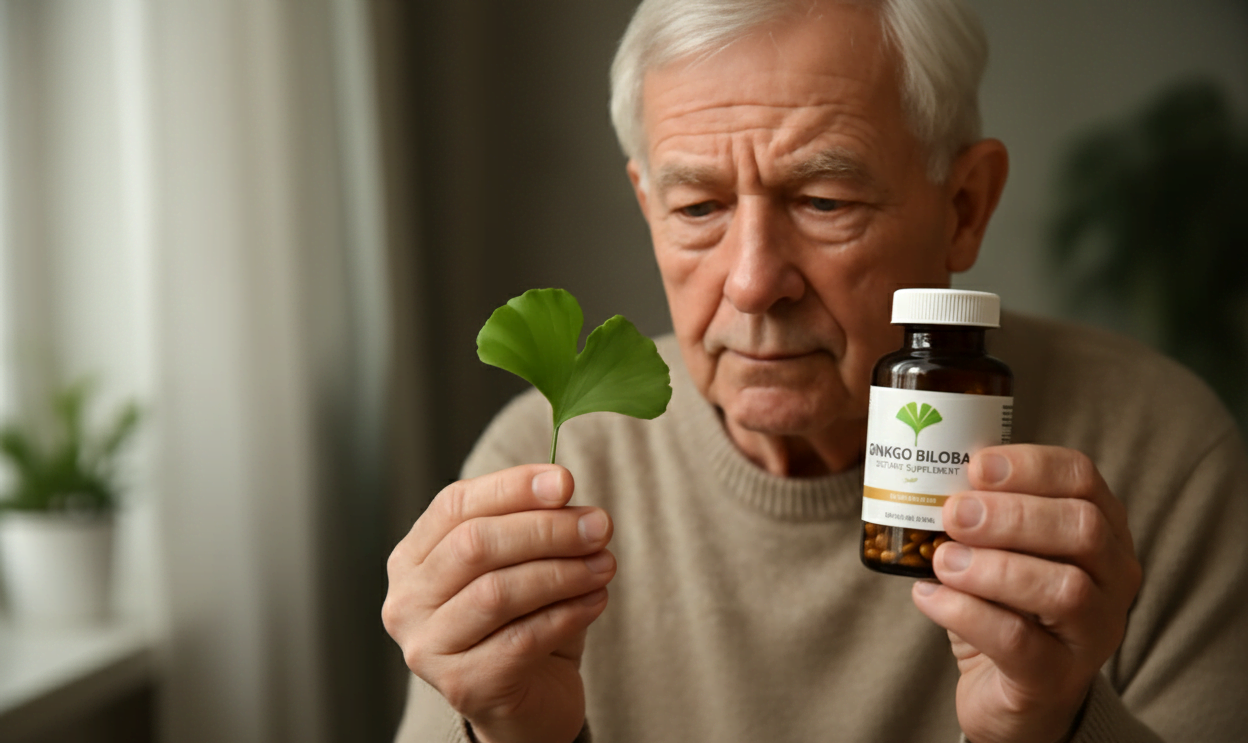

With growing interest in natural remedies to support brain health, Ginkgo biloba extract has become one of the most popular supplements for improving memory and focus. Known for its use in traditional medicine and now commonly found in pills and teas, Ginkgo biloba is often marketed as a solution to memory loss, cognitive decline, and poor focus especially in older adults.
But how effective is it, really? Can it actually improve blood flow to the brain and slow the progress of mental decline? This article dives deep into the facts and research behind Ginkgo biloba, offering a balanced look at what science has discovered.
What Is Ginkgo Biloba?
Ginkgo biloba is one of the oldest living tree species, native to China. Its leaves and ginkgo seeds have been used in traditional medicine for thousands of years to treat everything from asthma to memory problems.
Today, it’s most commonly used in the form of ginkgo biloba extract, made from the leaves. This extract contains powerful antioxidants called flavonoids and terpenoids, which are thought to protect cells from damage and improve circulation in the brain.
How Ginkgo Biloba Works: Improving Brain Health
One of the key ways ginkgo biloba extract is believed to work is by helping to improve blood flow, especially in the brain. Better circulation may help deliver more oxygen and nutrients to brain cells, supporting overall cognitive function.
What Is Cognitive Function?
Cognitive function refers to the brain’s ability to process information, remember things, solve problems, and pay attention. When cognitive function is reduced, people may experience:
- Trouble remembering things
- Difficulty concentrating
- Confusion or slower thinking
- Poor decision-making skills
These problems can occur due to aging, medical conditions, or as early signs of cognitive impairment, which can lead to more serious conditions like Alzheimer’s disease.
What the Research Says: Can Ginkgo Biloba Help?
Positive Findings: Memory Improvement and Cognitive Support
Some scientific studies suggest that Ginkgo may help protect or enhance brain function, especially in people with mild memory issues or early cognitive decline.
- A 2008 study showed that regular use of ginkgo biloba extract might help improve memory in older adults with mild cognitive impairment.
- A 2010 meta-analysis from Germany, which reviewed 9 different clinical trials, found evidence that Ginkgo could help prevent or slow memory loss, though results varied.
- A 2016 systematic review found that higher doses of Ginkgo biloba extract (about 240 mg per day) led to improvements in cognitive function and daily living activities in people with Alzheimer’s and mild cognitive impairment.
Animal Studies: Promising Brain Protection
In lab tests with animals, researchers found that Ginkgo biloba:
- Reduced brain damage linked to Alzheimer’s
- Increased the growth of new brain cells
- Improved memory and learning in mice
While these results are promising, animal research doesn’t always apply to humans.
Negative or Neutral Findings: Not a Miracle Supplement
Despite the positive results in some studies, other research raises doubts about how effective Ginkgo biloba really is.
- The Ginkgo Evaluation of Memory (GEM) study, a large and well-designed trial, found no significant improvement in memory or thinking ability among healthy adults or older people taking ginkgo compared to a placebo.
- A review by the Cochrane Collaboration, a respected medical research group, also found inconsistent evidence. Some trials showed benefits, while others showed little to no effect.
These mixed results show that while ginkgo biloba extract might help some people, it doesn’t work for everyone especially not for healthy adults without memory problems
Potential Risks and Side Effects
Just because Ginkgo biloba is natural doesn’t mean it’s risk-free. Like any supplement, it can cause side effects and may not be safe for everyone.
Risk of Bleeding
One of the most serious concerns is the risk of bleeding. Ginkgo can make it harder for blood to clot, which is especially dangerous for people taking blood thinners (like warfarin or aspirin).
Other Possible Side Effects:
- Nausea or stomach discomfort
- Headache
- Dizziness
- Skin allergies
Practical Advice: How to Use Ginkgo Biloba Safely
If you or a loved one is thinking about trying Ginkgo biloba, here’s how to do it wisely:
Tips for Safe Use
- Consult your doctor, especially if you take medications or have bleeding risks.
- Use a standardized extract, often labeled as EGb 761, for consistent quality.
- Start with a lower dose, then increase gradually if needed.
- Monitor side effects and stop if you feel unwell.
Recommended Dosage
Studies showing the most benefit usually use 240 mg per day, often split into two or three smaller doses.
Frequently Asked Questions
1. Can Ginkgo biloba help with memory?
Yes, Ginkgo biloba may help improve memory but mainly in certain cases. Some studies suggest that ginkgo biloba extract can support memory and mental sharpness in people with mild cognitive impairment (MCI) or early-stage Alzheimer’s disease. It works by helping to improve blood flow to the brain and reducing oxidative stress, which may protect brain cells.
However, research shows limited benefits for healthy adults without memory issues. So, while ginkgo may not be a “miracle cure,” it could be helpful for individuals experiencing age-related memory loss or cognitive decline.
2. Is it safe to take Ginkgo biloba every day?
Ginkgo biloba is generally safe for most healthy adults when taken at the recommended dose. Many people take 120–240 mg of standardized ginkgo biloba extract daily without serious side effects.
However, there are important safety considerations:
- Ginkgo can increase the risk of bleeding, especially for people taking blood thinners (e.g., warfarin, aspirin) or with bleeding disorders.
- It may interact with other medications, including antidepressants and anti-seizure drugs.
- Side effects may include headache, dizziness, nausea, or upset stomach.
Always consult a healthcare provider before starting daily Ginkgo biloba, especially if you’re on medication or have any health conditions.
3. How should I take Ginkgo biloba for memory support?
To support memory, it’s best to take a standardized Ginkgo biloba extract (such as EGb 761) at the dose used in most clinical studies:
- Dosage: 120–240 mg per day, usually split into 2 or 3 smaller doses.
- Form: Capsules, tablets, or liquid extract.
- Timing: Can be taken with meals to reduce stomach upset.
For best results, use it consistently over several weeks, and choose high-quality supplements from reputable brands to ensure potency and purity.
4. How long does it take for Ginkgo biloba to work for memory?
Ginkgo biloba typically takes 4 to 6 weeks to show noticeable effects on memory and cognitive function, especially in people with mild memory problems or cognitive decline.
This is because it works gradually by:
- Enhancing blood circulation in the brain
- Supporting nerve cell health
- Reducing inflammation and oxidative damage
Keep in mind: Results vary. Some people may notice benefits sooner, while others may not experience major changes. Regular use and the right dose are key for effectiveness.
Conclusion: Should You Try Ginkgo Biloba for Memory?
Ginkgo biloba is a popular supplement that has shown some potential in improving cognitive function and helping people with mild cognitive impairment or early Alzheimer’s. Some studies suggest that Ginkgo can help improve blood flow to the brain and support memory.
However:
- Research is mixed, with many studies showing little or no benefit.
- It may not help healthy adults who don’t already have memory problems.
- There are safety concerns, including a risk of bleeding, especially when combined with certain medications.
Bottom Line:
Ginkgo biloba might help some people, but it’s not a guaranteed fix for memory loss. Use it with caution, and always consult a healthcare professional before starting any supplement.
Key Takeaways
- Ginkgo biloba extract may improve memory in people with cognitive decline.
- The study showed mixed results: some positive, some neutral.
- Healthy adults likely won’t see major memory benefits.
- It may slow the progress of symptoms in Alzheimer’s or MCI.
- Watch for side effects, especially the risk of bleeding.
- More research is needed to understand its true effectiveness.
Looking for Additional Support?
Take our quick quiz to get a personalized supplement recommendation based on your memory goals, lifestyle, and health profile.
Click here to start your personalized memory supplement quiz
Find out if Ginkgo biloba is right for you — or if there’s a better, science-backed option for your needs.
.