
The Power of Memory in Everyday Life
Memory plays a vital role in our daily lives. From remembering where we left our keys to recalling important information for school or work, memory helps us function effectively. It’s deeply tied to learning, decision-making, and even our personal identity.
But with today’s fast-paced lifestyle, constant screen time, stress, and the natural aging process, many people experience memory loss or find it harder to stay focused. Fortunately, there are natural remedies that may help, especially herbs for memory that have been used for centuries and are now being backed by science.
Why Consider Herbs for Memory?
There’s a growing interest in using herbs to support and improve cognitive functions. Unlike synthetic drugs, herbs often come with fewer side effects and offer a more holistic approach to brain health.
These natural remedies are especially appealing to those seeking gentle ways to prevent or slow cognitive decline, manage neurodegenerative diseases, or simply boost their cognitive function and mood.
Top Memory-Boosting Herbs and Their Health Benefits
Let’s explore some of the most researched and traditionally used herbs known to improve memory, protect brain cells, and enhance cognitive function.
1. Ginkgo Biloba: The Ancient Memory Herb
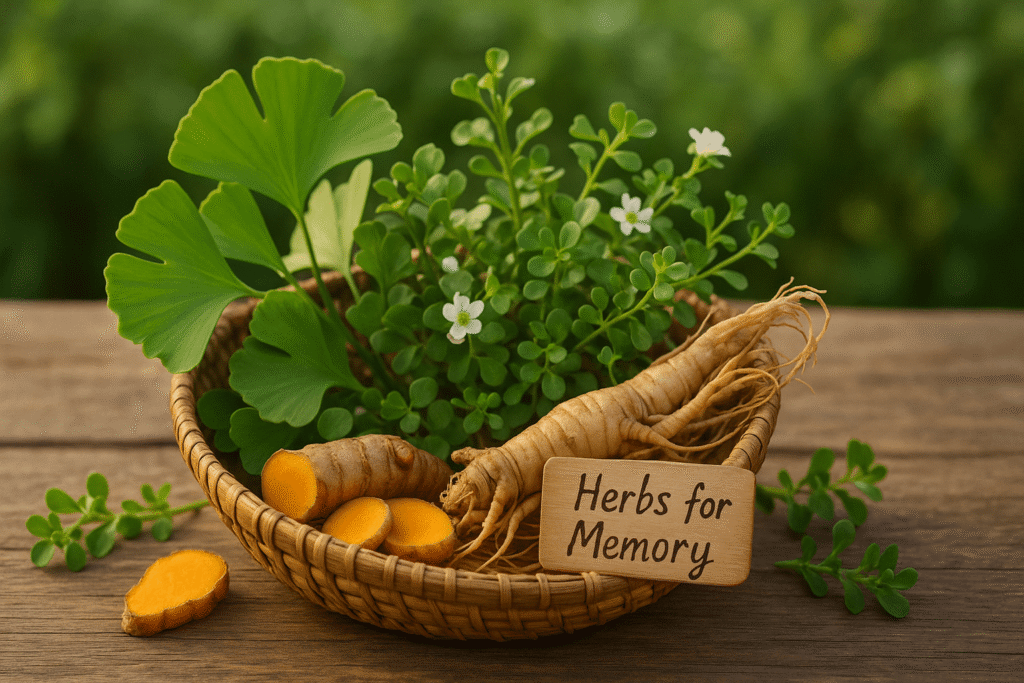
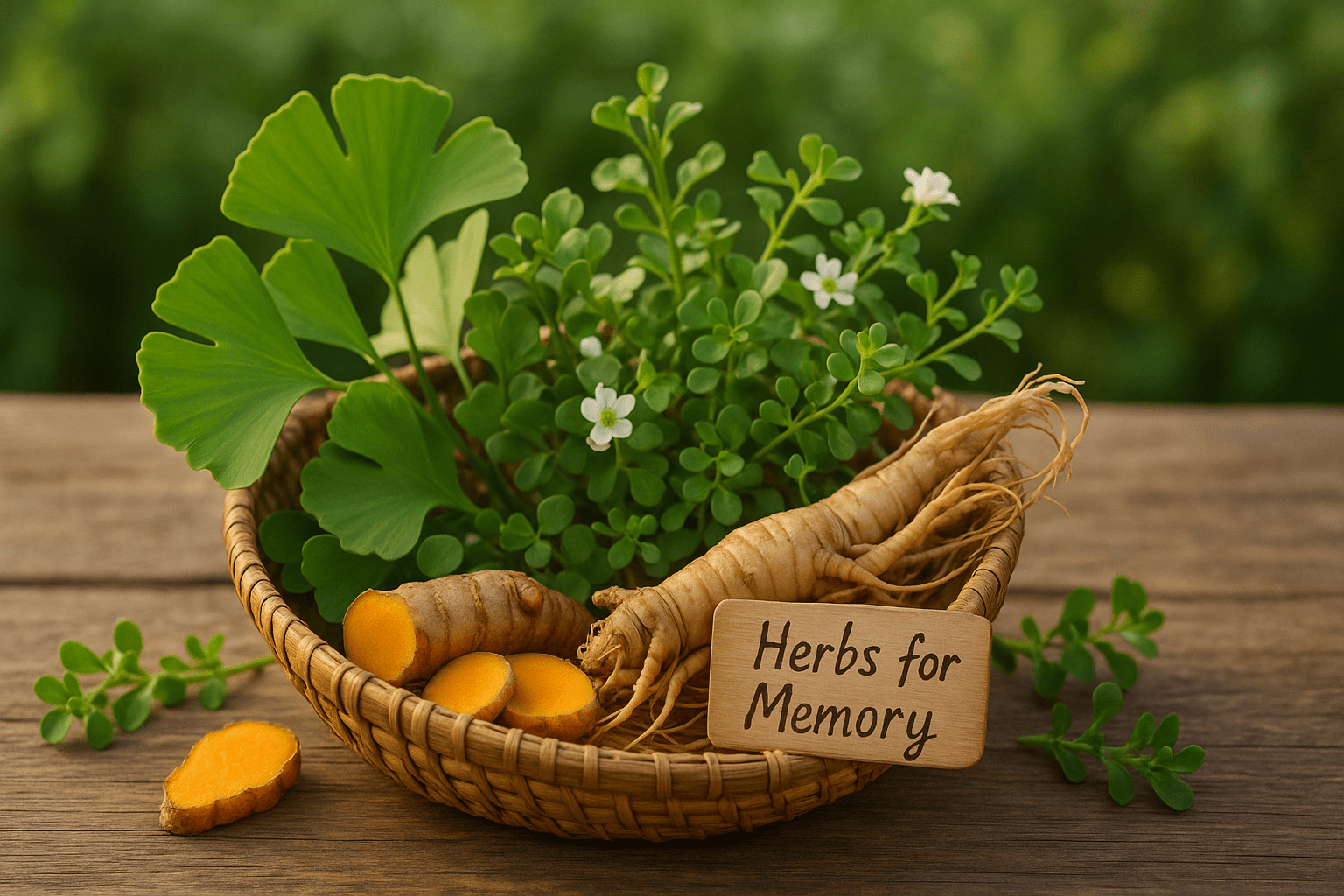
Ginkgo biloba is one of the oldest living tree species and a cornerstone of Traditional Chinese Medicine (TCM). It is best known for improving blood flow to the brain and reducing oxidative stress, which can damage brain cells.
How It Works:
Ginkgo contains powerful antioxidants that protect against cell damage. It may also increase circulation, helping the brain get more oxygen and nutrients.
Scientific Evidence:
Some studies, including double-blind placebo-controlled studies, show that Ginkgo can help with memory loss, especially in older adults. However, large trials like the GEM Study found mixed results, especially in patients with Alzheimer’s disease.
How to Use It:
Available in capsules or liquid extracts. Always check with a healthcare provider before use, especially if you’re on blood thinners, as Ginkgo can affect clotting.
2. Bacopa Monnieri (Brahmi): The Ayurvedic Brain Booster
Used in Ayurveda for centuries, Bacopa monnieri is known for its ability to improve cognitive performance and reduce anxiety.
Mechanism:
The active compounds, bacosides, help repair damaged neurons and support new nerve growth, enhancing information processing.
Health Benefits:
- Enhances memory recall
- Reduces stress
- Supports long-term brain function
Form:
Available in capsules, powders, or teas. Effects build over time with regular use.
3. Curcumin from Turmeric: The Golden Brain Protector
Curcumin, found in turmeric, is another powerful herb with both anti-inflammatory and antioxidant properties.
What Makes It Special:
Curcumin can cross the blood-brain barrier, allowing it to directly affect brain function. It may reduce symptoms in people with mild cognitive impairment and improve mood and memory.
Scientific Insight:
Research shows that certain high-absorption forms of curcumin can quickly improve attention and memory.
How to Take It:
Use turmeric in food or take concentrated curcumin supplements. Choose products with added black pepper extract (piperine) for better absorption.
Other Noteworthy Herbs for Brain Health
4. Rhodiola Rosea – The Stress Buster
An adaptogenic herb that helps the body deal with stress, Rhodiola supports mental clarity and combats fatigue, indirectly improving memory.
5. Panax Ginseng – The Cognitive Energizer
Ginseng is linked to better reaction time, sharper focus, and improved cognitive function and mood.
6. Rosemary – The Traditional Remembrance Herb
Used both in cooking and aromatherapy, rosemary oil has been shown to improve memory speed and accuracy when inhaled. Though results vary, it remains a popular natural tool for memory.
7. Mint (Peppermint) – The Refreshing Cognitive Aid
Inhaling peppermint may boost alertness and focus. Though mild, its cognitive enhancement effects make it a common choice in teas and essential oils.
8. Gotu Kola – The Ayurvedic Memory Support
Known in Ayurvedic and Traditional Chinese Medicine (TCM), Gotu Kola (Centella asiatica) supports memory and brain function, especially in early stages of cognitive decline.
9. Periwinkle (Vinca minor) – The Neuroprotective Agent
Though less common, periwinkle contains vincamine, which may increase blood flow to the brain and offer neuroprotective benefits. Still, clinical evidence remains limited.
-min.png)
Combining Herbs with Nutrients for Maximum Effect
For optimal brain support, herbs can be combined with key nutrients such as:
- Omega-3 fatty acids – Support brain cell membranes and reduce inflammation.
- Vitamin B12 – Prevents memory loss and supports nervous system health.
- Magnesium – Helps regulate nerve function and reduce stress.
These nutrients, along with herbs for memory, create a strong foundation for long-term cognitive health.
Conflicting Research: What You Need to Know
While many herbs show promise, results aren’t always consistent. For example:
- Ginkgo biloba: Some studies show improvement in Alzheimer’s disease, others show minimal benefits.
- Rosemary: Helpful for some, but limited effect in others based on dosage and method of use.
That’s why double-blind placebo-controlled studies are so important—they help separate real effects from placebo.
How to Safely Use Herbs for Memory
- Start Slowly: Begin with one herb and monitor how your body reacts.
- Talk to a Doctor: Especially if you take medications or have health conditions.
- Use High-Quality Products: Look for standardized extracts and trusted brands.
- Consistency Is Key: Natural herbs take time to work. Be patient and consistent.
Conclusion:
Herbs like Ginkgo biloba, Bacopa monnieri, Curcumin, and Gotu Kola offer exciting possibilities for supporting memory, enhancing brain health, and even potentially protecting against neurodegenerative diseases like Alzheimer’s disease.
By blending ancient wisdom with modern science, these natural solutions can help you fight oxidative stress, boost blood flow, and nourish your brain cells, all while avoiding many of the side effects of synthetic drugs.
If you’re looking for a natural remedy to improve cognitive performance and memory, these herbs may be the key to unlocking a sharper mind.
Take our quick quiz to get a personalized supplement recommendation based on your lifestyle, health goals, and cognitive needs.
Frequently Asked Questions
What is the best herb for improving memory?
Top herbs for memory include Ginkgo biloba, Bacopa monnieri, and Curcumin. Ginkgo improves blood flow, Bacopa boosts cognitive function, and Curcumin reduces oxidative stress. The best option depends on your needs and health condition.
Can herbs help with cognitive decline or Alzheimer’s disease?
Some herbs, like Ginkgo biloba and Gotu Kola, may support brain health and slow early cognitive decline. However, their effect on Alzheimer’s disease is still debated in clinical studies. Always consult a doctor before use.
Are there any side effects of memory-enhancing herbs?
Yes, some herbs can cause side effects or interact with medications. For example, Ginkgo may thin the blood, and Ginseng can affect sleep or blood pressure. Talk to a healthcare provider before starting any supplement.