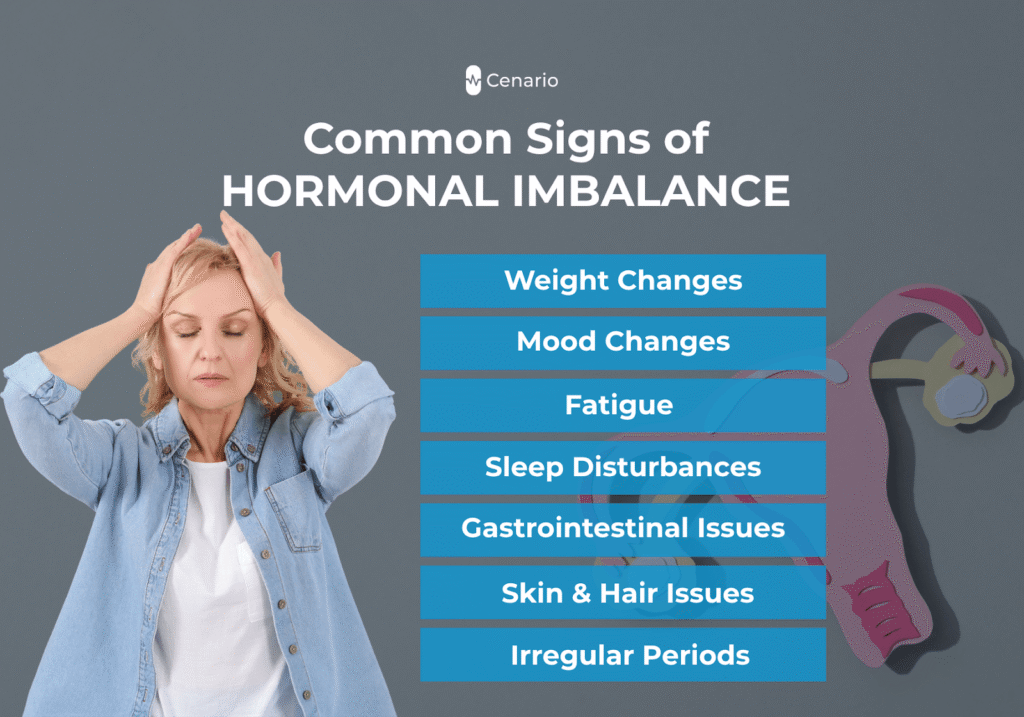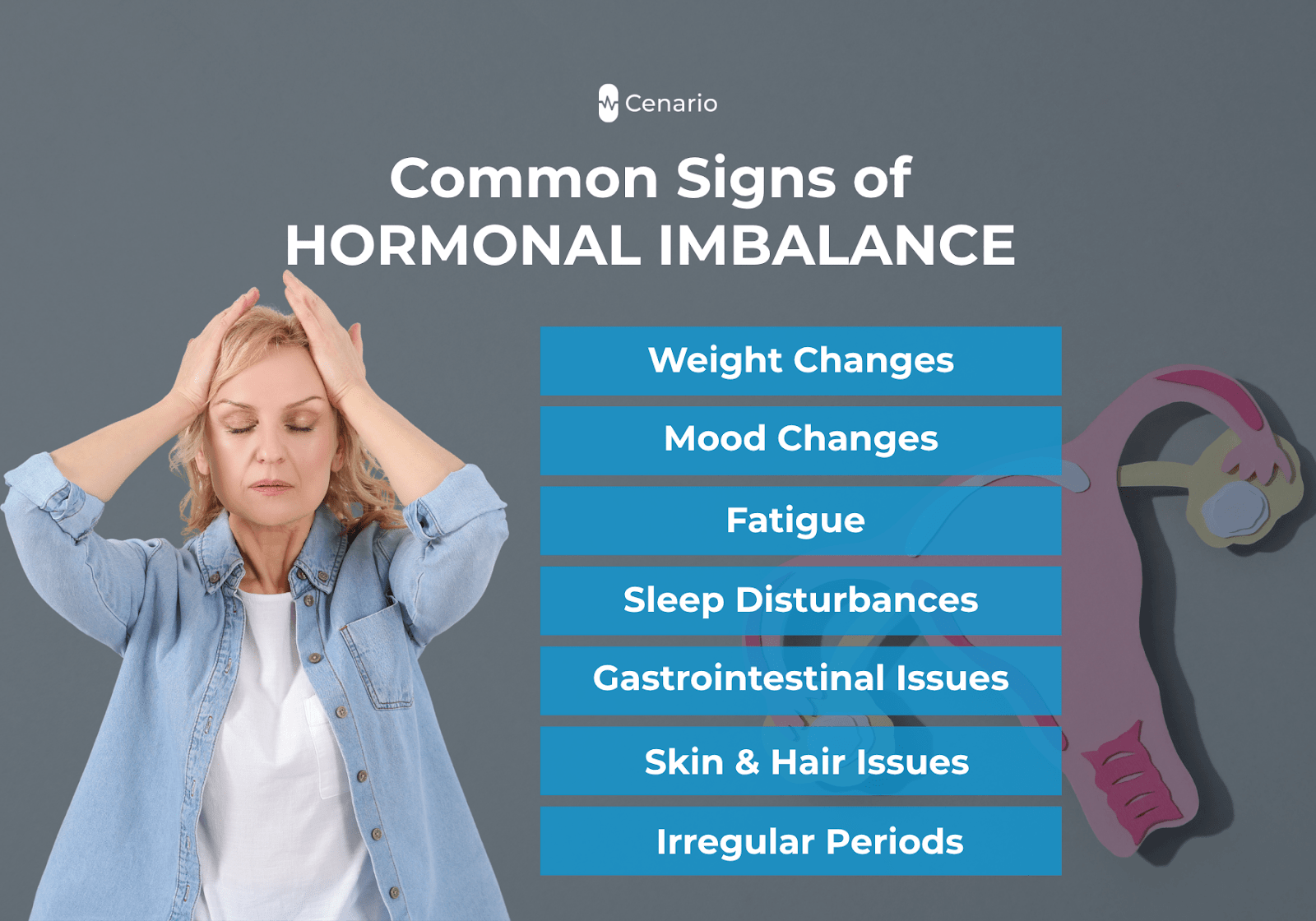

What Is Hormonal Imbalance in Women?
- Aging (especially menopause or perimenopause)
- Chronic stress (which affects cortisol levels)
- Poor diet or sleep
- Medical conditions like PCOS or thyroid disorders
- Birth control or other medications
-min%20(2)%20(1).png)
The Rise of Hormone Balance Supplements
Market Growth & Consumer Demand
- Are hormone balance supplements really effective?
- Are they safe for long-term use?
- What does the research say?
Do Hormone Balance Supplements Actually Work?
The Potential Benefits
- Increased energy levels
- Reduced PMS or menopause symptoms
- Better sleep and less anxiety
- Improved skin and hair health
- More stable blood sugar and mood
The Limitations
What’s Inside a Hormone Balance Supplement?
Herbal Ingredients (Phytoestrogens & Adaptogens)
|
|
|
|
|
|
|
|
|
|
|
|
|
|
|
|
|
|
|
|
|
|
|
|
|
|
|
|
|
|
|
|
|
|
|
|
|
|
|
|
|
|
Probiotics and Gut Health
- Regulate estrogen metabolism
- Control inflammation
- Stabilize blood sugar
Adaptogens
- Rhodiola Rosea
- Holy Basil
- Schisandra
- Maca Root
What Does Science Say?
Lack of Strong Evidence
Regulation & Safety Concerns
- Mislabeling
- Contamination
- Undisclosed or inaccurate dosages
Clinical Trials: Are They Coming?
- Sabal Serrulata (Saw Palmetto)
- Chasteberry
- NAC (N-Acetyl Cysteine)
- Vitamin B5
- Turmeric Extract
- Black Pepper
%20(1).png)
How Stress Affects Women’s Hormones
Stress is one of the most underrated disruptors of hormonal health. When you’re under constant stress, your body produces excess cortisol, a stress hormone.
High cortisol levels can:
- Disrupt ovulation
- Lower progesterone and estrogen
- Cause fatigue, mood swings, and poor sleep
- Worsen PMS and menopausal symptoms
Chronic stress can even lead to adrenal dysregulation, which can mimic hormone imbalance symptoms. Managing stress through lifestyle habits or adaptogens (like ashwagandha) is essential for maintaining hormonal stability.
When to See a Doctor About Hormonal Imbalance
Supplements and lifestyle changes can help, but they aren’t always enough. You should consider seeing a healthcare provider if you experience:
- No improvement after 2–3 months of supplements
- Severe or worsening symptoms
- Unexplained weight gain or loss
- Missed periods for several months
- Signs of thyroid issues (e.g., cold sensitivity, hair loss, constipation)
- Infertility or inability to conceive
A doctor can order blood tests for hormones like TSH, estrogen, progesterone, testosterone, and cortisol to identify root causes.
How Gut Health and Hormones Are Connected
Your gut and hormones are deeply linked—this connection is called the gut-hormone axis. A healthy gut supports balanced hormones in several ways:
- The estrobolome (gut bacteria) helps metabolize and eliminate excess estrogen
- Poor gut health can lead to estrogen dominance, causing PMS, mood swings, and bloating
- Inflammation in the gut can impact thyroid function and disrupt hormone signaling
- Blood sugar spikes due to poor digestion can stress insulin and cortisol systems
Adding fiber-rich foods, probiotics, and limiting processed foods can support both your gut and hormonal health.
How to Choose the Right Hormone Balance Supplement
When shopping for a supplement, here’s what to look for:
- Third-party tested (NSF, USP, or GMP certified)
- Transparent labeling with clear ingredient doses
- Medical advisory board or clinical backing
- Positive customer reviews
- Avoid products with vague “proprietary blends”
-min%20(1)%20(1).png)
Final Thoughts: Should You Try Hormone Balance Supplements?
If you’re struggling with hormonal imbalances and prefer a natural approach, hormone balance supplements may provide support, especially when paired with healthy lifestyle changes.
However, keep in mind:
- Not all supplements are backed by science
- Quality and safety vary by brand
- Lifestyle changes are essential to success
Always talk to a healthcare provider before starting a supplement, especially if you have a medical condition or take hormonal medication.
Find the Right Hormone Balance Supplement for Your Needs
Stop guessing. Take the quiz to get a personalized supplement plan tailored to your symptoms, cycle patterns, stress levels, and overall health.
Take the Mental Health Supplement Quiz Today!
Frequently Asked Questions (FAQ)
Frequently Asked Questions
1. Can hormone balance supplements affect birth control or hormone therapy?
Yes. Some herbs like chasteberry or black cohosh may interfere with oral contraceptives or HRT. These interactions can reduce effectiveness or cause unpredictable effects. Always consult a doctor if you’re on any hormonal medication.
2. How long does it take to notice changes after starting a hormone balance supplement?
Most users see results after 4–8 weeks of consistent use. However, timing depends on your body, the product formula, and your lifestyle habits like diet and sleep.
3. Are there signs a hormone balance supplement isn’t working?
Yes. If symptoms worsen like mood swings, irregular periods, or digestive issues, the supplement might not be suitable for you. Watch for side effects like breakouts, bloating, or allergic reactions. Always consult a healthcare professional if unsure.