
Supplements To Help Lower Cortisol
In today’s fast-paced world, managing stress is more crucial than ever, and understanding the role of cortisol in this process is a key component. Cortisol, often referred to as the “stress hormone,” is released by the adrenal glands in response to stress and plays an essential role in various bodily functions, including metabolism and immune response. However, when cortisol levels remain elevated over time, it can lead to several adverse effects, such as increased anxiety, chronic fatigue, and disrupted sleep patterns. This is where supplements to help lower cortisol come into play, offering a natural approach to managing stress and promoting overall well-being.
Understanding cortisol and its impact
Cortisol is a hormone that helps the body respond to stress, but when levels are consistently high, it can negatively affect health. Elevated cortisol levels are linked to a range of issues, including heightened anxiety, persistent fatigue, and poor sleep quality. These symptoms can significantly impact daily life, making it essential to find effective ways to manage cortisol levels. Natural supplements have emerged as a popular option for those looking to reduce cortisol and improve their stress response without the side effects often associated with pharmaceutical interventions.
The growing interest in natural remedies
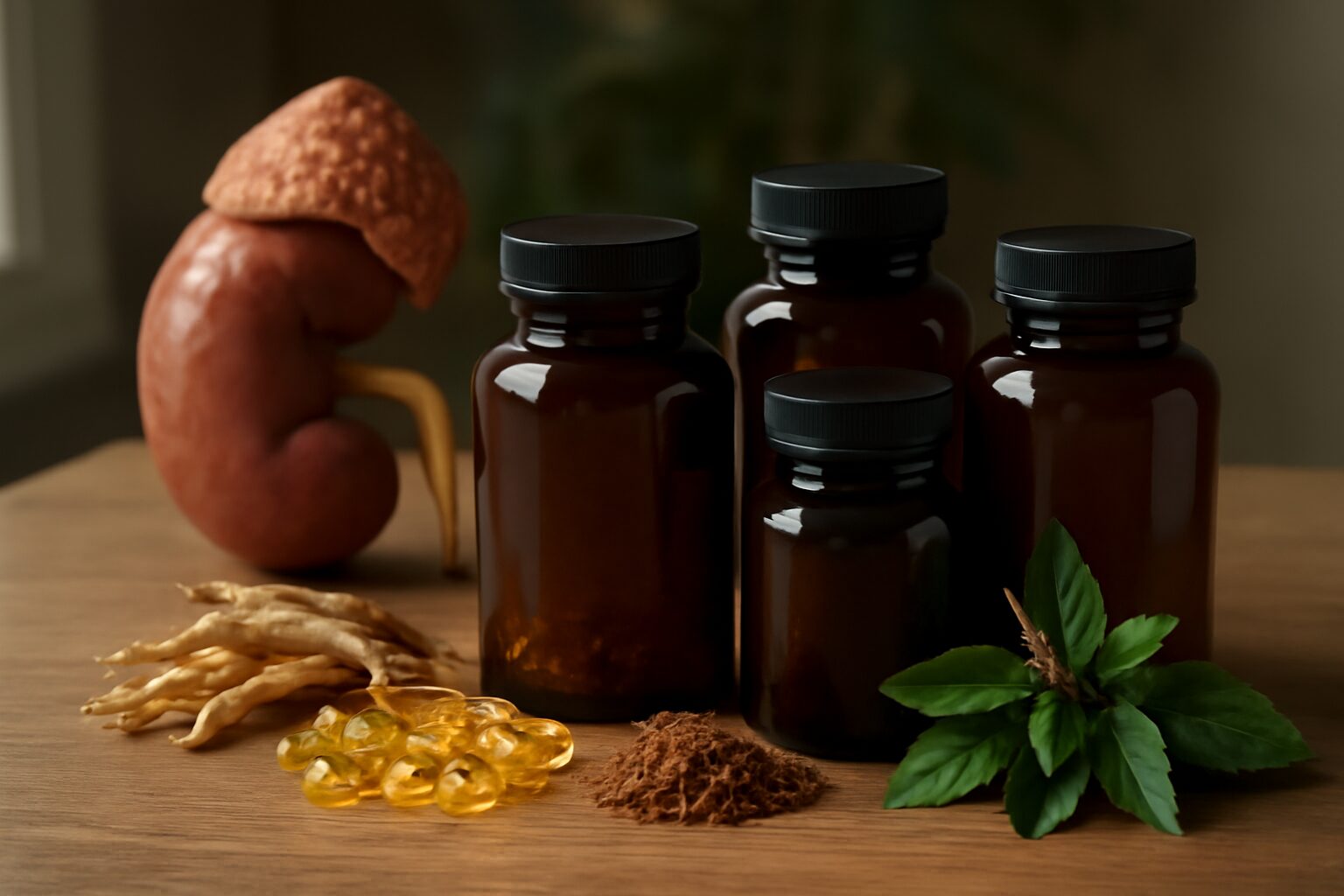
The demand for natural supplements that aid in stress management and cortisol reduction has been on the rise. People are increasingly turning to these alternatives, seeking safe and effective solutions to enhance their stress resilience. Adaptogens, a class of herbs known for their ability to help the body adapt to stress, have gained particular attention. These include well-known options like ashwagandha, rhodiola rosea, and holy basil, which are praised for their potential to lower cortisol levels and improve overall stress management. Additionally, essential nutrients such as omega-3 fatty acids, magnesium, and vitamin C are recognized for their supportive role in maintaining a balanced stress response.
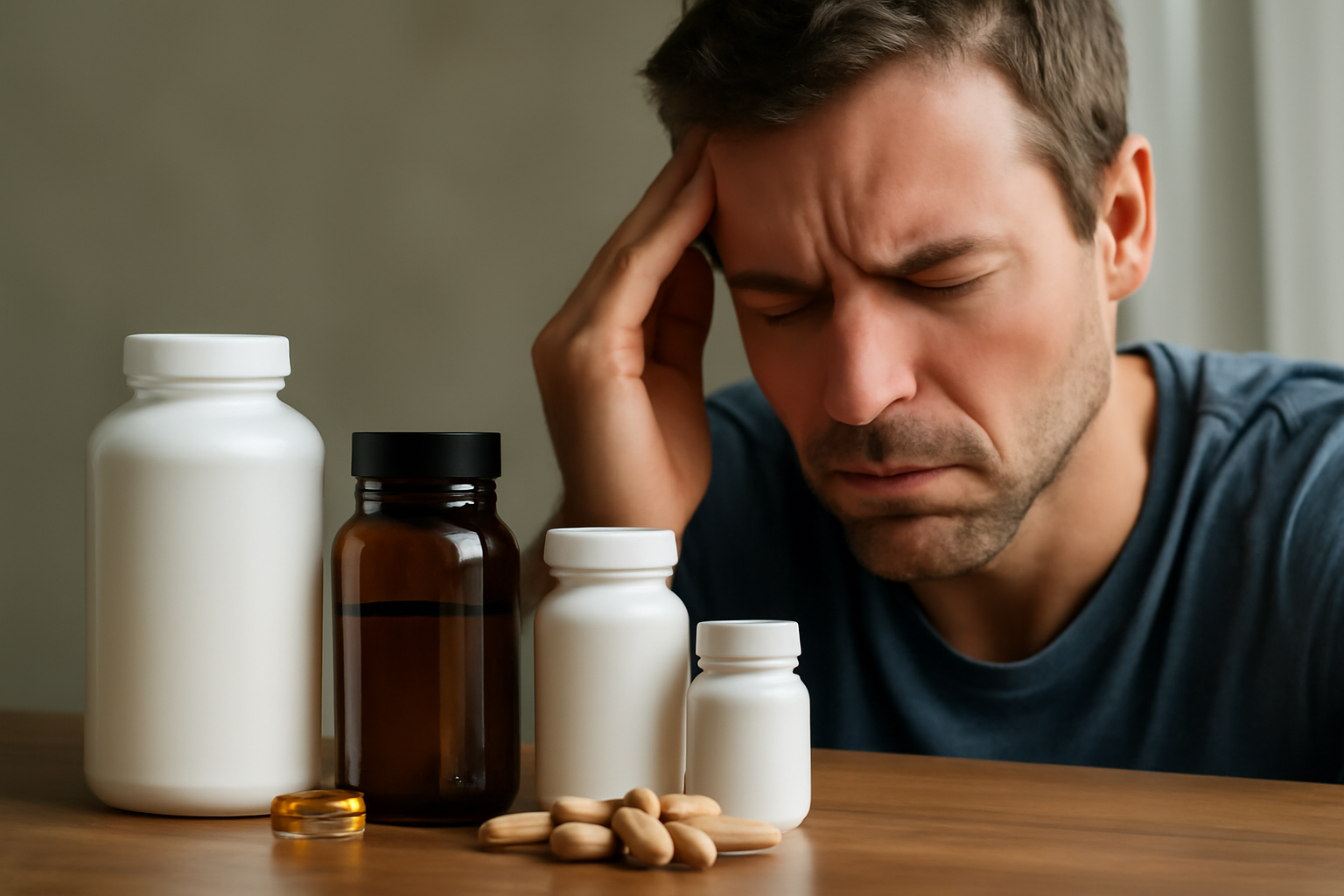
As more individuals explore natural approaches to health, the interest in supplements to help lower cortisol continues to grow. This trend reflects a broader movement towards holistic wellness, where the focus is on supporting the body’s natural processes to promote long-term health and vitality. By integrating these supplements into a daily routine, individuals can take proactive steps towards reducing stress and enhancing their quality of life.
Key Supplements to Lower Cortisol
Adaptogens for Stress Resilience
Adaptogens are a powerful category of herbs renowned for their ability to help the body adapt to stress and maintain balance. Among the most effective adaptogens for lowering cortisol are ashwagandha, rhodiola rosea, and holy basil. These herbs not only help manage stress but also support overall well-being.
Ashwagandha: A Potent Stress Reliever
Ashwagandha, scientifically known as Withania somnifera, is a well-researched adaptogen that has shown significant promise in reducing cortisol levels. Clinical trials have demonstrated that short-term use of ashwagandha can lead to a reduction in cortisol levels by up to 23%. This adaptogen is particularly effective in supporting adrenal health and enhancing stress resilience, making it a popular choice in many supplement blends.
Rhodiola Rosea: Combatting Fatigue and Burnout
Rhodiola rosea is another adaptogen that offers remarkable benefits for stress management. It is particularly effective in reducing symptoms related to stress, such as fatigue and burnout. Clinical studies have shown that rhodiola can improve mental performance and reduce the cortisol response to stress, making it a valuable ally for those dealing with concentration challenges and chronic fatigue.
Holy Basil and Other Adaptogens
Holy basil, along with other adaptogens like ginseng and cordyceps, also plays a role in modulating stress and cortisol levels. While clinical data is less abundant for these herbs, they are regularly featured in stress-relief supplements due to their adaptogenic properties and potential benefits for overall health.
Essential Nutrients for Cortisol Regulation
In addition to adaptogens, certain essential nutrients are crucial for regulating cortisol levels and enhancing the body’s stress response. These include magnesium, omega-3 fatty acids, and vitamin C, each offering unique benefits for stress management.
Magnesium: A Key Player in Stress Response
Magnesium is vital for regulating the body’s stress response, and deficiencies in this mineral can lead to increased cortisol levels. Supplementing with magnesium can help lower cortisol, improve blood pressure, and enhance sleep quality, making it an essential component of any stress management regimen.
Omega-3 Fatty Acids: Supporting Heart and Brain Health
Omega-3 fatty acids are well-known for their heart and cognitive health benefits, but they also play a significant role in lowering cortisol levels. Studies have shown that daily supplementation with omega-3s can lead to a 33% decrease in cortisol, highlighting their effectiveness in managing stress and promoting overall health.
Vitamin C: Boosting Immunity and Managing Stress
Vitamin C is renowned for its immune-boosting properties, but it also supports stress management by influencing cortisol levels. While its effect on cortisol is more indirect, addressing vitamin C deficiencies can contribute to a healthier stress response and reduce the risk of stress-related diseases.
Other Notable Supplements
Amino acids, such as those found in protein-rich foods and supplements, have been shown to decrease cortisol concentrations during high-intensity exercise. This makes them beneficial for muscle recovery and stress response, particularly for athletes and active individuals.
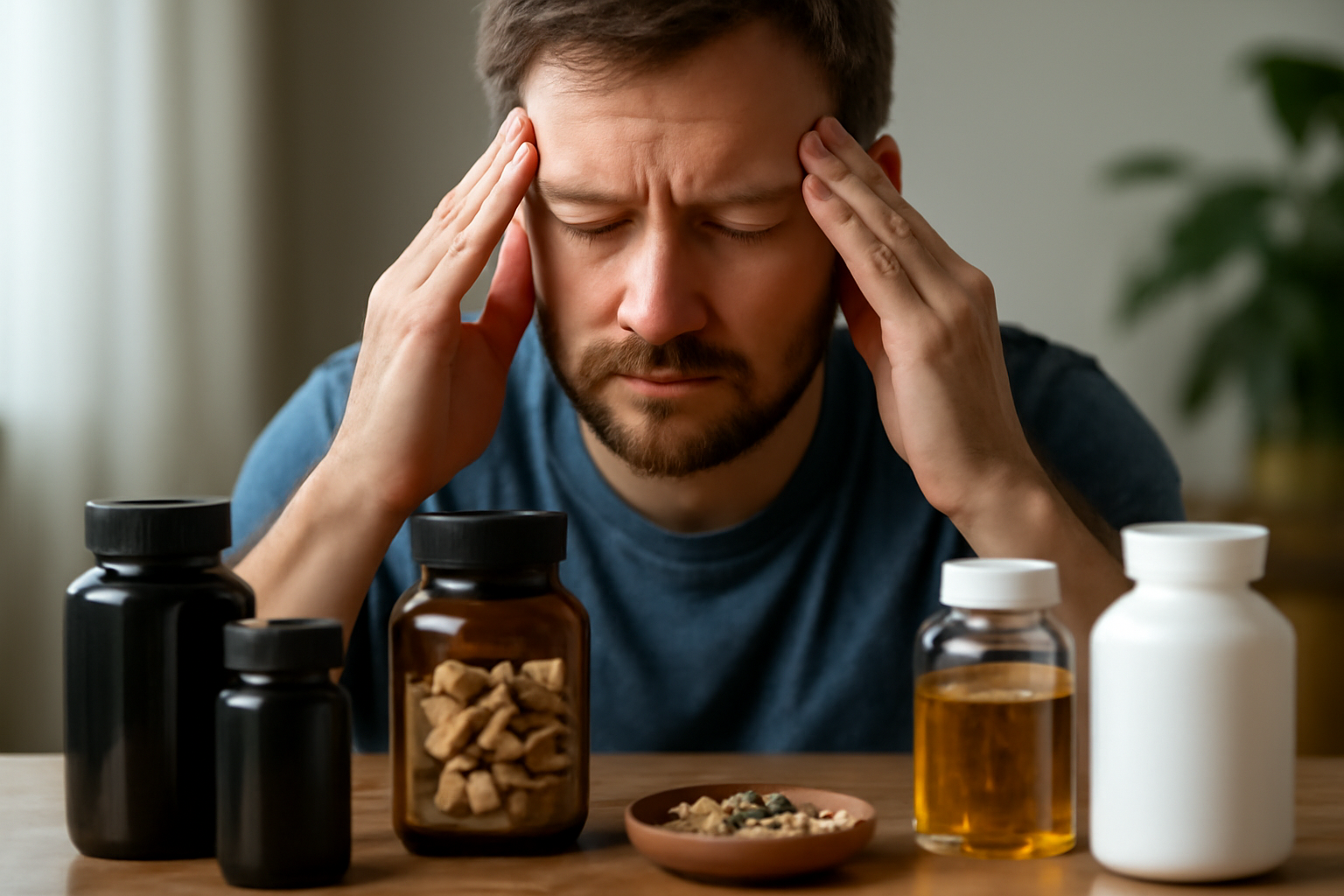
Integrating Supplements into Your Lifestyle
Incorporating these supplements into your daily routine can be a powerful step towards managing stress and lowering cortisol levels. It’s essential to consider factors such as dosage, timing, and potential interactions with other medications or health conditions. Combining supplements with lifestyle changes like regular exercise, meditation, and a balanced diet can further enhance their effectiveness.
Before starting any new supplement regimen, consult with a healthcare professional, especially if you have pre-existing health conditions or are taking other medications. This ensures safety and maximizes the benefits of these supplements in your journey towards improved stress management and overall well-being.
Integrating Supplements into Your Lifestyle
Incorporating supplements to help lower cortisol into your daily routine can significantly enhance your ability to manage stress and improve overall well-being. To maximize their benefits, consider the following practical tips for integration:
- Dosage and Timing: Follow the recommended dosages on supplement labels or as advised by a healthcare professional. Timing can also be crucial; for instance, taking magnesium in the evening may promote better sleep, while omega-3s can be consumed with meals for optimal absorption.
- Monitor Interactions: Be mindful of potential interactions with other medications or health conditions. Consulting with a healthcare provider ensures safe and effective use, especially if you are managing chronic conditions or are pregnant.
- Combine with Lifestyle Changes: Supplements work best when combined with lifestyle modifications. Incorporate regular exercise, practice meditation or yoga, and maintain a balanced diet rich in whole foods to support stress management.
By thoughtfully integrating these supplements into your lifestyle, you can create a holistic approach to managing stress and maintaining healthy cortisol levels.
Safety and Suitability
While supplements to help lower cortisol can be beneficial, it’s important to consider their safety and suitability for your specific needs. Here are some key points to keep in mind:
- Potential Side Effects: Most supplements are well-tolerated, but some individuals may experience side effects such as gastrointestinal discomfort or allergic reactions. Start with a lower dose to assess tolerance.
- Contraindications: Certain supplements may not be suitable for everyone. For example, pregnant or breastfeeding women, individuals with autoimmune conditions, or those on specific medications should exercise caution and seek medical advice before starting any new supplement.
- Consultation with Healthcare Professionals: Always consult with a healthcare provider before beginning any supplement regimen, particularly if you have pre-existing health conditions or are taking prescription medications. This ensures the supplements are appropriate and beneficial for your health goals.
By taking these precautions, you can safely incorporate cortisol-lowering supplements into your health regimen, enhancing your stress resilience and overall quality of life.
Frequently Asked Questions
What are the best supplements for lowering cortisol?
The best supplements for lowering cortisol include adaptogens like ashwagandha, rhodiola rosea, and holy basil, as well as essential nutrients such as magnesium, omega-3 fatty acids, and vitamin C. These supplements have been shown to effectively reduce cortisol levels and support stress management.
How long does it take for supplements to affect cortisol levels?
The time it takes for supplements to affect cortisol levels can vary. Some individuals may notice improvements within a few weeks, while others might require several months to experience significant changes. Factors such as the type of supplement, dosage, and individual health conditions can influence the timeline.
Can I take multiple supplements together to lower cortisol?
Taking multiple supplements together to lower cortisol can be beneficial, as they may work synergistically. However, it’s important to consult with a healthcare provider to ensure safety and avoid potential interactions or side effects.
Are there any lifestyle changes that can enhance the effects of supplements?
Yes, incorporating lifestyle changes such as regular exercise, stress management techniques like meditation or yoga, and a healthy diet can enhance the effects of supplements. These practices support overall stress resilience and complement the benefits of cortisol-lowering supplements.
Who should avoid taking cortisol-lowering supplements?
Individuals who should exercise caution or avoid taking cortisol-lowering supplements include pregnant or breastfeeding women, those with certain medical conditions such as autoimmune disorders, and individuals on specific medications. Consulting with a healthcare professional is crucial to determine suitability.
.