
Do you often feel overwhelmed by daily responsibilities, emotionally drained, or mentally foggy even after a full night’s sleep? You’re not alone. Millions of people today experience high levels of stress, burnout, and emotional ups and downs, especially when trying to keep up with work, relationships, and personal goals. The good news?
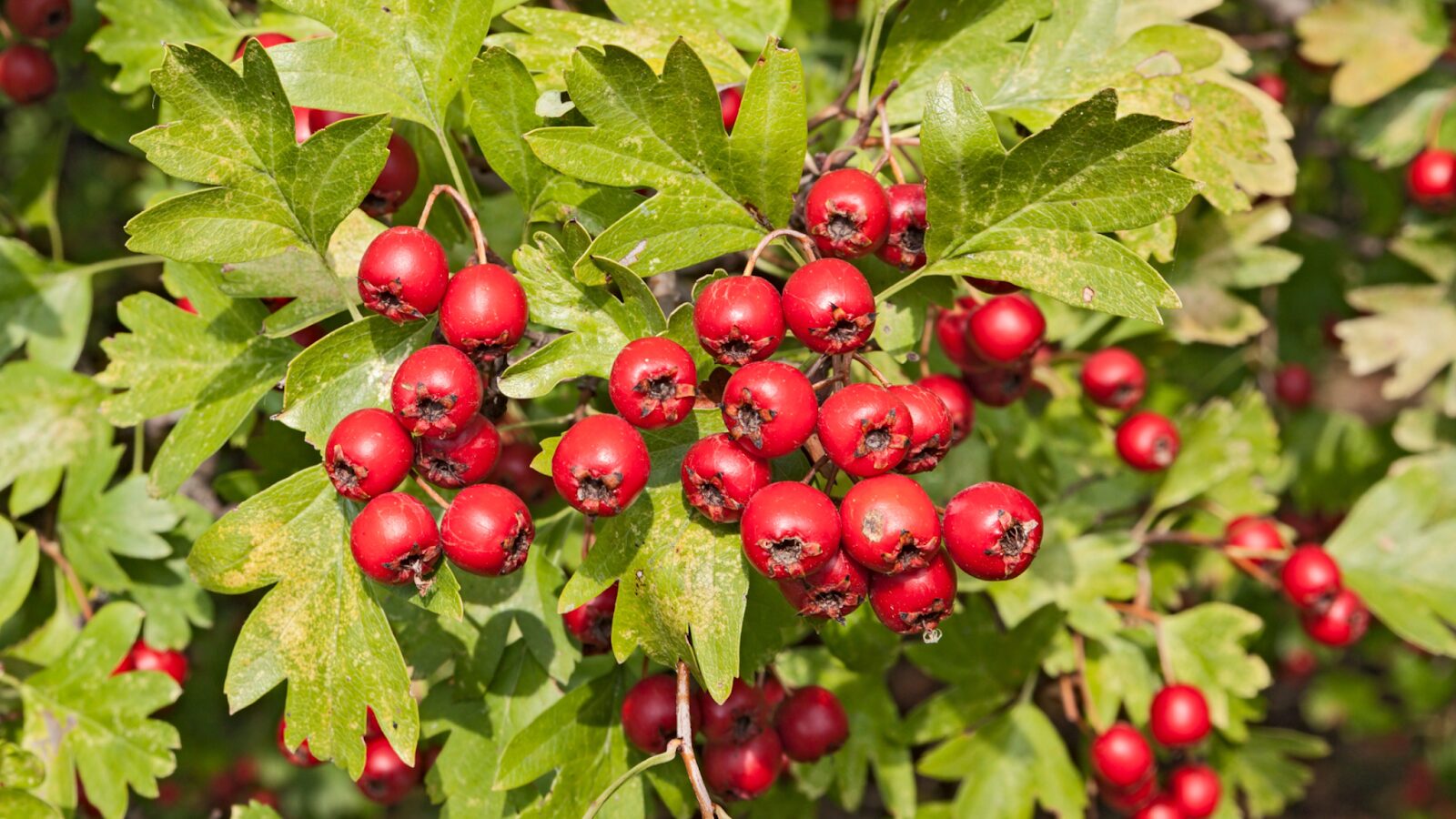
One of the most powerful and time-tested natural remedies is Schisandra berry a small red fruit used for thousands of years in Traditional Chinese Medicine (TCM).
In this article, we’ll explore how Schisandra works, the science behind its calming effects, and how it can be a game-changer for your mental clarity, emotional balance, and daily energy.
What Is Schisandra Berry?
Schisandra (Schisandra chinensis) is a bright red berry that grows mainly in Northern China, Korea, and parts of Russia. It has a unique flavor often called the “five-flavor fruit” because it tastes sweet, sour, salty, bitter, and pungent all at once. While that may sound unusual, it’s this rare combination that hints at the berry’s powerful effects on the body.
When you’re stressed, your body activates something called the HPA axis short for hypothalamic-pituitary-adrenal axis. This system controls how you react to pressure, how much cortisol (your main stress hormone) is released, and how quickly you return to a balanced state afterward. If the HPA axis is constantly activated (from work stress, poor sleep, emotional overwhelm, etc.), it can wear you down over time.
That’s where Schisandra comes in. Studies show that it may help regulate this stress system, keeping cortisol levels in check and improving how your body copes with both mental and physical pressure. One study published in Phytomedicine looked at people under high stress and found that Schisandra helped improve mental performance, concentration, and fatigue resistance in demanding situations.
Traditional Use Meets Modern Science
In Traditional Chinese Medicine, Schisandra has been used for more than 2,000 years to “calm the spirit,” improve energy, support liver health, and extend lifespan.
Modern research continues to support many of these ancient claims. Schisandra has been shown to act as an adaptogen, antioxidant, and neuroprotective agent, meaning it not only helps reduce stress but may also protect your brain and body from the long-term damage caused by chronic stress.
How Schisandra Helps You Stay Calm Under Pressure
- Regulates Cortisol and Balances the Stress Response
- Enhances Mental Clarity and Reduces Fatigue.
- Supports Mood and Emotional Stability
Key Benefits of Schisandra Berry
- Reduces cortisol levels and supports a healthy stress response
- Enhances focus, memory, and mental clarity
- Protects against stress-related fatigue and burnout
- Promotes mood stability and emotional resilience
- Strengthens adrenal function and boosts energy
- Offers antioxidant and liver-protective properties
Schisandra isn’t just for stress relief it’s a holistic ally for mental sharpness and long-term vitality.
Is Schisandra Safe? Side Effects and Considerations
One of the reasons Schisandra berry has remained popular for centuries from ancient herbalists in China to modern wellness experts is because it’s generally considered safe when used in recommended amounts. Many people take Schisandra daily for weeks or even months without experiencing any serious side effects.
That said, it’s still important to listen to your body and understand how Schisandra works before adding it to your daily routine.
Commonly Well-Tolerated
Most people don’t feel any negative effects at all when using Schisandra. Gentle on the system and tends to support the body in a balanced way meaning it doesn’t overstimulate you like caffeine, nor does it sedate you like some calming herbs.
Possible Side Effects (Though Rare)
Although side effects are uncommon, a small number of people may experience mild symptoms, especially when first starting Schisandra or when taking higher doses. These can include:
- Upset stomach or digestive discomfort
This may feel like mild bloating, nausea, or cramps. Taking Schisandra with food or reducing the dose usually helps. - Sleep disturbances
Schisandra can sometimes feel energizing to sensitive individuals. If you take it too late in the day, it may make it harder to fall asleep. Try taking it in the morning or early afternoon. - Mild headaches or dizziness
These are rare but have been reported. If they happen, pause use and speak with your healthcare provider. - Allergic reactions E– xtremely rare, but always possible with any plant-based supplement. Signs include rash, itching, or swelling. If this happens, stop use immediately and seek medical help.
How to Use Schisandra Berry for Stress Support
You’ll typically find Schisandra in the form of:
- Capsules or powders
- Tinctures
- Liquid extracts
- Tea (though less potent)
For general stress support, dosages range from 500–2,000 mg/day depending on the extract concentration. Look for standardized extracts (e.g., 1–2% schisandrins) to ensure potency.
At Cenario, Schisandra is one of the key ingredients in our personalized stress-relief formulas, only included when your body and mind truly need it — based on your unique symptoms.
Conclusion: Should You Try Schisandra?
If you’re battling burnout, struggling to stay focused, or feeling overwhelmed by life’s chaos, Schisandra offers a research-backed, natural way to stay balanced. It doesn’t sedate you it supports you. Calm without the crash. Energy without the jitters. Clarity without the chaos.
And best of all? It works best when personalized.
Take our quick 3-minute quiz to discover your personalized supplement blend for stress, focus, sleep, and mood powered by science and made just for you.
Frequently Asked Questions
What is Schisandra Berry?
Schisandra chinensis, commonly known as Schisandra or “five-flavor berry,” is a medicinal berry native to China and Russia. It’s used in traditional Chinese medicine (TCM) as an adaptogen—meaning it helps the body resist stress, improve endurance, and maintain balance across multiple systems.
What does Schisandra taste like?
The name “five-flavor berry” comes from its unique taste profile, which includes all five basic flavors: sweet, sour, salty, bitter, and pungent. This complexity reflects its wide range of physiological effects.
What are the key benefits of Schisandra Berry?
- Supports liver detox and regeneration
- Improves focus and mental clarity
- Enhances physical stamina and endurance
- Reduces cortisol and improves stress resilience
- Supports hormonal balance (especially in women)
- Improves skin tone and slows signs of aging (used in TCM for beauty)
How does Schisandra help with stress?
As an adaptogen, Schisandra helps regulate the body’s stress response by balancing cortisol levels, supporting adrenal function, and improving energy without overstimulation. It helps the body return to a calm, focused baseline after stress exposure.
Is Schisandra good for liver health?
Yes. One of Schisandra’s most well-researched effects is liver protection. It boosts glutathione levels, supports detoxification, and protects liver cells from damage caused by toxins, alcohol, or fatty liver disease. It’s often used in traditional formulas to treat hepatitis and liver stagnation.
Can Schisandra improve cognitive function?
Yes. Studies suggest Schisandra can improve concentration, attention span, and mental performance especially under fatigue or stress. It’s commonly used to sharpen focus and reduce brain fog.
Does Schisandra help with energy and stamina?
Yes. Schisandra increases ATP production in cells, which translates into better physical performance and endurance. It’s popular among athletes and individuals recovering from burnout or fatigue.
Is Schisandra beneficial for women’s health?
Yes. Schisandra has a long history of use for balancing female hormones, improving skin elasticity, and reducing PMS or menopause symptoms. It also supports liver metabolism of estrogen, which can be helpful for women with estrogen dominance.
How is Schisandra used in skincare or beauty?
In TCM, Schisandra is known for its “beauty tonic” properties. It supports skin health by improving blood flow, reducing inflammation, and enhancing detoxification. Some research also suggests it protects against UV-induced skin aging and boosts collagen.
What’s the recommended dosage of Schisandra Berry?
- Standardized extract (schisandrin): 500–1500 mg per day
- Powdered berry: 1–3 grams daily, often taken as tea or in capsules
- Always follow label instructions, and consider cycling use (e.g., 5 days on, 2 days off) to avoid adaptogen tolerance.
When should I take Schisandra?
Take Schisandra in the morning or early afternoon. It has mild stimulating properties that support energy and focus, so it’s best avoided right before sleep.
Is Schisandra safe?
Schisandra is generally well tolerated. Mild side effects may include heartburn or digestive discomfort, especially in high doses. If pregnant, breastfeeding, or on medication (especially liver-related), consult a healthcare provider first.
Can Schisandra be taken with other adaptogens?
Yes. It stacks well with other adaptogens like Rhodiola, Ashwagandha, Eleuthero, and Ginseng. Each supports stress and energy differently, so stacking can create a synergistic effect.
Does Schisandra interact with medications?
Schisandra may affect liver enzymes (CYP450), which can impact the metabolism of certain drugs. If you’re on medications (especially antidepressants, statins, or blood thinners), consult a healthcare professional before using it.