
Achieving quality sleep is crucial for maintaining overall health and well-being. A restful night not only rejuvenates the body but also enhances mental clarity and emotional balance. As more people seek natural solutions for sleep issues, magnesium has emerged as a popular aid. Known for its calming properties, magnesium plays an essential role in promoting restful nights.
Understanding Common Sleep Challenges
Many individuals struggle with sleep-related issues such as insomnia or restless sleep. These challenges can significantly impact daily life, leading to fatigue, irritability, and decreased productivity. While there are various remedies available, the interest in natural supplements has grown considerably. Among these, magnesium is gaining recognition for its potential to address these sleep disturbances effectively.
The Role of Magnesium in Sleep
Magnesium is a vital mineral involved in numerous bodily functions, including nerve and muscle regulation. Its calming effects on the nervous system make it particularly beneficial for sleep. By supporting the production of neurotransmitters that promote relaxation, magnesium helps prepare the body for rest. This natural approach to enhancing sleep quality is appealing to those looking to avoid pharmaceutical interventions.
As we delve deeper into the benefits of magnesium for sleep, it’s important to understand which forms are most effective and how they work. Keep reading to learn about the best magnesium supplements for achieving those restful nights you’ve been dreaming of.
Most Effective Forms of Magnesium for Sleep
When it comes to selecting the best magnesium supplement for sleep, not all forms are created equal. Understanding the differences can help you make an informed choice that aligns with your sleep needs.
Magnesium Glycinate and Bisglycinate
Magnesium glycinate and bisglycinate are often highlighted as top choices for sleep support. These forms are chelated, meaning they are bound to glycine, an amino acid known for its calming effects. This combination not only enhances magnesium absorption but also supports the nervous system, promoting relaxation and better sleep quality. Additionally, these forms are gentle on the digestive system, making them suitable for individuals with sensitive stomachs.
Many people look for ways to improve mental clarity, energy, and overall wellbeing, but choosing the right supplement can feel overwhelming. With countless options on the market, focusing on solutions tailored to your individual needs can make a meaningful difference. The right combination of nutrients may support brain health, help regulate stress responses, and improve daily focus.
Explore more about personalized wellness and discover the right approach for your goals:
https://cenario.com/quiz
Find more guides here:
https://cenario.com/blog/

Magnesium Threonate
Another effective form is magnesium threonate, which is unique due to its ability to cross the blood-brain barrier. This property allows it to directly influence brain activity, making it particularly beneficial for those who experience racing thoughts at night. Magnesium threonate supports cognitive relaxation, helping to calm the mind and prepare it for restful sleep.
Forms to Avoid for Sleep
While some forms of magnesium are excellent for sleep, others are less effective and may even be counterproductive.
Magnesium Citrate
Magnesium citrate is commonly used as a laxative due to its ability to draw water into the intestines. While it can aid digestion, its laxative effects can be disruptive to sleep. Therefore, unless you require mild digestive support, it is generally not recommended for those seeking pure sleep benefits.
Magnesium Oxide
Magnesium oxide is another form to approach with caution. It is poorly absorbed by the body and often fails to provide the desired sleep support. Its low bioavailability means that it is not the best choice for those looking to improve sleep quality.
Effective Dosage and Timing
Finding the right dosage and timing is crucial for maximizing the benefits of magnesium supplements for sleep.
Recommended Dosage
The consensus among experts is to take between 200-400 mg of elemental magnesium daily. This dosage is typically effective for promoting sleep when taken 1-2 hours before bedtime. However, it is wise to start with a lower dose and gradually increase it to assess your body’s tolerance.
Expected Timeline for Results
While some individuals may notice improvements in sleep within a few days, it often takes several weeks of consistent supplementation to experience sustained benefits. Patience and regular use are key to achieving the best results.
Synergy with Other Nutrients
Combining magnesium with other calming nutrients can enhance its sleep-promoting effects. Supplements that include zinc, vitamin B6, L-theanine, ashwagandha, or melatonin can offer additional support for relaxation and sleep. Magnesium plays a crucial role in supporting melatonin production, further aiding the sleep cycle.
Incorporating these insights into your supplement choice can help you find the best magnesium supplement for sleep, tailored to your unique needs. By understanding the most effective forms and how they work, you can take a proactive step towards achieving restful nights and improved overall well-being.
Real-World Magnesium Supplement Choices
With a wide range of magnesium supplements available on the market, choosing the best magnesium supplement for sleep can be a daunting task. Many commercial products blend different forms of magnesium, such as glycinate, bisglycinate, and threonate, with additional calming ingredients like L-theanine or ashwagandha. These combinations cater to diverse needs, from stress-related insomnia to digestive sensitivities.
For those experiencing stress-induced sleep disturbances, supplements combining magnesium glycinate with adaptogens like ashwagandha may offer enhanced relaxation. If digestive issues are a concern, magnesium bisglycinate is often recommended due to its gentle impact on the stomach. Meanwhile, individuals with racing thoughts might benefit from magnesium threonate, which supports cognitive relaxation.
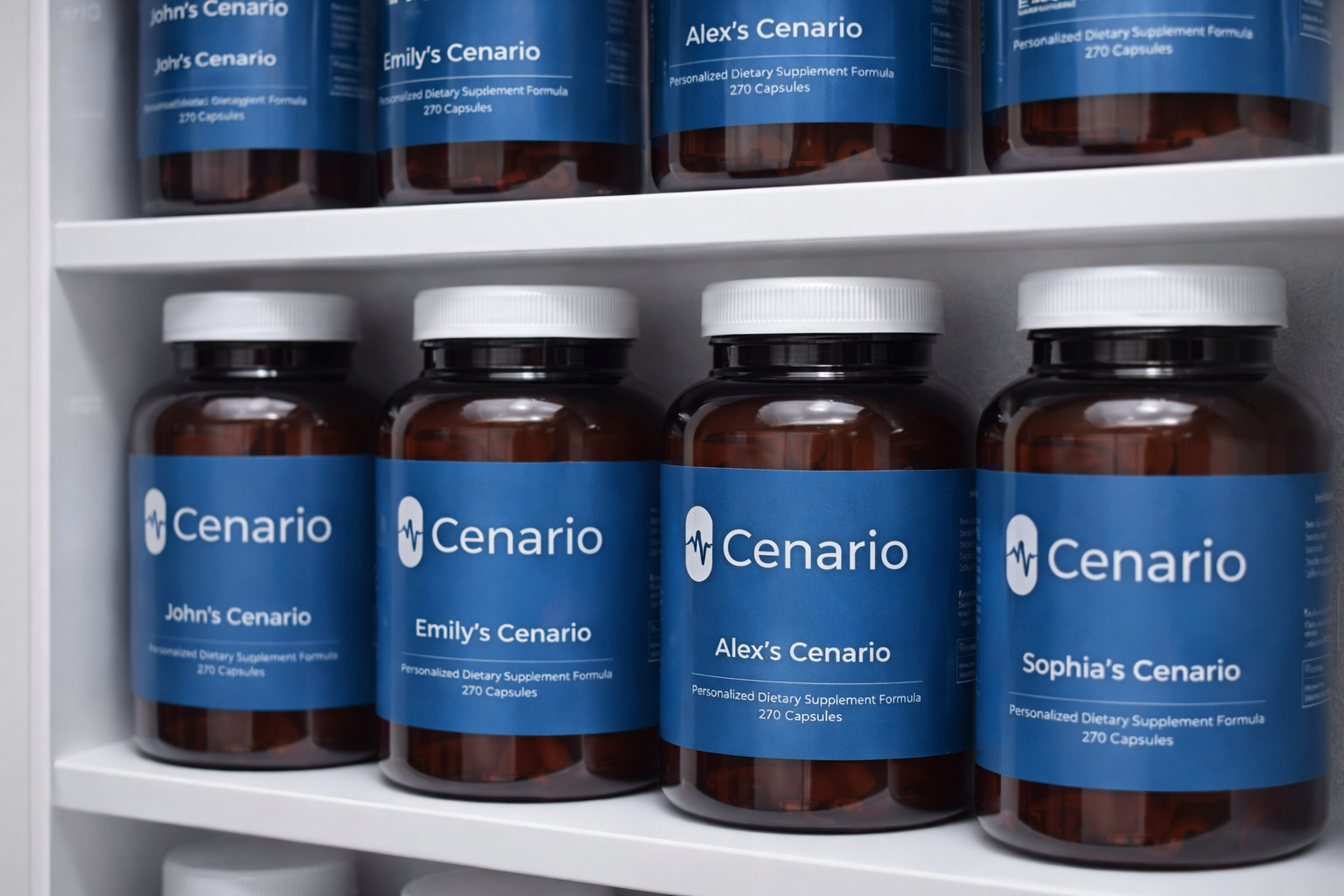
If you are exploring supplements to support focus, mood, sleep, or stress management, a personalized approach often produces better results than generic products. Individual needs vary based on lifestyle, diet, and health goals. That is why tailored formulations can make a meaningful difference in how effective a supplement routine becomes.
Find your personalized supplement formula:
https://cenario.com/quiz
Comparison of Top Magnesium Supplements for Sleep
To aid in your decision-making, consider the following comparison of popular magnesium supplements for sleep. This table highlights their key features, forms, and additional ingredients:
| Supplement | Magnesium Form | Additional Ingredients | Target User |
|---|---|---|---|
| Calm & Relax | Magnesium Glycinate | L-theanine, Ashwagandha | Stress-related insomnia |
| Gentle Sleep Aid | Magnesium Bisglycinate | None | Digestive sensitivity |
| Brain Calm | Magnesium Threonate | GABA | Racing thoughts |
These supplements are designed to address specific sleep challenges, ensuring that you can find a product tailored to your individual needs. When selecting a supplement, consider your primary sleep concerns and any additional health factors that may influence your choice.
Choosing the right supplement should not depend on guesswork. A personalized plan helps ensure you receive nutrients that match your body’s needs and your wellness goals. Whether you want stronger focus, deeper sleep, or better stress balance, the right formulation can help support lasting improvements.
Start your personalized wellness journey today:
https://cenario.com/quiz
Take the Cenario quiz and discover your tailored supplement formula.
Frequently Asked Questions
What is the best form of magnesium for sleep?
Magnesium glycinate and bisglycinate are often recommended as the best forms for sleep support due to their calming effects and high absorption rate. These forms are gentle on the digestive system and effectively promote relaxation.
How long does it take for magnesium to improve sleep?
While some individuals may notice improvements in sleep within a few days, consistent use over several weeks is often necessary for sustained benefits. The timeline can vary based on individual magnesium levels and sleep issues.
Can I take magnesium with other sleep aids?
Yes, magnesium can be safely combined with other sleep aids such as melatonin or ashwagandha. This combination can enhance the overall calming effect and improve sleep quality.
Are there any side effects of taking magnesium supplements?
Some individuals may experience mild digestive issues when taking magnesium supplements, particularly in forms like citrate. Starting with a low dose and gradually increasing can help minimize these effects. Avoid magnesium oxide due to its poor absorption.
In conclusion, magnesium supplements offer a natural way to enhance sleep quality. By selecting the right form and dosage tailored to your needs, you can effectively address sleep disturbances and enjoy more restful nights. Consider incorporating magnesium into your nightly routine as part of a holistic approach to better sleep.