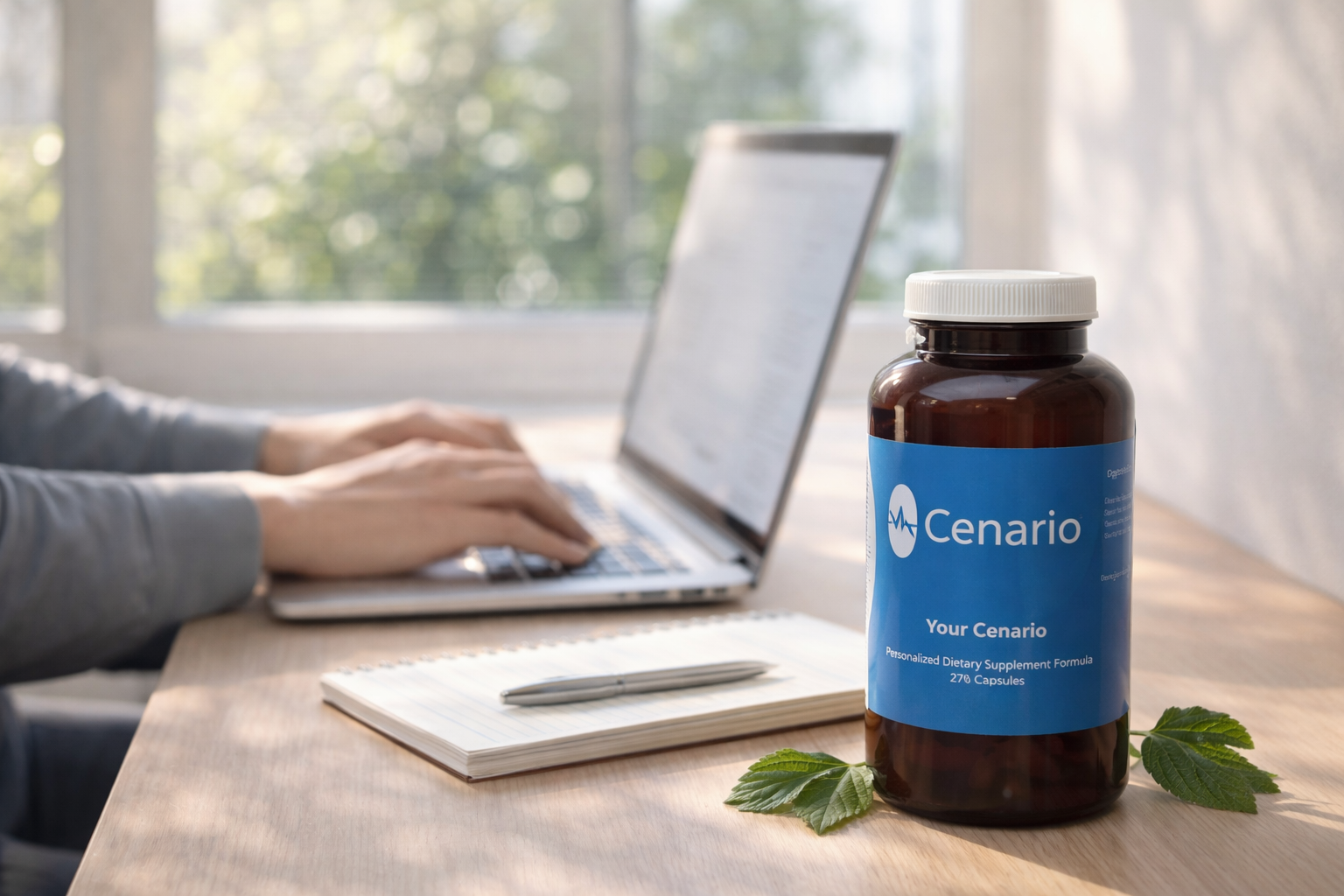

In today’s fast-paced world, the quest for maintaining cognitive health has become increasingly important, especially as we age. This growing interest has spurred a significant rise in the popularity of memory supplements. As people seek ways to support their brain health, the market for these supplements has expanded, offering a wide array of options. However, with such a vast selection, it is crucial to make informed, evidence-based choices to ensure safety and effectiveness.
The Expanding Market of Memory Supplements
The memory supplement market is filled with products claiming to enhance cognitive function and memory. Among the most commonly discussed supplements are multivitamins, omega-3 fatty acids, and various botanicals. These supplements are often marketed with bold claims, but not all are supported by scientific evidence. Understanding which supplements have a solid foundation in research is essential to making informed decisions.
Why Evidence-Based Supplements Matter
Choosing supplements backed by scientific research is crucial for both efficacy and safety. Products without rigorous evidence may not only be ineffective but could also pose health risks. For instance, some supplements might interact with medications or have side effects not immediately apparent. Therefore, relying on evidence-based supplements can help avoid these potential pitfalls and ensure that any health claims are substantiated by credible research.
Among the supplements with the strongest research backing are multivitamins and omega-3 fatty acids. Recent studies have highlighted the potential of these supplements in supporting memory and cognitive function, particularly in older adults. However, it’s important to note that while some supplements show promise, they are not a cure-all and should be considered as part of a comprehensive approach to brain health.
Commonly Discussed Memory Supplements
Multivitamins have gained attention due to studies suggesting they may slow age-related memory decline. Similarly, omega-3 fatty acids, often found in fish oil, are praised for their role in maintaining neuronal function and potentially protecting against cognitive decline. Additionally, botanicals such as ginkgo biloba and ashwagandha are frequently mentioned, although the evidence supporting their efficacy varies.
Many people look for ways to improve mental clarity, energy, and overall wellbeing, but choosing the right supplement can feel overwhelming. With countless options on the market, focusing on solutions tailored to your individual needs can make a meaningful difference. The right combination of nutrients may support brain health, help regulate stress responses, and improve daily focus.
Explore more about personalized wellness and discover the right approach for your goals:
Take the Cenario Mental Health Quiz
Find more guides here:

In conclusion, as the interest in memory supplements grows, it is vital to approach the market with a discerning eye. Opting for supplements with strong scientific backing can help ensure both safety and effectiveness, allowing individuals to support their cognitive health with confidence.
Multivitamins: A Closer Look at Their Role in Memory
Multivitamins have garnered significant attention in the realm of memory supplements, primarily due to findings from a large randomized clinical trial. This study suggested that daily multivitamin use could slow age-related memory decline by two years in adults over 60. However, it’s essential to recognize the limitations of this research. The trial focused on a specific product, Centrum Silver Adults 50+, and did not pinpoint which nutrients were primarily responsible for the observed benefits. Moreover, the positive effects were noted in memory recall, not in diagnosed dementia or mild cognitive impairment (MCI).
While multivitamins offer a promising avenue for supporting memory, it’s crucial to approach them with realistic expectations. They are not a panacea for cognitive decline but may serve as a beneficial component of an overall strategy for maintaining brain health, particularly in older adults.
Omega-3 Fatty Acids: Protecting Neuronal Function
Omega-3 fatty acids, commonly found in fish oil, play a vital role in maintaining neuronal function and have been suggested to offer protection against cognitive decline. Despite their potential, study results on omega-3s are inconsistent. The FDA recommends a safe intake of up to 3,000 mg per day, emphasizing the importance of moderation.
When considering omega-3s, it’s worth comparing supplements to dietary sources such as fatty fish. Consuming omega-3s through a balanced diet not only provides these essential fatty acids but also offers other nutritional benefits. For those who prefer supplements, ensuring they are of high quality and taken within recommended limits is crucial.
B Vitamins: Essential Yet Limited in Preventing Decline
B vitamins, including B6, B12, and folic acid, are often included in brain health supplements due to their importance in neurological function. However, the evidence supporting their role in preventing cognitive decline is not compelling unless a deficiency exists. For most well-nourished individuals, routine supplementation of B vitamins may not yield significant memory benefits.
It’s important to note that while B vitamins are crucial for overall health, their supplementation should be targeted and based on individual nutritional needs, rather than as a blanket approach for memory enhancement.
Other Botanicals and Nutrients: Mixed Evidence and Emerging Research
Beyond multivitamins and omega-3s, various botanicals and nutrients have been explored for their potential memory benefits. Ginkgo biloba, for instance, is a popular herbal supplement with claims of slowing dementia progression and improving memory. However, the evidence is mixed, and safety concerns, such as an increased risk of bleeding, warrant caution.
Other ingredients like ashwagandha, choline, curcumin, Lion’s Mane mushroom, phosphatidylserine, and turmeric have garnered interest, supported by smaller or animal studies. While promising, these ingredients lack the robust clinical evidence needed to confidently recommend them for memory enhancement in healthy adults.
Trends and Commercial Observations in the Supplement Industry
The brain health supplement industry is a multi-billion-dollar market, characterized by numerous products with varying claims. Despite the plethora of options, only a few supplements, such as multivitamins and omega-3s, have substantial research backing. Even then, their effects are generally modest and context-dependent, often benefiting specific groups like older adults or those with nutritional deficiencies.
Many products highlight “smart” ingredients, but the reliance on small, inconsistent, or animal studies raises questions about their effectiveness. Consumers should remain cautious and prioritize evidence-based choices to avoid over-promised results.
Choosing the right supplement should not depend on guesswork. A personalized plan helps ensure you receive nutrients that match your body’s needs and your wellness goals. Whether you want stronger focus, deeper sleep, or better stress balance, the right formulation can help support lasting improvements.
Start your personalized wellness journey today:
Take the Cenario Mental Health Quiz
Take the Cenario quiz and discover your tailored supplement formula.
Exploring Other Botanicals and Nutrients
In addition to multivitamins and omega-3 fatty acids, several botanicals and nutrients are often marketed for their potential memory-enhancing properties. Ginkgo biloba is a well-known herbal supplement that has been extensively studied. While some research suggests it may help with memory improvement, the evidence is mixed, and there are safety concerns, such as an increased risk of bleeding, that should be considered.
Other ingredients like ashwagandha, choline, curcumin, Lion’s Mane mushroom, phosphatidylserine, and turmeric have attracted interest due to their potential cognitive benefits. However, most of the supporting evidence comes from smaller studies or animal research, which makes it difficult to confidently recommend them for memory enhancement in healthy adults. It’s important to approach these supplements with caution and to consider them as part of a broader strategy for cognitive health.
Trends and Commercial Observations
The brain health supplement industry is a thriving multi-billion-dollar market, offering a wide range of products with varying claims. Despite the vast array of options, only a few supplements, such as multivitamins and omega-3 fatty acids, have substantial research backing. Even then, their effects are generally modest and context-dependent, often benefiting specific groups like older adults or those with nutritional deficiencies.
Many products in the market highlight specific “smart” ingredients, but they often rely on small, inconsistent, or animal studies. This raises questions about their effectiveness, and consumers should remain cautious. Prioritizing evidence-based choices can help avoid over-promised results and ensure that any health claims are substantiated by credible research.
Frequently Asked Questions
What Are the Best Supplements for Memory Improvement?
The most evidence-backed options for memory improvement include multivitamins and omega-3 fatty acids. However, their benefits are modest and should be viewed as part of a broader strategy for cognitive health.
Are There Any Risks Associated with Memory Supplements?
Yes, potential safety concerns exist, particularly with herbal supplements like ginkgo biloba, which may increase bleeding risk. It’s important to consult with a healthcare provider before starting any new supplement.
Can Supplements Prevent Dementia?
While some supplements may support memory, none are proven to prevent dementia. They should be considered as part of a comprehensive approach to brain health, alongside lifestyle changes.
Should Everyone Take Memory Supplements?
Not necessarily. It’s advisable to consult with a healthcare provider, especially for those with pre-existing conditions or those taking medications, to determine if supplements are appropriate.
What Lifestyle Changes Can Support Memory?
Complementary lifestyle changes include maintaining a balanced diet, engaging in regular exercise, and participating in mental stimulation activities. These can collectively support cognitive health alongside any supplement regimen.
What Are the Best Supplements for Memory Improvement?
The most evidence-backed options for memory improvement include multivitamins and omega-3 fatty acids. However, their benefits are modest and should be viewed as part of a broader strategy for cognitive health.
Are There Any Risks Associated with Memory Supplements?
Yes, potential safety concerns exist, particularly with herbal supplements like ginkgo biloba, which may increase bleeding risk. It’s important to consult with a healthcare provider before starting any new supplement.
Can Supplements Prevent Dementia?
While some supplements may support memory, none are proven to prevent dementia. They should be considered as part of a comprehensive approach to brain health, alongside lifestyle changes.
Should Everyone Take Memory Supplements?
Not necessarily. It’s advisable to consult with a healthcare provider, especially for those with pre-existing conditions or those taking medications, to determine if supplements are appropriate.
What Lifestyle Changes Can Support Memory?
Complementary lifestyle changes include maintaining a balanced diet, engaging in regular exercise, and participating in mental stimulation activities. These can collectively support cognitive health alongside any supplement regimen.