

Achieving radiant, youthful skin is a goal shared by many skincare enthusiasts, who are constantly on the lookout for the ideal combination of ingredients to enhance their complexion. Among the myriad of options available, niacinamide and vitamin C stand out as two powerhouse ingredients that have captured the attention of skincare aficionados and experts alike. Known for their individual benefits, the question often arises: can you use niacinamide with vitamin C to amplify their effects?
Can Niacinamide and Vitamin C Be Used Together?
For years, a myth circulated suggesting that niacinamide and vitamin C should not be used together, as it was believed they could potentially cancel each other out or cause skin irritation. However, recent studies have debunked this misconception, clarifying that these ingredients can indeed be combined effectively. In fact, when used together, they can complement each other, offering enhanced benefits for the skin.
The Promise of This Combination
In this blog post, we will delve into the compatibility of niacinamide and vitamin C, exploring the scientific mechanisms behind their synergistic effects. We will also provide practical tips on how to incorporate these ingredients into your skincare routine for maximum benefit. Whether you are looking to brighten your skin, reduce signs of aging, or improve overall texture, understanding how to use niacinamide and vitamin C together can be a game-changer for your skincare regimen.
Stay tuned as we uncover the secrets behind these ingredients, offering insights into their individual and combined benefits, practical application tips, and product recommendations to help you achieve the glowing skin you desire.
Understanding the Science Behind Niacinamide and Vitamin C
To fully appreciate the potential of using niacinamide with vitamin C, it’s essential to delve into the scientific mechanisms that make these ingredients effective. Each brings unique properties to the table, and together, they can create a powerful skincare duo.
interested in learning more about mental wellness, cognitive health, and evidence-based supplements?
Explore more expert guides here:
Cenario
Or discover your personalized supplement formula:
Take the Cenario Mental Health Quiz
How Niacinamide Works
Niacinamide, a form of vitamin B3, is celebrated for its versatility in skincare. It regulates sebum production, which helps control oiliness and reduces the likelihood of acne breakouts. Its anti-inflammatory properties also make it effective in calming irritated skin, making it suitable for sensitive skin types. Furthermore, niacinamide strengthens the skin barrier, enhancing its ability to retain moisture and protect against environmental stressors.
One of the standout features of niacinamide is its ability to decrease melanin transfer. This process results in a more even skin tone, reducing the appearance of dark spots and hyperpigmentation over time.
The Role of Vitamin C
Vitamin C, a potent antioxidant, plays a crucial role in brightening the skin. It inhibits tyrosinase, an enzyme involved in melanin production, thereby reducing pigmentation and contributing to a brighter complexion. Additionally, vitamin C is vital for collagen synthesis. By promoting collagen production, it enhances skin elasticity, reducing the appearance of fine lines and wrinkles.
The Synergistic Benefits of Combining Niacinamide and Vitamin C
When used together, niacinamide and vitamin C offer enhanced benefits that go beyond their individual effects. This combination provides potent skin brightening, anti-aging, and antioxidant protection. The ingredients work in tandem to reduce redness, refine pores, and improve overall skin texture.
Moreover, their combined antioxidant properties help protect the skin from free radical damage, a key factor in premature aging. By integrating both into your skincare routine, you can achieve a more radiant and youthful complexion.
Practical Application: How to Use Niacinamide and Vitamin C
Incorporating niacinamide and vitamin C into your skincare routine is straightforward, but it’s essential to apply them correctly for optimal results. Here’s a step-by-step guide:
- Cleanse: Start with a gentle cleanser to remove impurities and prepare your skin for the active ingredients.
- Apply Vitamin C: Use a vitamin C serum after cleansing. Its low pH level allows for better penetration into the skin.
- Follow with Niacinamide: Once the vitamin C serum is absorbed, apply a niacinamide product. Its higher pH level ensures it works effectively without interfering with vitamin C.
- Moisturize: Lock in the benefits with a hydrating moisturizer suitable for your skin type.
- Sunscreen: Finish with a broad-spectrum sunscreen to protect your skin from UV damage, especially important when using active ingredients that can increase photosensitivity.
It’s crucial to consider the pH levels and viscosity of the products you’re using. Generally, apply the thinner, more acidic product first, followed by the thicker, more alkaline one.
Choosing the Right Products
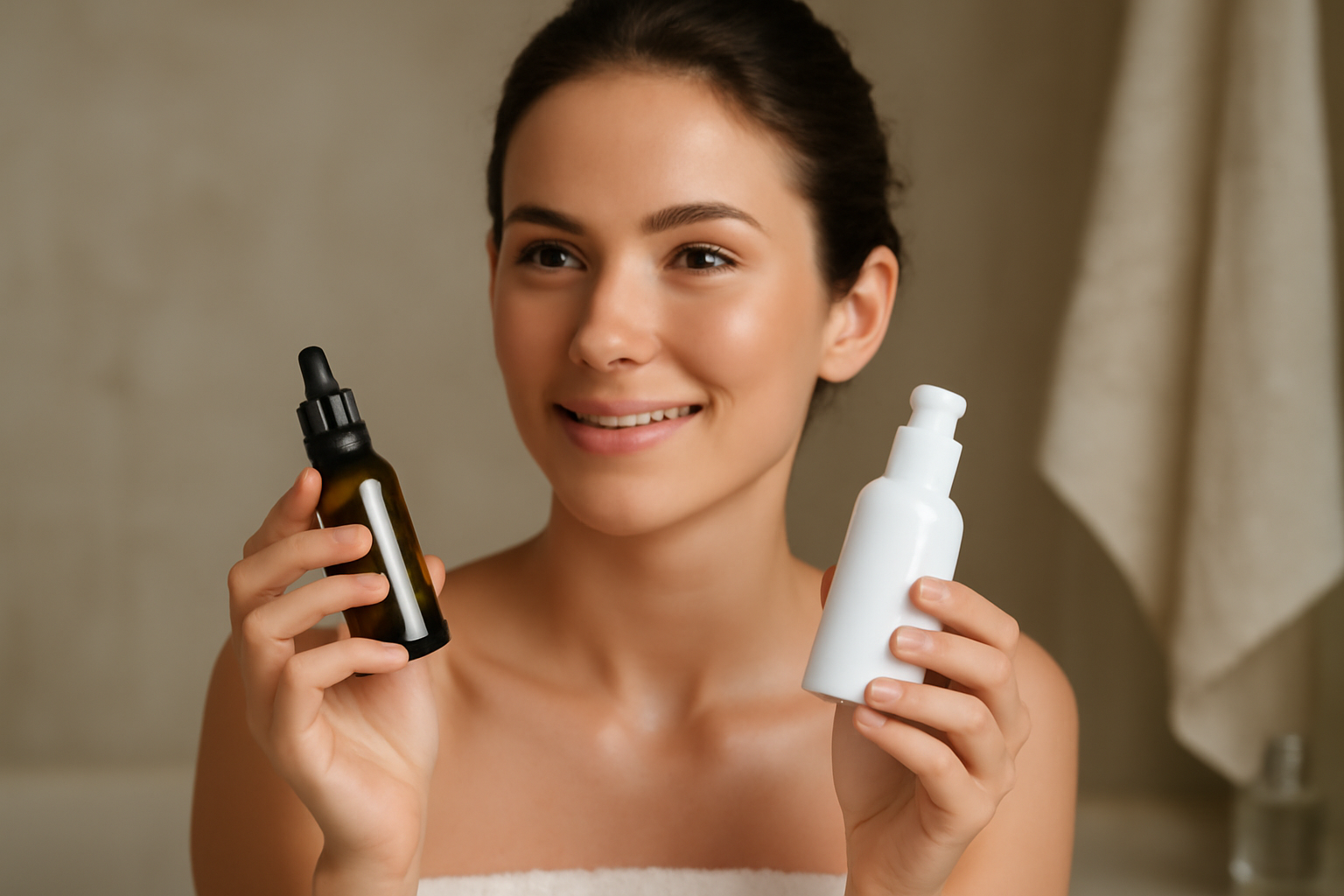
When selecting products that contain niacinamide and vitamin C, consider serums and creams that offer these ingredients in effective concentrations. Serums are particularly beneficial as they tend to have higher concentrations of active ingredients, allowing for better absorption and efficacy.
While many products in the market feature these ingredients, look for formulations that suit your skin type and address your specific concerns. Whether you’re dealing with hyperpigmentation, fine lines, or uneven skin tone, the right combination can make a significant difference in your skincare journey.
Considerations for Different Skin Types
When using niacinamide with vitamin C, it’s essential to consider your skin type and any specific conditions you may have. For those with sensitive skin, starting with lower concentrations of both ingredients can help minimize the risk of irritation. Gradually increasing the concentration as your skin builds tolerance is advisable. Individuals with acne-prone skin can benefit from niacinamide’s ability to regulate sebum production, while vitamin C helps in reducing inflammation and promoting healing.
For those with rosacea or eczema, it’s crucial to patch test products first, as active ingredients can sometimes exacerbate these conditions. Opt for formulations specifically designed for sensitive skin to ensure compatibility and comfort.
Formulation Chemistry and Stability
The effectiveness of niacinamide and vitamin C depends significantly on their formulation. Vitamin C is available in various forms, with L-ascorbic acid being the most potent but also the most unstable. This form works well with niacinamide, provided the products are formulated to maintain stability and efficacy. Derivatives of vitamin C, such as sodium ascorbyl phosphate, offer more stability and are often better suited for those with sensitive skin.
Ensuring that products are stored correctly is also essential. Vitamin C, in particular, is prone to oxidation, so keeping products in a cool, dark place can help maintain their potency.
Timeline and Expectations for Results
Patience is key when using niacinamide and vitamin C together. While some individuals may notice improvements in skin brightness and texture within a few weeks, it can take up to three months to see significant changes in hyperpigmentation and fine lines. Consistent use is crucial for achieving and maintaining results.
Integrating Other Actives
When incorporating other active ingredients like AHAs, BHAs, or retinol into your routine with niacinamide and vitamin C, it’s essential to proceed with caution. These ingredients can increase skin sensitivity, so it is advisable to use them at different times of the day or on alternate days. For instance, you might use vitamin C in the morning and retinol in the evening, ensuring your skin has time to adjust and recover.
Looking for the right supplement to support your mental performance and wellbeing?
Take the 2-minute Cenario quiz to find your personalized formula:
Take the Cenario Mental Health Quiz
Frequently Asked Questions
Can I use niacinamide and vitamin C at the same time?
Yes, you can use niacinamide with vitamin C together. They complement each other well, offering enhanced skin benefits without causing irritation.
What is the best way to layer niacinamide and vitamin C?
The best practice is to apply vitamin C first, followed by niacinamide. This order respects their pH levels and consistency, ensuring optimal absorption and effectiveness.
Are there any side effects of using these ingredients together?
Generally, niacinamide and vitamin C are safe to use together. However, if you have sensitive skin, it’s wise to perform a patch test to check for any adverse reactions.
How should I store products with these ingredients?
To ensure stability, especially for vitamin C, store products in a cool, dark place. This helps prevent oxidation and maintains their effectiveness over time.