
Struggling to achieve a restful night’s sleep is a common challenge that many face, impacting daily life in numerous ways. From decreased productivity to mood disturbances, the effects of sleep deprivation can be profound. But did you know that certain vitamins might hold the key to improving your sleep quality? While many turn to traditional remedies, exploring the role of vitamins for good sleep offers a promising avenue supported by scientific research.
The Importance of Sleep for Overall Health
Sleep is a fundamental pillar of health, influencing everything from cognitive function to emotional well-being. It is during sleep that the body repairs itself, consolidates memories, and regulates hormones. However, achieving quality sleep is not always straightforward, with lifestyle factors, stress, and even diet playing a role in sleep disturbances. Recent studies have highlighted that certain vitamins can enhance sleep by addressing deficiencies and supporting bodily functions related to the sleep-wake cycle.
Exploring Vitamins for Good Sleep
Vitamins play various roles in the body, and their impact on sleep is gaining attention. Research suggests that vitamins such as D, B, C, E, A, and K may contribute to better sleep quality. These vitamins are involved in processes like melatonin production, oxidative stress reduction, and the regulation of the sleep-wake cycle. By ensuring adequate intake of these nutrients, individuals may experience improvements in sleep duration and quality.
Purpose of This Article
This article aims to delve into which vitamins are most effective for promoting restful sleep and how they function within the body. By understanding the role these vitamins play, you can make informed decisions about incorporating them into your diet or supplementation routine. As we explore the benefits and mechanisms of these sleep-boosting vitamins, you’ll gain insights into how they might help you unlock more restful nights.
Stay tuned as we explore the specific vitamins that can aid in enhancing your sleep quality, backed by evidence and expert insights. Whether you’re looking to address a deficiency or simply seeking natural ways to improve your sleep, understanding the impact of vitamins can be a valuable step towards achieving better rest.
Many people look for ways to improve mental clarity, energy, and overall wellbeing, but choosing the right supplement can feel overwhelming. With countless options on the market, focusing on solutions tailored to your individual needs can make a meaningful difference. The right combination of nutrients may support brain health, help regulate stress responses, and improve daily focus.
Explore more about personalized wellness and discover the right approach for your goals:
https://cenario.com/quiz
Find more guides here:
https://cenario.com/blog/

Exploring the Role of Vitamin D in Sleep
Vitamin D is often associated with bone health, but its influence extends to sleep quality as well. Scientific studies have shown that adequate levels of vitamin D are linked to improved sleep duration and quality. This vitamin interacts with areas of the brain that regulate the sleep-wake cycle, influencing the production of melatonin, a hormone crucial for sleep regulation. Randomized trials have demonstrated that vitamin D supplementation can lead to better sleep quality and reduced disturbances, although more research is needed to determine optimal dosages and specific patient benefits.
The Impact of B Vitamins on Sleep
B vitamins, including B1, B6, B9, and B12, are vital for various bodily functions, including sleep. These vitamins support the production of melatonin and help reduce fatigue, indirectly promoting better sleep. For instance, vitamin B6 is crucial for converting tryptophan into serotonin, a precursor to melatonin. Deficiencies in B vitamins can lead to symptoms like insomnia and restless legs syndrome, highlighting their importance in maintaining healthy sleep patterns. Ensuring adequate intake through diet or supplements can address these deficiencies and potentially enhance sleep quality.
Antioxidant Vitamins: C and E
Vitamins C and E are powerful antioxidants that help reduce oxidative stress, which can be exacerbated by poor sleep. Oxidative stress is linked to various sleep disorders, including obstructive sleep apnea and restless legs syndrome. By mitigating oxidative damage, these vitamins may improve sleep quality and reduce the severity of these conditions. While more research is needed to fully understand their impact, incorporating antioxidant-rich foods into your diet can be a beneficial step towards better sleep.
Understanding the Role of Vitamin A and K
Vitamin A plays a crucial role in regulating the sleep-wake cycle through its involvement in light detection. It helps the body adjust to changes in light, which is essential for maintaining a healthy circadian rhythm. Deficiencies in vitamin A have been associated with reduced sleep duration and poorer sleep quality. Similarly, vitamin K has been linked to sleep quality, with low levels associated with mood disturbances and increased oxidative stress. While research on vitamin K’s role in sleep is still emerging, maintaining adequate levels through diet may support overall sleep health.
The Influence of Zinc on Sleep
Zinc is a mineral that impacts melatonin synthesis, potentially improving sleep quality. Although research is still preliminary, some studies suggest that zinc supplementation may benefit sleep, particularly in women. However, results have been mixed, and further investigation is needed to clarify its effectiveness across different populations. As part of a balanced diet, zinc can contribute to better sleep, but supplementation should be approached with caution and under professional guidance.
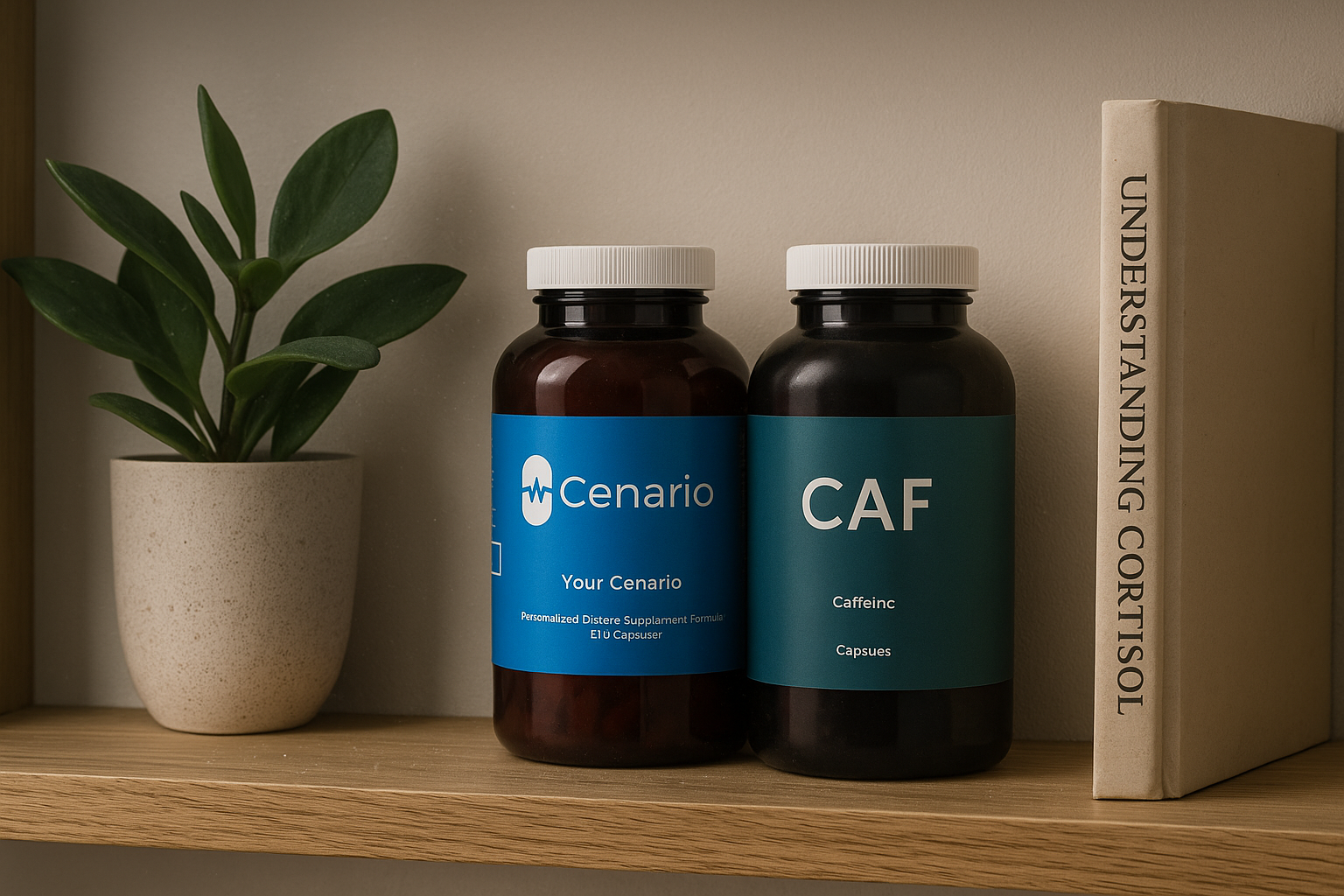
If you are exploring supplements to support focus, mood, sleep, or stress management, a personalized approach often produces better results than generic products. Individual needs vary based on lifestyle, diet, and health goals. That is why tailored formulations can make a meaningful difference in how effective a supplement routine becomes.
Find your personalized supplement formula:
https://cenario.com/quiz
Summary of Vitamins and Their Effects on Sleep
| Vitamin | Role in Sleep | Evidence of Effectiveness |
|---|---|---|
| Vitamin D | Regulates sleep-wake cycle and melatonin production | Improved sleep quality and reduced disturbances |
| B Vitamins | Supports melatonin production and reduces fatigue | Potential benefits for insomnia and restless legs syndrome |
| Vitamin C and E | Reduces oxidative stress | Potential improvement in sleep disorders like apnea |
| Vitamin A | Regulates sleep-wake cycle through light detection | Linked to improved sleep duration and quality |
| Vitamin K | Associated with mood and oxidative stress | Emerging evidence of sleep quality improvement |
| Zinc | Impacts melatonin synthesis | Preliminary evidence, mixed results |
Understanding the role of these vitamins can guide you in making informed decisions about your sleep health. By addressing potential deficiencies and incorporating these nutrients into your diet, you can take a proactive step towards achieving more restful nights.
Broader Sleep Health Recommendations
While incorporating vitamins for good sleep can be beneficial, it’s essential to adopt a holistic approach to sleep health. This means considering lifestyle changes and dietary habits alongside vitamin supplementation. Regular physical activity, a balanced diet rich in essential nutrients, and maintaining a consistent sleep schedule can significantly enhance sleep quality. Additionally, creating a relaxing bedtime routine and optimizing your sleep environment such as reducing noise and light can further support restful nights.
It’s crucial to consult with healthcare professionals before starting any new supplementation. They can help identify specific deficiencies and recommend appropriate dosages tailored to your individual needs. Self-diagnosing and treating without professional guidance can lead to imbalances or adverse effects, particularly if underlying health issues are present.
Cautions and Considerations
While vitamins can support sleep, they are not a cure-all solution. It’s important to approach supplementation with caution. Over-supplementation can lead to toxicity and other health issues, particularly with fat-soluble vitamins like A, D, E, and K, which accumulate in the body. Therefore, understanding your specific nutritional needs through diagnostic testing is vital. This ensures that any supplementation is targeted and effective, addressing only the deficiencies that may be affecting your sleep.
Moreover, while vitamins can aid in improving sleep quality, they should be part of a broader strategy that includes addressing lifestyle factors and possibly seeking medical advice for persistent sleep issues. Personalized approaches that consider all aspects of your health are more likely to yield sustainable improvements in sleep quality.
Choosing the right supplement should not depend on guesswork. A personalized plan helps ensure you receive nutrients that match your body’s needs and your wellness goals. Whether you want stronger focus, deeper sleep, or better stress balance, the right formulation can help support lasting improvements.
Start your personalized wellness journey today:
https://cenario.com/quiz
Take the Cenario quiz and discover your tailored supplement formula.
Frequently Asked Questions
Can taking vitamins guarantee better sleep?
No, while vitamins can help improve sleep quality if there’s a deficiency, they should be part of a comprehensive approach to sleep health. This includes lifestyle changes like a balanced diet, regular exercise, and maintaining a consistent sleep schedule.
How do I know if I have a vitamin deficiency affecting my sleep?
Consult a healthcare provider for diagnostic testing to determine any deficiencies. They can provide guidance on whether supplementation is necessary and how to address specific deficiencies that may be impacting your sleep.
Are there side effects to taking sleep-boosting vitamins?
Yes, potential side effects exist, particularly if taken in excess. It’s important to follow recommended dosages and consult with a healthcare provider to avoid adverse effects and ensure that supplementation is safe and appropriate for your needs.
How long does it take to see improvements in sleep after starting vitamin supplements?
It varies, but some people may notice improvements within a few weeks, while others may take longer. Consistency is key, and it’s important to address all aspects of sleep health alongside supplementation for the best results.
Conclusion
Incorporating vitamins for good sleep can be a valuable part of a holistic approach to improving sleep quality. By addressing potential deficiencies and making informed lifestyle changes, you can enhance your overall sleep health. Remember to consult with healthcare professionals to tailor your approach to your individual needs, ensuring that any supplementation is safe and effective. With a personalized strategy, you can unlock more restful nights and enjoy the benefits of improved sleep.