
In today’s fast-paced world, the pursuit of cognitive enhancement has become increasingly popular. People are seeking ways to improve their memory and focus, whether to gain a competitive edge in their professional lives or to maintain mental sharpness as they age. This growing interest in cognitive supplements reflects a broader trend of individuals looking to unlock their brain’s potential and optimize their mental performance.
The Challenge of Maintaining Cognitive Health
Maintaining cognitive health is a significant challenge, especially in our modern, hectic lifestyles. The demands of work, family, and social commitments can take a toll on mental clarity and focus. Moreover, as we age, the natural decline in cognitive functions becomes a concern for many. Aging populations and busy professionals are particularly interested in finding effective strategies to support brain health and counteract these challenges.
The Purpose of This Article
This article aims to explore the best supplements for memory focus, providing readers with evidence-based insights into which supplements may help enhance cognitive function. By examining the most-cited supplements and their potential benefits, this guide will assist readers in making informed decisions about incorporating these supplements into their daily routines. Whether you’re looking to boost your memory, sharpen your focus, or simply support overall brain health, understanding the available options is crucial.
As we delve deeper into the world of cognitive supplements, we’ll uncover the science behind some of the most popular choices. From multivitamins to nootropic blends and individual ingredients, the following sections will provide a comprehensive overview of the supplements that have captured the attention of researchers and consumers alike. By understanding the evidence supporting these supplements, you can make choices that align with your personal health goals and lifestyle needs.
Factual Insights: Most-Cited Supplements for Memory & Focus
Multivitamins
Recent studies conducted by Columbia University and Mass General Brigham have highlighted the potential benefits of multivitamins in slowing age-related memory decline, particularly for adults over 60. These findings suggest that daily multivitamin use may delay cognitive aging by 2-3 years, especially in individuals with cardiovascular conditions. However, the specific nutrients contributing to these benefits remain uncertain, as the studies focused on commercial multivitamin blends.
Nootropic Blends
Nootropic supplements, often referred to as “smart drugs,” have gained popularity for their potential to enhance cognitive function. Products like Focus Support and Thesis incorporate key ingredients such as citicoline (Cognizin), Lion’s Mane mushroom, and rhodiola. These components are known for their cognitive and neuroprotective properties. Ashwagandha, traditionally used for stress relief, is also included for its potential cognitive benefits. These blends often feature amino acids, antioxidants, and adaptogens to provide comprehensive support for memory and focus.
Brain health depends on a complex balance of nutrients that influence neurotransmitters, stress response, and cognitive function. A personalized supplement approach helps ensure you receive the nutrients that support your individual needs.
Find your personalized brain support formula:
Take the Cenario Mental Health Quiz
Popular Individual Ingredients
Several individual ingredients are frequently cited for their potential cognitive benefits. These include:
- B Vitamins: Particularly B6, B9, and B12, which are essential for brain health.
- Omega-3 Fatty Acids: Found in fish oil or algae, these are crucial for brain function.
- Vitamin E: Known for its antioxidant properties.
- Ginkgo Biloba and Ginseng: Traditional herbs with mixed evidence regarding cognitive enhancement.
- Caffeine: Often combined with L-theanine for improved focus and alertness.
While these ingredients are popular, evidence for cognitive improvement in healthy individuals is often modest or inconsistent, except in cases of deficiency.
Source Perspectives & Approaches
Clinical Research
Studies from institutions like Columbia University and Harvard emphasize the role of multivitamins in slowing cognitive decline in older adults. However, they highlight the need for further research to pinpoint which specific nutrients are most effective.
Comparative Reviews
Comparative reviews, such as those by Innerbody, focus on the efficacy of nootropic blends through hands-on testing. These reviews often highlight the inclusion of clinically studied ingredients that support both memory and focus.
Consumer Health Guides
Consumer health guides, like those from WebMD, provide overviews of common supplements and their mechanisms. They note the variability in results and emphasize the importance of evidence-based choices.
Branded “Brain Health” Supplements
Products like Garden of Life’s Dr. Formulated Memory & Focus are specifically designed for cognitive support. They feature ingredients such as organic coffee fruit extract, which may enhance brain-derived neurotrophic factor (BDNF), a protein crucial for cognitive function. The supplement also includes grape and wild blueberry extracts, known for their polyphenol content, and healthy fats to aid absorption. These products are often certified organic and non-GMO, appealing to health-conscious consumers.
Interested in learning more about mental wellness, cognitive health, and evidence-based supplements?
Explore more expert guides here:
Or discover your personalized supplement formula:
Take the Cenario Mental Health Quiz
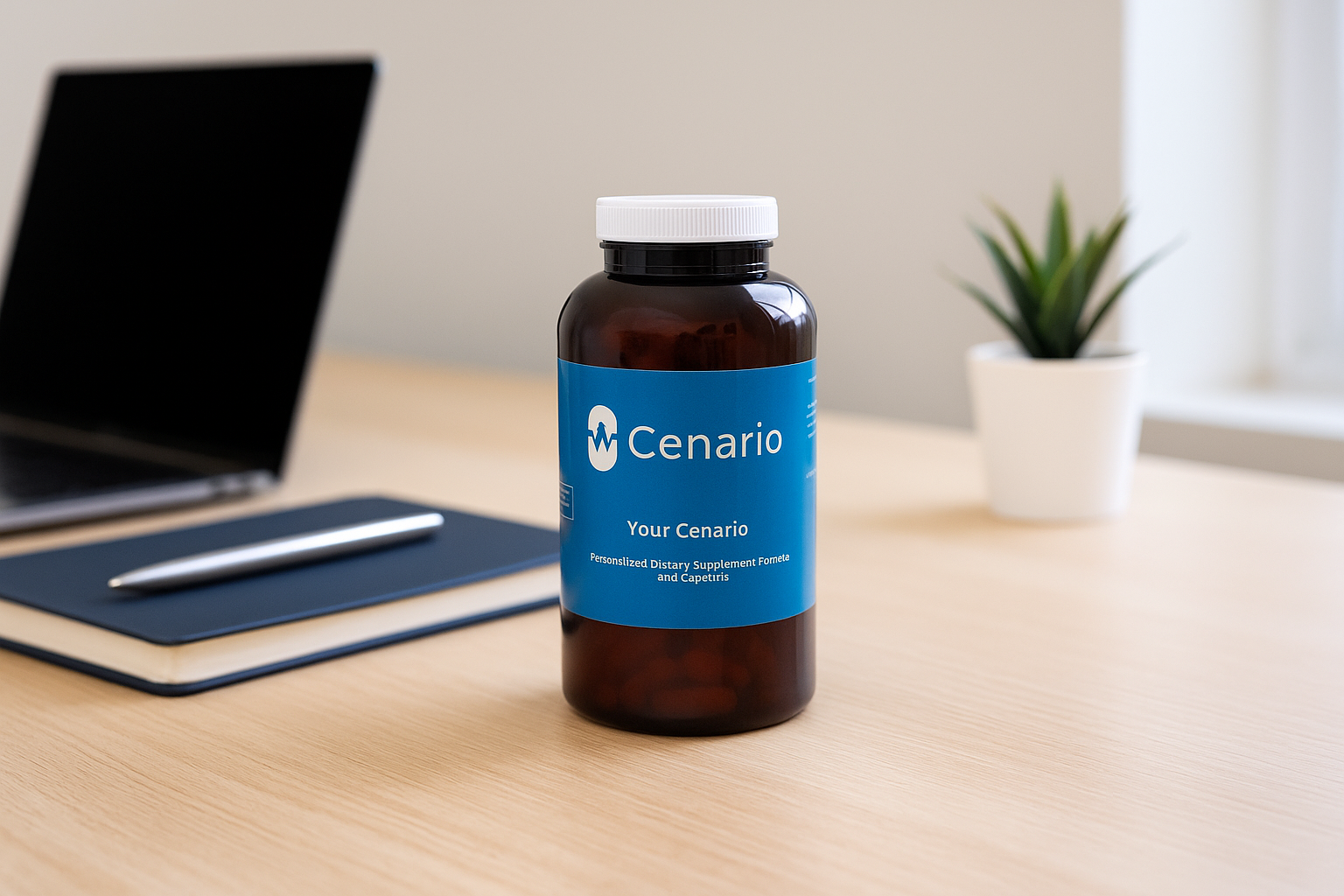
Trends, Data, and Search Intent Coverage
Consumers are increasingly seeking evidence-backed, safe supplements that enhance memory and focus, particularly those that cater to aging populations or busy professionals. While multivitamins show modest benefits for age-related decline, there is no single solution for healthy adults. Popular blends highlight clinically studied ingredients and certifications, such as organic and non-GMO, to differentiate themselves in the market.
Realistic Expectations
It’s important for consumers to have realistic expectations regarding the effects of supplements. Many have only modest benefits and are most effective for individuals with deficiencies or specific needs related to aging. Overpromising results can lead to disappointment, so it’s crucial to approach these supplements as complementary to a balanced diet and healthy lifestyle.
Realistic Expectations for Cognitive Supplements
Understanding the potential and limitations of cognitive supplements is essential for making informed choices. While these supplements can offer benefits, such as supporting memory and focus, it’s important to recognize that they are not a cure-all. The effects of supplements are generally modest and vary depending on individual health conditions, age, and nutritional deficiencies. For aging populations or those with specific deficiencies, supplements may provide more pronounced benefits. However, for healthy adults, the improvements might be subtle.
It’s crucial to approach these supplements as part of a broader strategy that includes a balanced diet, regular exercise, and mental stimulation. Overpromising results can lead to unrealistic expectations and potential disappointment. Instead, focus on the role of supplements as a complement to a healthy lifestyle, not a replacement for it.
Trends and Consumer Needs
The demand for cognitive supplements continues to grow, driven by an aging population and the increasing pressures of modern life. Consumers are looking for safe, evidence-backed options that can help enhance memory and focus. This trend has led to a proliferation of branded supplements that emphasize clinically studied ingredients and certifications, such as organic and non-GMO labels, to appeal to health-conscious individuals.
While multivitamins show some benefits for age-related cognitive decline, no single supplement can offer a complete solution for maintaining cognitive health in healthy adults. The most effective approach is often a combination of lifestyle changes and targeted supplementation tailored to individual needs.
Branded Brain Health Supplements
Branded supplements like Garden of Life’s Dr. Formulated Memory & Focus are designed to meet the growing consumer demand for cognitive support. These products often feature unique blends of ingredients, such as organic coffee fruit extract, which is believed to boost brain-derived neurotrophic factor (BDNF), a protein important for cognitive health. Additionally, ingredients like grape and wild blueberry extracts provide polyphenols, which have been studied for their potential cognitive benefits.
These supplements are typically marketed with certifications such as organic and non-GMO, catering to consumers who prioritize natural and whole-food ingredients. While the marketing of these products is compelling, it’s important to critically assess the evidence supporting their efficacy and to consider them as part of a comprehensive approach to brain health.
Looking for the right supplement to support your mental performance and wellbeing?
Take the 2-minute Cenario quiz to find your personalized formula:
Take the Cenario Mental Health Quiz
Frequently Asked Questions
What are the best supplements for improving memory and focus?
The best supplements for memory and focus include multivitamins, nootropic blends, and individual ingredients such as B vitamins, omega-3 fatty acids, and caffeine. These supplements have varying levels of evidence supporting their efficacy, with multivitamins showing benefits for age-related cognitive decline.
Are nootropic supplements safe to use?
Nootropic supplements are generally considered safe for most people, but it’s important to be aware of potential side effects and interactions with other medications. Consulting with a healthcare professional before starting any new supplement regimen is recommended.
Can supplements replace a healthy diet for cognitive health?
Supplements should not replace a healthy diet but rather complement it. A balanced diet provides essential nutrients that support cognitive health, and supplements can help fill gaps or provide additional support when needed.
How long does it take to see results from these supplements?
The time it takes to see results from cognitive supplements can vary. Some people may notice improvements within a few weeks, while others may take longer. Factors such as individual health status, the specific supplement, and dosage can influence the timeline.
Are there any specific supplements recommended for older adults?
For older adults, multivitamins and specific blends designed for age-related cognitive support are often recommended. These supplements can help address nutritional deficiencies and support overall brain health, potentially slowing cognitive decline.