
Attention Deficit Disorder (ADD), now commonly referred to as Attention Deficit Hyperactivity Disorder (ADHD), is a neurodevelopmental disorder that affects both children and adults. Characterized by symptoms such as inattention, impulsivity, and hyperactivity, ADHD can significantly impact daily functioning and quality of life. Individuals with this condition often struggle to maintain focus, manage tasks, and control impulses, which can lead to challenges in academic, professional, and social settings.
The role of natural supplements in managing ADD
In recent years, there has been a growing interest in using natural supplements as a complementary approach to managing ADD symptoms. This interest stems from increasing concerns over the side effects associated with traditional medications, such as stimulants, which are commonly prescribed for ADHD. Natural supplements offer an alternative that some individuals find appealing due to their perceived safety and the desire for a more holistic approach to health.
Looking for the right supplement to support your mental performance and wellbeing?
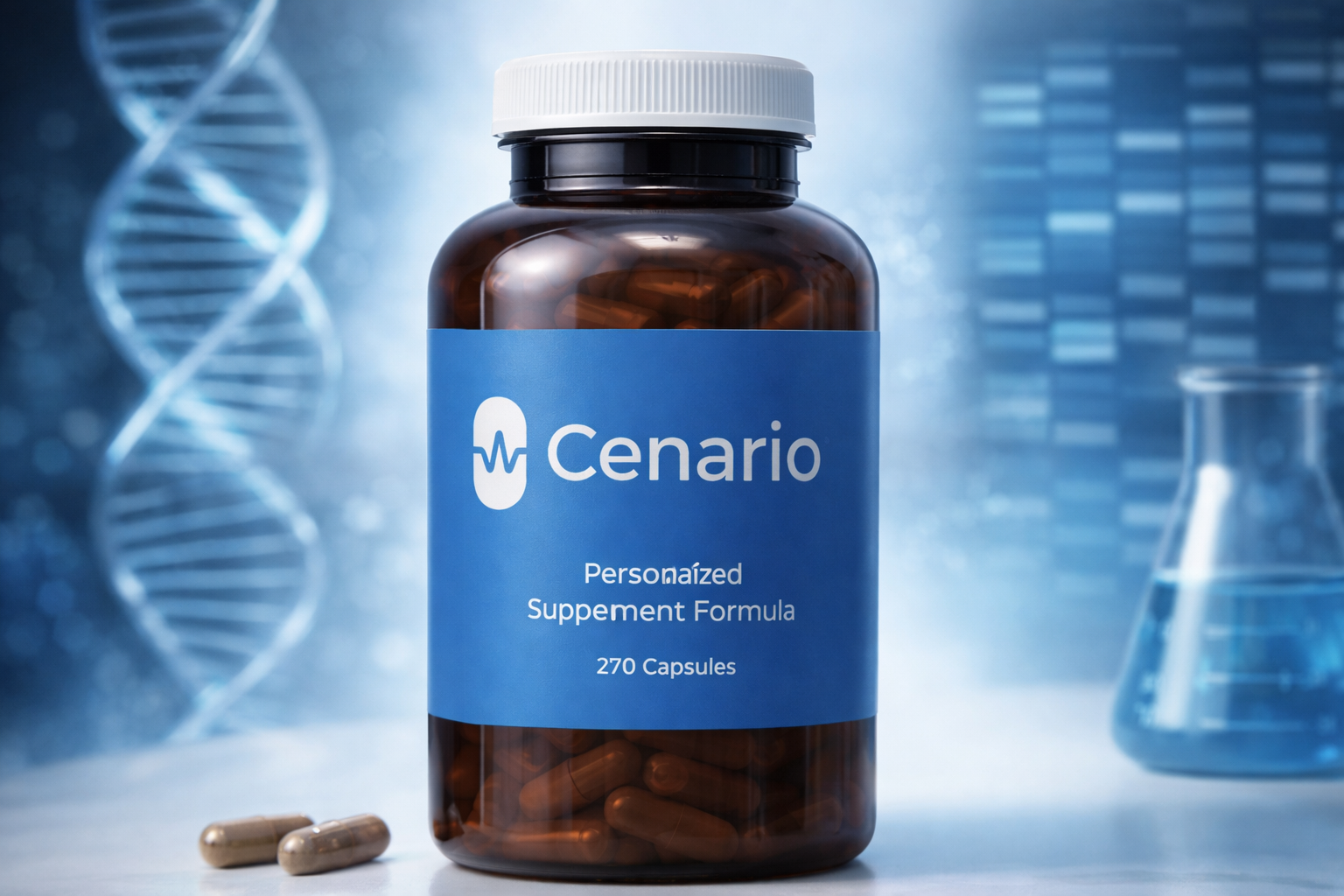
Take the 2-minute Cenario quiz to find your personalized formula:
Take the Cenario Mental Health Quiz
Natural supplements for ADD often include nutrients and herbs believed to support brain function and improve attention. These supplements are not intended to replace conventional treatments but rather to enhance overall management strategies. As awareness of natural remedies grows, more people are exploring options like omega-3 fatty acids, zinc, magnesium, and various herbal supplements to help mitigate the symptoms of ADD.
Purpose of exploring natural supplements
This post aims to delve into the world of natural supplements, examining their potential benefits and the scientific evidence supporting their use for ADD. By exploring these options, we hope to provide readers with a better understanding of how nature can play a role in supporting attention and cognitive function. While some supplements show promise, it’s important to approach them with a critical eye and an understanding of the current research landscape.
As we navigate through the various supplements available, we’ll consider both the potential advantages and the limitations of each option. This exploration will provide a comprehensive overview of natural supplements, helping individuals make informed decisions about their health and well-being. Stay tuned as we uncover the power of nature in supporting attention and managing ADD symptoms naturally.
Omega-3 fatty acids: A closer look
Omega-3 fatty acids, particularly eicosapentaenoic acid (EPA) and docosahexaenoic acid (DHA), are among the most researched natural supplements for ADD. These essential fats are primarily sourced from fish oil and have been linked to brain health and cognitive function. Studies have indicated that omega-3s may offer small to medium improvements in attention and overall ADHD symptoms. However, the results can vary significantly depending on the study design, the specific type of omega-3 used, and the outcomes measured.
Combining omega-3s with omega-6 fatty acids, such as gamma-linolenic acid (GLA), has shown potential for enhanced effects. Some research suggests that this combination may better support cognitive function and attention compared to omega-3s alone. Despite these promising findings, it’s important to note that the scientific evidence remains inconsistent, with some studies showing no significant benefits.
When considering omega-3 supplementation, it’s essential to be aware of potential side effects. These are generally mild and may include gastrointestinal discomfort. As with any supplement, consulting with a healthcare provider before starting an omega-3 regimen is advisable, especially for individuals already taking medication for ADD.
The role of zinc and magnesium
Zinc and magnesium are minerals that play crucial roles in brain function and cognitive health. Deficiencies in these nutrients have been associated with symptoms of ADD, suggesting that supplementation could be beneficial, particularly for those with low levels. However, the general benefit of zinc and magnesium supplements for all individuals with ADD is not well-established.
Research indicates that supplementation may improve attention and hyperactivity in individuals with deficiencies. Foods rich in zinc include meat, shellfish, legumes, and seeds, while magnesium can be found in green leafy vegetables, nuts, seeds, and whole grains. For those considering supplements, it’s crucial to determine if a deficiency exists, as unnecessary supplementation may not provide additional benefits.
Exploring herbal supplements
Herbal supplements such as Ginkgo biloba and St. John’s Wort are often explored for their potential cognitive benefits. However, the scientific support for these herbs in managing ADD symptoms is generally weak or equivocal. Ginkgo biloba, for example, has shown some limited effects compared to prescription medications but comes with safety concerns like an increased risk of bleeding.
St. John’s Wort, commonly used for mood disorders, has not demonstrated significant benefits for ADD and may interact adversely with other medications. Overall, caution is advised when considering herbal supplements due to the potential for side effects and interactions.
Iron’s importance in ADD management
Iron is another nutrient that plays a role in cognitive development, particularly in children. Low ferritin levels, a marker of iron deficiency, have been linked to ADD symptoms. However, iron supplementation is generally recommended only for individuals with confirmed deficiencies. Excessive iron intake can lead to toxicity, so it’s crucial to consult a healthcare provider before starting any iron supplements.
In summary, while natural supplements like omega-3 fatty acids, zinc, magnesium, and iron have shown potential benefits for managing ADD symptoms, their efficacy can vary widely. It’s essential to approach supplementation with a critical eye, focusing on individual needs and existing deficiencies. Consulting with healthcare professionals ensures safe and effective use of these supplements as part of a broader strategy for managing ADD.
Cautions and Considerations
When considering natural supplements for ADD, it’s crucial to prioritize safety. Always consult healthcare professionals before starting any supplement regimen, especially since some supplements can interact with ADD medications. This precaution helps ensure that the supplements complement existing treatments without causing adverse effects.
Furthermore, a personalized approach to supplementation is vital. Each individual’s health profile and specific deficiencies should guide supplementation decisions. A one-size-fits-all strategy may not be effective, as the benefits of supplements like omega-3 fatty acids, zinc, magnesium, and iron are often contingent on addressing particular nutritional gaps.
Research Gaps and Future Directions
Despite the growing interest in natural supplements for managing ADD, the scientific consensus remains mixed. Current research highlights the need for more high-quality, long-term studies to better understand the efficacy and safety of these supplements. While some findings are promising, inconsistencies in results underscore the importance of ongoing research.
The potential for future discoveries in the field of natural supplements is significant. As science advances, new insights may emerge about how these supplements can effectively support attention and cognitive function. Staying informed about the latest research can help individuals make better decisions regarding their supplement choices.
Brain health depends on a complex balance of nutrients that influence neurotransmitters, stress response, and cognitive function. A personalized supplement approach helps ensure you receive the nutrients that support your individual needs.
Find your personalized brain support formula:
Take the Cenario Mental Health Quiz
Frequently asked questions
What are the best natural supplements for ADD?
Omega-3 fatty acids are among the most well-supported supplements for ADD, showing potential for modest improvements in attention. However, results can be inconsistent, and benefits may vary from person to person.
Can supplements replace medication for ADD?
Supplements should be viewed as adjuncts, not replacements, for conventional ADD treatments. They can complement medication and lifestyle changes but are not a substitute for prescribed therapies.
Are there any risks associated with taking these supplements?
While natural supplements are generally considered safe, mild side effects like gastrointestinal discomfort can occur. Additionally, some herbal supplements may pose safety risks or interact adversely with medications, so professional guidance is recommended.
How do I know if I have a deficiency in zinc, magnesium, or iron?
Consult with a healthcare provider to conduct blood tests and determine if you have deficiencies in zinc, magnesium, or iron. Identifying deficiencies is crucial before starting supplementation.
Is there a one-size-fits-all supplement regimen for ADD?
No, there is no one-size-fits-all regimen. Supplementation should be tailored to individual needs, health profiles, and existing deficiencies, ideally guided by medical advice.