
Exploring Natural Remedies for Memory Enhancement
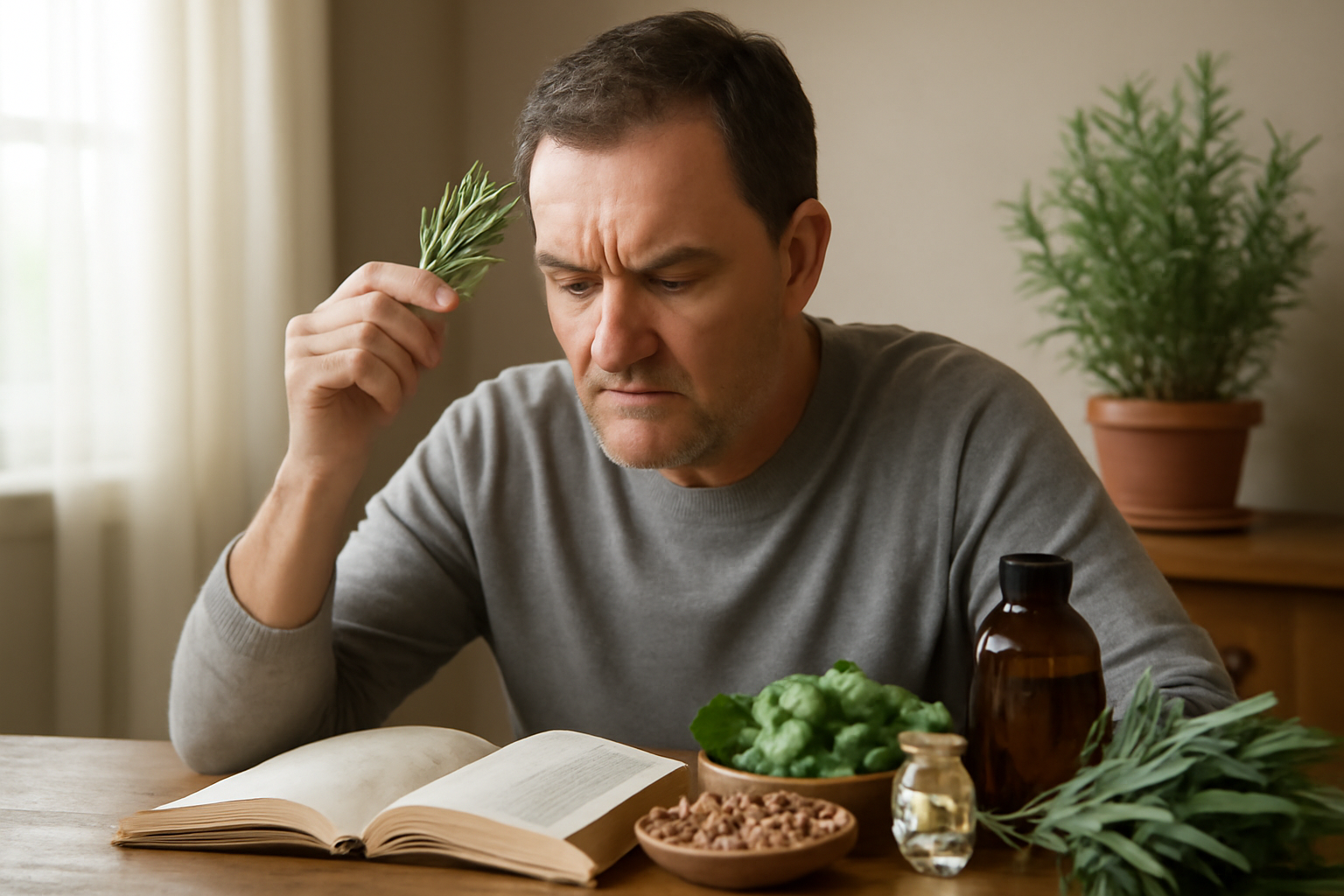
In recent years, there has been a growing interest in natural remedies for improving cognitive health and combating memory loss. As people seek alternatives to conventional medications, the spotlight has turned to herbs, which have been used for centuries in traditional medicine to address cognitive decline. From ancient civilizations to modern times, these natural solutions have been revered for their potential to enhance memory and support overall brain function.
Historically, herbs have played a pivotal role in traditional healing practices across cultures. They were often employed to sharpen the mind, boost concentration, and delay the onset of age-related cognitive decline. Today, modern science is beginning to validate some of these traditional claims, offering a fascinating blend of ancient wisdom and contemporary research.
Introduction to Key Herbs for Memory Loss
This blog post will delve into some of the most notable herbs known for their memory-enhancing properties. Among these are Acorus calamus, Anacardium occidentale (cashew), Salvia officinalis (sage), Celastrus paniculatus, Coriandrum sativum (cilantro), Evolvulus alsinoides, Withania somnifera (ashwagandha), Zingiber officinale (ginger), and Centella asiatica (Gotu kola). Each of these herbs offers unique benefits, contributing to cognitive health through various mechanisms.
Understanding which nutrients support focus, mood, and sleep can make a significant difference in your daily wellbeing. Instead of relying on generic supplements, a personalized approach helps match ingredients to your specific needs and lifestyle.
Discover your personalized supplement formula:
Take the Cenario Mental Health Quiz
Explore more mental wellness guides:
Cenario
Combining Tradition with Science
The use of these herbs represents a dual approach, combining the rich heritage of traditional knowledge with the precision of contemporary scientific research. This synergy aims to provide a more comprehensive understanding of how these natural remedies can be effectively utilized for memory enhancement.
As we explore the potential of these herbs, it is essential to consider both traditional uses and emerging scientific evidence. This approach not only honors the historical significance of these remedies but also ensures that they are applied safely and effectively in modern contexts. By bridging ethnobotanical knowledge with scientific insights, we can unlock the full potential of these herbal allies in supporting cognitive health.

Herbs and Their Mechanisms
Salvia officinalis (Sage) and Withania somnifera (Ashwagandha)
Among the most studied herbs for memory enhancement are Salvia officinalis (sage) and Withania somnifera (ashwagandha). These herbs have shown promising results in improving cognitive function through various mechanisms. Sage is known for its ability to inhibit acetylcholinesterase, an enzyme that breaks down acetylcholine, a neurotransmitter crucial for memory and learning. This inhibition helps maintain higher levels of acetylcholine, thus enhancing cognitive performance.
Ashwagandha, on the other hand, is celebrated for its adaptogenic properties, helping the body manage stress, which is often linked to cognitive decline. Clinical studies have demonstrated that ashwagandha can improve working memory, reaction time, and overall psychological well-being, making it a valuable ally in the fight against memory loss.
Centella asiatica (Gotu Kola)
Centella asiatica, commonly known as Gotu kola, is currently being investigated in a clinical trial focusing on its effects on cognitive biomarkers in older adults. This trial aims to establish a biological basis for Gotu kola’s traditional use in memory enhancement. While the study does not directly measure memory improvement, it emphasizes the importance of understanding the underlying biological mechanisms, paving the way for more rigorous scientific validation.
Convolvulus pluricaulis (Shankhpushpi)
Convolvulus pluricaulis, or Shankhpushpi, is another herb with potential memory-enhancing properties. Preclinical studies have shown that it can improve memory retention and neurotransmitter function. However, it is important to note that robust clinical human data for Shankhpushpi is still lacking, highlighting the need for further research to confirm its efficacy in humans.
Struggling with brain fog, low energy, or difficulty concentrating? The right nutrients may help support cognitive performance, stress balance, and mental clarity throughout the day.
Find the supplement formula designed for your needs:
Take the Cenario Mental Health Quiz
Mechanistic Pathways
Neurotransmitter Modulation
Many herbs for memory loss work by modulating neurotransmitter levels. Acetylcholine, a neurotransmitter essential for learning and memory, is a common target. Herbs like sage and Shankhpushpi help increase acetylcholine levels, thereby enhancing cognitive function and memory retention.
Antioxidant Effects
Oxidative stress is a significant factor in cognitive decline. Herbs such as ashwagandha and Gotu kola possess powerful antioxidant properties that help reduce oxidative stress, protecting brain cells from damage and supporting overall cognitive health.
Anti-inflammatory Actions
Inflammation can impair cognitive function, and many herbs offer anti-inflammatory benefits. By reducing inflammation, herbs like ashwagandha and sage can help maintain healthy brain function and prevent cognitive decline.
Scientific and Traditional Perspectives
The use of herbs for memory enhancement is a testament to the rich interplay between traditional wisdom and modern science. While traditional practices have long recognized the benefits of these herbs, contemporary research is beginning to validate these claims, bridging the gap between ethnobotanical knowledge and scientific evidence.
This dual approach not only honors the historical significance of these herbs but also ensures their safe and effective application in modern contexts. As scientific research continues to uncover the mechanisms behind these herbal remedies, the potential for their use in supporting cognitive health becomes increasingly promising.
Preclinical and Drug Development Insights
Recent advancements in herbal research have highlighted the potential of compounds like carnosic acid, found in rosemary and sage, in the development of treatments for Alzheimer’s disease. This compound exhibits promising anti-inflammatory and antioxidant properties, which have been shown to improve memory and disease outcomes in preclinical models. These findings underscore the potential of translating traditional herbal knowledge into modern therapeutic applications, offering hope for future drug development aimed at cognitive enhancement.
Research Gaps and Future Directions
Despite the promising results seen in preclinical studies and early-stage human trials, there remain significant gaps in the clinical evidence for many herbs used for memory loss. Long-term studies are necessary to fully understand the efficacy and safety of these herbs in diverse populations, particularly among older adults and those with cognitive impairments. Ongoing research efforts are crucial to bridge these gaps, with the potential for future breakthroughs that could revolutionize the way we approach cognitive health.
Interested in learning more about mental wellness, cognitive health, and evidence-based supplements?
Explore more expert guides here:
Cenario
Or discover your personalized supplement formula:
Take the Cenario Mental Health Quiz
Frequently Asked Questions
What are the most effective herbs for memory enhancement?
Among the most effective herbs for memory enhancement are Salvia officinalis (sage), Withania somnifera (ashwagandha), and Centella asiatica (Gotu kola). These herbs have shown promising results in clinical studies, demonstrating improvements in cognitive functions such as working memory and psychological well-being.
Are there any side effects associated with these herbs?
While herbs for memory loss are generally considered safe, some individuals may experience side effects such as gastrointestinal discomfort or allergic reactions. It is important to consult with a healthcare provider before starting any new herbal regimen, especially if you are taking other medications or have underlying health conditions.
How long does it take to see results from using these herbs?
The timeline for seeing results from herbs for memory loss can vary depending on the individual and the specific herb used. Some people may notice improvements within a few weeks, while others may require several months of consistent use to experience significant benefits.
Can these herbs be used in conjunction with conventional treatments?
Herbs for memory loss can potentially be used alongside conventional treatments, but it is crucial to consult with a healthcare professional to avoid any adverse interactions. A healthcare provider can help tailor a comprehensive approach that combines herbal and conventional therapies safely and effectively.
What should consumers look for when purchasing herbal supplements?
When purchasing herbal supplements, consumers should look for products that have been tested for quality and purity. It is advisable to choose supplements from reputable brands that offer transparency about their sourcing and manufacturing processes. Look for certifications from independent testing organizations to ensure the product’s safety and efficacy.