

Why Ashwagandha Is Gaining Attention
In the world of natural remedies, ashwagandha stands out as a powerful and time-tested herb. Used for centuries in Ayurvedic medicine, it’s known as an adaptogen a type of plant that helps the body manage stress and restore balance.
Today, ashwagandha is making a strong comeback. More and more women are turning to ashwagandha for help with common health concerns like hormone imbalance, stress, low energy, and menopause symptoms. Backed by both tradition and science, this ancient herb is becoming a go-to supplement in modern wellness routines.
Why Women Are Turning to Ashwagandha
Modern life brings unique challenges for women physically, emotionally, and hormonally. Many are now looking for natural alternatives to help manage issues like:
- Irregular periods
- PCOS (Polycystic Ovary Syndrome)
- Menopause symptoms
- Low sex drive
- Chronic stress and anxiety
Ashwagandha offers support in these areas. Its adaptogenic effects help regulate the body’s stress response, which plays a big role in hormonal health. Some studies also suggest that ashwagandha may act as a phytoestrogen, helping ease symptoms like hot flashes, mood swings, and fatigue during menopause.
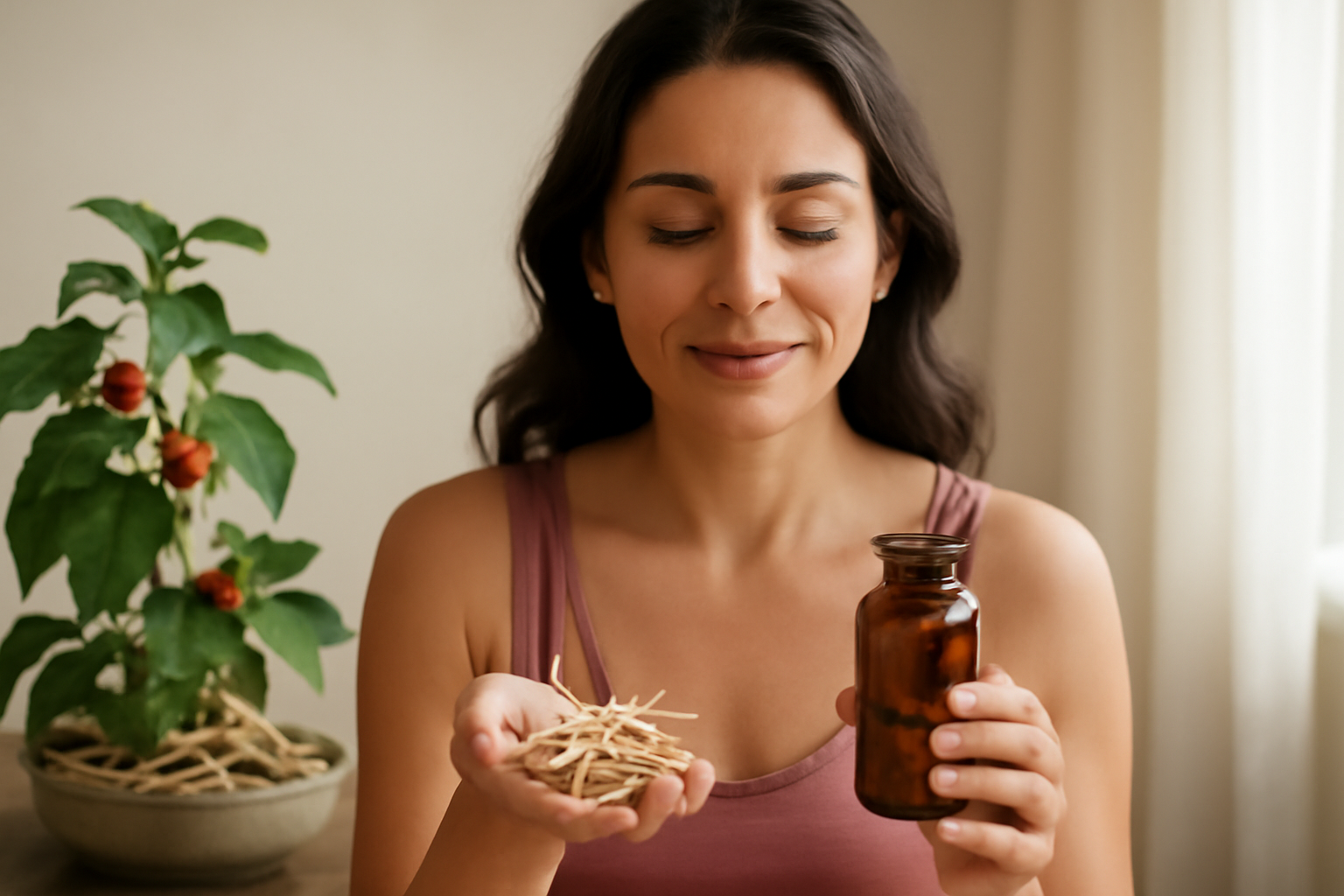
Exploring the Benefits of Ashwagandha for Women’s Wellness
Ashwagandha is gaining popularity for its wide range of health benefits, especially for women. Backed by both science and tradition, this herb is now seen as a powerful tool for improving physical and emotional well-being.
In this blog post, we’ll focus on how ashwagandha can support women’s health at every stage of life. From easing menopause symptoms to improving hormone balance, enhancing sexual function, and helping manage stress, its benefits are both diverse and promising.
We’ll break down the key benefits of ashwagandha, including:
- How it may regulate hormones and reduce PMS symptoms
- Its role in supporting fertility and sexual wellness
- How it may reduce stress, anxiety, and mental fatigue
- Why it may help with menopause relief, including hot flashes and mood swings
By understanding how ashwagandha works, you’ll be able to make informed choices about whether it belongs in your daily wellness routine.
A Natural Wellness Option for Modern Women
As we dive deeper into the research and traditional use of ashwagandha, it becomes clear: this ancient herb has real potential to support modern women’s health goals.
Whether you’re looking for a natural remedy for menopause, trying to restore hormonal balance, or simply looking to feel more energized and emotionally steady, ashwagandha offers a safe, natural path forward.
Ashwagandha for Menopause Symptom Relief
As women enter menopause, many experience uncomfortable symptoms like hot flashes, mood swings, sleep problems, and joint pain. These changes can affect daily life and overall well-being.
Recent clinical studies suggest that ashwagandha may help reduce menopause symptoms. Research shows that ashwagandha can:
- Reduce the frequency and intensity of hot flashes
- Decrease bone turnover, which may help support bone health
- Lower inflammation in postmenopausal women
Together, these benefits may lead to higher quality of life scores in women taking ashwagandha making it a natural alternative to hormone therapy or other medications.
What the Research Says
While results are encouraging, it’s important to recognize that many of the studies on ashwagandha and menopause use small sample sizes. Long-term safety data is also limited.
That said, the early evidence shows strong potential. For women looking for a natural way to manage menopause symptoms, ashwagandha may be a valuable option worth discussing with a healthcare provider.
Hormonal balance and menstrual health
Hormonal imbalances can lead to various issues, including irregular menstrual cycles and conditions such as polycystic ovary syndrome (PCOS). Ashwagandha’s ability to balance reproductive hormones like follicle-stimulating hormone (FSH), luteinizing hormone (LH), and cortisol makes it a valuable ally for women facing these challenges. Its adaptogenic properties help the body manage stress, which is often a contributing factor to hormonal imbalances.
Additionally, ashwagandha contains phytoestrogens, which may contribute to restoring hormonal equilibrium and reducing cycle irregularity. This makes it a potential natural remedy for women seeking to regulate their menstrual health and address conditions related to hormonal imbalances.
Enhancing sexual function and libido
For women experiencing challenges in sexual function, ashwagandha offers promising benefits. Multiple randomized controlled studies have demonstrated improvements in female sexual function, including increased arousal, lubrication, and satisfaction. These studies often utilize standardized measures like the Female Sexual Function Index (FSFI) to quantify improvements.
Common dosages in these trials include 300 mg of ashwagandha root extract taken twice daily, typically over a period of 8 to 12 weeks. The results indicate that ashwagandha can significantly enhance sexual health, providing a natural solution for women looking to improve their sexual well-being.
Stress, mood, and quality of life
Ashwagandha’s adaptogenic effects extend beyond hormonal balance and sexual function. By reducing cortisol levels, it can alleviate stress and anxiety, which are common issues for many women. This is particularly beneficial for those experiencing premenstrual syndrome (PMS), menopause, or chronic stress.
Improved sleep quality is another advantage, as ashwagandha helps to calm the mind and promote relaxation. These benefits collectively enhance overall mood and quality of life, making ashwagandha a valuable addition to any wellness routine.
Athletic recovery and muscle strength
For active women and athletes, ashwagandha offers additional benefits in terms of physical performance. Studies focusing on professional female athletes have shown that ashwagandha supplementation can lead to improved exercise recovery and increased muscle strength. This makes it an attractive option for women seeking to enhance their athletic performance and recovery.
By incorporating ashwagandha into their fitness regimen, women can potentially experience better endurance, reduced fatigue, and quicker recovery times, contributing to overall physical well-being.
In summary, the benefits of ashwagandha for women are numerous and well-supported by scientific research. From managing menopause symptoms to enhancing sexual function and supporting athletic performance, ashwagandha offers a natural path to improved health and wellness. As more research emerges, the potential applications of this ancient herb continue to expand, promising new avenues for women’s health and well-being.
Safety and side effects
While ashwagandha is generally considered safe for most women, it is essential to be aware of potential side effects and interactions with medications. Common side effects may include gastrointestinal upset, drowsiness, and headaches. Pregnant women and those with autoimmune conditions should exercise caution and consult with a healthcare provider before starting supplementation, as ashwagandha may not be suitable for these groups.
Understanding the safety protocols and potential interactions with other medications is crucial for ensuring a safe and beneficial experience with ashwagandha. As with any supplement, it is advisable to consult with a healthcare provider to determine the appropriate dosage and ensure it aligns with individual health needs.
Frequently Asked Questions
What is the recommended dosage of ashwagandha for women?
The recommended dosage of ashwagandha for women varies depending on the specific health goal. However, many studies suggest a typical dosage of 300 mg of ashwagandha root extract taken twice daily. It is essential to consult with a healthcare provider to determine the best dosage for individual needs and health conditions.
Can ashwagandha help with weight management in women?
Some research indicates that ashwagandha may aid in weight management by reducing stress-related cravings and promoting a balanced metabolism. Its adaptogenic properties help regulate cortisol levels, which can contribute to maintaining a healthy weight. However, more research is needed to fully understand its impact on weight management.
Is ashwagandha safe for long-term use?
Current findings suggest that ashwagandha is safe for long-term use when taken at recommended dosages. However, as with any supplement, it is crucial to monitor for any adverse effects and consult with a healthcare provider for ongoing safety and efficacy.
How does ashwagandha compare to other adaptogens for women?
Ashwagandha is unique among adaptogens due to its broad range of benefits, including hormonal balance, stress reduction, and cognitive support. While other adaptogens like rhodiola and ginseng offer similar stress-relieving effects, ashwagandha’s specific benefits for women’s sexual health and menopause relief set it apart.
Are there any specific brands or types of ashwagandha recommended for women?
When choosing ashwagandha supplements, look for well-researched brands that prioritize quality and safety. KSM-66 and Sensoril are two popular formulations known for their efficacy and standardized potency. Always choose products from reputable companies with transparent ingredient sourcing and third-party testing.